Sacred Earth
Exploring Nature and Culture
Nature Notes:
Samhain – Journey to the Otherworld
When the wheel of the year turns to Samhain, the days are growing shorter, the leaves are falling from the trees, and the life force retreats beneath the surface, into the deep, dark womb of Mother Earth. The harvest is gathered, and we settle into a different rhythm, feasting on its gifts and replenishing our energies. Veiled in darkness, by the flickering flames, stories of old keep us spellbound. We huddle together, sharing memories of days gone by and of those who have passed on to the Otherworld.
At this time of year, the boundaries between our world and the Otherworld are said to grow thin, allowing spirits to pass more freely. We remember and honour our loved ones who have gone before us.
Death is present, reminding us of the transience of our existence: each life a fleeting moment in eternity. And yet, each of us carries the flame of life within, like a precious ember of the sacred fire, the creative source.
Current issue
Pumpkins
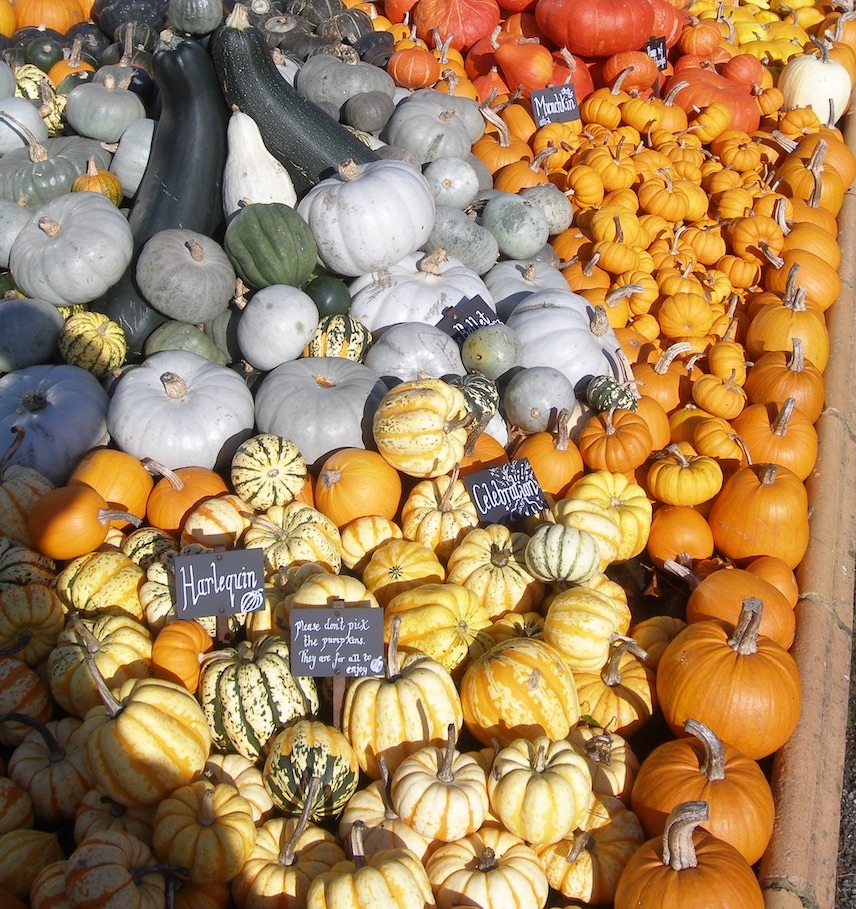
Few foods are as quintessentially autumnal as the pumpkin. With their bright colours, bold shapes and sometimes downright ridiculous proportions, pumpkins are hard to ignore. They brighten market stalls, fill our kitchens with warming seasonal dishes and, come Halloween, turn into sinister-faced candlelit decorations.
Yet behind these familiar autumn vegetable curiosities lies a much older and more fascinating story. Originally cultivated by Indigenous peoples thousands of years ago, they have developed into an astonishing diversity of forms. Interestingly, their seeds were valued long before their flesh became the basis of pies, soups and other culinary delights. Pumpkins have found their way into traditional medicine, featured in folklore and even sparked fierce competition among growers to produce the biggest pumpkin on earth.
So, whether you know them as pumpkins, squashes or gourds, these extraordinary members of the cucumber family deserve a closer look. From ancient American agriculture to Halloween traditions, there's considerably more to the humble pumpkin than the famous pie.
How Stingy Jack became Jack-o-Lantern
A deal with the Devil, a trickster who thought he could outwit death, and a lonely soul condemned to wander through the darkness with nothing but a glowing ember to light his way. The Irish tale of Stingy Jack is a curious mixture of mischief, superstition and the supernatural. But how did this wandering rogue become associated with the familiar Halloween lantern, and why did people once carve frightening faces into turnips rather than pumpkins? Step into the shadows and discover the folklore behind the Jack-o'-lantern.

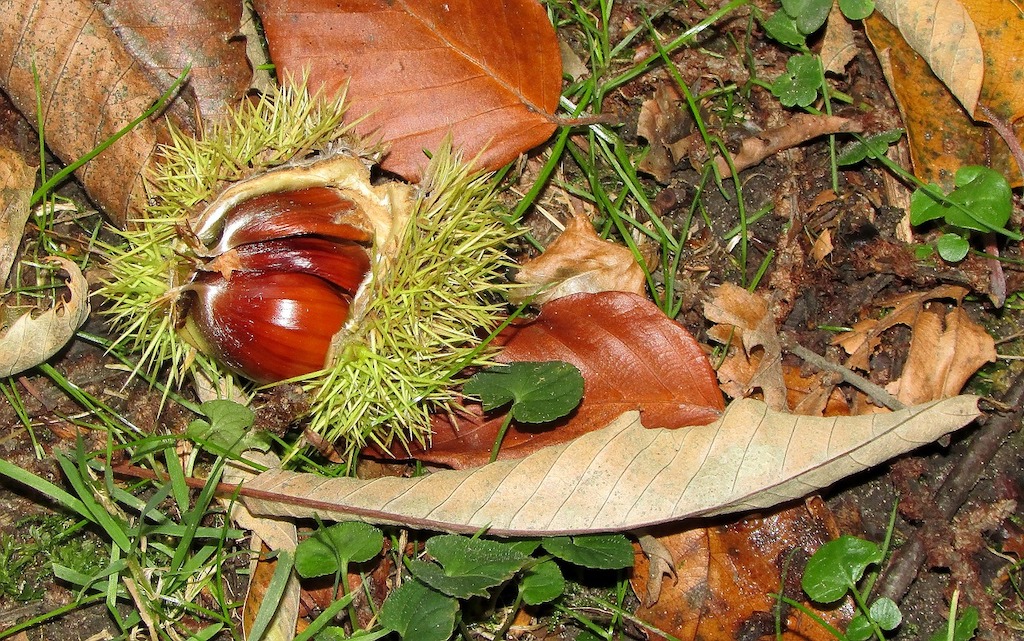
Foraging: Sweet Chestnuts (Castanea sativa)
Nothing quite conjures up the magical atmosphere of autumn as the warm, sweet scent of roasted chestnuts. It immediately invokes images of bonfires and harvest feasts.
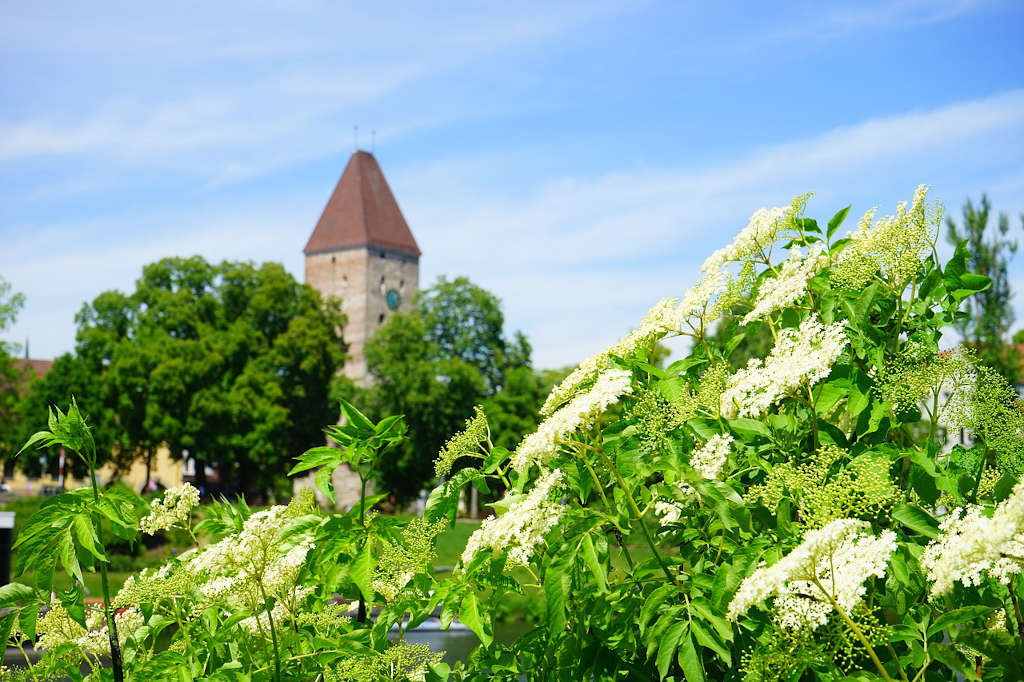
the Elder-tree in myths, magic, and medicine
The Elder tree is the medicine cabinet of the country people. This much loved, bushy tree is a common sight throughout Britain, Europe, and North America.

The Old Tree and the Carpenter
A parable about the ‘usefulness’ of other species’, vs. the innate value of all species for their own sake, and the preciousness of life.
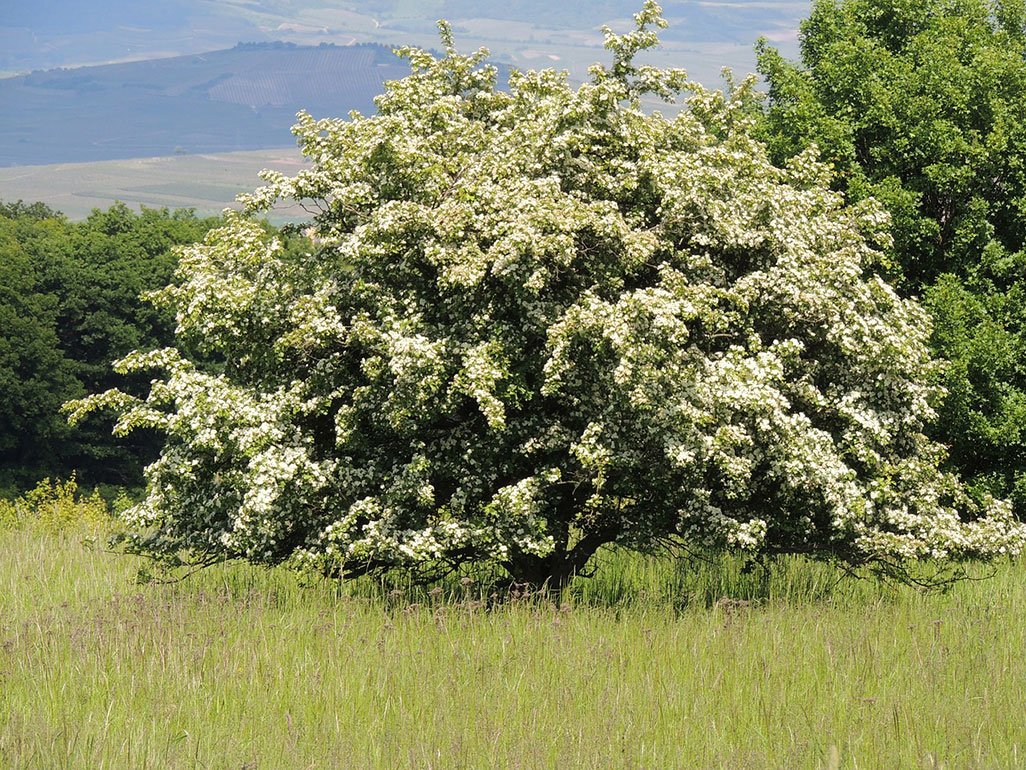
Why Hawthorn is your heart’s best friend
Plant Profile: Hawthorn (Crataegus monogyna) When the Hawthorn dapples the hedgerows with its pinkish-white blossom, we know that spring is here to stay. Typically, Hawthorn starts to flower at the end of April or the beginning of May, which is why it is also...
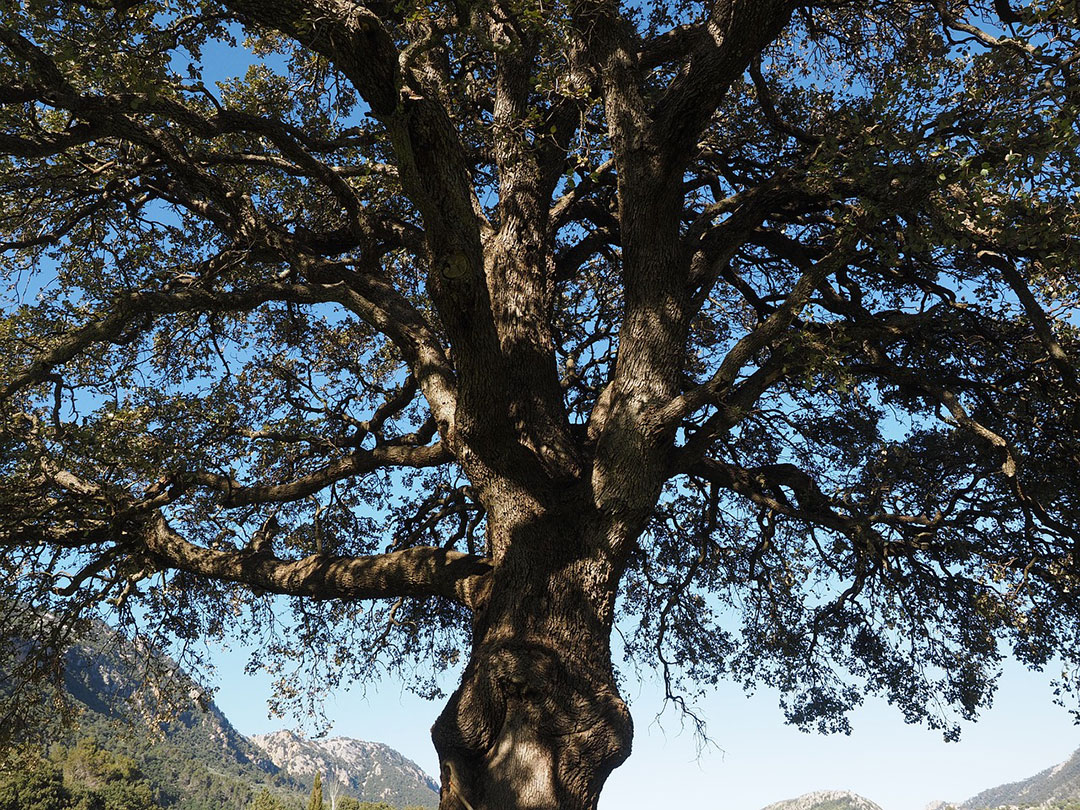
The Camphor Tree
The characteristic scent of Camphor is familiar to anyone who has had a close encounter with VapoRub, but few have ever seen the pure, white crystalline substance from which the scent derives. Still, fewer are aware that this mysterious substance is entirely natural and comes from a tree that is native to southern China, southern Japan, and Taiwan. The Camphor Tree (Cinnamomum camphora) is closely related to the Cinnamon Tree, (Cinnamomum zeylanicum), with which it is sometimes confused. However, the unmistakable scent of the leaves immediately reveals its true identity.

Apple Tree
Description: The Apple Tree is one of the most anciently cultivated fruits of Eurasia. It is believed to have developed in central Asia, where the greatest genetic variation occurs in the wild. In cultivation, trees are usually trained and do not reach more than...

Annatto (Bixa orellana)
Description: Annatto, or Achiote, as it is commonly called in Latin American countries, is a tropical shrub that can grow up to about 20 meters high. The pinkish-white flowers develop into a bright red, heart-shaped and exceedingly bristly fruit, which is inedible....
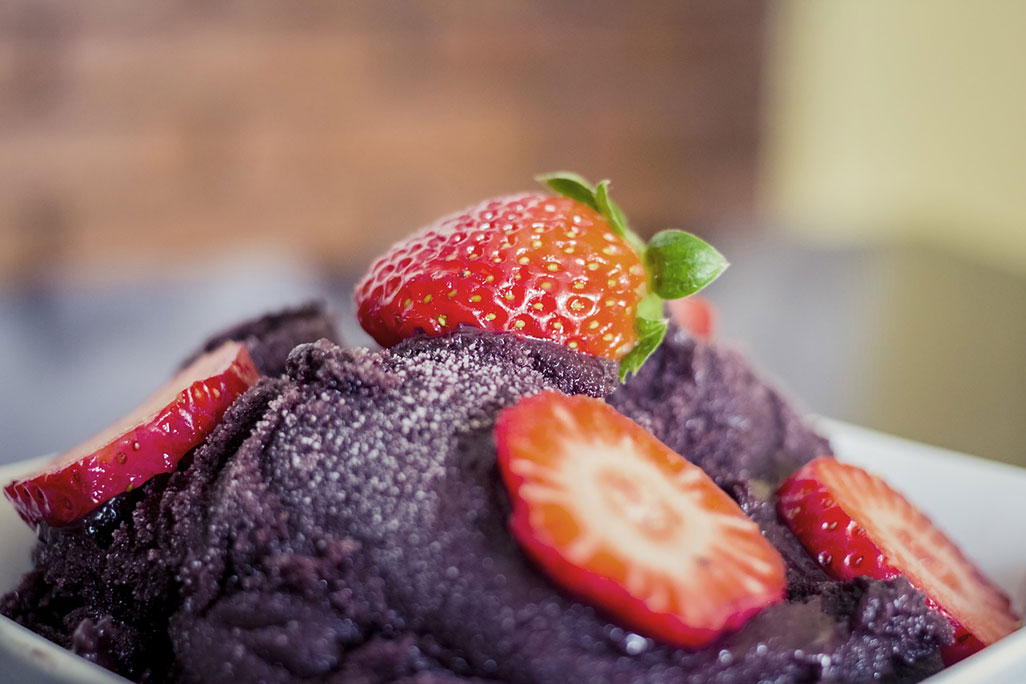
Açai (Euterpe oleracea)
Description: A slender, graceful palm of the Arecaceae family, Açai is native to the seasonally inundated lowland forests of eastern South America, especially Brazil. Several stems sprout from its base and it can grow to about 15-25m high. It takes 4-5 years to...