Celebrating Lughnasadh
Table of Contents
The time of the grain harvest
The Sun has now moved well past its zenith, yet its radiance and heat still beat relentlessly upon fields and forests, rivers shrink and the scent of dry grasses hangs in the air.
Lughnasadh, celebrated at the beginning of August. It marks the first harvest festival of the Celtic year - it’s time to gather the fruits after months of patient labour, to celebrate abundance and to remember that every harvest is both a blessing and a responsibility.
The grain has turned heavy, golden and ripe, orchards begin to bend beneath the weight of apples and pears, vineyards promise sweet grapes, and vegetable gardens overflow with beans, tomatoes, courgettes and herbs. Nature has entered a season of generosity.
For gardeners, farmers and foragers, this is one of the busiest times of the year. The work of spring is now transformed. The fruits of our labour not only provide for the season of plenty now, but need to be preserved for the coming winter. Canning, drying, fermenting and storing become as important as harvesting itself. The abundance surrounding us reminds us that every loaf of bread, every basket of fruit and every jar of herbs represents months—even years—of care, patience and the blessing of nature. One heavy thunderstorm and hail, or even just a bit too much or too little sun and rain all can ruin the harvest. Success is never been guaranteed.
The months between spring and late summer are filled with promise and uncertainty. Today, the effects of climate change have made these risks increasingly common. Lughnasadh reminds us that our prosperity ultimately depends upon nature - healthy ecosystems, fertile soils and a stable climate.
Perhaps no festival speaks more clearly of our dependence upon the living Earth.
From Lughnasadh to Lammas
The festival takes its name from the Celtic god Lugh, one of the great deities of Irish mythology. Lugh was renowned as a master of many arts—a warrior, craftsman, poet, musician and king—whose gifts brought prosperity to the land. According to tradition, he established the festival in honour of his foster mother Tailtiu, who died after clearing the forests to create fertile farmland for her people.
The festival therefore honours not only the harvest itself, but also the labour, sacrifice and stewardship that make abundance possible.
When Christianity spread across Britain and Ireland, many older seasonal customs were woven into the Christian calendar. Lughnasadh gradually became known as Lammas, derived from the Old English hlāfmæsse, meaning "Loaf Mass." The first loaf baked from the newly harvested grain was blessed in church as a symbol of gratitude for God's provision.
Bread and wine became central symbols of the Eucharist. Wheat—the staff of life—represent the body of Christ, while wine symbolises his blood. Although the religious traditions differ, both festivals share the same underlying message: gratitude for the harvest and recognition that life depends upon the gifts of a divine source and not just our own labour.
The Eternal Cycle of Seed and Harvest
Harvest is never an ending.
It is one moment within an endless cycle of growth, death and renewal. Some of the grain becomes flour. Some nourishes livestock. Some feeds wildlife. And some is carefully set aside as seed for the following year.
What we harvest today becomes tomorrow's potential.
The old saying, "We reap what we sow," carries more wisdom than it first appears. Our actions shape the future, both personally and collectively. The choices we make today—how we cultivate the land, how we treat our communities and how we care for the natural world—become the seeds from which future harvests will grow.
Lughnasadh invites us to celebrate abundance while remembering our responsibility towards those who will inherit the Earth once we have gone.
Plants of Lughnasadh
Several plants are particularly associated with the harvest season:.
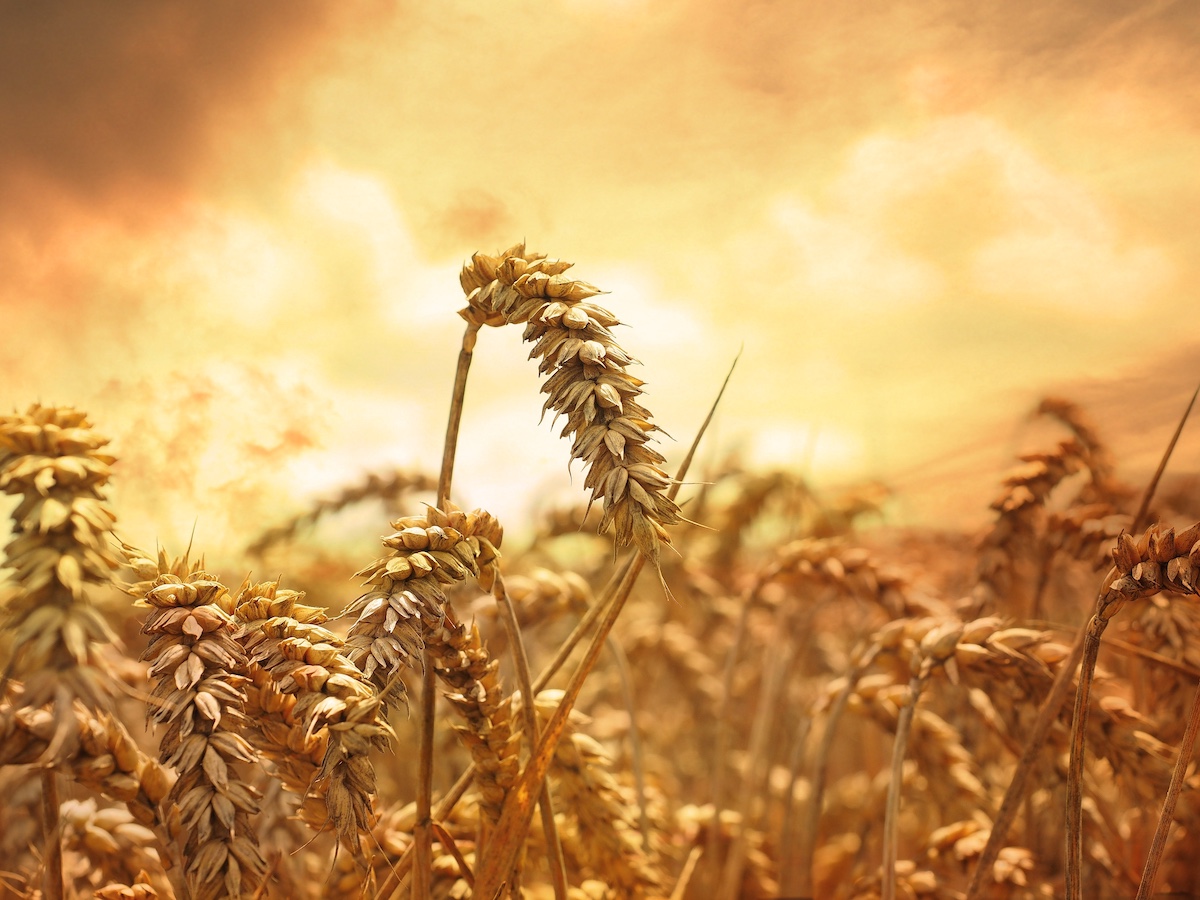
Wheat (Triticum aestivum L.)
No plant symbolises Lughnasadh more completely than wheat. For thousands of years it has sustained human civilisation and shaped cultures across Europe and beyond. The golden fields of ripening grain have become an enduring symbol of prosperity, nourishment and the rewards of patient labour.
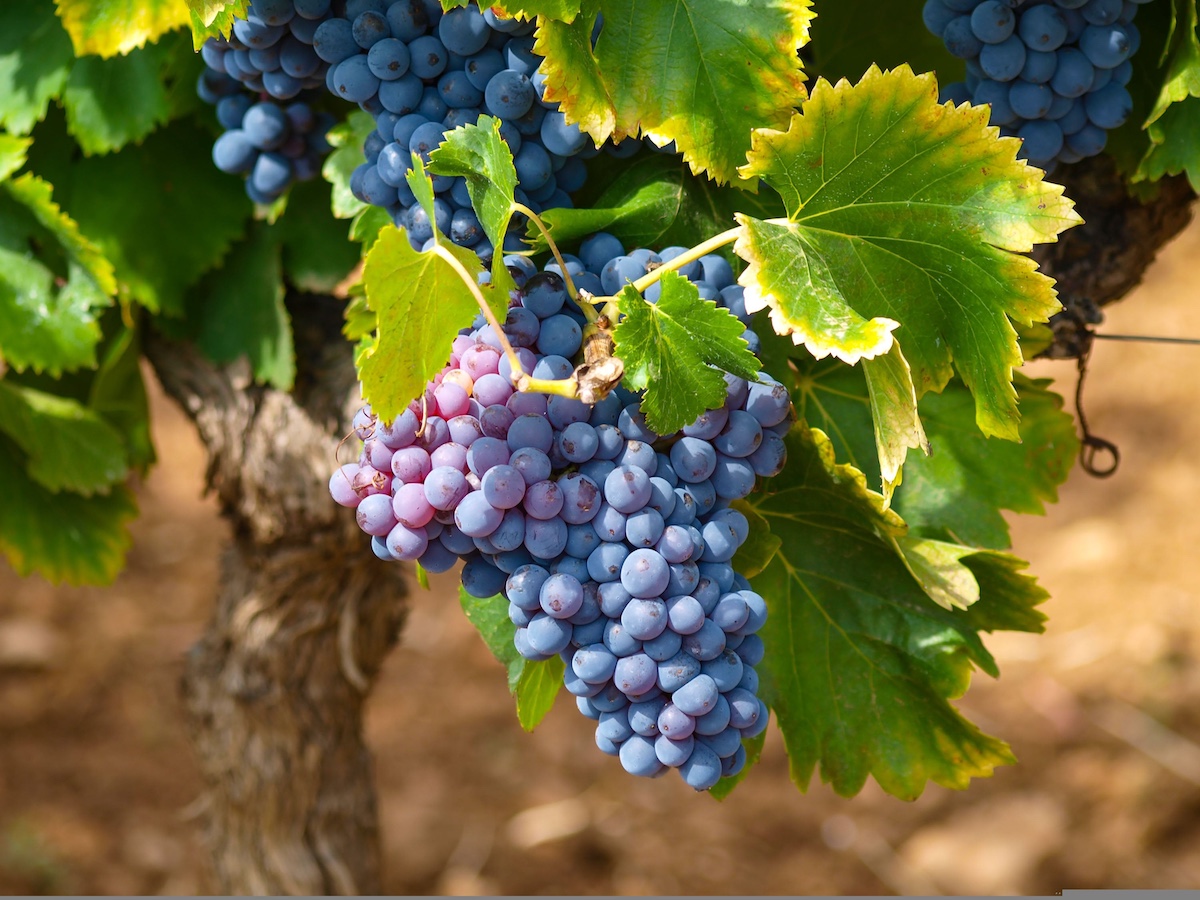
Grapes (Vitis vinifera L.)
Heavy clusters of ripening grapes have long symbolised abundance, celebration and transformation. Their sweet juice becomes wine, one of humanity's oldest and most powerful ritual drinks. In the ancient Mediterranean world, grapes belonged to Dionysos, the god of wine, ecstasy, theatre and divine madness.
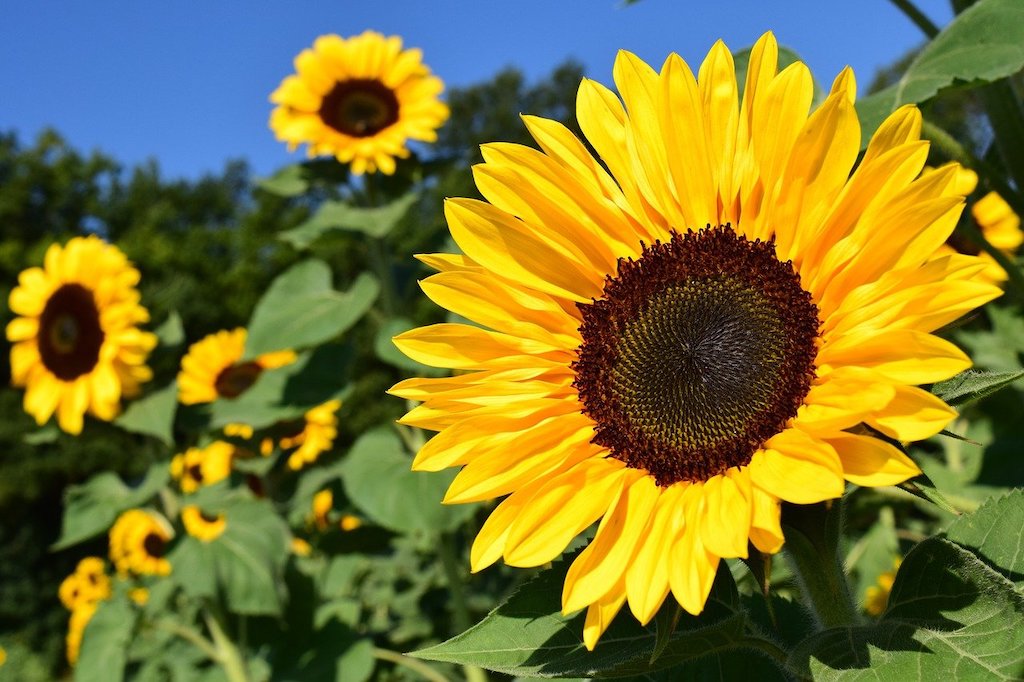
Sunflower (Helianthus annuus L.)
Few flowers embody the joy of high summer as completely as the sunflower. Standing tall beneath the August sun, it reflects vitality, warmth and generosity. Its seeds provide food for people, birds and countless other animals, making it a fitting symbol of shared abundance.
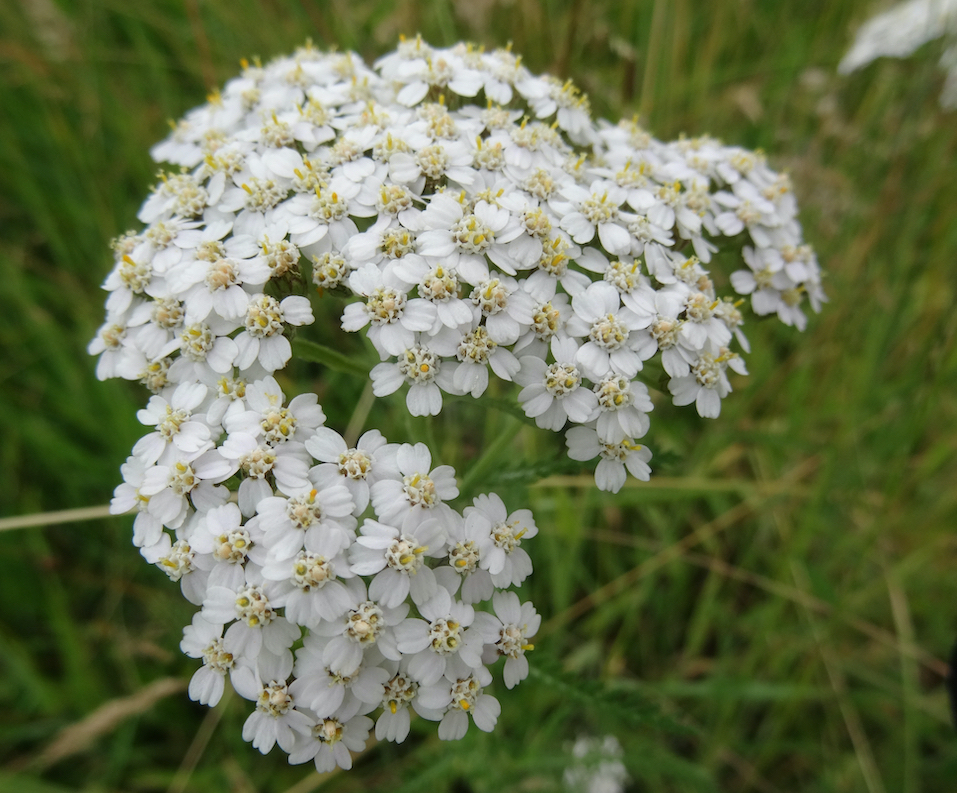
Yarrow (Achillea millefolium L.)
Yarrow often flowers throughout the summer and has long been valued as one of Europe's great medicinal herbs. Traditionally associated with healing, protection and courage, it reminds us that harvest is not only about gathering food, but also about collecting the medicines that will sustain us through winter. It was also one of the many herbs once used for flavouring ale.
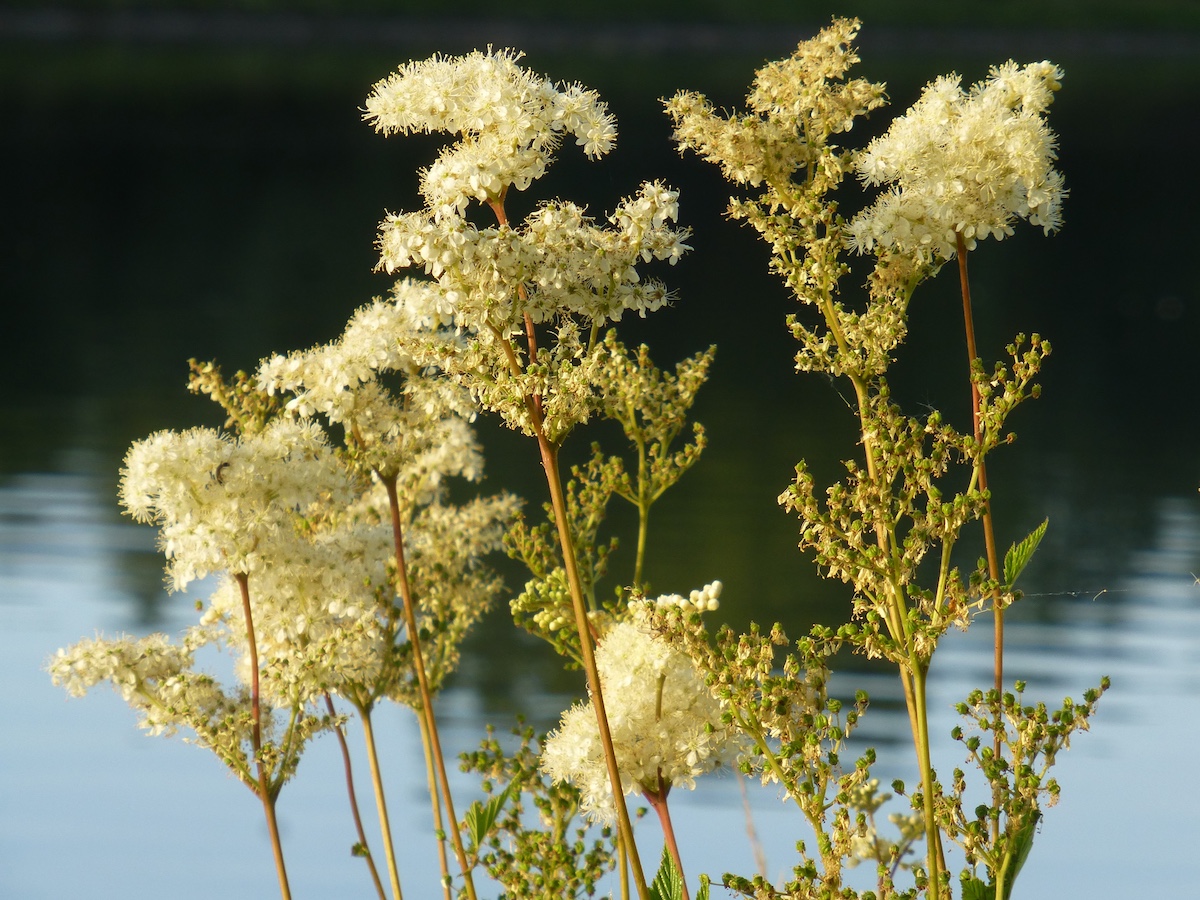
Meadowsweet (Filipendula ulmaria (L.) Maxim.)
Revered since ancient times, Meadowsweet was one of the most cherished herbs of Europe, valued both for its medicinal properties and its beauty. In Celtic tradition, meadowsweet is often counted among the sacred herbs, associated with joy, hospitality and celebration and the flowers were used to sweeten the mead.
The Spiritual Meaning of Lughnasadh
Lughnasadh is a festival of gratitude.
Take a moment to look back over the year so far. What seeds did you plant—in your garden, your work, your relationships or your own personal growth? Which projects have begun to bear fruit? Which still require patience? What are you harvesting right now, and what represents the seed potential for the next growing season?
Not every seed germinates. Not every effort succeeds. Yet every season teaches us something valuable.
The harvest reminds us that success is never entirely our own achievement. However hard we work, much remains beyond our control. Health, favourable weather, supportive communities and unexpected opportunities all play their part.
Gratitude therefore sits at the heart of Lughnasadh—not passive gratitude, but an active appreciation that inspires generosity, stewardship and care for the world that nourishes us.
A Personal Reflection
This year, riding the tide of time feels rather like navigating uncertain ocean currents. The sun has already passed its highest point in the sky. Almost imperceptibly, the days are shortening, and the Wheel of the Year continues its steady turning towards autumn.
I often think of the Greek myth of Phaethon, the son of Helios, the sun god. Eager to prove himself, he persuaded his father to let him drive the solar chariot across the heavens for a single day. But the horses proved too powerful. The chariot veered wildly across the sky, scorching the Earth beneath until at the very last minute the other gods intervened to prevent total catastrophe.
Today, the story feels less like an ancient myth and more like a timeless warning. Humanity has inherited extraordinary power, yet wisdom has not always kept pace with our abilities. The consequences of our actions are becoming increasingly tangible and visible in the landscapes around us.
And yet Lughnasadh is not a festival of despair.
Standing in a field of ripe grain, we witness one of nature's oldest paradoxes. At the very moment when the grain is at its fullest, the reaper arrives to cut it down. Death becomes the condition for nourishment. The harvested seed feeds us through winter, and another portion is returned to the soil, where new life quietly waits for spring.
The same cycle embraces us all. We are sustained by the lives that came before us, and in time our own lives will nourish those who follow. Remembering this can inspire both humility and hope.
As we gather the gifts of this first harvest, may we do so with grateful hearts, mindful hands and a renewed commitment to care for the living world that continues, despite everything, to sustain us.
For every seed,
For every harvest,
For every gift the Earth bestows—
May gratitude guide our hands,
Wisdom shape our choices,
And love sustain the living world.