Celebrating the Autumn Equinox
Table of Contents
Celebrating the Autumn Equinox!
On the Autumn Equinox, day and night are approximately equal. Light and dark stand in balance for a brief moment before the darkness begins to gain the upper hand. The Equinox marks the turning point. The summer is over and although winter is still a long way away, the days are getting noticeably shorter and cooler.
In the Northern Hemisphere, the life-force of nature begins its slow withdrawal. We are still harvesting, and preserving, and gathering the seeds for next year’s planting as we celebrate the gifts of the Earth and give thanks for the abundance that has sustained us. But ancient myths remind us that Persephone is preparing for her descent into the subterranean realm to join her dark husband Hades in the underworld.
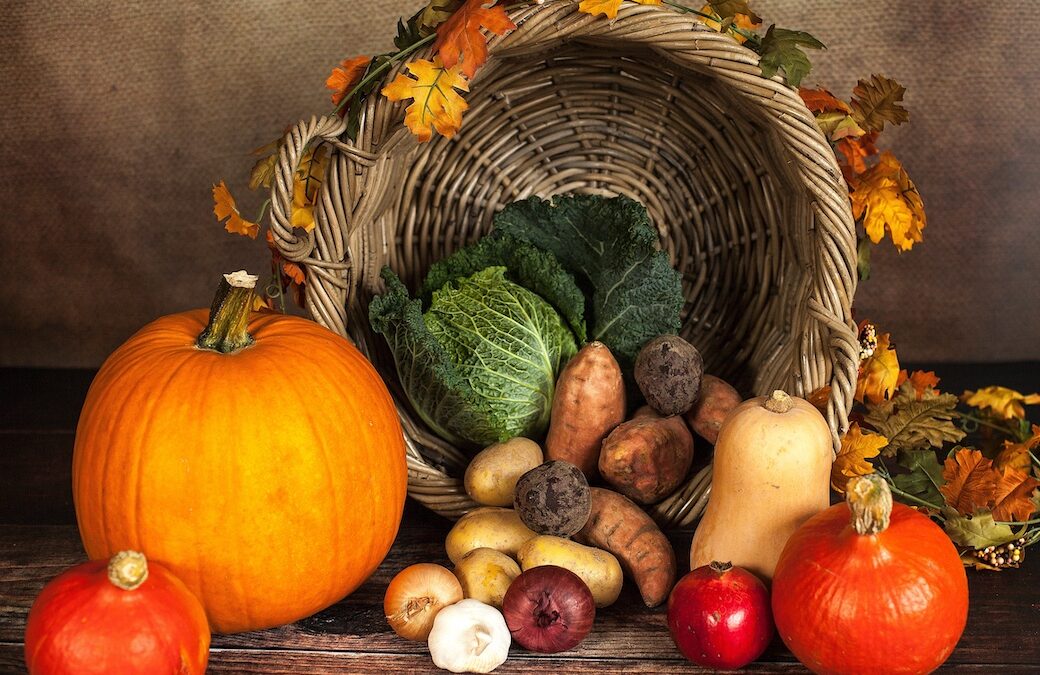
The light has changed, becoming softer and more golden, and the first misty mornings greet us while many of our feathered friends are preparing for their long journey south. The end of summer is often intensely busy. While apples, pears and pumpkins are ready for the picking, there are also nuts to gather, berries to pick and mushrooms to search for. We preserve, pickle, dry, ferment and store the gifts of the Earth, filling our larders with the food that will sustain us through the coming winter.
Mabon
In Neo-Pagan traditions, the Autumn Equinox is often celebrated as Mabon, one of the eight festivals of the Wheel of the Year. Mabon is a relatively recent name and tradition rather than the name of an ancient Celtic festival, although it draws on older European harvest customs, mythology and seasonal practices. The festival takes its name from Mabon ap Modron, a figure from Welsh mythology, whose story concerns the divine youth Mabon, stolen from his Goddess-mother and imprisoned until he is eventually rescued. Modern Pagan interpretations have associated his story with the descent into darkness and the seasonal turning of the year.
No matter which way we look at it, the Autumn Equinox is a time of balance, harvest and transition, Nature itself iteache us the way.
The plants of the Autumn Equinox
Some plants are particularly prominent at the time of the Autumn Equinox.
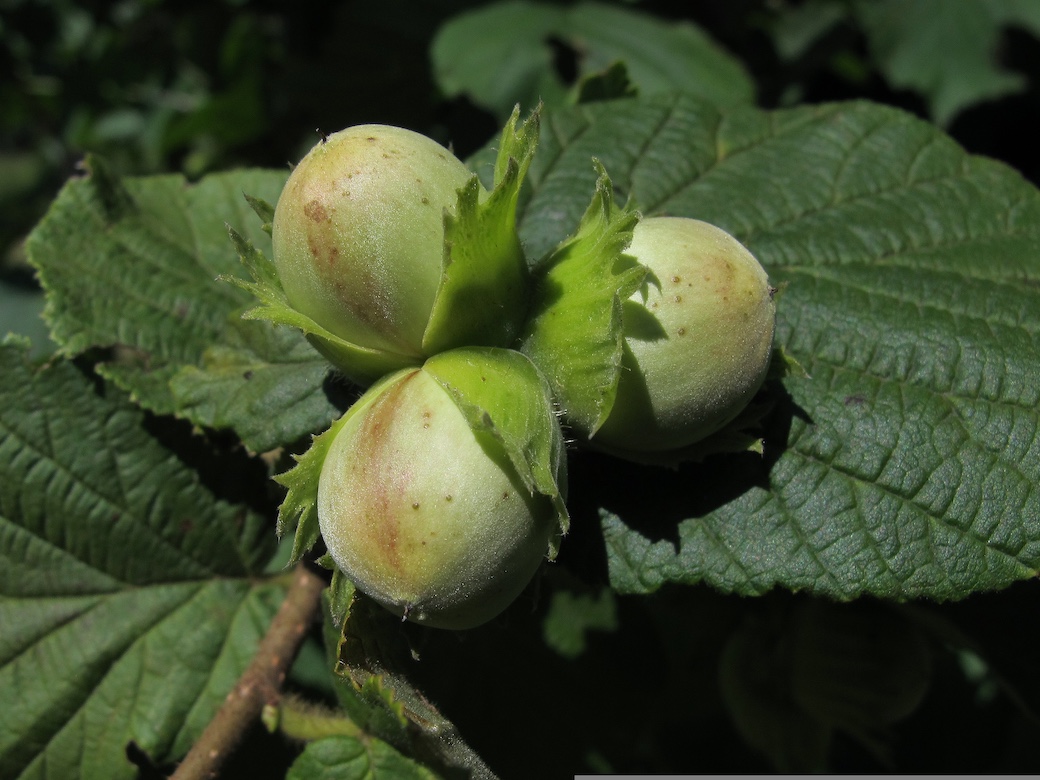
Hazel (Corylus avellana L.)
Hazel is perhaps the quintessential tree of this season. The nuts are ripening in the hedgerows and woodlands, offering a concentrated little package of nourishment just when the abundance of summer is beginning to disappear. Hazel has long been associated with wisdom, knowledge and protection, and there is something wonderfully appropriate about this at the Equinox. We are gathering not only food, but also the resources and knowledge we will need for the darker months ahead.
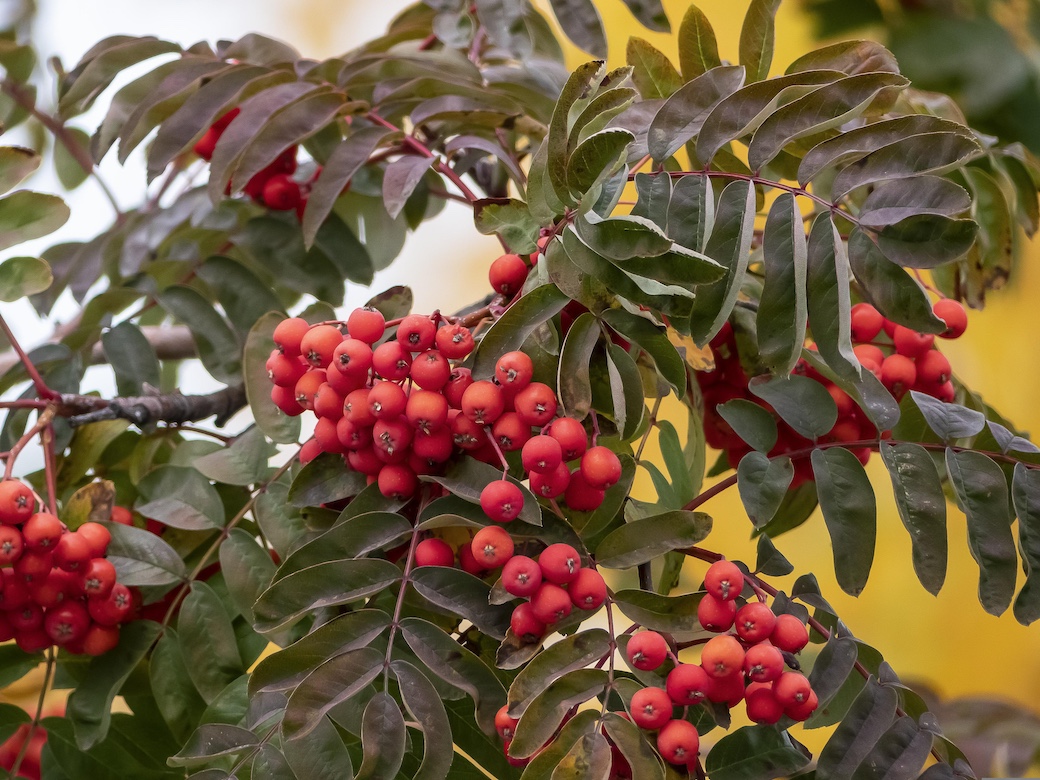
Rowan (Sorbus aucuparia L.)
Rowan brings a flash of brilliant colour to the changing landscape. Its clusters of scarlet berries stand out against the first gold and russet leaves, providing food for birds when many other summer fruits have disappeared. Rowan has a long history of protective folklore, and its presence at this turning of the year reminds us that the hedgerows and woodlands are still giving generously — not only to us, but to the wild creatures with whom we share the landscape.
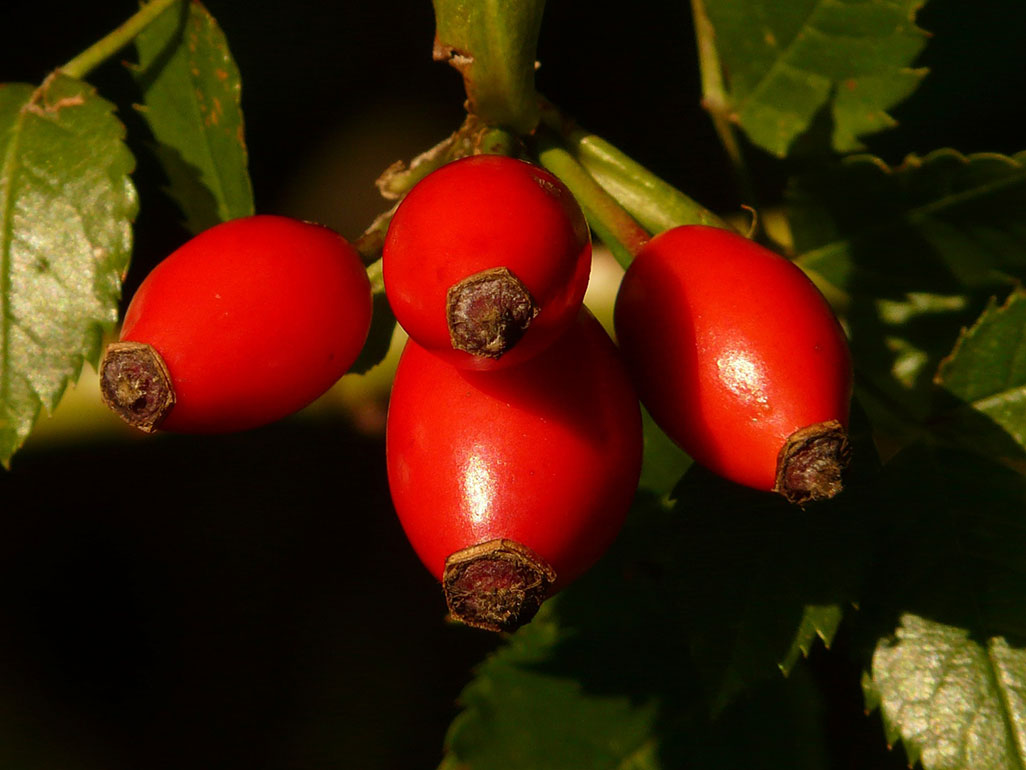
Rosehips (Rosa spp.)
The rosehip tells a different story. The beautiful flowers of summer have vanished, but their legacy remains in the glowing red fruits. Here we can see the seasonal cycle condensed into a single plant: flowering becomes fruit, beauty becomes nourishment, and the energy of summer is transformed into something that can endure into winter.
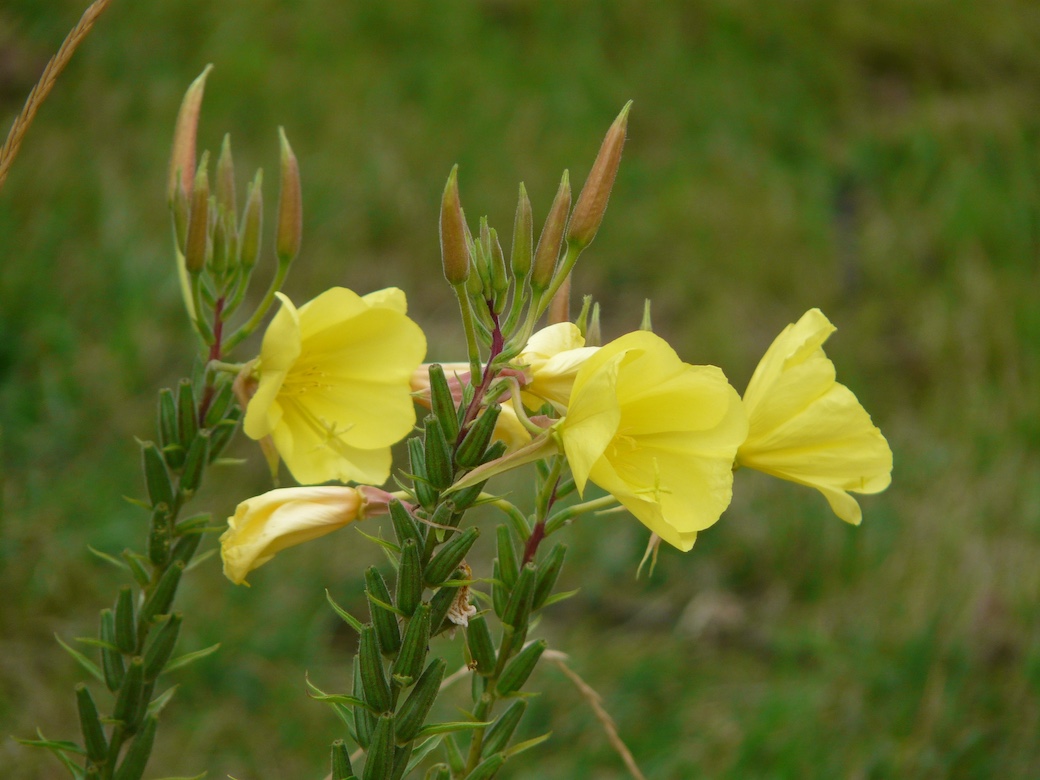
Evening Primrose (Oenothera biennis L)
The tall, lanky stalk with the large, somewhat ghostly, pale yellow flowers, is a familiar sight. But its ephemeral beauty is revealed only at night when the flowers open fully and their subtle scent perfumes the air. Although not a native to Europe, it has become ubiquitous and is very prominent at the end of summer.
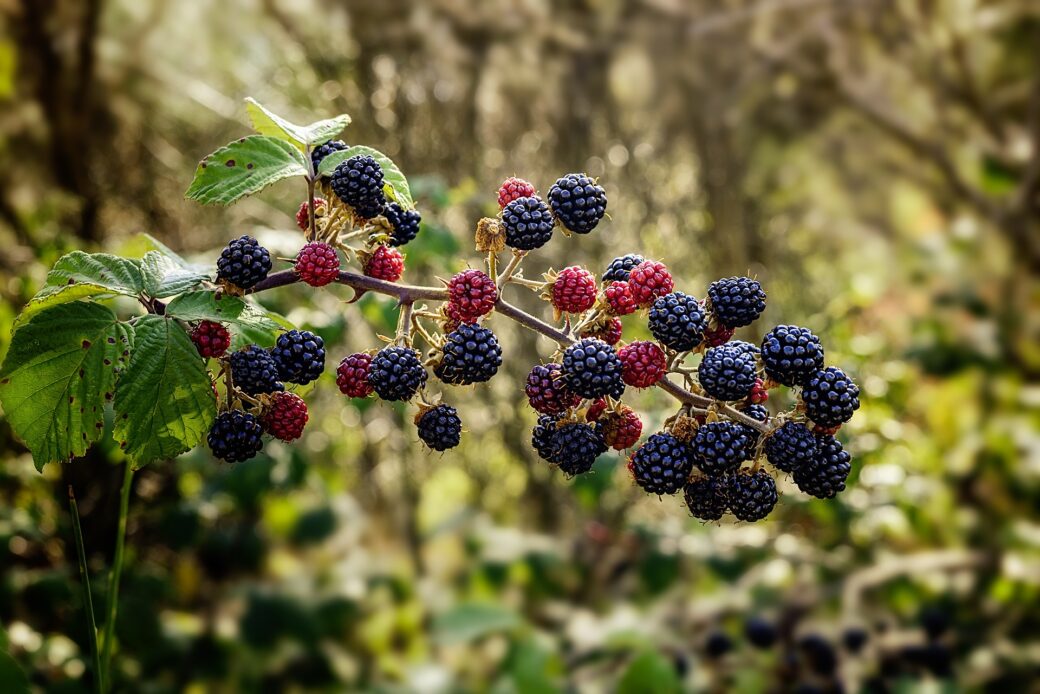
Blackberries (Rubus fructicosus L.)
The last blackberries are another sign that summer is finally letting go. There is something particularly pleasurable about finding a handful of ripe berries tucked among the brambles when the air has already begun to feel distinctly autumnal. They are the last sweetness of summer, reminding us to enjoy what remains rather than rushing ahead into the next season.
The spiritual meaning of Autumn Equinox - A time of balance and preparation
At this turning point, we too begin to change our rhythms. The long days of summer invite us outdoors to play and explore. As the days shorten, our attention naturally begins to turn inwards. We return to work and concentrate on our projects and goals. We gather our materials, organise our homes and prepare for the months ahead.
There is wisdom in this seasonal ebb and flow. Nothing continues to grow forever. Some things need to be completed, harvested and put away. Nature needs to rest.
But the Autumn Equinox is not only about preparation for winter. It is also a moment to pause and appreciate what is here, now and to acknowledge all that we have achieved thus far. Experience this moment consciously.
Take a walk through the woods and notice the hazelnuts beneath your feet. Look for rowan berries glowing among the leaves. Sample the last blackberries and gage the readiness of the rosehips. Watch the changing light, notice the silhouettes of departing birds and listen to the increasing quietness of the landscape.
The world is changing, but it is not dying. It is transforming.
As we gather the harvest, we can also gather the memories, experiences and lessons of the summer. We can give thanks for what has flourished, acknowledge what did not, and decide what is worth carrying with us into the darker season.
Then, when our work is done, it is time celebrate.
Autumn has its own pleasures: a warm kitchen, good food, relief from the intense heat of summer, the return of rain, the smell of fallen leaves, walks through golden woods and the wonderful feeling of coming home from the cold. The darkness is coming, but it is not something to fear. It is part of the great rhythm of the Earth.
A personal reflection
This summer has been fierce. Lugh has thrown a temper tantrum in many places, setting fields and forests on fire and leaving the earth scorched. The harvest is not as plentiful as usual.
There isn't much we can do to change the weather, but it certainly reminds us that we cannot take the gifts of the Earth for granted. The simple rhythm of planting, tending, harvesting and preserving the fruits of our labour for the lean months of winter is one of the foundations of human existence.
Even those of us who do not grow our own food are dependent upon this ancient cycle. The food on our tables, the fruit in our shops and the grain in our bread all begin in the soil, the rain and the hands of those who work the land.
The Autumn Equinox is therefore a good time to pause and remember just how much we depend upon the living Earth — and how little of that abundance is actually within our control.
A prayer for the Autumn Equinox
Although we toil and turn the earth,
it is the Lord and Lady who bring forth growth.
Gratitude to Mother Earth,
who receives the seed
and brings forth the green mantle of nature.
Gratitude to the rain,
that quickens the earth
and swells the fruit.
Gratitude to the Sun,
that brings light into the world.
Gratitude to Nature,
who provides for all our needs.
The rhythm of the seasons hangs in balance —
a space to hold
this moment,
this pause of reflection,
this moment of gratitude,
and the grace of the gods
that gives life to all.