
Nature Notes:
Welcome to the Sacred Earth website!

Hi there! Thanks for stopping by! My name is Kat Morgenstern, and I am delighted that you have found your way here!
I have created the Sacred Earth website as a forum for nature lovers of all stripes. Come and join me on a journey down the garden path, and off into the virtual woods, where we will explore, learn and discover all about the intertwining roots of nature and culture.
No Results Found
The page you requested could not be found. Try refining your search, or use the navigation above to locate the post.
Current issue
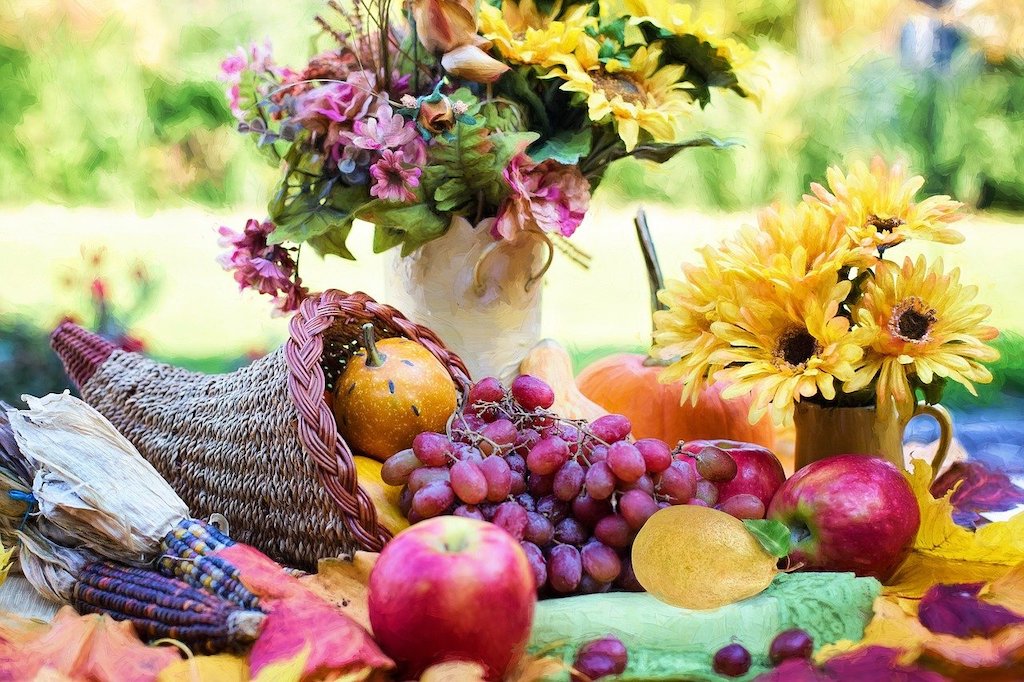
Gardening Jobs in September
Summer is coming to an end, but that does not mean the end of the gardening season. Quite the opposite! It is time to harvest the fruits of your labour! Zucchinis, pumpkins, tomatoes, beans, potatoes and chillies – there is a glut of veggies to harvest now. Often, far more than anyone can eat. To make the most of the harvest, preserve it now for the lean times ahead.
Check out how to preserve the harvest
Extending the season
If you want to extend the season to still harvest some fresh veggies until at least the early part of the winter, you should now sow some winter crops.
Salad ingredients
It’s such a wonderful thing to be able to harvest fresh greens even as nature is winding down and retreating for her winter sleep. You can now sow Miner’s lettuce, Lamb’s Lettuce, Asia salad mix, and cress, and radishes.
Veggies for overwintering
Some veggies also appreciate the early start and can continue to grow through the winter.
Spinach, winter peas, broad beans, winter carrots, and if you live in a mild climate, Swiss chard, can all be sown now. But check the varieties – there are always early and late ones and ones that are winter hardy. That is what you want to sow now. You can also plant onion sets now. They will be ready to harvest in July.
In situ or under glass
If you don’t yet have enough space in your plots, you can start the winter crops indoors or in the cold frame.
Propagating
Now is also the time to take cuttings, so you can propagate your perennials and bushes. Take cuttings from this year’s growth that have not become woody yet. They work best if dipped in rooting hormones before planting them into pots. Mix the soil with perlite or similar to improve the drainage.
Happy gardening!
Image by Jill Wellington from Pixabay
#Ads
Disclosure: As an Amazon Associate, I earn from qualifying purchases on Amazon and other affiliate sites.
Plant Profile:
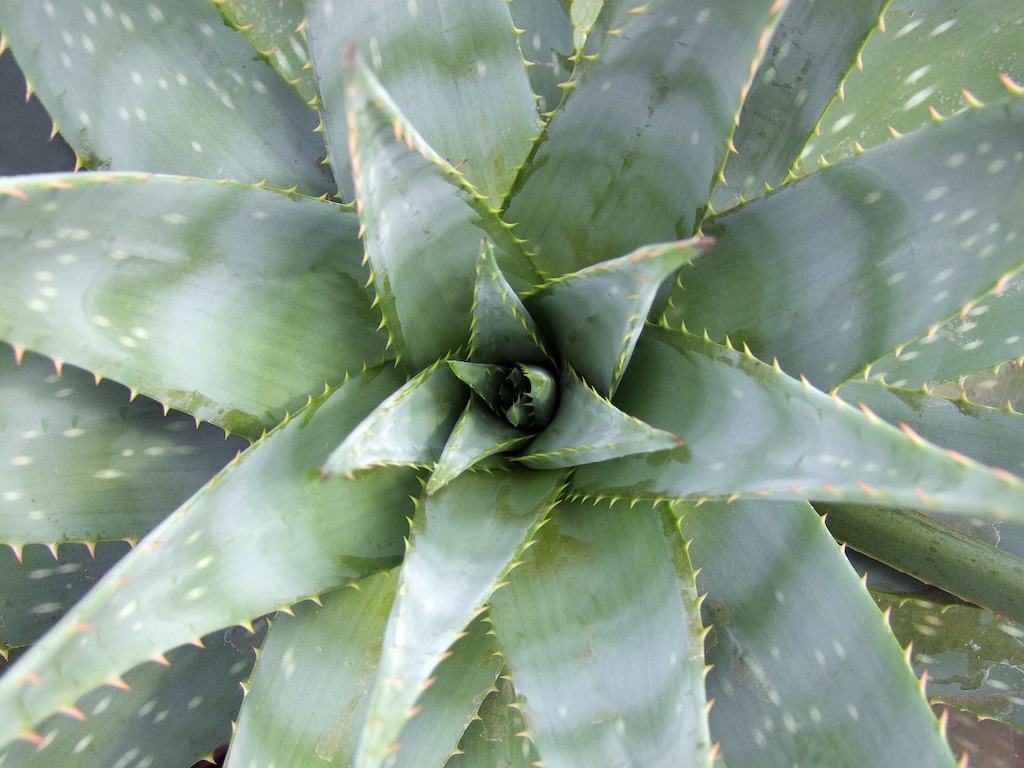
Plant Profile: Aloe vera
u003cpu003eAloe Vera is no longer an exotic stranger. We see it advertised as a popular ingredient in numerous household products, from washing-up liquid to latex gloves, and even razors. Many of us also know the plant itself.u003c/pu003enu003cpu003eAloe Vera is an undemanding, perennial succulent, at home in arid regions of Africa. It is a distant cousin of the century plant, so common in the southwestern United States. Both belong to the order of Asparagales, but do not share the same genus.u003c/pu003e
u003ch3u003eDescription:u003c/h3u003enu003cpu003eAloe Vera’s fleshy, succulent leaves contain a clear, gooey gel-like substance. The leaf margins bear ‘sharp teeth’ to deter casually browsing animals. It loves hot and dry conditions and only ‘wilts’ when over-watered, or exposed to freezing temperatures. Grown in the right conditions, (that is, mostly ignored), the plant will do just fine. It may even send up a central shoot with short tubular yellowish flowers sprouting from the upper part of the spike.u003c/pu003enu003cpu003eThe Aloe genus comprises about 400 species, with Aloe Vera considered the most useful for medicinal purposes. Mature plants contain the most potent healing compounds.u003c/pu003e
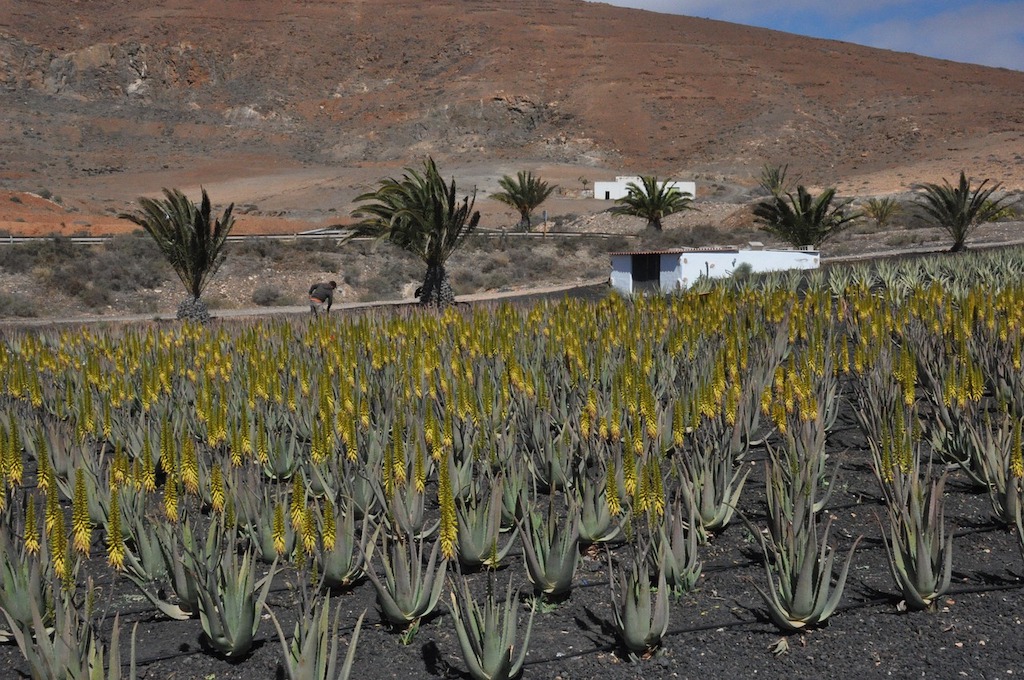
u003ch3u003eHabitat:u003c/h3u003enu003cpu003eAloe Vera is native to arid regions of the north-eastern and southern parts of Africa and Madagascar. But thanks to its tremendous value as a healing plant, it has spread to arid regions throughout the world. Today it is widely cultivated around the world, including in North America, Japan and China.u003c/pu003e
u003ch3u003eHistoryu003c/h3u003enu003cpu003eAloe Vera is a truly wonderful plant, with a well-established reputation as a medicinal plant, that is particularly useful for skin conditions, minor cuts, abrasions and burns. The dried latex, a well-known laxative, is distinct from the gel. It derives from a yellow juice that is contained in the pericyclic tubules of the inner leaf.u003c/pu003enu003cpu003eAlthough Aloe has been in documented use for at least 3500 years, there is a lot of controversial and contradictory information about it.u003cbr /u003eIt was first mentioned in the famous Egyptian Ebers Papyrus, which dates back to 1500 BC and is widely regarded as one of the earliest documents on what was to become the western Materia Medica. More than likely, Aloe Vera’s use was well-established long before it was recorded. In the hot and dry countries of Northern Africa and the Middle East, Aloe Vera served as a soothing household remedy for sunburns and a ready-to-use moisturizing cosmetic lotion.u003c/pu003enu003cpu003eSome confusion surrounding this plant stems from the fact that it is still frequently mistaken for lignum Aloes or Wood-Aloes, which is an entirely different species of plant. Although abundantly mentioned in the Bible as an incense ingredient and constituent of embalming oils, Wood-Aloes does not grow in the Mediterranean Basin but is a tree of the genus Aquilaria. Also known as Agar wood, Wood Aloes is native to Southeast Asia. While Aloe Vera latex does transform into a hard substance when dried and is sometimes referred to as ‘Aloe resin’, it is not particularly aromatic and has never been used as incense.u003c/pu003e
u003ch3u003eAloe Vera juiceu003c/h3u003enu003cpu003eIn recent years, ‘Aloe Vera juice’ (as well as a myriad of spin-off products that contain the juice), has become popular. But by their very nature, products are always processed. Aloe Vera juice is no exception. It always contains flavourings and preservatives. In its natural form, Aloe juice (gel) is not very palatable – it is bitter and gooey – not exactly a pleasure to gulp down. It is not hard to see why the ancients didn’t recommend it and only saw it fit as an emergency measure for the treatment of intestinal parasites.u003c/pu003enu003cpu003eCareful handling is of utmost importance as oxidation sets in the minute the leaves are cut, and enzymatic activity begins to destroy some valuable compounds. Traditionally, the leaves are taken to a processing facility as quickly as possible after being cut, ideally in a refrigerated truck. At the processing plant, they are filleted by hand to remove the outer skin. Unfortunately, most of the beneficial compounds are concentrated just beneath, and filleting removes much of what makes the plant so valuable.u003c/pu003e
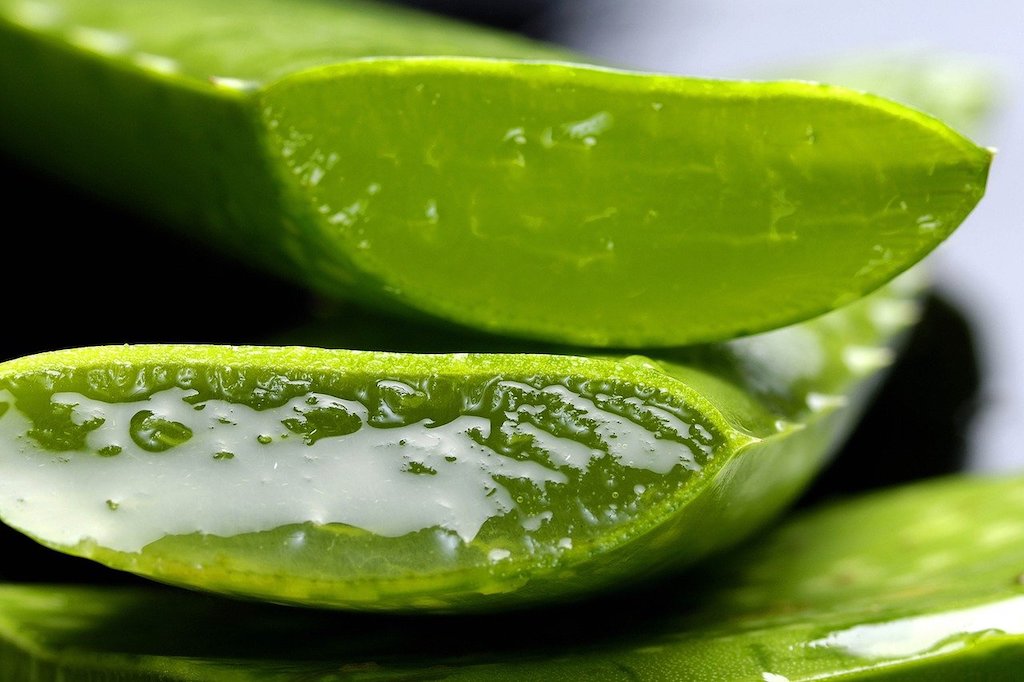
u003ch3u003eModern usesu003c/h3u003enu003cpu003eAloe Vera is best known for its use in topical skin-care applications. But commercial products are not quite as potent as the gel that can be squeezed from a freshly cut leaf, since the natural jelly-like substance is not very stable and deteriorates quickly upon exposure to the air. To preserve its properties and thus extend its shelf-life, manufacturers must process the gel. But processing rarely enhances a natural product. In the case of Aloe Vera, it reduces a ‘miracle plant’ to a mediocre substance with vastly diminished benefits.u003c/pu003enu003cpu003eThis back-story sheds some light on some rather puzzling research results: Aloe Vera’s glowing reputation in folk medicine is not confirmed by research results under laboratory conditions. The reasons for this are a bit complex and are partly due to the lab conditions and partly to the processing methods that are used to ‘preserve’ the gel or to extract its ‘active compound’.u003c/pu003enu003cpu003eBut plants are highly sophisticated when it comes to their biochemistry. Their healing effect is often not due to one simple compound but rather the result of complex interactions, or ‘synergy’ between a host of different compounds.u003c/pu003enu003cpu003eConventional preservation methods involve pasteurization: heating the gel to a high temperature, thus destroying many of the more fragile components. Chemical preservatives are added, further adulterating the original substance. Understandably, the result is rather disappointing, leading researchers to conclude that Aloe’s benefits may have been exaggerated. But one could equally conclude that we simply lack proper processing methods to preserve the natural composition of fresh Aloe Vera gel.u003c/pu003e
u003ch3u003eProcessingu003c/h3u003enu003cpu003eIn recent years, more efficient processing methods have been developed. A cold process that dissolves the green cellulose parts of the leaf, leaves the biochemical activity of the gel substance intact, including the aloin, a yellow bitter laxative compound that is found just underneath the outer skin. Additional processing involves adding various anti-oxidants, as oxygen initiates the deterioration and breakdown of the gel and promotes the development of aerobic bacteria. Finally, the pulp is separated from the liquid part, a carbon compound is added to help filter out the aloin. The carbon compound is subsequently removed. In the last step, the liquid is exposed to ultraviolet light that destroys any bacteria.u003c/pu003enu003cpu003eThis method still requires stabilizing compounds to be added to the final product, but it is a great improvement to conventional extraction processes, which only processed the gel and relied on heat treatment for sterilization.u003c/pu003enu003cpu003eAn alternative whole-leaf extraction method involves the same cold process leaf processing described in the first step above, but then utilizes short duration low temperature-controlled sterilization techniques to kill off bacteria, eliminating the need for additional chemicals. The resulting gel is concentrated in a vacuum chamber and dehydrated to yield a water-soluble compound that retains the biochemical activity indefinitely without using preservatives. This is currently regarded as the most efficient method. Although heat is used in the process, it is closely controlled and never reaches more than 65°C applied for less than 15 minutes at a time. Longer exposure and higher temperatures would deteriorate the final product.u003c/pu003enu003cpu003eIt is easy to see that what you get at the store is not the same as the natural product straight from the plant. It is important to read the label and evaluate the extraction method to determine its quality. There are huge differences between manufacturers.u003c/pu003enu003cpu003eA self-regulating body of producers certifies Aloe Vera products according to industry standards of quality control. Their seal of approval is meant to reassure consumers. However, due to the different processing methods, certification is not a gold standard.u003c/pu003e
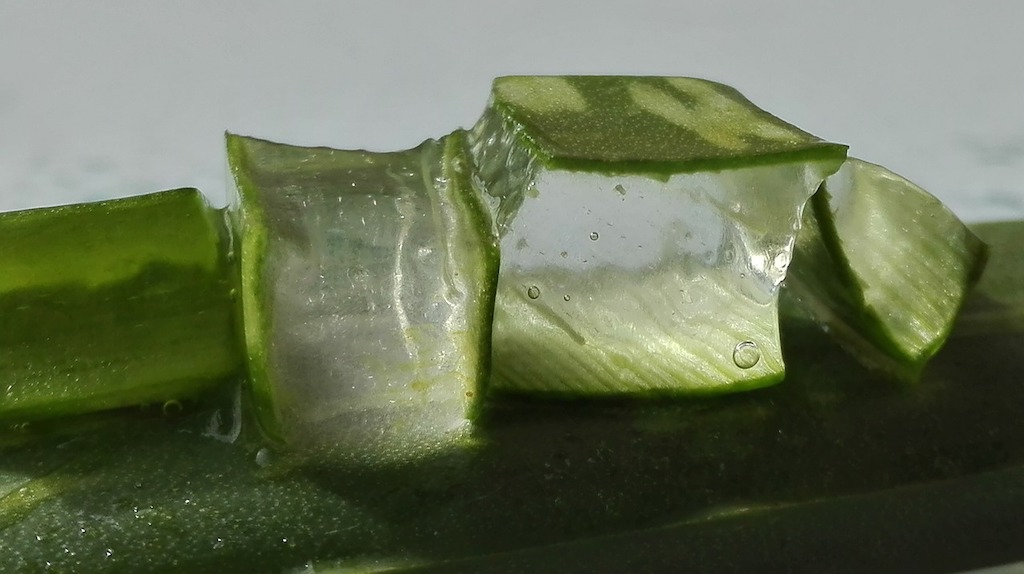
u003ch3u003eMedicinal Usesu003c/h3u003enu003cpu003eParts used: resin, gel extracted from the leafu003cbr /u003eConstituents: Hydroxyanthracene derivatives of the anthrone type (principally barbaloin); 7-hydroxyaloin isomers, aloe-emodin, chrysophanol and their glycosides; chromone derivatives (aloesin and its derivatives aloe resins A and C, and the aglycone aloesone. Gel: glucomannan (a polysaccharide), steroids, organic acids, enzymes, antibiotic principles, amino acids, saponins, minerals.u003cbr /u003eActions: latex: cathartic, laxative, emmenagogue, digestive stimulantu003cbr /u003eGel: immune system stimulant, skin healing, anti-irritant, moisturizing, anti-canceru003cbr /u003eIndicationsu003c/pu003enu003cpu003eTraditionally, Aloe Vera gel is used as a soothing topical application for sunburns and minor burns, abrasions, acne, psoriasis, shingles and even cold sores. The fresh gel squeezed from the leaf and applied directly to the affected areas is most potent. Its skin repair qualities on burns and sunburns are truly remarkable – healing occurs quickly and without scarring. The gel is also used to reduce stretch marks and scarring in wound care. It even protects the skin against the immune suppressant effect of ultraviolet light – thus it can also be used as a protective sunscreen lotion. Aloe Vera gel is a highly valued additive for moisturizing cosmetic preparations and is praised for rejuvenating the skin by stimulating the synthesis of elastin and collagen.u003c/pu003enu003cpu003eExternal application of Aloe gel penetrates the skin directly and produces a soothing, pain-relieving anti-inflammatory effect on arthritic joints and tendonitis.u003c/pu003enu003cpu003eFor internal use, Aloe Vera latex preparations are usually mixed with antispasmodic herbs to reduce the cramping effect of its laxative action. Used by itself, the cathartic action could be rather painful. The latex also stimulates the uterus, thus promoting menstrual flow. Aloe containing laxatives should be avoided during pregnancy.u003c/pu003enu003cpu003eLaboratory studies on mice have demonstrated high-quality Aloe Vera juice to be an effective immune system stimulant in the treatment of certain types of cancer and HIV. Further studies are underway.u003c/pu003enu003cpu003eAloe juice has a healing and balancing effect on the digestive system: it improves the absorption of nutrients and the elimination of toxins. This promotes overall cell nutrition and activates the body’s self-healing powers and enhances energy levels. It can also relieve gastrointestinal problems associated with peptic or duodenal ulcers. It stimulates regular bowel evacuation and soothes colitis and irritable bowel syndrome. Many chronic conditions have a component of digestive imbalance that trigger secondary symptoms due to malabsorption and cellular malnutrition. Aloe Vera juice can help to restore balance to the entire digestive system.u003c/pu003enu003cpu003eAloe Vera juice also appears to benefit the liver and kidneys. It lowers levels of blood lipids (cholesterol) that can clog up the arteries and can cause coronary heart disease. And, it also has a positive effect on blood sugar levels, which can make it a useful nutritional supplement for diabetics.u003c/pu003e
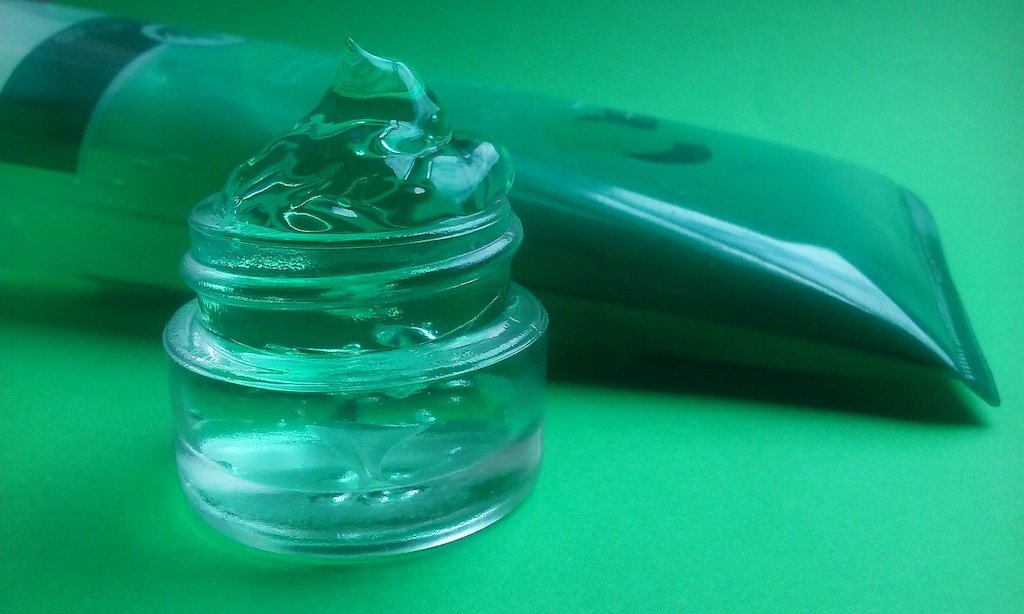
u003ch3u003eHome-made cosmeticsu003c/h3u003enu003cpu003eIf you wish to incorporate Aloe’s healing benefits into home-made skincare products, you can use the gel to replace all or a portion of the liquid in your recipe. However, beware that unprocessed Aloe Vera gel is not very stable and won’t keep long. Make small batches only, and store them in the fridge for a few days. For maximum benefit, skincare preparations should contain at least 20-40% of gel. If you have a fresh plant at your access, you can simply cut off a bit of a leaf and apply it straight to the skin.u003c/pu003enu003cpu003eu0026nbsp;u003c/pu003enu003ch3u003eGrow your ownu003c/h3u003enu003cpu003eAloe Vera is one of those plants that everybody should have at their access as an immediate first aid remedy for burns and minor cuts. Growing it is easy, as it is a very undemanding plant. Just don’t over-water it and protect it against freezing temperatures. It loves the sun but will also grow in the semi-shade, nor does it need particularly rich soil. Well draining, sandy soil will do.u003c/pu003enu003cpu003eu0026nbsp;u003c/pu003enu003ch3u003eCaution:u003c/h3u003enu003culu003enu003cliu003eDo not use Aloe Vera based laxatives during pregnancy. The juice may also contain traces of aloin above what would be deemed safe during pregnancy.u003c/liu003enu003cliu003eConsult with your health advisor regarding possible interference with prescription drugs if you intend to use Aloe Vera internally.u003c/liu003enu003cliu003eRare cases of allergic reactions to the latex have been reported – even for external use.u003c/liu003enu003c/ulu003enu003cpu003eThe quality of Aloe Vera gel or juice very much depends on the manufacturing process. Some products that are currently on the market have little or no medicinal value. Do your research before spending a lot of money on what may turn out to be an inert substance. Whole-leaf extracts are recommended. Look for the International Aloe Science Council certificate for quality assurance.u003c/pu003enu003cpu003eu0026nbsp;u003c/pu003enu003cpu003eu0026nbsp;u003c/pu003enu003cpu003eu0026nbsp;u003c/pu003enu003cpu003eu0026nbsp;u003c/pu003e
u003cpu003eImage credits:u003c/pu003enu003cpu003eTitle Image by u003ca href=u0022https://pixabay.com/users/elstef-3091248/?utm_source=link-attributionu0026amp;utm_medium=referralu0026amp;utm_campaign=imageu0026amp;utm_content=5282305u0022u003eElstefu003c/au003e from u003ca href=u0022https://pixabay.com/?utm_source=link-attributionu0026amp;utm_medium=referralu0026amp;utm_campaign=imageu0026amp;utm_content=5282305u0022u003ePixabayu003c/au003eu003c/pu003enu003cpu003e(1) Image by u003ca href=u0022https://pixabay.com/users/fbnicod-9537078/?utm_source=link-attributionu0026amp;utm_medium=referralu0026amp;utm_campaign=imageu0026amp;utm_content=4582288u0022u003eFrançoise BERNARD-NICODu003c/au003e from u003ca href=u0022https://pixabay.com/?utm_source=link-attributionu0026amp;utm_medium=referralu0026amp;utm_campaign=imageu0026amp;utm_content=4582288u0022u003ePixabayu003c/au003eu003c/pu003enu003cpu003e(2) Image by u003ca href=u0022https://pixabay.com/users/casellesingold-4881038/?utm_source=link-attributionu0026amp;utm_medium=referralu0026amp;utm_campaign=imageu0026amp;utm_content=2163120u0022u003eFranziska Ingoldu003c/au003e from u003ca href=u0022https://pixabay.com/?utm_source=link-attributionu0026amp;utm_medium=referralu0026amp;utm_campaign=imageu0026amp;utm_content=2163120u0022u003ePixabayu003c/au003eu003c/pu003enu003cpu003e(3) Image by u003ca href=u0022https://pixabay.com/users/mozo190-8827607/?utm_source=link-attributionu0026amp;utm_medium=referralu0026amp;utm_campaign=imageu0026amp;utm_content=4268795u0022u003emozo190u003c/au003e from u003ca href=u0022https://pixabay.com/?utm_source=link-attributionu0026amp;utm_medium=referralu0026amp;utm_campaign=imageu0026amp;utm_content=4268795u0022u003ePixabayu003c/au003eu003c/pu003enu003cpu003e(4) Image by u003ca href=u0022https://pixabay.com/users/lovesevenforty-14413/?utm_source=link-attributionu0026amp;utm_medium=referralu0026amp;utm_campaign=imageu0026amp;utm_content=2417091u0022u003eJenny Porteru003c/au003e from u003ca href=u0022https://pixabay.com/?utm_source=link-attributionu0026amp;utm_medium=referralu0026amp;utm_campaign=imageu0026amp;utm_content=2417091u0022u003ePixabayu003c/au003eu003c/pu003e
More articles:
No Results Found
The page you requested could not be found. Try refining your search, or use the navigation above to locate the post.