
Sacred Earth
Exploring Nature and Culture
Nature Notes:
No Results Found
The page you requested could not be found. Try refining your search, or use the navigation above to locate the post.
Current issue
Making Fruit-Wines, Liqueurs & Rumtopf
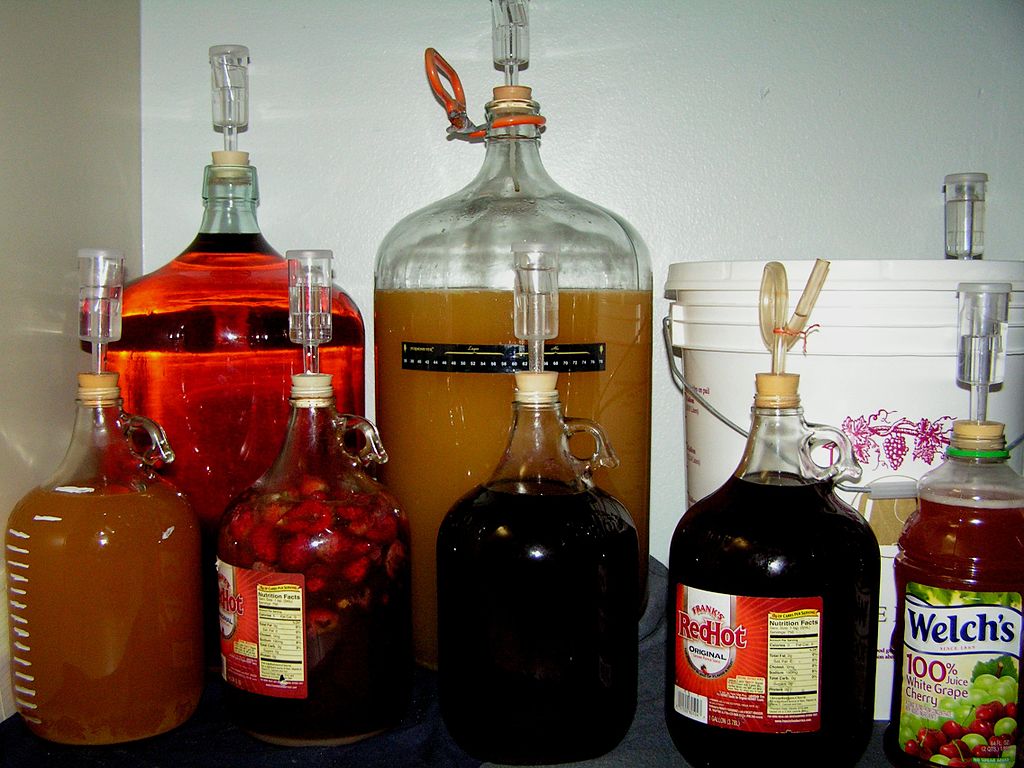
It's harvest season, a busy time for making jams, cakes, preserves and pickles.
Unfortunately, there is only so much jam and cake you can eat.
But hey, there is still something else you can do with all that abundance of fruit!
Traditionally, surplus fruit was distilled into fruit brandy. The Black Forest, for example, is famous for its Kirschwasser, but there are dozens of similar fruit brandies made from plums, raspberries, bilberries, pears, apples, apricots — you name it.
Inconveniently, home distillation is illegal in many parts of the world, so we won't get into that topic here. What we will be looking at is how to make delicious country wines and liqueurs.
Foraging:
Foraging Wild Asparagus
Foraging Wild Asparagus – A Forager’s Treasure Hunt
Spring is underway, bringing with it its characteristic mixed-bag weather patterns. In some regions, winter stubbornly clings; in others, it’s long forgotten. Where I am, it has not quite sprung, but regardless, there are signs of its imminent arrival. Wild asparagus is sending up its tender shoots, and they are ready for the picking.
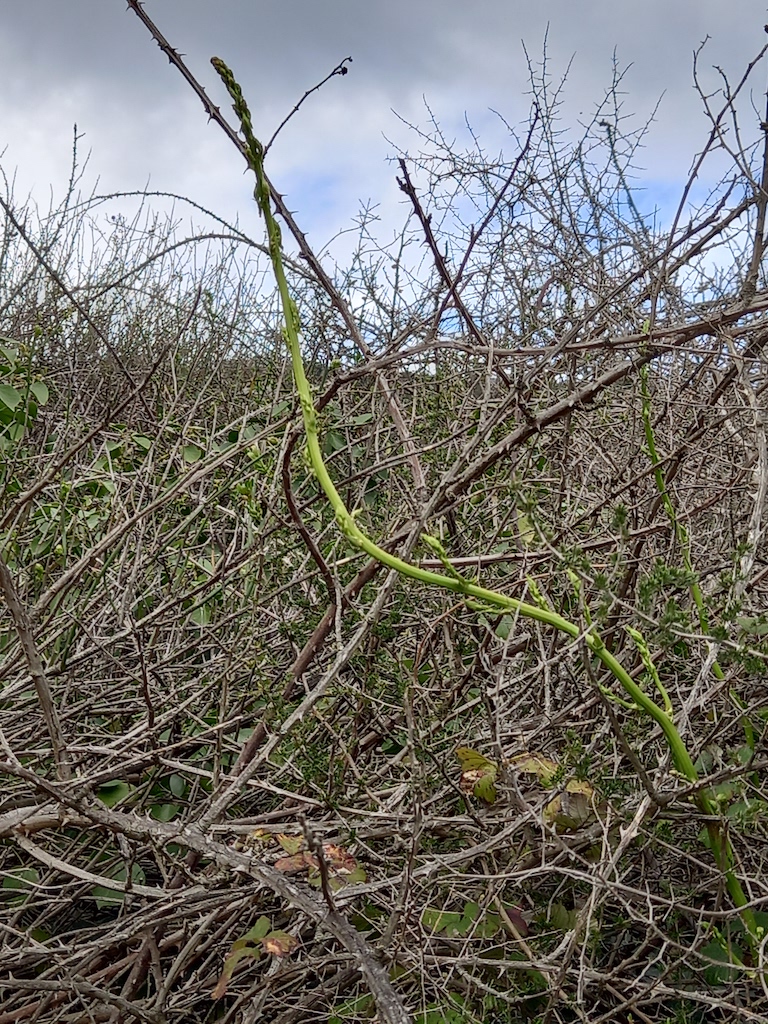
While cultivated asparagus typically debuts in May, the wild variety emerges earlier, rewarding keen-eyed foragers with its tender, flavourful spears. Unlike other foraging activities, hunting for wild asparagus is an experience akin to mushroom picking. It requires patience, a trained eye, and a knack for spotting the elusive spears hidden among the prickly thickets of its parent plant and dense undergrowth. Many aspiring foragers walk right past them, oblivious to their presence, until the shoots bolt and become too woody to enjoy as food. But once you develop a sense of the season and get to know their elusive hiding spots, foraging for wild asparagus becomes a thrilling treasure hunt that can lead you to unexpected places.
Where to Find Wild Asparagus
Wild asparagus thrives in a variety of habitats, depending on the species. It favours well-drained soil and typically grows in ditches, riverbanks, and alluvial plains where moisture is abundant but not stagnant. Most species prefer full sun, but some can tolerate semi-shaded areas and heavier soils.
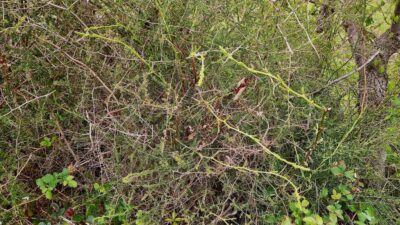
Although its appearance is distinctive, wild asparagus can be tricky to spot. Foraging legend Euell Gibbons, in his classic book Stalking the Wild Asparagus, offers a useful tip: look for last season’s dead asparagus brush, which often serves as a clue to the presence of fresh spears. This method works well for the tall, upright-growing variety, which is often an “escaped” garden asparagus. But, true wild asparagus, Asparagus acutifolius, a native of the Mediterranean Basin, presents a greater challenge. It has a scrambling growth habit, weaving through undergrowth or along the ground. It takes a trained eye to spot the sneaky, snaky spears as they pop through the thicket of older plants.
The History of Wild Asparagus
Wild asparagus is most commonly found in southern Europe, particularly in Spain, Italy, and France. Escaped cultivated asparagus is also found in northern regions, particularly near historical centres of their cultivation. Birds play a key role in dispersing their seeds, aiding their spread far beyond their original habitat.
Asparagus has an ancient history, with records indicating its use in Egypt, Greece, and Rome. The Romans likely introduced it to Northern Europe, where it became a sought-after delicacy thought fit for kings but not peasants. Old herbals praise asparagus not only as a culinary delight, but also as a medicinal plant, valued for its diuretic and cleansing properties.
Nutritional and Medicinal Benefits
Though wild asparagus is no longer widely used medicinally, its health benefits are worth mentioning. Asparagus, wild or cultivated, is a potent diuretic. It stimulates the kidney and liver function while helping to eliminate toxins. Just what the doctor calls for as a spring tonic. It is also rich in vitamins, antioxidants, and fibre, but if too much is consumed, it can rob the body of calcium. (Not a worry for wild asparagus – it is unlikely we will ever find enough of it to cause any such deficits in the body.)
Traditionally, asparagus has been associated with aphrodisiac qualities—a claim that may be linked as much to its suggestive appearance as to any actual physiological effects. But the only way to know for sure is to put it to the test!
 How to Prepare Wild Asparagus
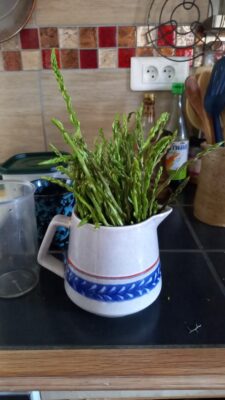
Wild asparagus, particularly the escaped variety, is more slender, tender, and subtly flavoured than its cultivated counterpart. Because of its delicate nature, it requires minimal cooking. Simply trim off the woody ends and lightly sauté the spears or throw them into the pot for the last couple of minutes. They make a delicious addition to omelettes, pasta dishes, and risotto. For a simple, yet divine ‘bonne bouche’, try drizzling them with lemon juice and garlic butter.
Final Thoughts
Foraging for wild asparagus is more than just a way to enjoy a seasonal delicacy—it’s an adventure that deepens your connection with nature. Whether you’re an experienced forager or a curious beginner, the thrill of discovering these hidden treasures makes every spring outing an experience to remember. So, the next time you find yourself wandering through the countryside, keep an eye out for the elusive spears—you might just stumble upon one of nature’s greatest spring delights.
More articles:
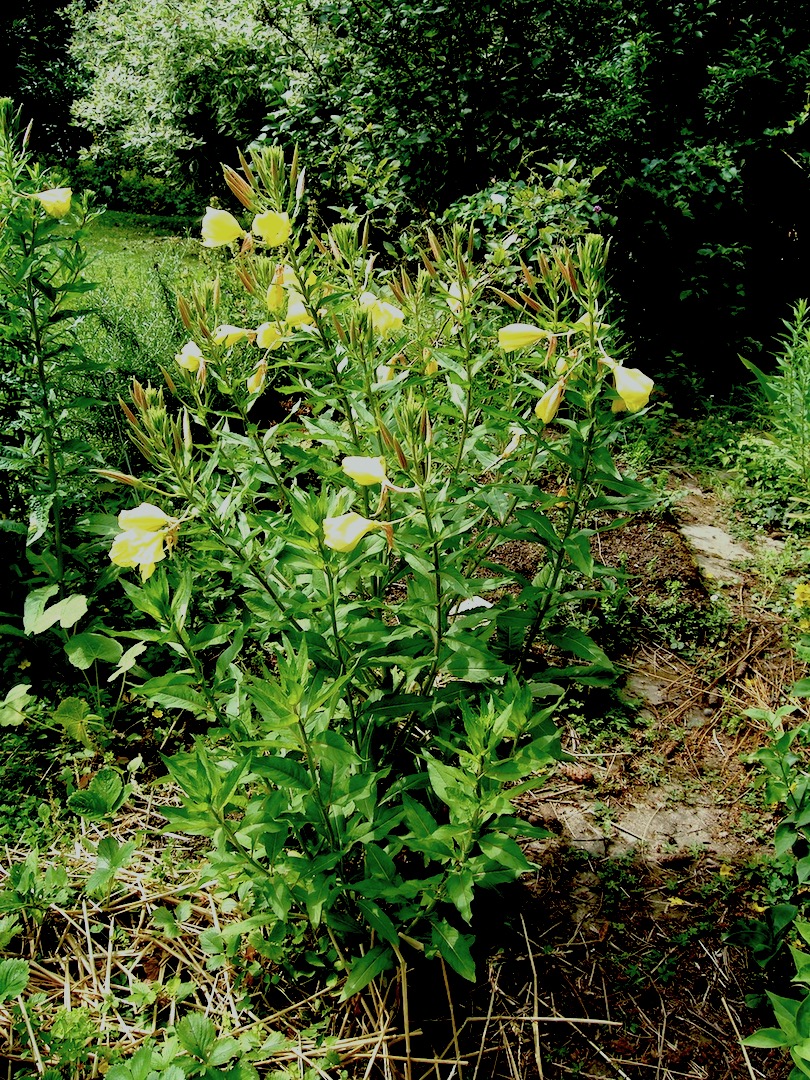
Evening Primrose Oil
Evening Primrose Oil is one of the best sources of Gamma Linoleic Acid (GLA) with valuable therapeutic and medicinal properties.
Gardening Jobs in September
There is plenty to do in the garden in September – not just harvesting and preserving the harvest for later, but also sowing and propagating.
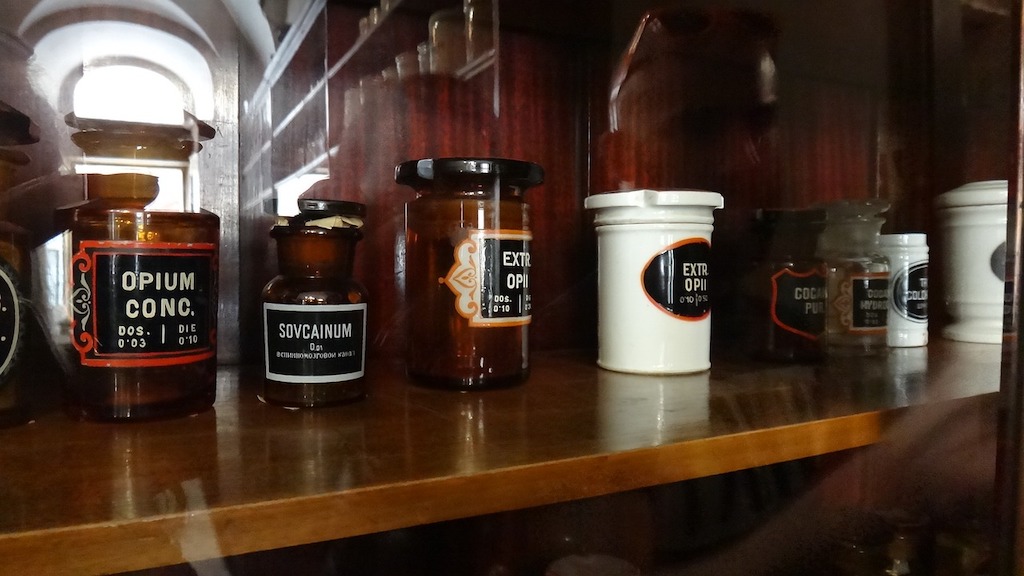
Medicinal Uses of Poppy (Papaver somniferum)
To this day, opium and its derivatives supply us with some of the most effective painkilling agents used in medicine. These substances bring great relief to those suffering from agonizing pain. But they are also dangerously addictive.
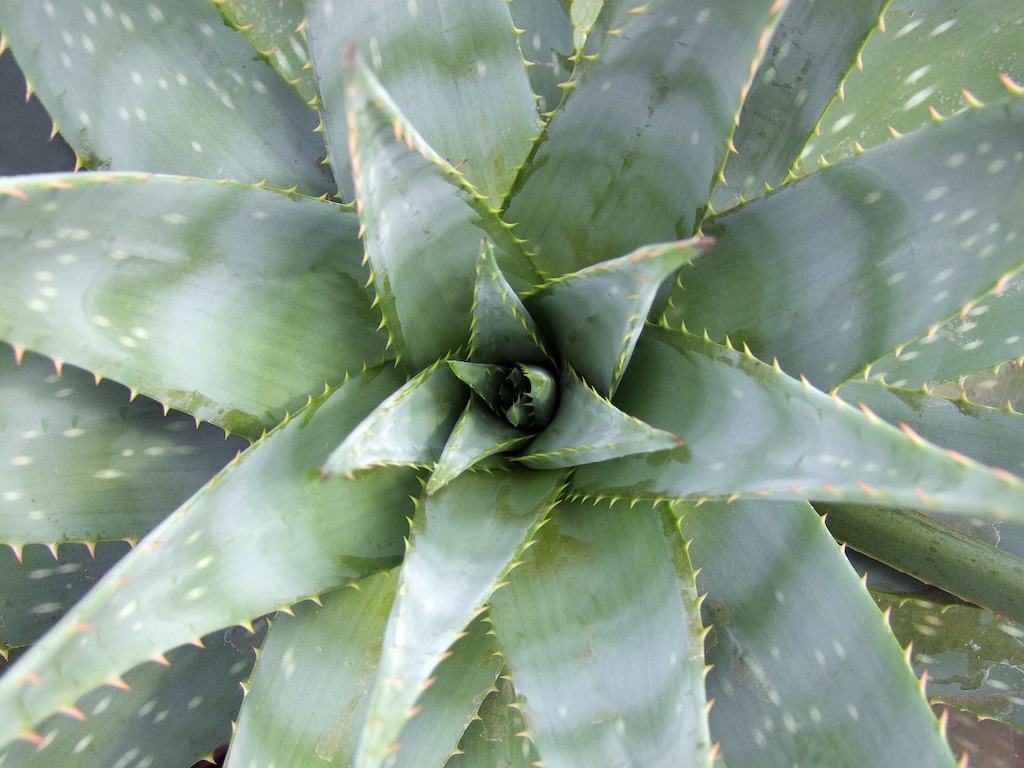
Plant Profile: Aloe vera
Plant Profile Aloe vera – Aloe Vera is no longer an exotic stranger. It has found its way into all kinds of common household products from washing-up liquid to latex gloves, and even razors.
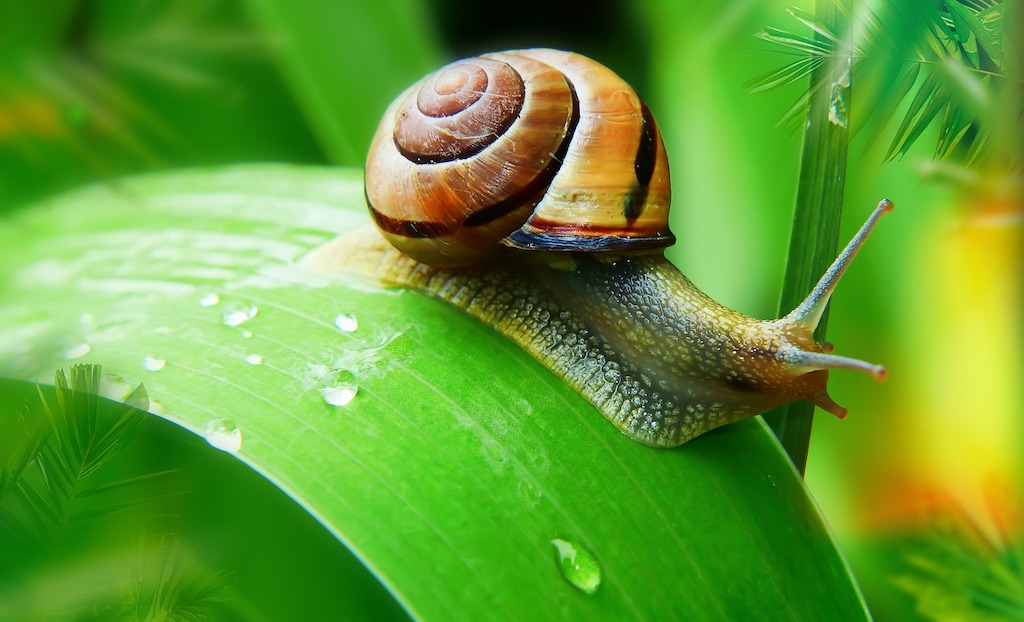
Gardening Jobs in June
If you thought that now the growing season is in full swing you can kick back and relax, you are mistaken. June is a rather busy month in the garden, especially if you want to continue harvesting veggies in the fall and winter.
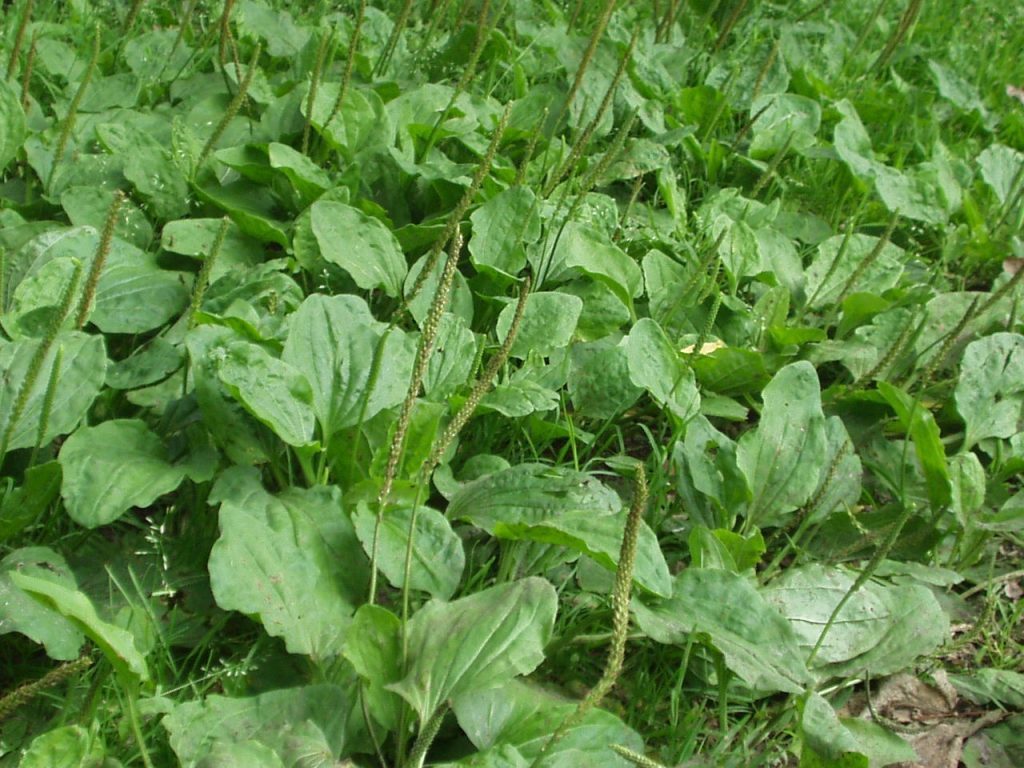
Plantains – Plantago sp.
As masters of adaptation, Plantains are ubiquitous. They have managed to eke out a living in almost every conceivable kind of habitat.
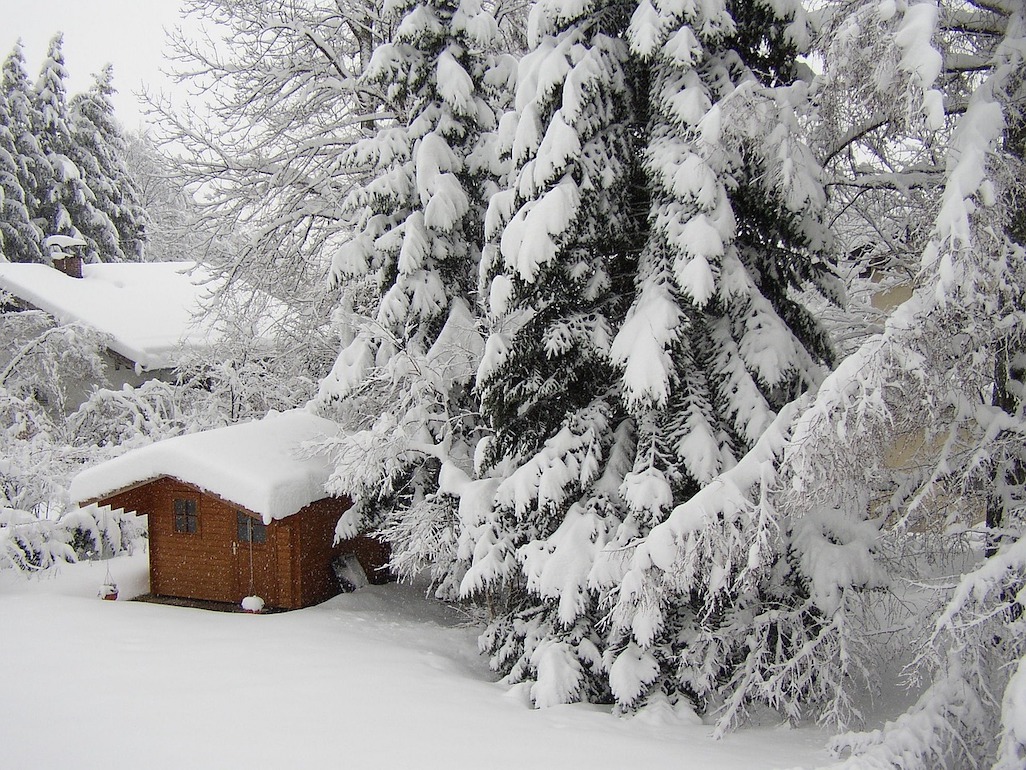
Gardening Jobs in January
It’s January – there isn’t a whole lot to do in the garden at this time of the year, but there is always something. Here are some ideas for impatient gardeners.
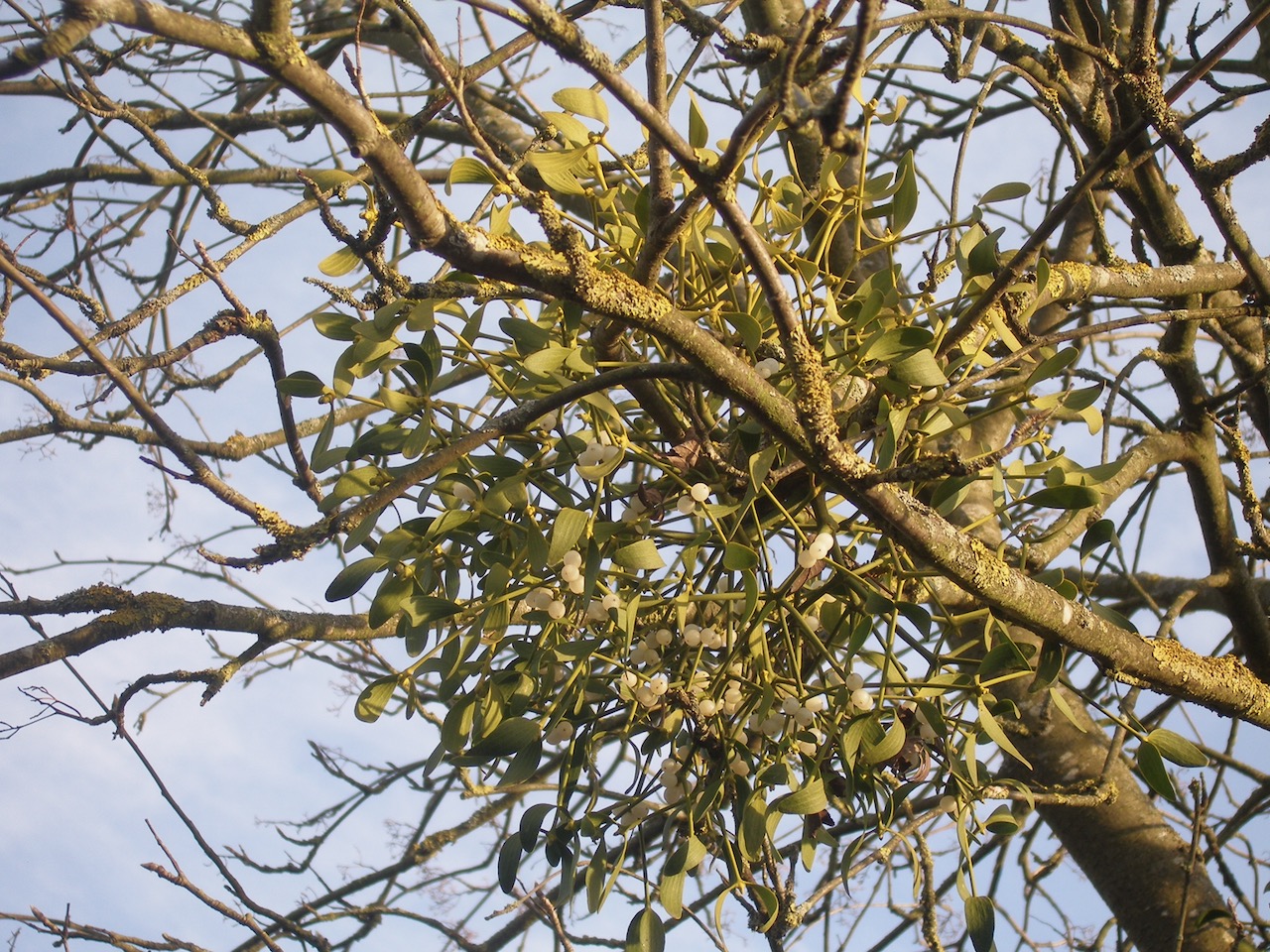
Plant Profile: Mistletoe – Viscum album
Plant Profile: Mysterious Mistletoe. This strange evergreen plant has a fascinating mythology and some very interesting medicinal uses, too.
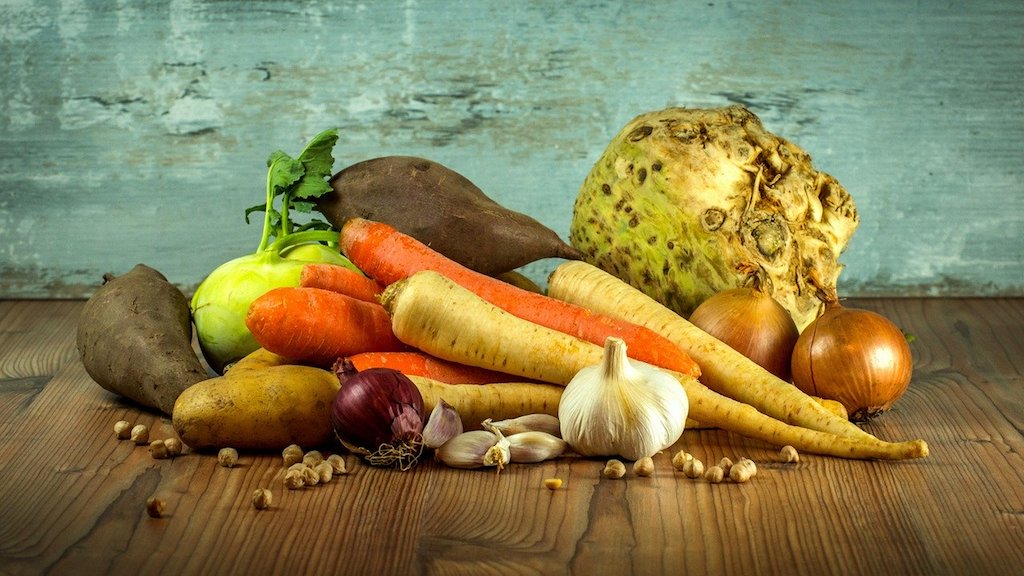
Let Your Foods Be Medicines
Nutrition plays a vital part in maintaining good health. Common foods have healing properties, yet, are much safer to use than chemically more potent drugs.
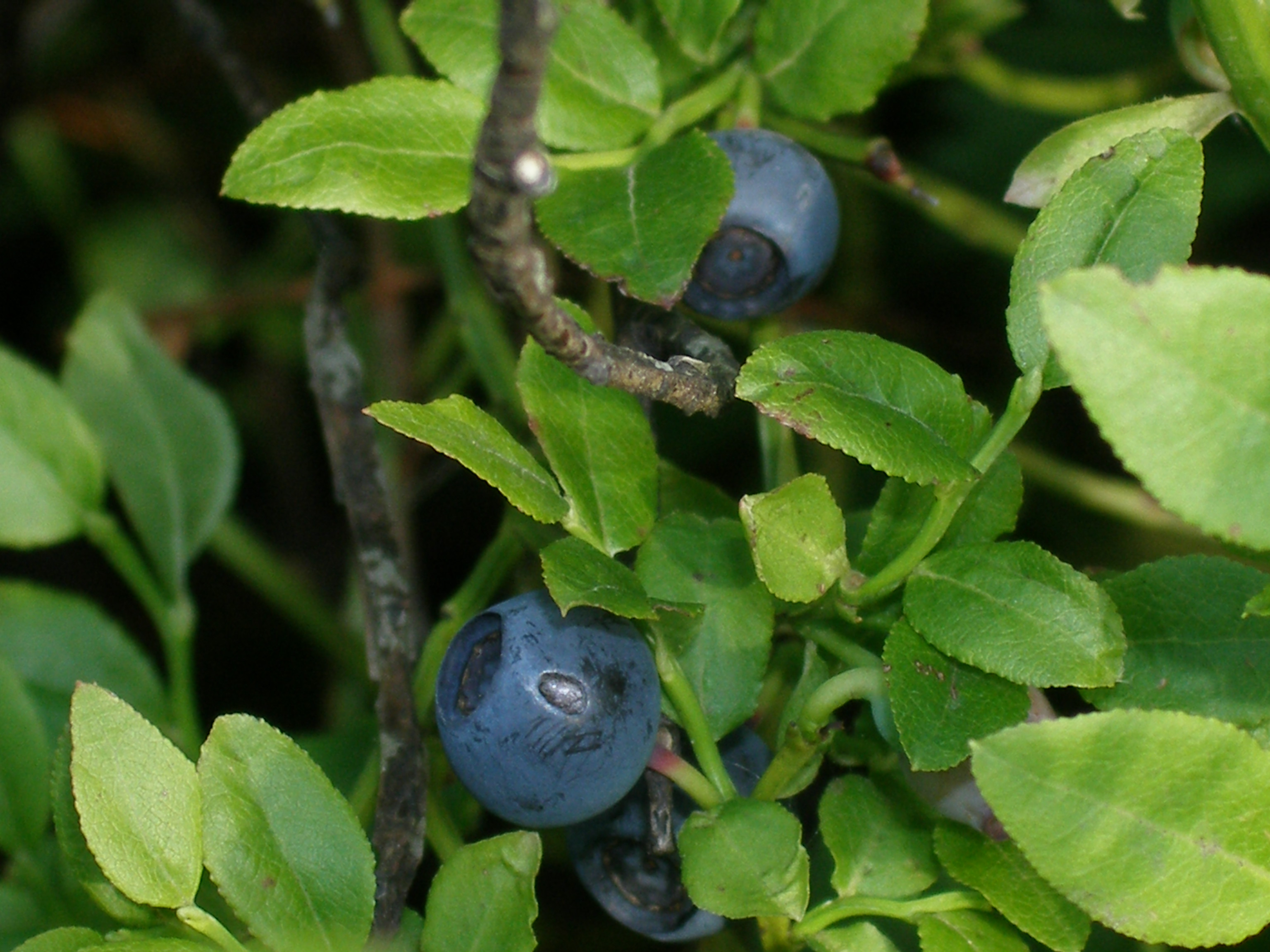
Blueberries (Vaccinium myrtillus)
Summer is berry bliss. Bilberries are not just delicious but also incredibly healthy. Medicinal information and recipes.
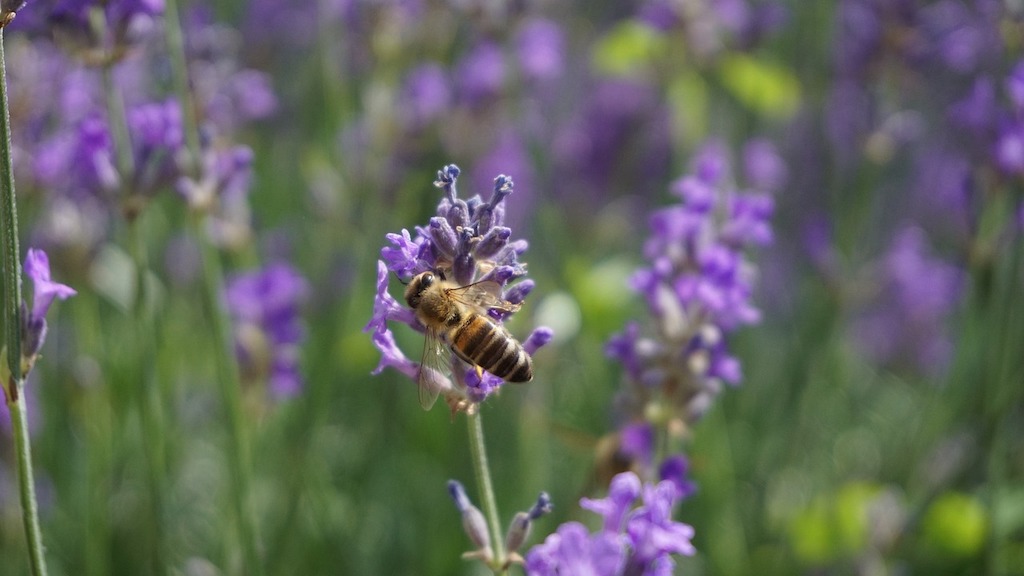
What are Essential Oils?
What are essential oils? History and uses of essential oils, methods of extraction, various applications, and any potential concerns
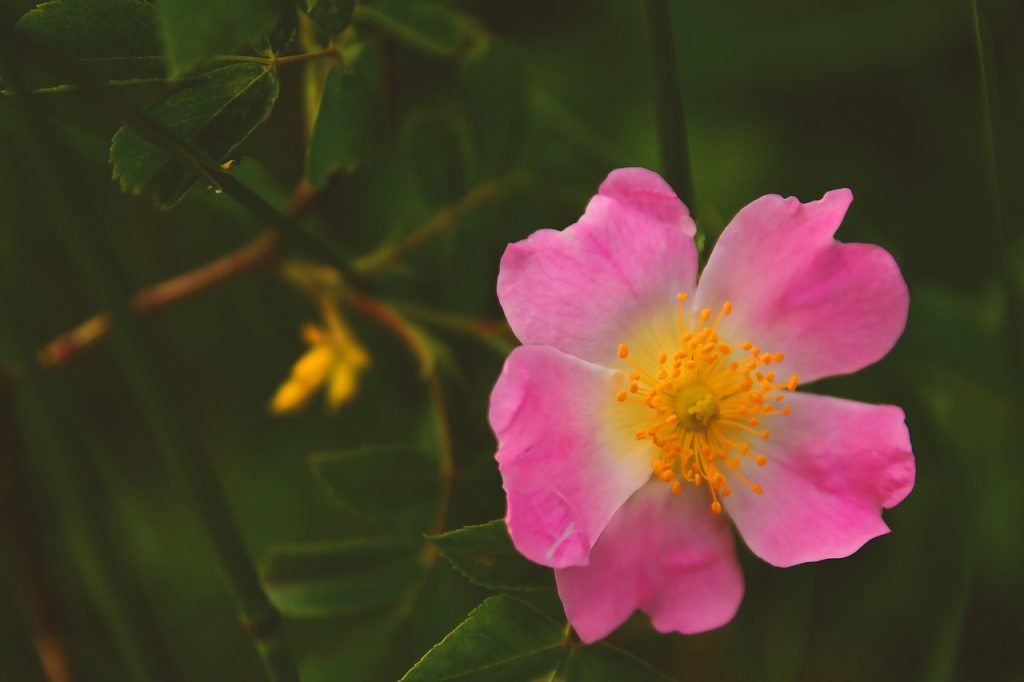
Plant Profile: Medicinal Uses of Rose
Roses have long been valued for their various medicinal benefits. The petals are rich in essential oils, while the rosehips are rich in vitamins. The seeds are a valuable source of GLA