Gardening Jobs in January

Gardening Jobs in January

Winter is a trying period for gardeners. At the latest, by the middle of the month, they are itching to do SOMETHING in the garden! But the life-juices are dormant beneath the surface, the ground is frozen and covered in snow. There isn't a lot to do. But there is always something.

Prepping


Cleaning up the Tool Shed

You might also want to use the quiet time to organize the tool shed, and do some maintenance work. Make a note of materials you might need for projects you might be planning for later in the spring.

Planning the garden

Use the quiet time of the year to dream and prepare for the season ahead. What do you want to grow and where? Survey and organize your seed library and make a plan: What would you like to grow this year? What worked well last year? Maybe there are some new varieties you would like to try? Check your favorite seed suppliers and get your order in early.

Start planning - find seeds at Seeds Now

Or join the Seed Exchange network: https://exchange.seedsavers.org/

For impatient gardeners

If you are really impatient and have a frost-free cold frame, you can start some early varieties of lettuce, kohlrabi, and radishes. Or, if you don’t have a cold frame, why not build one?

If you live in a cold climate zone and want to grow species that normally grow in much warmer regions, such as aubergines or peppers, you could start them off early. A corner in the basement could be modified and fitted with a grow light. Neutral white light LED strips will work well.

Bird Feeders

Finally, don’t forget the birds. They happily visit your feeder. It is a great joy to watch them, and attracting them to your garden will also help you later when they forage for insect larvae.

Happy gardening!

#Ads

Disclosure: As an Amazon Associate, I earn from qualifying purchases on Amazon and other affiliate sites.

Good Riddance 2020 – Welcome 2021

Good Riddance 2020 – Welcome 2021

Happy New Year, Everyone!

What a strange and difficult year it has been! The Corona-virus pandemic has dominated the news almost from the very beginning of the year, and right up to the end. We are still in the midst of a devastating spike, with both, the danger of an even more virulent version of the virus now in widespread circulation, and several vaccines ready to be administered.

The virus has affected everybody, but in very different ways, depending on age-group, occupation, pre-existing conditions, and where you happen to live. Not only those who actually got sick with it have suffered. The emotional trauma of losing family members and loved ones, of losing a job and one’s livelihood, of finding yourself alone due to social distancing rules, or, crammed together into too small a space with the kids, and no-where to go…it has all taken its toll. We will pay the psychological price for the events of this year for some time to come.

But it hasn’t been all bad for everybody. Many people have rediscovered the importance of nature and the meaning of the ‘little things’ in life. We have leapfrogged into the digital age as schools and businesses have moved many of their operations online. What would have been unthinkable a year earlier has now become a commonplace reality.  Many have discovered new interests and learned new skills with the help of online tutorials and MOOCs.

Meanwhile, wildlife has had a chance to recover, a bit, in places that are normally overrun with tourists.

The big question is, how will we rebuild? My hope, and wish for the new year is that we will learn from this experience and re-build a better, greener, more sustainable, and more equitable future for us all.

In this spirit, I wish you, my lovely reader, hope, health, and happiness for 2021!

Blessed Be

Kat

P.S. If you are interested in what the stars have in store for us in the New Year, check out my post at Astro-Insights for the year ahead.

Plant Profile: Mistletoe – Viscum album

Plant Profile: Mistletoe – Viscum album

Mysterious Mistletoe (Viscum album L.)

SYNONYMS:

English: Bird Lime, Birdlime Mistletoe, Mystyldene, Lignum Crucis, All-heal,

German: Affolter, Donnerbesen, Heil aller Schäden, Hexenbesen, Nistel, Vogelleimholz, Heiligholz, Heilkreuzholz, Drudenfuss, Wintergrün,

French: Herbe de la Croix, Gui de Chêne

DESCRIPTION:

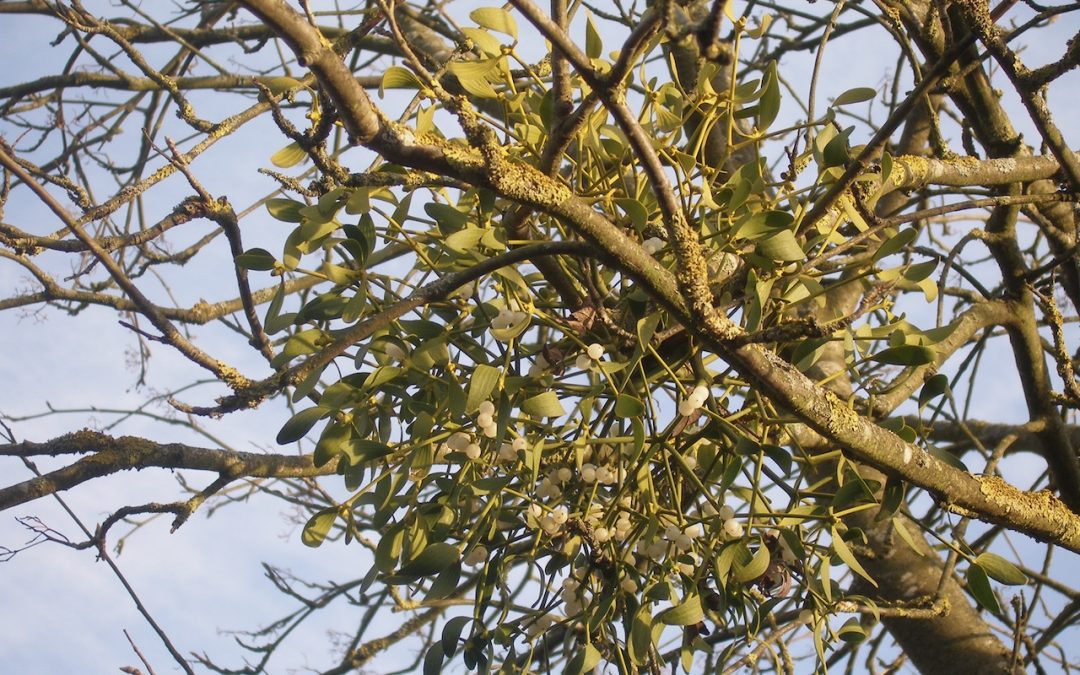
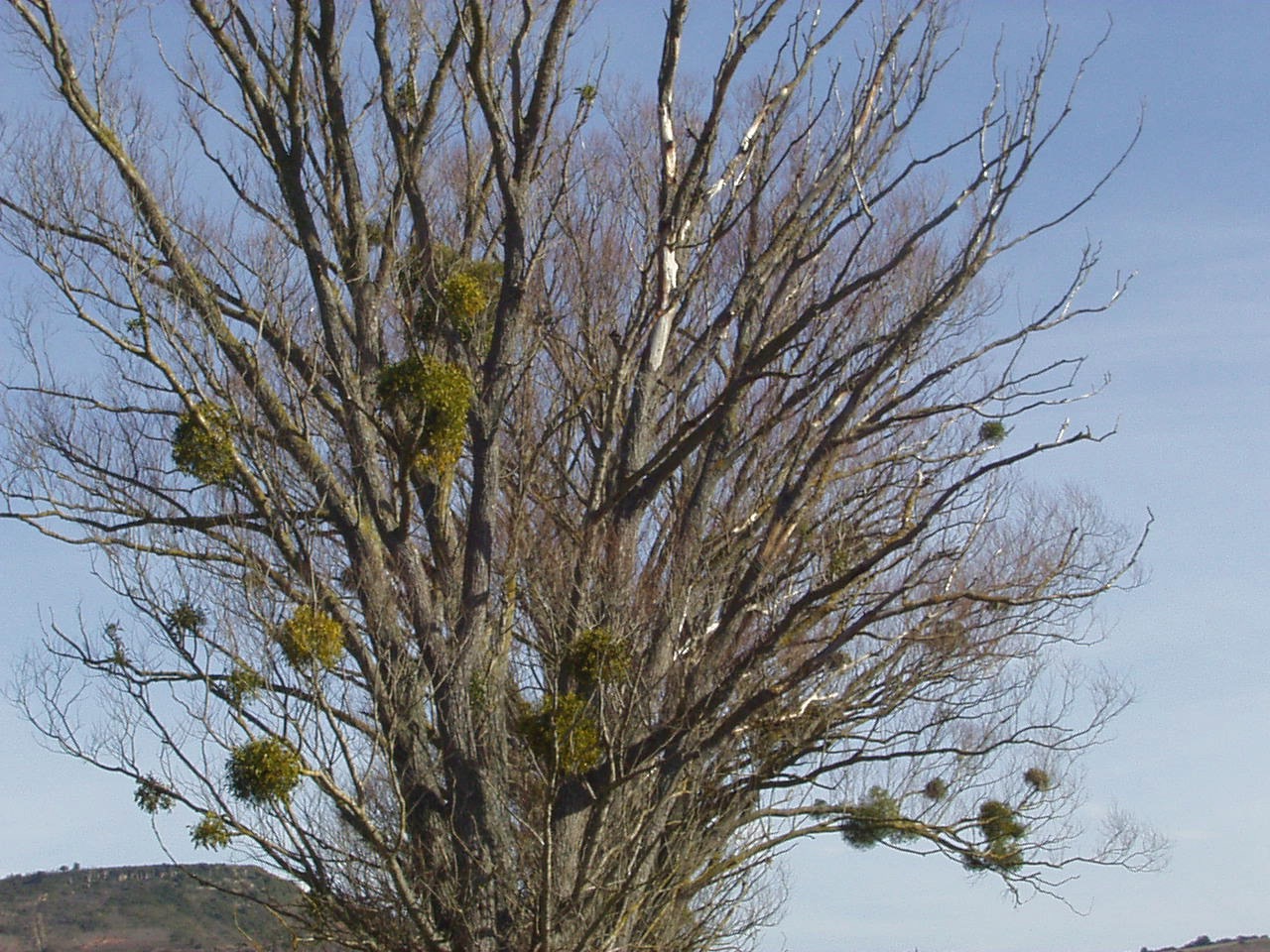
Mistletoe is an evergreen parasitic plant that sustains its greenish-yellow leaves throughout the winter. It becomes especially apparent once the leaves of its host have dropped. It certainly looks quite strange, this yellowish ball hanging high up in the tree.

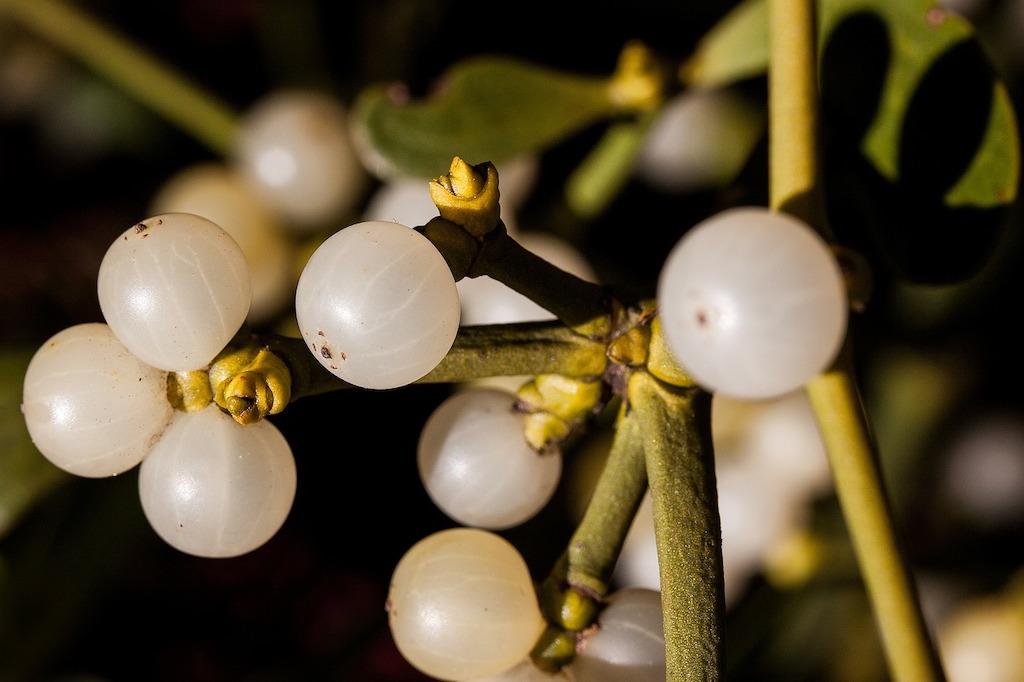
Mistletoe’s growing habit is distinctly round. Its twigs bifurcate frequently, and its elongated, oval leaves always grow in opposite pairs. The tiny, inconspicuous yellowish flowers appear in May, but the translucent whitish pea-sized berries don't ripen until late in the year.

Birds, particularly thrushes, spread the seeds. The fruit flesh of the berries is very sticky (hence the Latin name 'Viscum album meaning 'white sticky stuff’). The birds love those berries but the gooey stuff clings to their beaks which they clean by wiping them on the branches they happen to sit on. If the sticky stuff contains a seed then it has found a perfect spot to sprout. Soon it sends out a sucker rootlet that penetrates the bark and taps the sap of the host tree for nutrients and water. The berries, although loved by birds, are toxic to humans.

The Mistletoe is not all that choosey when it comes to its host. Although it is most commonly found on deciduous trees it is also occasionally found on conifers. The belief that it is frequently found growing on Oaks is a misconception that originates in the druidic lore. Druids always collect Mistletoe, which they consider sacred, from Oak trees, but it is actually rare to find it growing there. It is much more commonly found growing on apple trees, poplars, and lime trees.

Mistletoes belong to the family of Loranthaceae, which comprises some 75 genera and about 1000 species. Not all of them are parasitic but many of them are. Three Australian species are even terrestrial.

ECOLOGY:

Although Mistletoe is a parasite and as such is dependent on the host-plant for its nutrients and water, it does not rely on it for carbon dioxide. Since Mistletoe produces green, chlorophyll-containing leaves, it can perform its own photosynthesis. (Technically, it is thus a hemiparasite - it only partially depends on the host plant for its survival.)

As a rule, mistletoe does not kill the host-plant.

Mistletoe berries

HISTORY, MYTHOLOGY, AND FOLKLORE

The mysterious Mistletoe, airborne between heaven and earth, has always been a source of wonder. Where did it come from? How could it sustain itself, without roots, yet bear leaves and fruit, even in the winter, long after the life-force has retreated into the womb of the earth?

The Druids revered the Mistletoe as the holiest of holies, especially when it appeared oaks, their most sacred tree. The Mistletoe was their 'Golden Bough', the key to the heavens and to the underworld. The mysterious plant was regarded as the reproductive organs of Thor, the god of thunder, who also presided over the sacred oak tree. In the druidic tree calendar, December 23 belongs to the Mistletoe. It is the day on which it was ceremoniously cut:

Accompanied by prayers the chief druid would ascend into the tree to cut the unearthly Mistletoe with his golden sickle. Utmost care was taken to prevent the herb from touching the ground. The other druids stood below holding up a white cloth on which they caught the branches of the sacred herb. To mark the holy occasion they also sacrificed two white bulls, dressed with garlands.

Thus, the regenerative power of the solar deity was joined in sacrifice to the moon goddess as the female counterpart in this fertility rite. The blessing was meant to bestow abundance and protection against all evil at the birth of the new solar year. On this day the male and female forces of the universe were held in balance by the power of this symbolic union. By extension, this meant a harmonization of all opposites, a state of perfect balance at the turning point of the year. A festival of wild abandon followed the sacred sacrifice.

Much tamer and somewhat superficial remnants of these ancient and long-forgotten ritual enactments have survived even to the 21st century. Mistletoe twigs still hang above the entrance of the home at Christmas time, giving license to kiss even strangers, and thereby receive the blessing of the humble twig - even if nobody remembers why.

In some of the rural, more traditional areas of France young children can occasionally be seen spreading Mistletoe blessings on New Years Day. Running through the village, shouting 'Au gui l'an neuf' (gui de chêne - Mistletoe) they dedicate the New Year to the Mistletoe and thus invoke its protective powers.

Mistletoe was believed to fend off all evil, all bad spirits, and harmful witches’ spells. It was sometimes worn as an amulet for protection, fertility, and abundance.

Norse Mythology - Baldur's Death

Norse Mythology reveals a darker, but related aspect of Mistletoe's symbolism. The story tells of Baldur, the divine solar hero, son of Frigg and Odin, who was killed by a twig of Mistletoe. It is said that he would not return until after doomsday when he will bring in a new era of light, a new 'golden age'.

The beautiful young sun god Baldur was plagued by visions of his imminent death. Obviously, he grew concerned. When his parents found out about his troubles they too grew concerned. But his mother Frigg hatched a plan: She would go on a mission to obtain sacred oaths from everything and everybody in Valhalla. And so she went to ask all the elements, all the stones, all the trees, the plants, and even the venomous beasts to promise that they would not kill her beloved Baldur. All swore never to harm the beautiful boy - all except one: the Mistletoe.  Frigg never thought it necessary to ask such a feeble plant not to do any harm. She simply did not think that it would be capable of such a deed.

Satisfied with all these promises Frigg declared her son invincible. Henceforth, shooting arrows and throwing stones at Baldur, none of which could harm him, became a favorite pastime among the gods. Indeed, taking shots at Baldur came to be a way to honor him.

But trouble was brewing in heavenly abode. The jealous God Loki somehow learned that the Mistletoe had never sworn that oath. Thus, he went straight to it and enlisted it in his wicked plan. With a sharpened twig of Mistletoe, he returned to the Gods' assembly, where everyone was having fun taking shots at the invincible Baldur. Only his blind brother Hodur was left out. Slyly, Loki went up to Hodur, asking 'why don't you show honor to your brother and take a shot at him?' 'I can't see and nor do I have anything to throw', Hodur answered. 'Here, I will help you', Loki offered, passing Hodur the Mistletoe twig and helping him to direct his arrow. In an instant, Baldur was slain.

The Gods were aghast and horrified, shocked and angered, swearing to avenge the attack. One of Baldur’s other brothers was quickly dispatched to follow him to the Underworld. He was to plead with the Goddess of death, to allow Baldur to return to the heavens.

His plea was granted but under one condition: all the gods and all the other beings of the earth, living or dead must weep to express their sorrow. Or else Baldur would have to remain in the Underworld until doomsday. After hearing this, all the gods and all the beings of the earth, living and dead wailed and wept - all but Loki. And so it came to pass that we must wait for doomsday before the young sun god may return (which, judging by the way things are going, can't be too far off...) .

This story follows the classic pattern of the solar hero myth, complete with the promise of resurrection and renewal after a period of darkness - a perfectly appropriate myth for the celebration of the winter solstice, which marks the birth of the Sun God.

Mistletoe in Christian Mythology

Thus it is not surprising that the Mistletoe also found its way into Christian mythology as well. It is said that the wood from which the cross was fashioned came from the Mistletoe and that this so upset the pious plant that it retreated into a hermit-like existence, taking up residency between heaven and earth, and becoming parasitic.

Mistletoe in Greek Mythology - Aeneas Journey to the Underworld

In Greek mythology, Mistletoe was also associated with the Underworld. Here, the sacred bough presented the key with which a living mortal could enter the Underworld and return unharmed to the world of the living. The story is told in the annals of Aeneas.

Using the powers of the golden bough the young hero Aeneas enters the Underworld with the ancient Sybil as his guide. His mission is to seek his father to seek his guidance and advice. Eventually, he finds him and receives his teachings concerning the cycles of life and death, for which he had come. Eventually, he returns safely to the world of the living. Mistletoe is the key to his destiny. It opened the gates to the underworld, where the hero is transformed. He returns to the world of the living, spiritually reborn.

Magical Powers: Protection, the key to life's mysteries, fertility, abundance, blessings, peace, harmony, the balance of opposites, love, transformation. Astrologically this herb is governed by the Sun and Jupiter.


Mistletoe in trees

MEDICINAL USES

PARTS USED: Leaves and Stems

HARVEST: Autumn, before the berries form

CONSTITUENTS: These may vary depending on the host plant. Viscotoxin, triterpenoid saponins, choline, proteins, resin, mucilage, histamine, traces of an alkaloid

ACTIONS: Anti-tumour, cardioactive, nervine, tonic

INDICATIONS: Stress, nervous conditions, heart problems, epilepsy

Internal Use:

Not only the myths and lore of mistletoe are interesting. This herb is also interesting from a medicinal point of view. Most notably it is recommended as a remedy for epilepsy, particularly childhood epilepsy. There are not many herbs that are indicated for this affliction. This treatment seems to suggest a homeopathic approach, as large doses of the herb, and especially the berries, actually cause fits and convulsions. At one point Mistletoe was considered specific for this affliction and was also used to treat various other nervous conditions, such as hysteria, delirium, convulsions, neuralgia. It was also used for urinary disorders and certain heart conditions, especially those related to nervous conditions (stress). In ancient times, mistletoe amulets were worn to ward off epileptic attacks (thought to be caused by possession).

Mistletoe has cardio-active properties that can strengthen the pulse and regulate the heart rate while simultaneously dilating the blood vessels, thus lowering the blood pressure. This alleviates symptoms related to high blood pressure such as headaches and dizziness. However, from the literature, it is not entirely clear in which form Mistletoe should be administered for this effect. Some sources claim that the cardio-active principle is only effective if applied by injection, while others recommend standard teas, tinctures, and extracts. One source states that the active constituents are destroyed by heat and should be extracted by means of a cold infusion. In recent years another interesting property of Mistletoe has caught the interest of science:  its cancer-fighting properties. Mistletoe is now regularly used as an anti-tumor agent in naturopathic cancer treatment,

Culpeper says:

'The Birdlime doth mollifie hard Knots, Tumors, and Impostumes, ripeneth and discusseth them; and draweth forth thick as well as thin Humors from the remote places of the Body, digesting and separating them'

Recent research has confirmed Mistletoe's cytotoxic properties in vitro and to some degree in vivo. It also stimulates the immune system response thus increasing the white blood cell count. Both of these properties have brought Mistletoe into focus as a candidate for Cancer and Aids research, which has lead to the development of a Mistletoe drug used in chemotherapy. Studies have shown both equal and better survival rates in patients treated with certain Mistletoe preparations compared to standard chemotherapy drugs. Most importantly, perhaps, the patients who had received the Mistletoe treatment have reported a better quality of life than the control group who had received standard chemotherapy. Mistletoe does not produce nausea and hair loss associated with other cytotoxic chemotherapy agents. However, a possible negative side effect of subcutaneous treatment is a local infection at the site of injection. For detailed study results check out:

Cancer therapy with phytochemicals: evidence from clinical studies

http://www.ncbi.nlm.nih.gov/pmc/articles/PMC4418057/

Mistletoe is also said to regulate digestive functions and able to cure chronic constipation, probably via a stimulating effect on the gall bladder and the metabolic rate in general.

Older sources also recommend it as a treatment for sterility and menstrual difficulties. This would make sense where such problems stem from underlying nervous system issues such as stress, tension, hysteria, or fear.

External Use:

External use of Mistletoe is no longer common, but older sources describe the preparation of a  plaster (mix with wax to make an ointment) which can be applied to hardened swellings and tumors. Mistletoe can also be added to crèmes in order to soothe sensitive or sore skin. Such crèmes are disinfectant and soothing while reducing abnormal cell production. Mistletoe thus suggests itself as an additive for lotions designed to soothe psoriasis and anti-dandruff shampoos.

CAUTION: The berries are poisonous. This potent herb is not suitable as a home remedy. Consult a doctor or herbal practitioner before use.

The Bittersweet Story of Sugar

The Bittersweet Story of Sugar

The story of sugar is bittersweet indeed. It is a story of addiction that is responsible for millions of deaths, unspeakable suffering, despicable abuse, savage cruelty, ruthless exploitation, social injustice, ecological destruction, and last, but by no means least - a legacy of public health problems including dental decay, diabetes, obesity, and cancer, which combined cost millions of dollars in annual health budgets around the world.

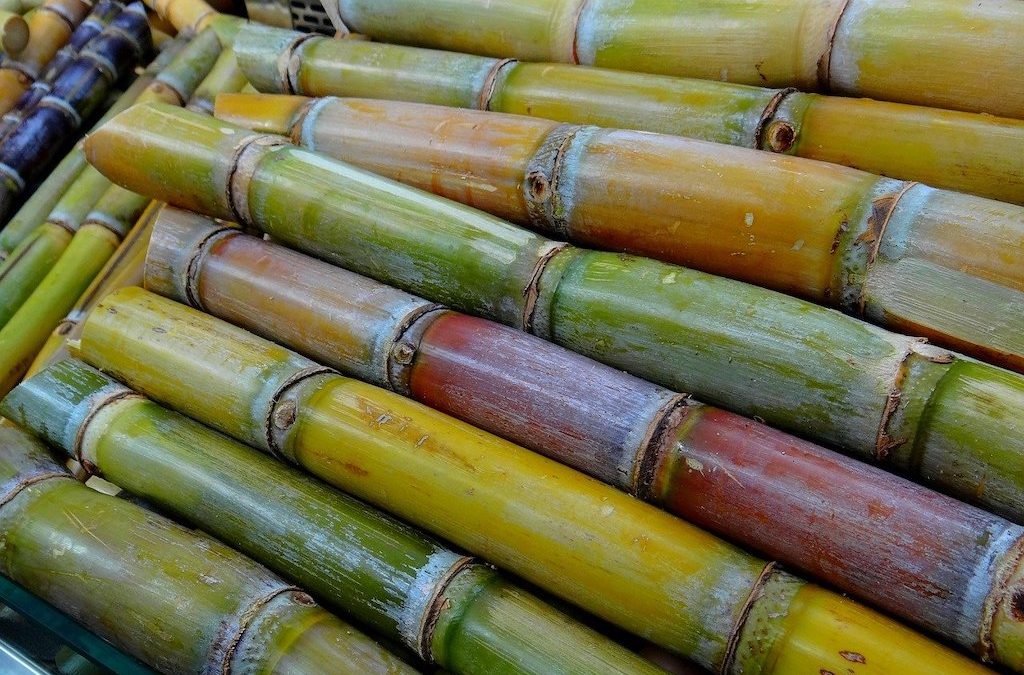
The story of sugar can starts somewhere around 15000BC. Sugar cane is a tall reed and a member of the grass family. It originating in New Guinea, but it must have been pretty popular, even in prehistoric times as by 6000BC it had spread to India, China, and the Fiji Islands. The Arabs introduced it to the Occident and planted it in what is now Iraq and Persia. At that time, the Arabs were spreading throughout southern Europe, taking their most important food plants with them and traded in sugar, back then an expensive rarity that was mostly sold as medicine.

Sugar's reputation as a medicinal substance actually has a long tradition. In Ayurvedic medicine, various forms of sugar were used for eons and still play a role as adjuncts to countless compound remedies. As early as 600BC it was mentioned in numerous ancient texts, where it is referred to as 'Sharkara'. It was classified into twelve different types according to the quality. A thin type of reed known as Vamshika was considered ‘superior’ quality.

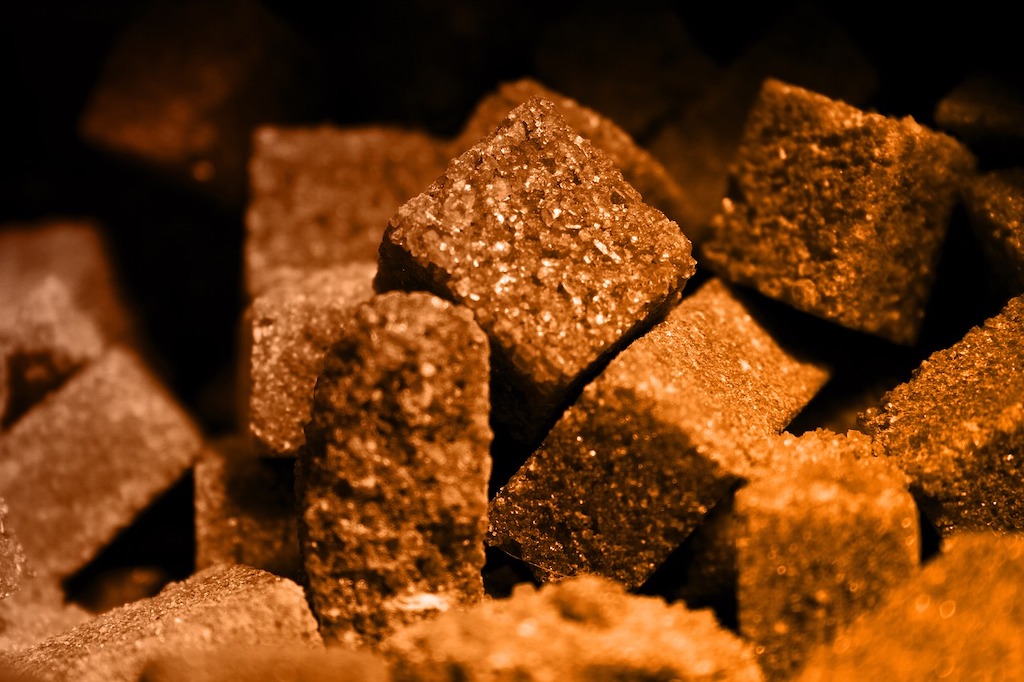
sugar

It appears that the art of making sugar was invented in India, in about 100BC. Originally the cane was simply boiled to obtain a concentrated, unrefined type of sugar known as jaggery or 'gur'. Ancient Greek historians described it as 'a kind of honey from a reed, produced without bees'.

A turning point came in 1097AD when some crusaders robbed a caravan in Palestine and made off with 11 camel loads of sugar. Very soon after, in 1100AD Venice became the most important trading port for sugar - and as a result, it prospered mightily!

But the competition was stiff, even back then. By around 1400AD, the Portuguese had taken over to become the biggest force in the sugar trade. In 1420AD they started to settle the island of Madeira, which they had only discovered the year before. Soon they had stripped the island of its natural vegetation in order to plant sugar cane. Of course, laborers were needed to do all the hard work.

That problem was solved by Henry the Explorer, who in 1444, on one of his voyages to circumnavigate Africa, had kidnapped a group of 235 natives from Lagos, which he had brought back to Seville. The Portuguese bought them as slaves to work in the new Portuguese sugar plantations. Columbus himself is said to have been involved in these early plantations. Soon after, the Canary Islands suffered the same fate. And, as we all know, it was from here that in 1493AD Columbus began his second voyage to Hispaniola, carrying in the vault of his ship some sugar cane cuttings- the beginnings of a very dark chapter of history that was to change the world forever. The story of sugar shows that European expansion did not happen haphazardly. It happened by design and should be regarded as a crime.

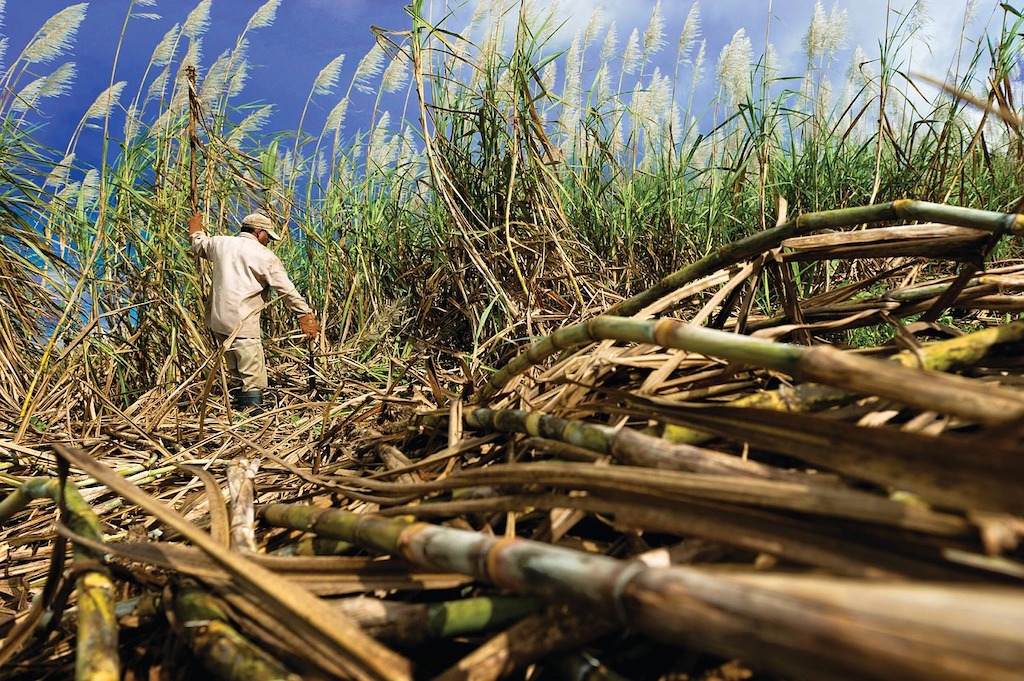
sugar harvest

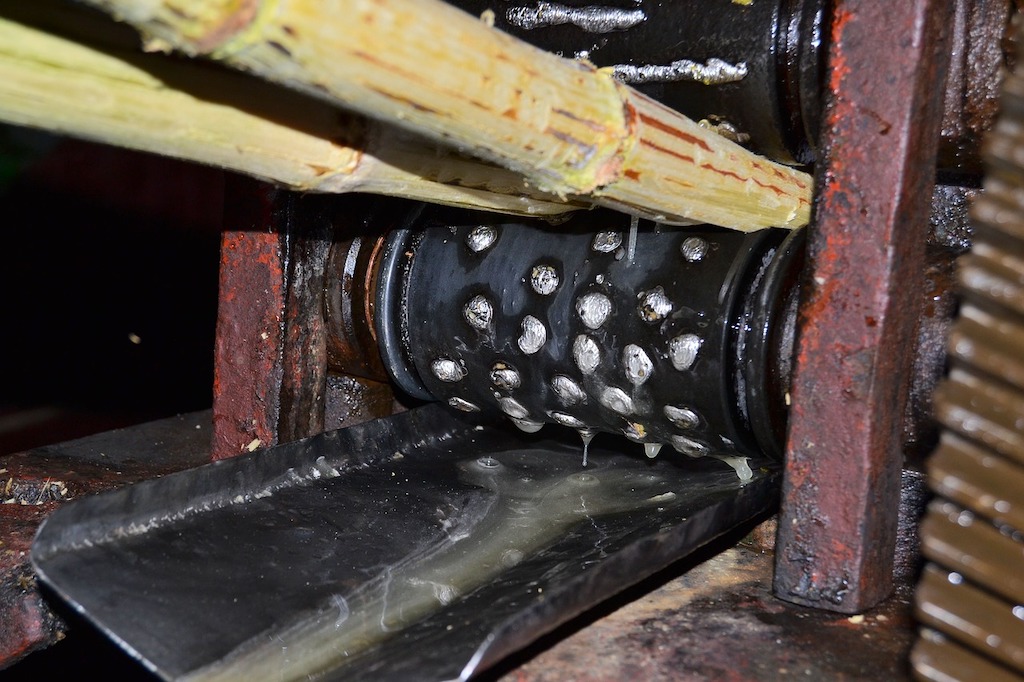
At first, sugar cane was only planted on a fairly small scale, in Hispaniola. the biggest problem of the Conquistadores was that the native population was utterly unwilling and 'unsuitable' as a workforce. Work on the sugar plantation is very hard. Clearing land, planting, and harvesting by hand in the heat of the tropical sun was back-breaking enough, but processing the canes in the presses and boilers to make sugar is what became known as the proverbial sweatshop, and a dangerous one at that.

The natives simply refused, preferring to die rather than to perform the work, or if they were forced into this horrendous slavery, they soon died in droves from the inhumane working conditions. Within 20 years of Columbus’ arrival in Hispaniola (now Haiti) the native population shrank from an estimated 800 000 - 2 million inhabitants to only 15000, and 30 years later they were completely annihilated.

To solve the labor problem, plantation owners imported slaves from Africa. Africans were brutally rounding up like animals, tied together, and marched for miles to the shipping port. How is it possible that human beings can be so cruel and heartless towards another fellow human being? The answer is denial by means of ‘dehumanization’. Europeans were high on sugar: they were greedy, power-hungry, and willing to sacrifice their humanity for profits. They simply denied Blacks the status of a human being.

They regarded them as subhuman and considered their lives to be inconsequential, except as a workforce. The brutal excesses of slavery are well documented and there is no need to spell them out in every bloody detail again. Suffice to say that over the course of 400 years about 20 million Africans were forced into slavery and transported across the Atlantic (several million more were sold into slavery elsewhere). Millions died from the unspeakably harsh conditions (20% of those that were captured never even survived the journey). In the 18th century, the value of one ton of sugar was considered equivalent to one slave. In 1801 alone, 35000 slaves died for the 70 000 tons of sugar that England imported that year.

sugar press

Sugar plantations dramatically changed the demographic face of the world. Over the course of 400 years, the native population of the Caribbean Islands was practically obliterated, Africans from a multitude of ethnic backgrounds were imported. Irish, Welsh, and Scottish immigrants followed and after the abolition of slavery, Chinese and Indians were lured in as a cheap workforce.

In 1747, a German researcher by the name of Maggrave discovered that sugar beets yielded a substance that was identical to cane sugar. Europe began its own sugar production, but it was only when Napoleon issued a trade embargo against products from the transatlantic colonies that Europe's domestic sugar production really took off.

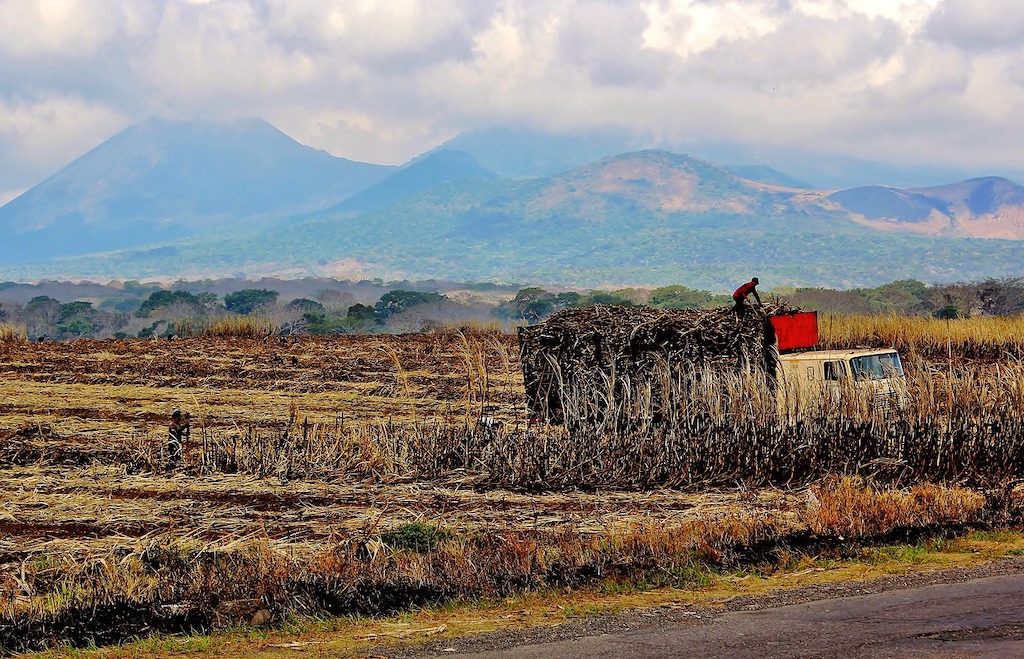
sugar plantation

Apart from the devastating human impact, sugar plantations also had dire ecological effects. Sugar demands good soil as well as plenty of water, and it is extremely hungry for expansion. Millions of acres of native forests were decimated to make room for this monoculture cash crop. Water supplies became polluted from the industrial waste and water tables sank. As in all monocultures, pesticides and fungicides need to be applied in vast quantities, thus further polluting the soil and the water as well as poisoning the workers.

Social injustice is programmed into each and every cash crop economy and the vestiges of unfair land distribution determine the political, socioeconomic, and demographic patterns in all parts of the world where colonial powers with their cash crop economies once ruled.

And yet, in comparison, sugar cane is easily the most destructive cash crop the world has ever exploited. Apart from the human and environmental production costs mentioned above refined sugar offers no nutritional benefit what-so-ever. It provides nothing but empty calories while causing major damage to our physical health. Yet, we classify it as a food. Health problems related to excessive levels of sugar in the diet, such as obesity and diabetes, are costing health services literally billions of dollars each year. Yet, sugar's grip on society's sweet tooth continues unabated - in fact, global sugar production and consumption are still steadily increasing. This sweet drug has driven the world economy for hundreds of years, and as we have seen, with disastrous consequences. It is not the sugar plant that is at fault, but our addictive minds.  Addiction and denial go hand in hand. As long as we refuse to acknowledge that there is a problem we can simply go on 'as normal', fulfilling the cravings while ignoring the consequences. Whether the object of desire is sugar, coffee, tea, cocoa, tobacco - or oil, the patterns that drive consumption and ruthless exploitation are the same.

Fiber Plants

Fiber Plants

SpinningDeep within the womb of the earth mother, beneath the roots of the cosmic World Tree 'Yggdrasil', lies the abode of three old wise women. Known as ‘the Norns’, which means 'the fates', they govern the thread of life: Urd (Earth) spins it, Verthandi (Becoming) measures it, and Skuld (Fate) cuts it. No-one, not even the gods, can overrule them. Every soul that enters the world receives their personal thread. And with that, they are equipped and ready to weave their own little patch of the tapestry of life.
'We are the weavers, we are the web'

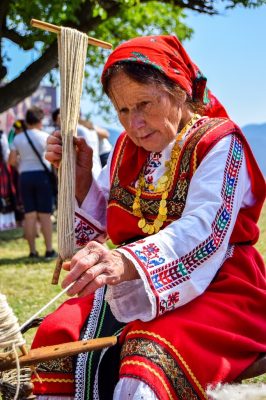
Many traditions consider spinning and weaving sacred activities. The Kogi Indians, for example, who live in the Sierra Nevada of Colombia, have a most intricate cosmology. They pass it on by weaving its symbolism into their cloth. 

The art of spinning is a meditative act. As they twist and roll a mass of fibers into smooth thread thoughts and prayers are meshed and entwined with the yarn. In Kogi cosmology, spinning is a sacred act that aligns the inner order with that of the universe. The spindle represents the equivalent of a 'lingam-yoni' symbol, the male and female aspects of the universe, joined in an act of creation. The wooden shaft represents the Axis Mundi that connects heaven with the underworld. The disk at the top, called 'the whorl', symbolizes the world itself. The Kogis imagine the Sun-God as a 'transcendental weaver', who weaves the tapestry of life on his cosmic loom. The four corners of the loom represent the equinoxes and solstices, which mark the cornerstones of the year. Every year he weaves two pieces of cloth, one for himself and one for his wife, the Moon.

Coded messages

All over the world, weavers encode the symbols of the old mysteries and weave them as patterns and symbols into their fabrics and clothes. Textile designs often convey very specific messages about the social role of the wearer, their ancestry, and their marital status. In other words, it reflects one's place in the world. 

Thus, fiber plants play a hugely important role. They are not merely a material resource or commercial crop but as the stuff with which we ‘weave the web of life’. In such a cosmology, humans beings are co-creators of the cosmic design and we shape our world accordingly. 

Ancient beginnings

It is not known when humankind first learned how to extract fibers from plant materials and to spin them into yarn. But archaeological evidence suggests that weaving and spinning can be traced back at least 5000 years. Egyptians mummies were wrapped in sheets of linen and we know that even the Neolithic lake dwellers of what is now Switzerland already cultivated flax. Hemp was used in China at about the same time. 

What exactly is a Fibre?

Fibers are structural elements of a plants’ anatomy. One could say, they are the equivalent of our connective tissue. They give them strength, support, and resilience to withstand the wear and tear of wind and weather.

All plants has fibers, but not all of them are suitable for producing yarn. Most are too short or too brittle. Some are just right but can be difficult to extract. Processing fibers to make yarn is a lengthy and complicated process.

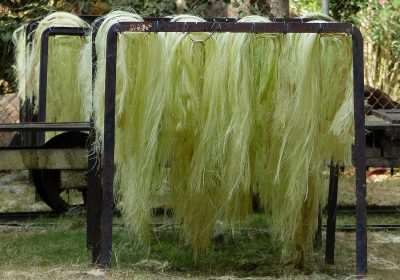
sisal fibersCollecting the plant material

The first step is to collect plenty of suitable plant materials. Tall, herbaceous plants such as stinging nettle or hemp work well. Their fibres are long and not too brittle. Harvest takes place when the plants are at the peak of their development.

Retting

The next step is to separate the fibers from the decomposable plant matter. This is done by a process known as ‘retting’. To prepare the plants, the leaves and stalks are stripped off and discarded.

The remaining stalks are then cracked and submerged in water until the non-fibrous parts rot away.

The retting procedure varies slightly, depending on the specific source plants. Once the soft parts have rotted away the fibers are left behind. They must be washed, 'combed' and thoroughly dried before they can be processed further .

The rise of synthetic fibers

The discovery of oil brought in a new era of synthetic fibers that made natural fibers too work-intensive and expensive to compete. By now they have become 'luxury items'! We don’t spare much thought on all the ingenious methods that our ancestors have developed in order to keep warm. But, in recent years, we are re-discovering the advantages of natural fibers: they can be grown sustainably, ddo not depend on oil and are biodegradable. They also make fabrics that 'breathe', which means, less sweating.

Natural fiber products are also used as an important source of insulation material that regulates indoor temperatures’, can ‘breathe’ and is non-toxic.

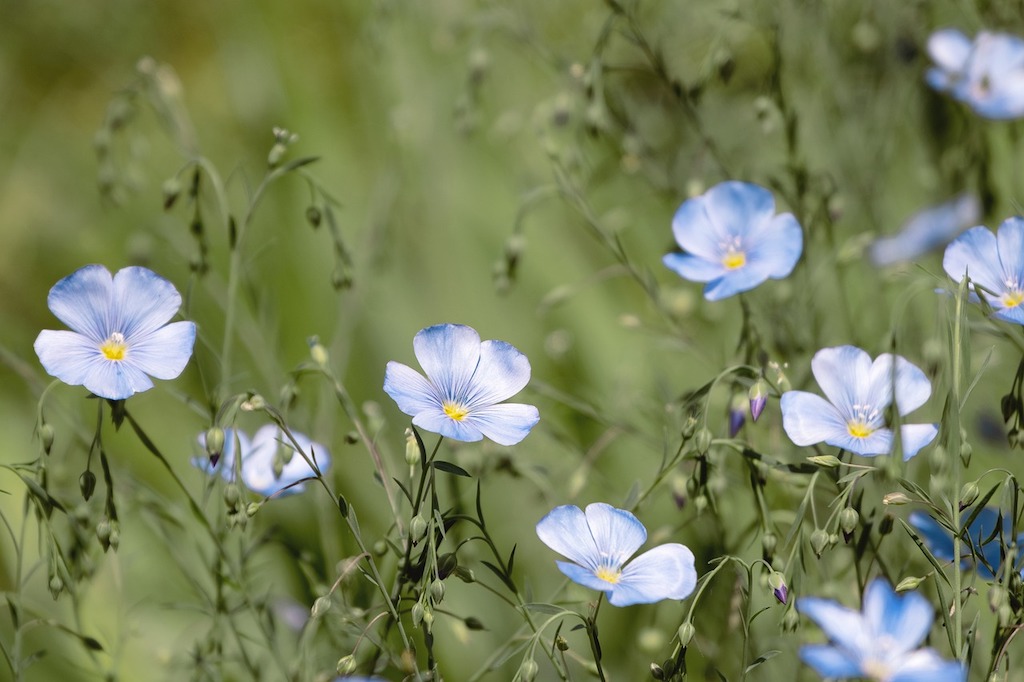
Flax Flowers
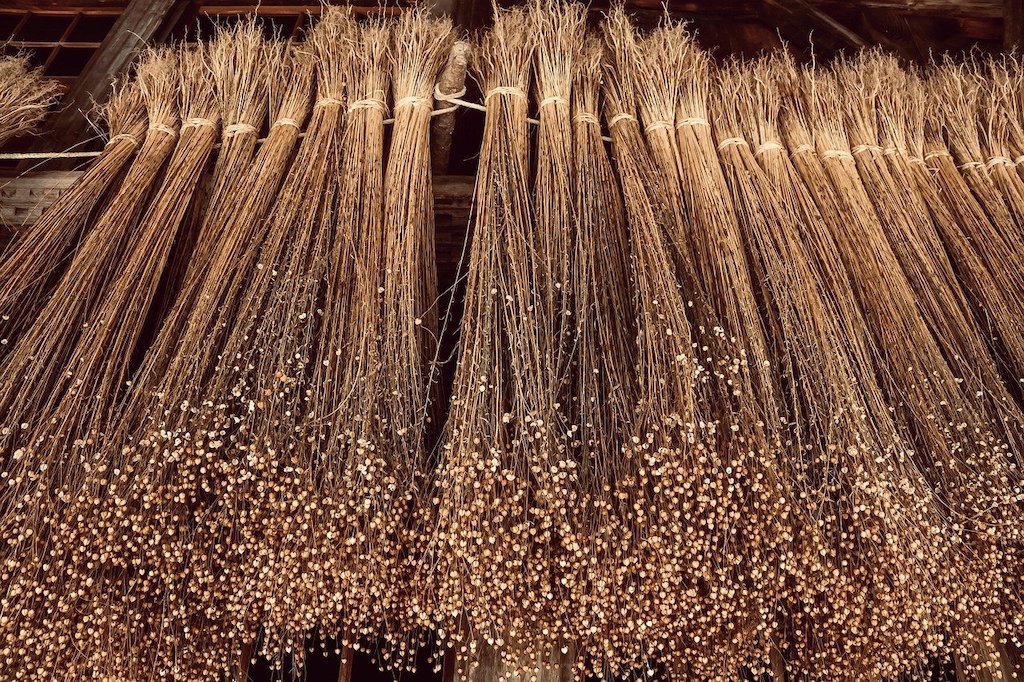
flax bundles

Flax (Linum usitatissimum)

Flax or linseed is the source plant of linen. It is one of the oldest fiber plants known to humankind. Flax likes a mild, somewhat humid climate. In the past, it was grown as far north as Scotland and as far south as Egypt, where flax shrouds were used to cover the mummies.

The plants are retted to extract the fibers. These must then be cleaned and brushed before they can be spun into a yarn. Flax fibers are very long and do not break easily. Instead, their resilience increases when they are wet. The quality of the yarn varies widely. It may be spun into an almost silk-like thread or, left coarse, it can be used for making canvass or carpet backing. Natural linen is buff to grey colored and can be bleached in the sun. It does not dye easily, as the fiber is hard and naturally resistant. Bleaching deteriorates its quality, reducing its strength and weight. Linen appears stiffer and harder than cotton and wrinkles more easily, which may be why it has gone out of fashion. However, linen conducts heat better than cotton, making garments feel 'cooler'. Its smooth texture resists dirt.

See also: Flax - Linum usitatissimum

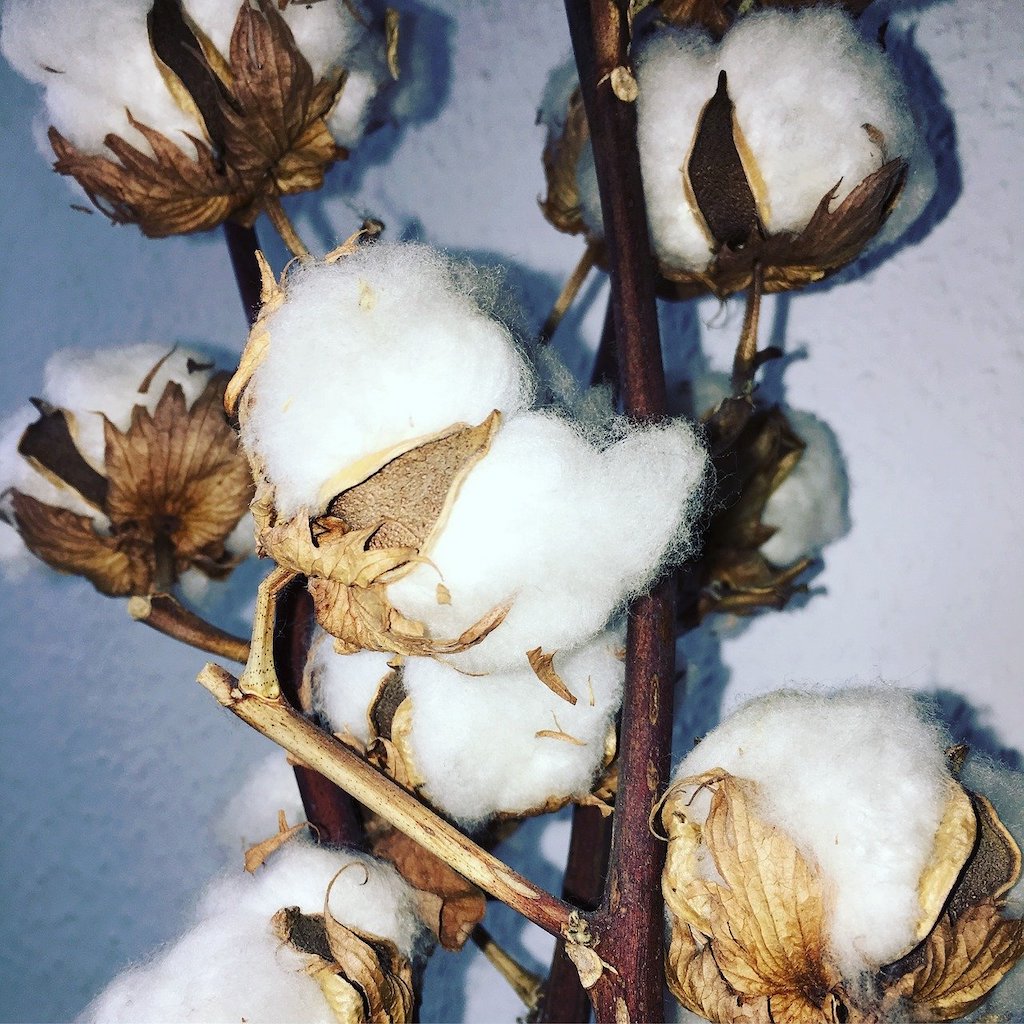
cotton
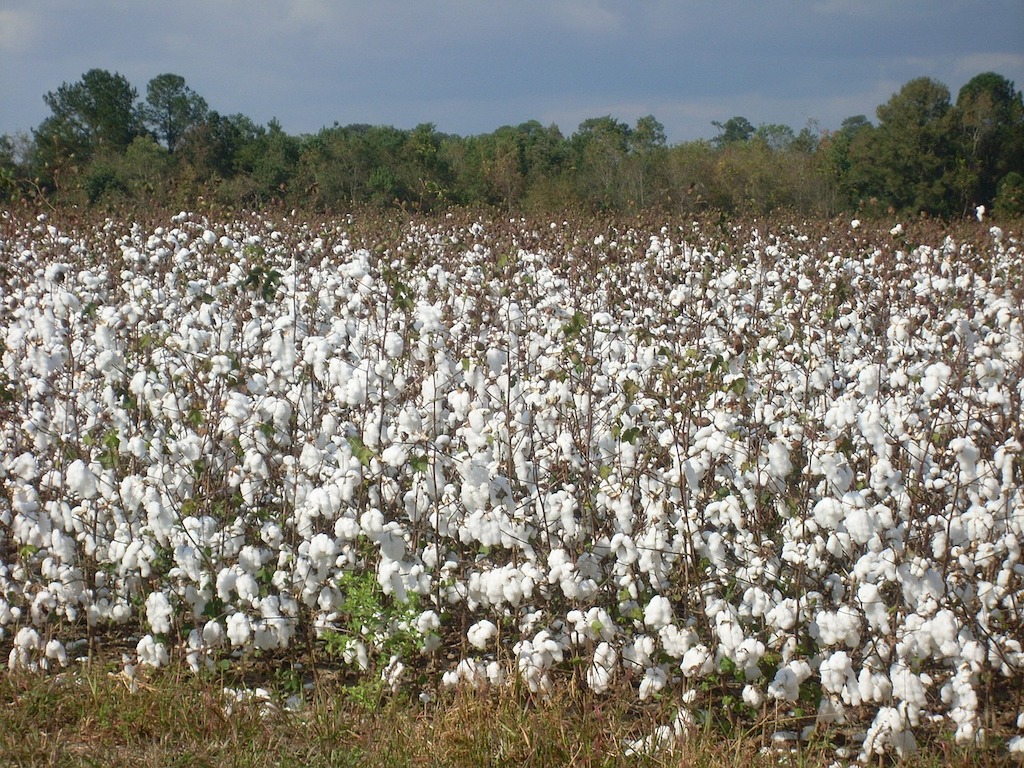
cotton field

Cotton (Gossypium hirsutum)

Cotton is still the most important fiber plant of all. I mention it separately because it is a story of its own. Cotton derives from various species of Gossypium, and belongs to the Mallow family. Unlike the other fiber plants discussed above, its fibers do not derive from the stem but from the seeds, which grow inside a capsule known as a 'boll'. The seed is surrounded by a soft, fluffy material called 'lint', which consists of fibers that can easily be spun into thread.

Cotton is a tropical crop of enormous commercial importance. It has also been at the center of the dark and ugly business of the slave trade and all the pain and misery and injustice that it entailed.

Cotton is very productive and lucrative, but also a very labor-intensive crop to grow. The invention of the ‘cotton gin’ (cotton engine), made the process much easier. A cotton gin is a machine that automatically separates the cotton fibers from the seeds, which made the whole process far more efficient. Today, cotton processing, including the picking, is largely done by machines.

Cotton has become problematic in other ways, though. The plants are highly susceptible to numerous bugs, which means that they are subject to intense agrochemical treatment. Cotton is in fact one of the most heavily sprayed crops (8-10 times per season): 25% of the world's insecticides and more than 10% of the pesticides (including herbicides, insecticides, and defoliants.) is sprayed on cotton. The intensive industrial crop production also depletes the soil which means, more agrochemicals in the form of fertilizers are needed to compensate.

In recent years, disease and insect-resistant Gene-manipulated varieties have been created, which are now taking over the original chemically dependent varieties. In the US, a huge proportion of cotton is now produced by GM varieties. Deceptively, these cotton varieties are hailed as environmentally friendly, because they supposedly do not need so many chemicals. However, trial plantings of GM cotton in India and Indonesia have failed to prove resistant to insects. Meanwhile, consumers are beginning to become more aware of these issues and are looking for eco-friendlier alternatives. Organic and fair trade cotton is now available, but have to compete against other natural fibers that are easier to produce without the chemicals.

See also: Cotton

Nettles

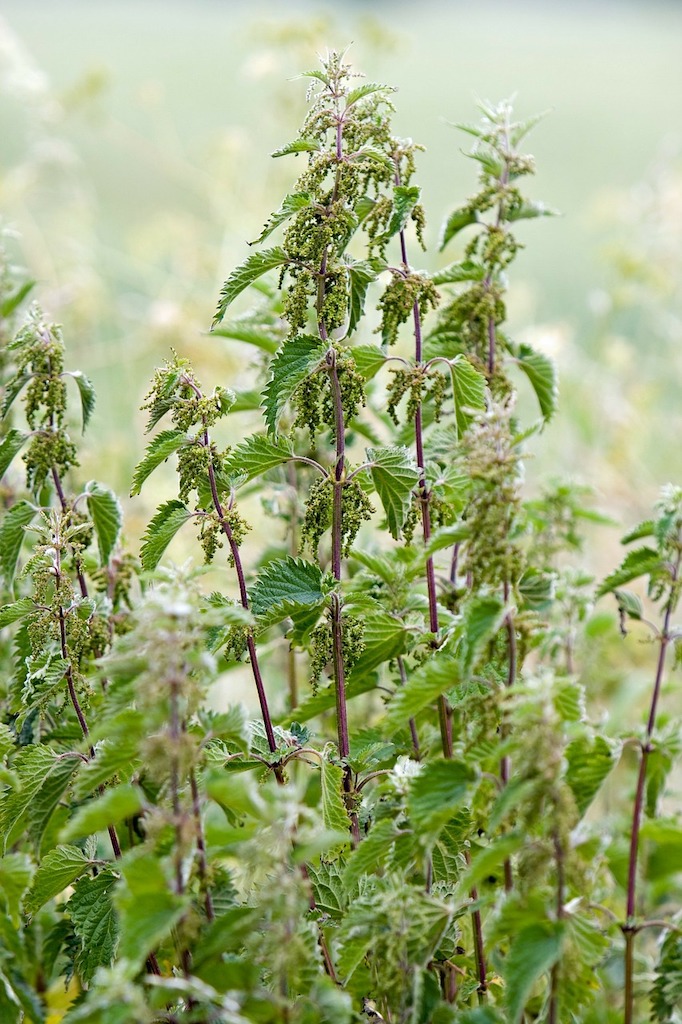
Stinging Nettles (Urtica dioica)

The common stinging nettle is another traditional fiber plant, although most people only know it as a troublesome weed. Its long resilient fibers have long been used to make cloth and garments. But as a source of fiber, they have gone through several cycles of popularity. The last time nettle was ‘in fashion’ was during WWII, when cotton became scarce in Germany.

After the war, interest in nettles as a fiber plant has waned in favor of cheaper synthetic fibers. But like Hemp, nettles have also started to make a come back as people are looking for more natural textiles. While hemp and flax fibers are tougher and more hardwearing, nettles produce the finest quality yarn. Currently, Nettles are again under experimental cultivation in Germany. The plants are resilient enough not to need any chemical treatments or fertilizer. In fact, no chemicals at all are used in the processing and the end product is a very soft, silky textile that is immensely resilient to wear and tear.

Nettles thrive on nitrates and can be used to 'clean' over-fertilized land. However, most people, including many farmers, consider nettles a bothersome weed and are few willing to grow it. Yet, that might change once they 'cotton on' to the fact that under EU regulations it is the only crop permitted to grow on subsidized 'fallow land'.

In an effort to increase yields, a team of Italian, Austrian and German researchers have joined forces in order to produce new, high-yield varieties of nettles and to come up with solutions that would make the retting process less time consuming and more efficient. Famous Italian fashion houses are ready to launch new lines of fine quality designer nettle knickers and other fashionable items - all they are waiting for are steady and sufficient supplies of nettle yarn.

See also: Stinging Nettles

Jute (Corchorus capsularis and C. olitorius) and Kenaf (Hibiscus cannabinus)

These two members of the Mallow family produce a strong, but coarse fiber. Jute is mostly used for sacking and carpet backing. The fiber is not as strong as hemp or flax and is susceptible to rot. It can not be spun into a fine grade yarn and thus does not find use in the textile industry.

Kenaf, a close relative of Jute is mostly used in the manufacture of paper, although in Africa, where it is native, it is also used for making rope and rugs. It loves hot and humid climates, but is adaptable and will grow as far north as southern Illinois. However, in cooler climates, its seeds do not mature. Kenaf is a very viable and sustainable alternative to Pine used for paper production. Considering that every American consumes about six 30-year old pines in paper per year and the per-acre yield of Kenaf is 3-5 times higher than that of Pine, Kenaf is the obvious environmentally-friendly choice. Kenaf is resistant to most bugs and may be grown organically. It also takes less energy to pulp and does not require chlorine for bleaching. The quality of the paper produced from it is very high.

See also:

Jute

Kenaf

 kenaf-an ecological source for paper.pdf 

Ramie (Boehmeria nivea)

Ramie is also a member of the nettle family. It is sometimes called 'the flax of the east' as it is most common in parts of Russia and Eastern parts of Asia. When woven into fabric its qualities are much like flax in terms of luster and strength. It also creases easily and has a similarly smooth texture. Ramie textiles are particularly renowned for keeping their shape well, but it is not a very flexible fiber, which makes it prone to breaking, e.g. in crease-folds. Unlike flax, it takes well to dyes. Fine quality Ramie fabric has a silken appearance. It is usually blended with cotton to create mixed-material garments. Ramie’s disadvantage compared to other fiber plants is the fact that it needs to undergo a chemical process in order to remove a gummy substance from the fibers. On the other hand, it is extremely productive and can sustain between 3 and 6 harvests a year, depending on weather and growing conditions.

See also: Ramie

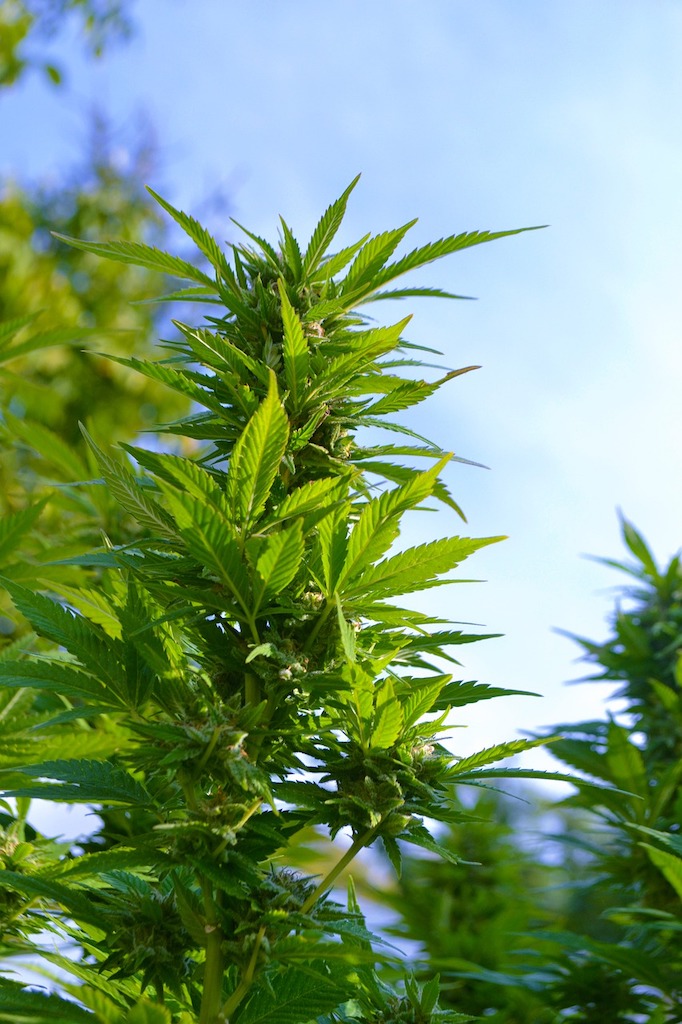
hemp
hemp rope

Hemp (Cannabis sativa)

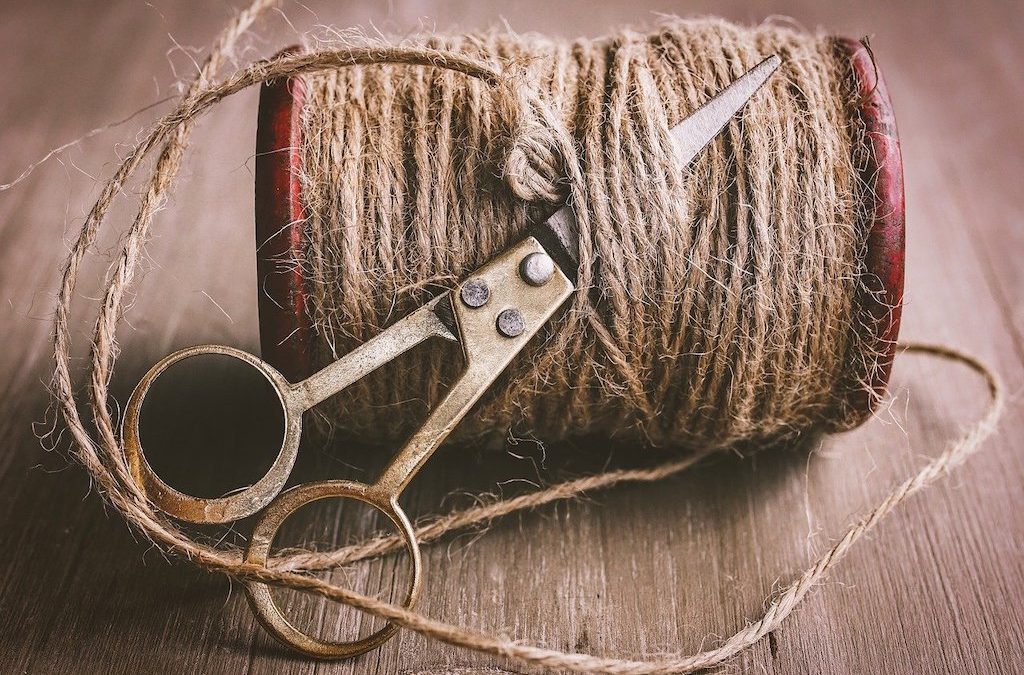
A book could be written about the virtues of this invaluable plant that has served humanity for at least 7000 years. In fact, several excellent books have been written about it, but I will limit myself here to its value as a fiber plant. Hemp has the longest, toughest, and most resilient fibers of any plant, making it particularly useful for tough ropes and canvass that must withstand great pressures, wear and tear. Like Jute or Flax, Hemp is an annual plant. It is not fussy as regards growing conditions and actually, it benefits the soil. Until recently (even during WWII) it was widely cultivated throughout Europe, the United States, China, and India. However, since approximately the middle of the last century, it has come under fire because of its psychoactive properties. Cannabis (sativa var. indica) contains THC, a psychoactive resin. However, the fibers of this subspecies are too short, so it is never used for making yarn. Fiber hemp (Cannabis sativa) on the other hand, does not produce any significant amounts of THC. Yet, this confusion has been used to rationalize the suppression of commercial-scale hemp production. As a result, plastic and artificial fibers have proliferated - as we now know, to all our demise. At last, we are becoming more aware of the negative impact of plastics on the environment and it is high time that we switch to natural, sustainable and bio-degradable sources of fiber.

To extract the fibers, the stem, which can grow up to 4m tall, is stripped of all the leaves and branches. When planted closely together the individual plants don't grow as high, but the resulting fibers are of a finer quality, better suited for making garments.

Hemp is an ideal fiber plant, not just for hard-wearing rope or material, (the first jeans were made from hemp), but also as a source of fiber pulp for the paper (the first dollar notes were printed on hemp paper). It is inexcusable that in this day and age, when deforestation is a massive threat to biodiversity and exacerbates global warming, forests, including old-growth forests, continue to be cut down for the sake of 'throw-away' commodities, such as paper and even toilet paper when hemp would be the logical alternative. Thankfully, Hemp is beginning to make a come-back.

See also: Hemp

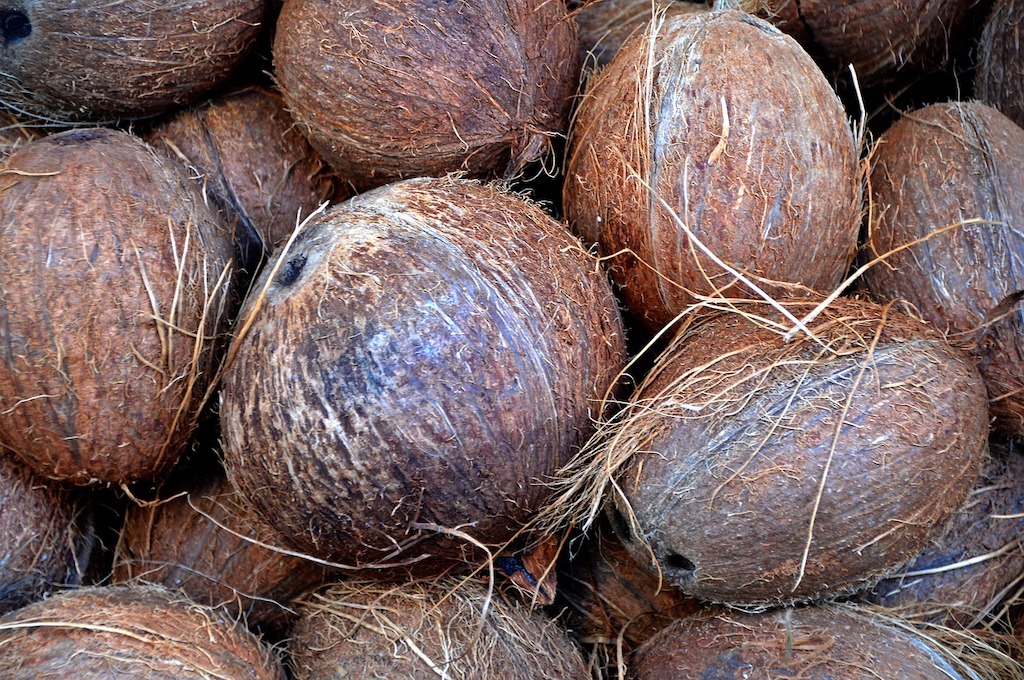
coocnut

Coconut (Cocos nucifera)

Nobody knows exactly where Coconuts originated, but it is thought likely that they spread from the West Pacific. By now it has become a true world traveler that has colonized all hot, tropical coastal regions of the world. Coconuts can travel very long distances since they are resistant to saltwater. The waves carry them across the sea to distant shores.

Wherever they grow, Coconut trees have been revered as a source of food, oil, medicine, and fiber. Coconut fiber is derived from the husks of the nuts, which are harvested both green (unripe) and brown (mature). Both types are available throughout the year since each nut takes 12 months to mature and the tree flowers and fruits continuously up to 13 times a year. In Thailand and Malaysia harvesters have trained small monkeys to help them with the task of getting the nuts, a practice that is now considered unethical

The unripe green nuts provide a softer more pliable type of fiber than the brown, fully mature ones. Brown Coconut fiber is quite coarse. It lends itself to be used as a hard-wearing flooring material, upholstery, mattresses, brushes, and sacking. White coconut fiber is used for rope and cordage. Coconut fiber is the only natural fiber that is resistant to seawater.

See also: Coconut

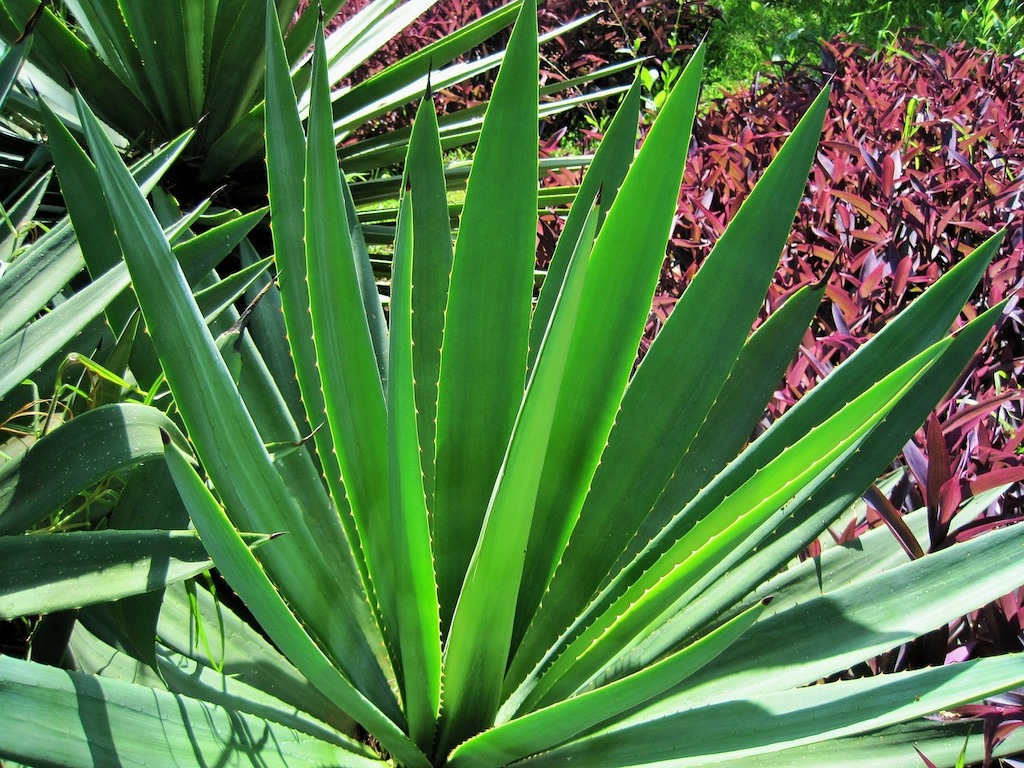
Sisal

Sisal (Agave sisalana)

Sisal is a hard-wearing fiber derived from a species of Agave that is native to Central America and Mexico. Agave sisalana is a sterile hybrid, which suggests that it has long been used as a fiber plant in Central America. Its exact origin is not clear though Agaves are native to Central America. Its name derives from the port town of Sisal, in the Yucatan, from where it was first exported. Today it is grown not only in Mexico but also in China, Brazil, and Africa, with Tanzania being the world's largest producer.

Agaves are succulent desert plants with long, fleshy, blue-green, sword-like leaves that grow in a rosette formation on a short stumpy stem. The fibrous sheath surrounding the inner xylem of the leaves yields the fibers. Sisal is not as resilient as other fibers and can deteriorate quickly during processing. The leaves are harvested by hand and are quickly decorticated as the leaf pulp is washed away. Sisal is ideally adapted to arid growing conditions. It is used for matting, rope, netting, or blended with wool to make carpets, etc.

See also: Agave sisalana (PROTA)

Outlook: future uses of fiber plants

While this article discusses fibers mostly in terms of textiles, a new and exciting use of natural fibers is emerging, in the automobile industry, of all places. Some of the leading car manufacturers are beginning to heed what Ford discovered almost a century ago - natural fibers can make a damn good car. They are not only used for the obvious - upholstery of seats and covers but also as filling materials and to replace other parts currently made from plastic or glass. A 'bio' plastic is already being produced from Kenaf and Hemp.

There is a lot of scope for utilizing sustainably produced natural fibers that could make a huge contribution to reducing our emissions and preserving forests. There are as yet unimagined and exciting possibilities in the world of natural fibers and I for one am certain that they will play a crucial part in readjusting the natural balance for a sustainable future.