Plant Profile: Rose History (1)

Plant Profile: Rose History (1)

“But he that dares not grasp the thorn, should never crave the rose.”

 Anne Brontë

There is no need to introduce such a well-known and much-loved plant as the rose. Roses are a universal symbol of love and adoration. We all love these beautiful flowers.

What do wild roses look like?

Description:


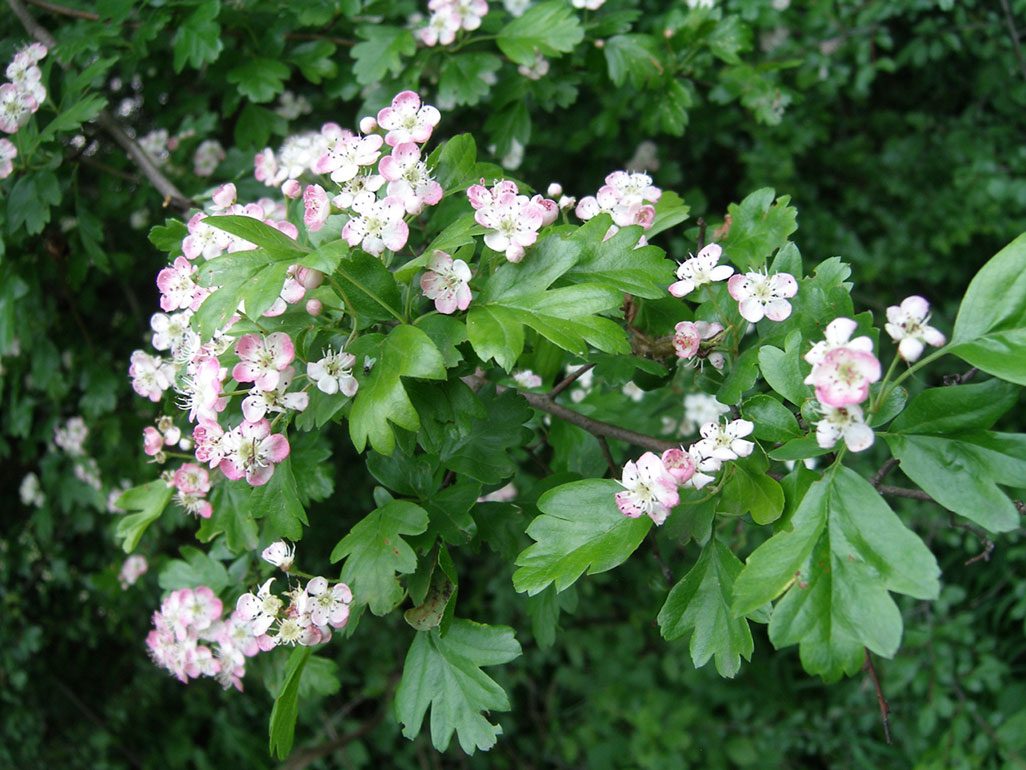
Wild roses grow in every hedgerow. But they are a much humbler breed than those elegant creations of plant breeder’s designs. Most of the 150 species of wild roses are shrubs and climbers with fragile, 5-petaled flowers ranging from white to rose or magenta. They protect a profusion of yellow stamens in their centre.


Cultivated varieties bear little resemblance to their wild cousins. They come in all forms, colours and sizes - large or small, packed or single-flowered, scented or unscented, and in almost every shade of colour, from burgundy red (almost black) to pink, yellow and white.

Some wild rose shrubs grow to only 80 cm, others climb up to 30m high, scrambling over other plants and trees. They are prickly fellows, and while their thorns are often much finer than those of the hybrids, they are no less sharp.

The leaves are usually pinnate with stalked, ovate leaflets, and finely toothed margins. Both stems and leaves bear thorns.

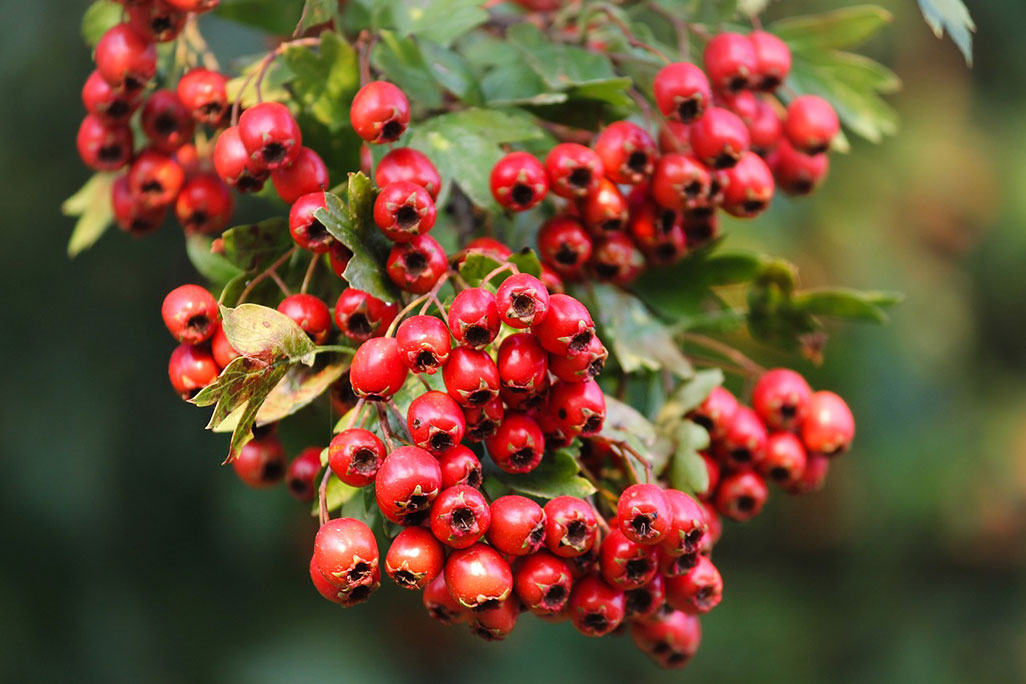
In autumn, they form bright red, pear-shaped fruit, the rose hips, a rich source of vitamin C. The tough outer skin protects a mass of stone-hard triangular seeds embedded in a cosy nest of scratchy fluff that fills the hollow. Children use it as 'itching powder'.

Ecology:

Wild roses grow in hedgerows, open woodland, fields, heaths, dunes and sandy soil. Their bendy, thorn-covered bows provide protective shelter for small animals - a habitat with a built-in security system.

As a hedgerow species, they provide winter nourishment for birds, field mice and other small critters.
The rose hips turn red in late September, but they can still be seen adorning bare branches in the middle of winter. They are not a snack fruit, but their rich vitamin C content makes them extremely valuable.

Where do wild roses grow naturally?

Distribution:

Wild roses occur naturally throughout the temperate regions of the Northern Hemisphere, from China to North America, but Asia can boast the greatest diversity of species and varieties.


rose culivarsHistory & Mythology

Roses are universally famous as a symbol of love. Pride of place takes the ancient cultivar Rosa gallica, a deep red, fragrant flower, also known as ‘Provins Rose’. (Provins, a small town near Paris, France, was once a centre of Rose cultivation and trade, not to be confused with ‘Provence’, a region of southern France famous for vast Lavender fields).

Rose Cultivation

It is not entirely clear why the humble rose has long inspired horticultural passions. But roses have been under cultivation since at least 3000 BC, making it difficult to trace the exact family tree of specific varieties (at least, until genetics came to the rescue). Roses were among the first plants (if not THE first plant) grown for their beauty’s sake alone. Rose cultivation quickly became a passion, flourishing in Asia and the Middle East long before Rose cultivation became popular in Europe.

Rose Symbolism - Love, Life, Death and Rebirth

In the Middle East, a garden encircled by fragrant roses was the image of sanctity. It represented the Garden of Eden itself. Roses were everywhere, adorning patios and palatial pleasure gardens as a floral symbol of female virtue. Far less virtuous, in Ancient Greece, Roses were an emblem of Aphrodite, the Goddess of Love. According to legend, roses sprang from her tears and mingled with the blood of her dying lover Adonis. But the same story is told about the Scarlet Pheasant’s Eye (Adonis annua). But given its ancient association with various funeral cults, Rose is the more likely candidate.

The Rose is still a symbol of eternal love beyond the grave. It also has long been seen to signify the approach of death, and the ‘rose garden’ is a fitting image of the 'final resting place'. This symbolism echoes in fairy tales like Sleeping Beauty, who succumbs to a ‘magical sleep’ after pricking herself with the spindle. Climbing roses overtake the entire castle, and everyone within it is engulfed by the impenetrable mass of thorny climbers. Until love brings her back to life when a beautiful young prince cuts through the rambling roses.

Ancient myths often intertwine the symbolism of the closely related themes of life, love, and death. The red Rose signifies blood, the conduit of life itself. But, in dualistic philosophies, life and death are mutually exclusive opposites rather than different phases of a cyclic process that comprises both. Love engenders life, and life engenders death. In this view, death is a stage of transformation, decomposing and recomposing. The soul rejuvenates and returns to life when love calls.

Since the earliest times, Arab Alchemists knew the secrets of this beautiful flower, and they included its scent in their seductive perfumes, potions and lotions.

Essential Oil of Rose

The Damask Rose, a crossing of Rosa gallica with either Rosa phoenicia or Rosa moschata, is the source of Rose Otto, the highly prized perfumer’s gold.
(The term 'Otto' derives from ‘Attar’, the Western phonetic rendering of the Arab root ‘itr’ - meaning 'essence').

‘Rose Otto’ means ‘rose essence’, and implies steam-distilled essential oil of roses, never solvent-extracted Rose Absolute. The art of distillation is ancient and is usually attributed to Avicenna, who lived in the 10th century. But it is far older. Residues of essential oils have even been found in the tombs of the Pharaohs, and in pre-historic alembic stills dating back thousands of years.

Perhaps the oldest method of oil extraction is enfleurage. In this method, fragrant flowers are macerated in a layer of fatty oil, which gradually extracts the essential oil until the flowers are spent.

Another story claims that rose oil was discovered by a happy, romantic accident: To prepare for the wedding celebrations of the Mogul Djihanguyr and Princess Nour Djihan, the canals in the palace gardens were flooded with rose petals. When Djihanguyr and Nour Djihan took a barge and went for a pleasure ride, they were enveloped by the enchanting fragrance of rose. Nour Djihan let her hand sink into the water and noticed an oily substance floating on the surface. The sun’s heat had released the essential oils from millions of rose petals until it formed a thin layer on the water’s surface.

rose garden

In those ancient days, the ladies were crazy for the warm, heady, sweetly spiced scent of Roses. The sensual scent has always been touted as an aphrodisiac. Even Cleopatra exploited its seductive power in her pursuit of Mark Antony. She filled her bedroom with a carpet of rose petals 2 ft deep, and the rest is history.

Roman Love of Roses

The Romans are famous for their lavish (some would say ‘wasteful’) use of rose petals. They showered returning warriors with Rose petal confetti and flooded their banquets, floors and beds with fragrant petals. Rose petals were one of the original ‘strewing herbs’.
The Romans were so obsessed with their roses that they ripped out the fruit orchards to make way for cultivating roses. Rosa gallica - the highly fragrant ‘Apothecary’s Rose’ is among the oldest cultivars.

Rose gallica soon spread throughout Europe, probably with the Romans. But it could easily have been lost and forgotten if the 10th-century Crusaders had not rediscovered their charms on excursions to the Holy Land and brought them back as souvenirs.

Medieval monks grew them in their monastery gardens and cared for them devotedly. They tried their best to transform this most sensual of flowers, an emblem of female sexuality and love, into a chaste Christian symbol of pure love embodied by the Virgin Mary. But, much to their dismay, the Rose has never lost its romantic connotations.

The Tudor Rose

By the 15th century, the Rose had risen to royal status as a dynastic symbol. The emblematic Tudor Rose, with white petals in the centre representing the House of York and red outer petals representing the House of Lancaster, served as a unifying symbol after the two parties settled their rivalry in ‘the War of the Roses’.

Despite scores of horticulturist's attempts to create a rose that would bear both red and white petals, none have succeeded. The Tudor Rose remains an idealised image and remains a horticultural fantasy.

All things ‘Rose and Beautiful’ became a popular obsession, and rose cultivation took off. Even the apothecaries developed a Rose cult and invented an entire pharmacopoeia based on them.

Traditional uses of Rose petals and Rose Essential oil
John Gerard, the famous British Herbalist writing in the 15th century, filled 13 pages of his Herball praising their virtues. Rose petal tea, syrup, jelly and preserves, powders, pomades, pastilles and electuaries, liqueur, tonic wine, honey, rosewater, and oil were all part of the repertoire. Most of these uses have been forgotten, and today, roses are rarely employed medicinally except as a flavouring agent to sweeten medicines and in aromatherapy.
But in cosmetics, it is a different story. Rose essence is as popular as ever in perfumery and a fragrance ingredient for myriad body care products.
In traditional folk medicine, Roses are used according to the doctrine of ‘like cures like’: as a styptic to stop bleeding, and to soothe inflammation and burns.

Follow this link to learn how Roses and their hips can be used medicinally.

Foraging Wild Strawberries

Foraging Wild Strawberries

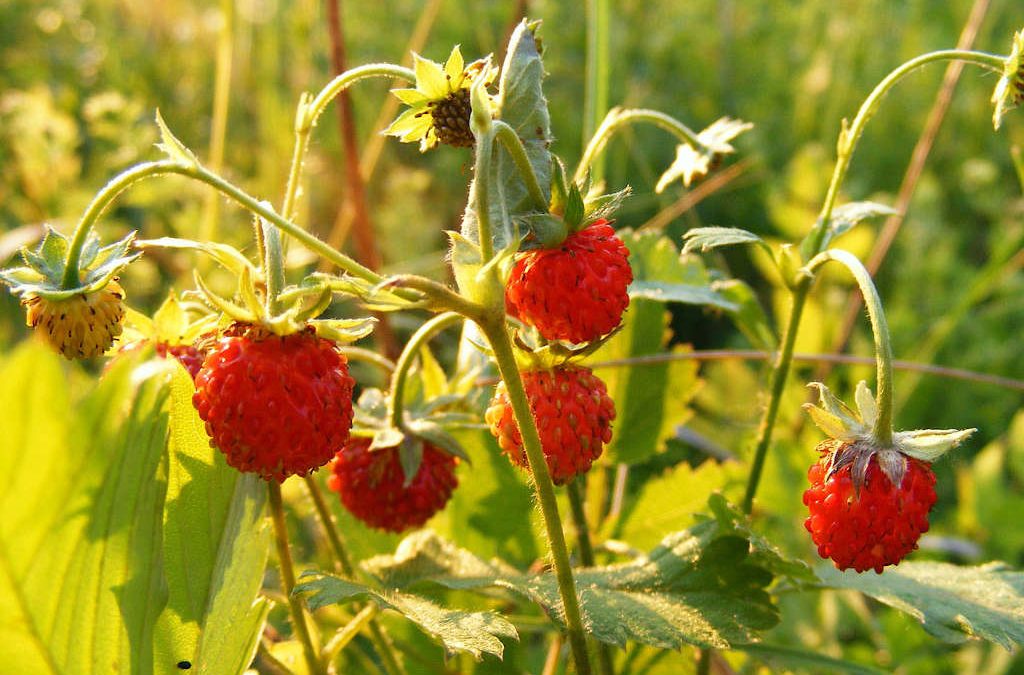
Wild Strawberry (Fragaria vesca)

I adore wild strawberries! As far as I am concerned they are the ULTIMATE wild food. I love bilberries too, or raspberries, or blackberries, for that matter, but nothing on this earth beats wild strawberries. When their season comes, I eagerly check all my favorite gathering grounds to make sure they are progressing nicely. I try to restrain myself, but inevitably I end up picking some prematurely, not half the delight as the fully ripened berries - so I leave them be and just keep coming back to see how they are progressing. Happily, wild strawberry is one of those plants whose season is quite prolonged. Depending on factors such as exposure to sunlight and altitude it is possible to harvest them over a period of a couple of months. Of course, competition from birds and slugs can be tough.

It is not just the flavor I love about these precious little berries - it’s everything: The innocent appearance of their dainty little flowers would never lead one to suspect the scrumptious surprise their cute little berries will yield. Some foragers find picking them a tedious task - this may be true, but the effort is so richly rewarded. Unfortunately, I rarely manage to gather enough to take home for later. Most of them go straight from the plant to the gullet, without much further ado. I just can't help myself. I have convinced myself that they don't last very well and that even in the short space of time it would take to get them home they would lose too much of their deliciousness. Best to just eat them on the spot. This is the true and honest reason why I can't give any recipes that I have actually tried and tested myself. But I am quoting other sources who evidently have a larger patch closer to home, or are simply more disciplined. My personal recommendation would always be to eat them on the spot whenever you can and don't tell anybody.

Medicinal properties

Dried strawberry leaves make a very good breakfast tea. The fruit are cooling and refreshing and are very useful for cooling feverish conditions. According to Linnaeus, they are also useful in the treatment of rheumatic gout. Particularly the leaves are highly effective in washing out uric acid crystals.

These days the plant is largely ignored in medical herbalism. The little berries are simply appreciated for their taste. But Hildegard von Bingen never liked the plant:

'The herb on which wild strawberries grow is more warm than cold. This herb brings mucus to the person who eats it and is not as beneficial as a medicine. Indeed, the berries themselves make the mucus in the person who eats them. They are not good for a healthy or sick person to eat because they grow near the earth and because they also grow in putrid air.'

Respectfully, Frau von Bingen, I most profoundly disagree!

Mrs. Grieves has a greater appreciation, although she found it a bother to gather the little berries. She mentions an interesting cosmetic use of strawberries:

How to remove stains from teeth.

'If the juice is allowed to stay on for about five minutes and the teeth are then cleansed with warm water to which a pinch of bicarbonate of soda has been added.'

Wild strawberries are also said to be effective in removing plaque and tartar from teeth.

Recipe

Mrs. Grieves also gives an old, somewhat elaborate recipe, which someone here might like to try:

'Gather strawberry leaves on Lamas Eve (1 Aug) press them in the distillery until the aromatic perfume thereof becomes sensible. Take a fat turkey and pluck him, and baste him, then enfold him carefully in the strawberry leaves. Then boil him in water from the well, and add rosemary, velvet flower (?), lavender, thistles, stinging nettles, and other sweet-smelling herbs. Add also a pint of canary wine, and half a pound of butter and one of ginger passed through the sieve. Sieve with plums and stewed raisins and a little salt. Cover him with a silver dish cover.'

CAUTION: People prone to allergies should avoid strawberries.

the Elder-tree in myths, magic, and medicine

the Elder-tree in myths, magic, and medicine

The Elder tree - medicine cabinet of the country people

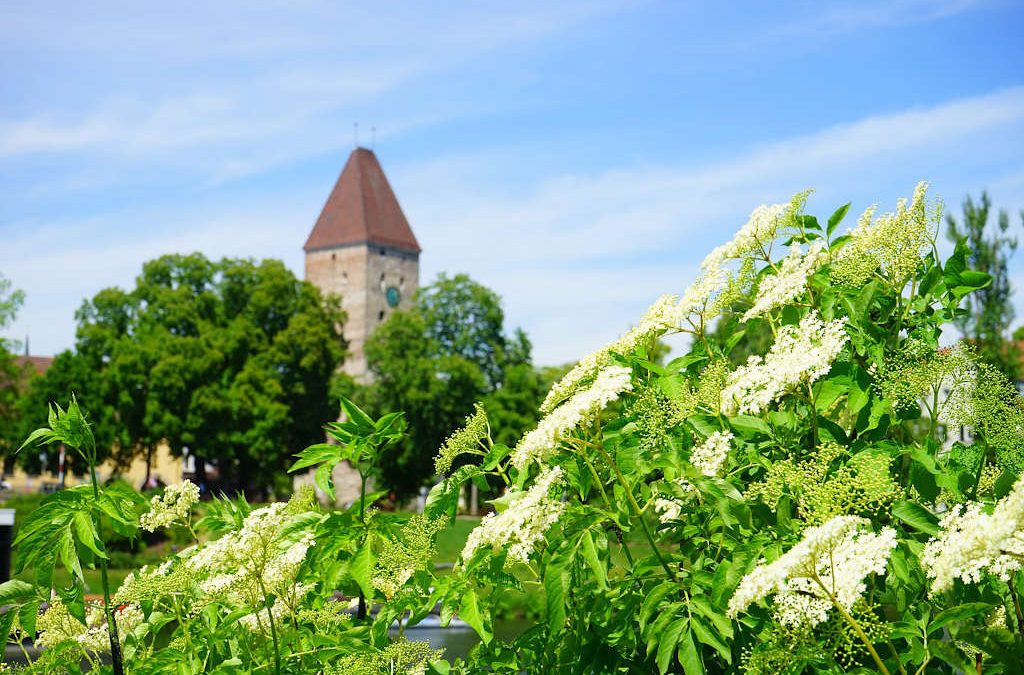
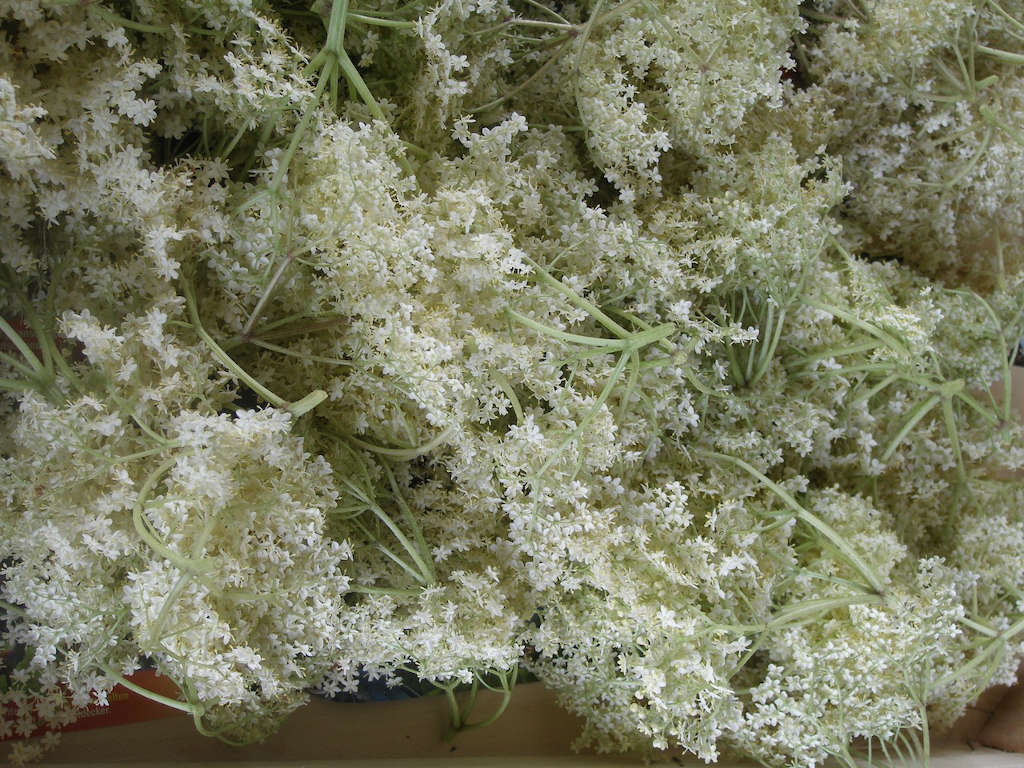
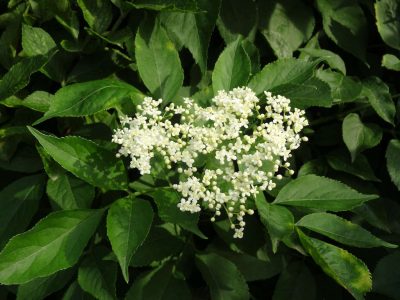
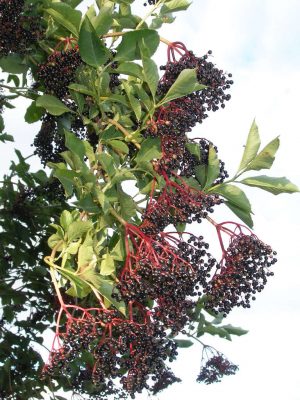
This much loved, bushy tree is a common sight throughout Britain (especially in southern England) as well as in most parts of central and southern Europe. Its multiple stems branch frequently, giving it a somewhat sprawling appearance. The light grey bark is fissured and covered with many lenticels (breathing pores). The branches are bendy and contain a core of very light, almost cork-like pith, which can easily be removed. Generations of children have taken advantage of this property, making pipes and pop-guns from hollowed-out twigs. The pinnate leaves have opposite, ovate leaflets with serrated margins and one larger terminal leaflet. The flowers appear in May, forming big umbel-shaped bunches of tiny 5-petaled, cream-colored star-shaped flowers. They exude a heavy, sweet, slightly intoxicating scent, especially at dusk. By the end of the summer they develop into drooping bunches of small purple-black berries that are extremely popular with the birds.

HABITAT:

As a nitrogen loving plant Elder commonly grows near farms and homesteads and thrives near organic waste disposal sites. Elder is often grown as a hedgerow bush, since it takes very fast, bends into shape easily and grows quite profusely, hence its reputation as an 'instant hedge'. It is not fussy about soil type or pH level and will grow wherever it gets enough light.

HISTORY, MYTHOLOGY, AND FOLKLORE

SYNONYMS:

Pipe tree, Ellhorn, Black Elder, Bore Tree, Bour Tree, Eller, Holler, Hylder, Hylantree, Holunder (German), Sureau (French)

The name 'Elder' probably comes from the Anglo-Saxon word 'Aeld', for ‘fire’, which starts to make sense when we look at another old name for Elder, ‘Ellhorn’. This name derives from the use of hollowed Elder branches as blow furnaces.

Old names, like Holler, Hylder, Hyllantree, and the German word ‘Holunder’ all refer to an ancient vegetation Goddess known in Denmark as 'Hylde Moer'. In the old days, Elder was considered sacred to this Goddess. Elders were often thought a little spooky. They were believed to be inhabited by a 'tree dryad', a kind of tree spirit that represents the soul of the tree, or even an aspect of the Goddess herself. If treated well and respectfully the dryad appeared as a most benevolent spirit that blesses and protects those who care for it. Elders often grow close to human habitations and since they never get struck by lightning, they were thought to protect the homestead against this danger as well. There has long been a widespread taboo against cutting down Elder trees or burning any of their wood. It was thought that the dryad would take revenge and punish the offender with bad luck - or, toothache (Romania). According to ancient folk beliefs, toothaches are seen as ‘supernatural’ and understood as a form of divine punishment. The only legitimate reason for cutting down an Elder tree or to take any part of it, was to use it for medicine, or as a protective charm. To this end, the dryad was asked reverently and asked for permission.

With the head bared and arms folded, the following was recited:

'Lady Ellhorn, give me some of thy wood, and I will give thee some of mine when it grows in the forest.'

With the rise of Christianity and the subsequent persecution of any form of tree worship the sacred Elder tree became a witches tree and the old stories were reframed to suit the narrative of the new religion. In Christian mythology, Elder was portrayed as a tree of sorrow, because Judas was said to have hung himself from the branches of an Elder tree and this is supposed to be the reason for its stooped appearance and bendy branches: never again should anyone commit suicide with the help of an Elder tree. And to make matters worse, the cross upon which the Savior was crucified was said to have been fashioned from Elder wood. Such a disgrace the Elder tree could not bear and so it has never again been able to grow upright and tall as other trees do.

Nevertheless, some of the older beliefs have lived on and country folk continued to use Elder for protection of house and barn. They pinned the leaves above the doors to ward off evil witches, daemons, and other nefarious influences.

During the Middle Ages such folk magic was practiced all over Europe and many curious customs evolved as pre-Christian and Christian believes got muddled and merged. But without the proper context of the ancient beliefs they turned into superstitions, For example, it was thought that witches and sorcerers could be revealed if one was to cut the inner pith of the twigs to make flat disks. These were dipped in lamp oil and set alight to float them in a glass of water. However, the magic trick only worked on Christmas Eve.

Conversely, one could also use the Elder to enlist the devil for one's own purposes. On the January 6th (Bertha Night), when the devil is said to go about 'with special virulence', one could try to obtain some of his 'Mystic Fernseed', which was believed transfer the strength of 30 or 40 men, to the keeper, protect furniture from woodworm, repel snakes and mosquitoes and cure toothaches. To obtain this magic substance, one must cast a magic circle for protection, the boundary of which one must not be broken under any circumstances. Further protection was offered by carrying some Elderberries that had been gathered on St. John's night. But since Elderberries are not ripe at this time of the year this practice appears a little spurious. A more likely version of this ritual recommends casting the circle with a magic wand made of Elder wood.

Elderflowers

Elderflowers

Note: In the old religion the 12 nights of Christmas were regarded as the turning point of the year when the battle between light and darkness culminates and the Sun is reborn. They correspond to the 12 days of midsummer, at the summer solstice, which in the Christian calendar is celebrated on St John’s Day. These periods were the most important time in the ancient pre-Christian ritual calendar. It was said that at these times the veils between the worlds are thin and spirits come and go easily between the spheres of existence. It is for this reason that superstitious practices involving clairvoyance and fortune-telling were often practiced at these times.

Elder's reputation to offer protection against evil spirits seems to be ubiquitous and can be found from Russia to Romania and from Sicily to Scotland. A less common custom comes from Serbia, where Elder twigs used during nuptial rites, were believed to bestow good luck to the newly-weds. More recently, in Victorian Britain, it was thought that a couple who shared a glass of Elder-infused Ale would marry within a year.

The ancient vegetation Goddess presided over the cycle of life, from the cradle to the grave. However, she was also believed to bestow the power of regeneration and ultimately, of rebirth. Her rhythms were reflected in the waxing and waning of the moon and the cycles of the seasons. As above, so below, as within, so without. Naturally, her rhythms were also applied to the human life-span. Thus, the Goddess of life is also the Goddess of the Underworld, who protects and regenerates the souls of the departed. At funerals, green Elder twigs were often placed into the coffin for protection on the journey to the Otherworld. Christian and pre-Christian beliefs often merged into compounded folk customs with elements of both traditions. In Tyrol for example, Elders were planted on graves and trimmed into the shape of a cross. When the tree starts to flower, the soul was believed to be happy.

An interesting custom from Romania illustrates the Goddess’s power of regeneration. At Easter it was customary to sacrifice a pig. The pig's inedible remains were given a ceremonial burial and an Elder-tree was believed to sprout from its grave in the following year. Easter/ Spring Equinox is the time of regeneration, the time when the Earth-Goddess awakens the land and blesses the people with her abundant gifts. Both pigs (as an emblem of self-sacrificing motherhood and the principle of nurture) and Elder trees were deemed sacred to this ancient Goddess on account of their obvious attributes of abundance and fertility.

In Denmark, Hylde-Moer, as the Goddess was known, presided over the fairy realm. Fairies are creatures of the Otherworld, but from time to time, especially at the summer solstice, they venture into our world. To watch them on their way to their Midsummer night's feast, one could hide out in a grove of Elder trees. (Drinking ample quantities of freshly made Elderflower champagne whilst hiding in the bushes might enhance the experience).

Elderberries

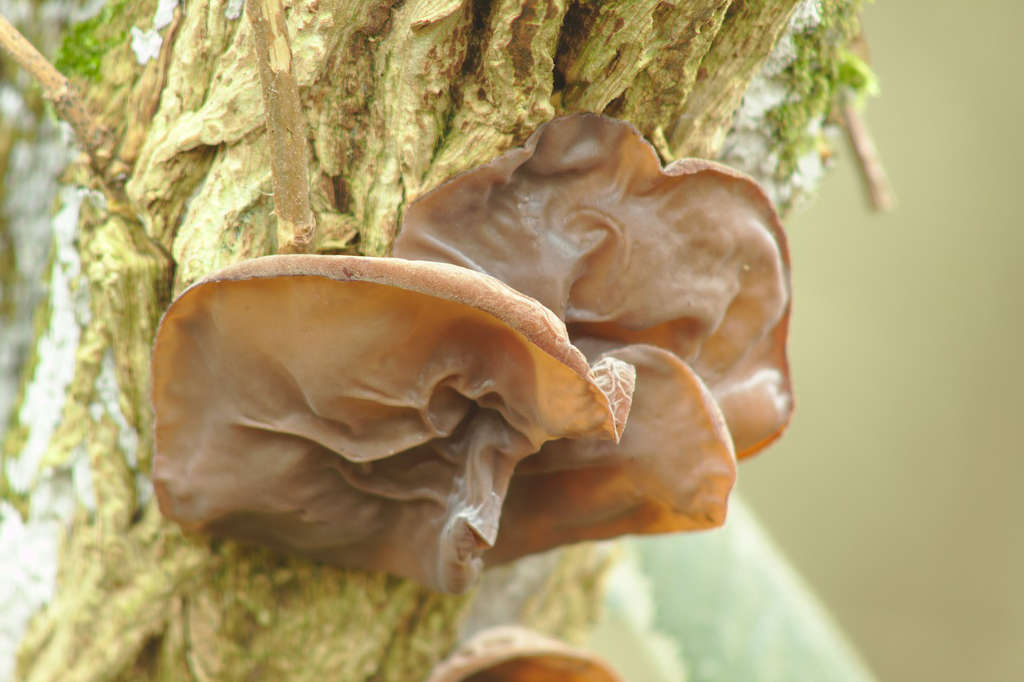
The Elder tree has often been described as the medicine chest of the country folk. But even today modern herbalists employ many of its medicinal uses. In 1644 a book dedicated entirely to the virtues of the Elder was translated from Latin to English: on 230 pages the author sings its praises. The book was so popular that it ran through several editions in both its English and Latin versions. According to the author, every single part of the plant was deemed medicinally useful. It even references an edible fungus known as 'Judas Ear' (alluding to the above-mentioned myth), which grows on Elder trees. It should come as no surprise that its medicinal powers were said to be effective for quinsy, sore throat, and strangulation (!).

Judas-Ear

Judas-Ear fungus


The elder itself was considered a panacea capable to relieve almost any ailment, 'from toothache to the plague'. It seems like a whole apothecary could be stocked solely from the many preparations that could be produced from its various parts: 'a rob or syrup, a tincture, a compound mixture, an oil, or ointment, a distillation, and a distilled flower water, a liniment, an extract, a salt, or a conserve, a vinegar, an oxymel, a sugar, a decoction, a bath additive, a cataplasm, and a powder', made from one, several, or all parts of the plant. However, in the old days, it wasn’t just the biochemical activity that was considered medicinally active. The plant’s subtle energy also played an important role, especially in the many folk healing practices that were based on sympathetic magic.

Rheumatism, for example, could be treated with a charm or amulet that was made by tying several knots into a young Elder-twig. This charm had to be kept close to the body to unfold its power. Elder was also believed to cure warts: the wart was to be rubbed with a freshly cut twig, which was not carelessly discarded, but buried in mud, where it was left to rot. Other, more forms of 'transfer magic' were also common. The imagination at the root of such practices was that trees in particular are much stronger and resistant than the feeble human body. They were thought capable of absorbing and thereby to neutralize the evil energies that were thought responsible for the disease. Many trees were used similarly, depending on the symptoms of the disease and the availability of various species of trees.

CONTEMPORARY MEDICINAL USES

Elderflowers and berries are still used modern herbal medicine but since heroic medicine went out of fashion, the use of other parts, such as the leaves or inner bark, has been discontinued.

PARTS USED:

Flowersdried or fresh

Berries: best preserved as cordial, syrup or wine

CAUTION:

The fresh roots of the American Elder (Sambucus canadensis), which closely resembles Sambucus nigra, are extremely poisonous and can cause death if ingested.

Native Americans value a close relative of Sambucus nigra known as 'American Elder' (Sambucus canadensis), with very similar medicinal properties. Many of its reported uses closely resemble those of S. nigra in the Old World.

elder flower

FLOWERS

HARVEST TIMES: Early summer

CONSTITUENTS: Triterpenes, fixed oil containing free acids, alkenes, flavonoids

ACTIONS: Diaphoretic, diuretic, anti-inflammatory, expectorant

INDICATIONS:

Elderflowers have long been used as a treatment for various inflammatory and congestive conditions of the respiratory system, especially when these are accompanied by fever. An infusion is given for cough, colds and flu, asthma, and hay-fever. The diaphoretic action helps to reduce the fever, which makes it useful in the treatment of infectious diseases such as measles, and scarlet fever. Externally, an infusion of Elder-flowers can be added to the bath-water for a wonderfully refreshing effect, to soothe irritable nerves, and to relieve itchy skin. Cooled, the infusion can be used as an eyewash for sore, itchy and inflamed eyes. Earache may be relieved by means of a poultice made from the flowers. For this purpose a small linen bag is filled with the flowers, dipped in hot water, and squeezed to press out any excess liquid before it is applied to the aching ear.

elderberries

BERRIES

HARVEST TIMES: late summer, early autumn

CONSTITUENTS: Viburnic acid, odorous oil, tyrosin, inverted sugar, tannin, vitamin C and P and B2

ACTIONS: Aperient, diuretic, source of nutrients and vitamins

INDICATIONS:

The berries are rich in vitamins and minerals and are best used as a tonic to ward off winter ailments, which boost the immune system. Vitamin B2  in particular is indicated as effective in the treatment of pneumonia. Elderberries are a valuable alterative remedy that can be used to combat rheumatic conditions. They also soothe sore nerves and help to improve poor circulation.

GENERAL USES

Hedging:

Elder is a familiar hedge plant. The bendy branches can easily be trimmed and laid, thus creating effective protection against wind and erosion.  Such a hedge also makes a wonderful wildlife habitat, especially for birds, who love the berries. Country lore testifies to the popularity of Elder as a hedging plant. An old proverb praises its durability:

'An Elder stake and a blackthorn 'ether will make a hedge to last forever.'

Tool-making:

Whilst the branches are bendy and flexible, the heartwood and rootstock are extremely strong and have been used for making handles, stakes, fences, combs, and even instruments. According to country lore, a stake of Elder wood driven into the ground will last longer than an iron stake of the same size. 'The Latin name of the plant, 'sambuca' refers not to the high-octane alcoholic drink of the same name (although this too is a product derived from Elder) but to an ancient musical instrument that resembled a harp. It is likely that Elder wood was once used to make these instruments.

Insect and vermin repellent:

Cattle appreciate the presence of Elder in their pasture and seem to instinctively recognize its insect repellent properties. Cows often rub themselves on the stem and branches and stay in its shade to discourage insects. In the past, when fieldwork was still done with the aid of horses, it was a common practice to fixate some Elder leaves to the harness to ward off flies just as fieldworkers fixed the slightly bruised leaves to their hats for the same effect. A decoction of the leaves can be also be used as an insect repellent. The smell of the leaves has been likened to that of mice nests. Mrs. Grieves (A modern herbal) mentions their use for repelling mice and moles.

Young Elder shoots are thought to be effective against blight. A recipe including Elder leaves, iron and copper sulfate, soft soap, nicotine, methylated spirit and slaked lime has been used for this purpose, although organic gardeners just use a decoction made from the young shoots as an insecticide to combat aphids and small caterpillars.

Cosmetics:

In Victorian times, distilled Elderflower water was a highly valued emollient lotion. It was said to cleanse the skin, keeping it young and free of freckles and blemishes. Hard to find, nowadays, but there has been a revival of interest in Elder products and Elderflower water is once again produced commercially.

Dyes:

The bark, leaves, and berries can all be used for dyeing. The bark yields a black dye, a decoction of the leaves with alum produces a green, whilst the berries with alum, dye purple or, if salt is added to the mix, produce a lilac color.

Fodder:

Not all domestic animals are keen on Elder as forage. Sheep and cows don't seem to mind it, but horses and goats have no taste for it. Sheep suffering from foot-rot are said to deliberately seek out Elder trees for self-medication. Wild birds love the berries, but chickens do not take to them.

Culinary uses:

The best-known culinary uses of Elderflowers and berries are the many delicious drinks that can be made from them. Numerous recipes for country wines, syrups and cordials have never lost their appeal and are still widely used in country areas in Britain and Europe. Such drinks are not simply delicious but are also medicinally valuable.

Elderflower Fritters

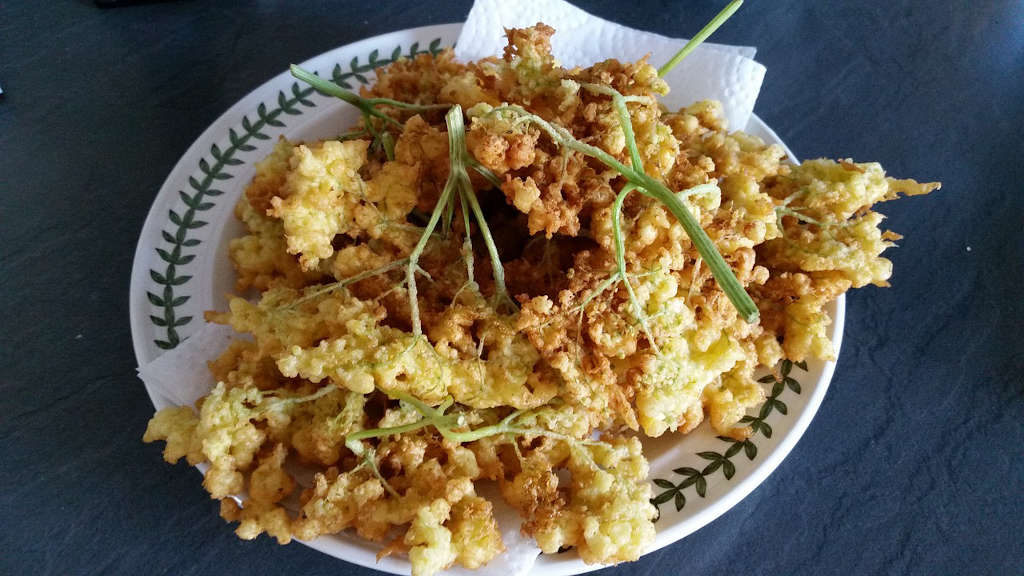
The flower heads, dipped in batter and deep-fried, make delicious fritters and can be served with maple syrup and lemon juice.

Hedgerow Jam

The black, fully ripe berries can be made into a delicious hedgerow jam, but the green, unripe berries are poisonous and should be avoided. Even the ripe, fresh berries retain some of this poison, which it is recommended that the berries are not eaten fresh off the bush. They should be heated to 100°C prior to consumption.

elderflower-fritters

The Old Tree and the Carpenter

The Old Tree and the Carpenter

One day, a carpenter and his apprentice were traveling through the countryside. They came upon a beautiful ancient tree standing by an earth altar. The carpenter's apprentice was admiring the ancient being but the old carpenter exclaimed: look at that useless old tree, it is no good for anything. If one was to cut it down to build a ship with it, the ship would soon sink or if one were to make tools from it they would soon rot, it's a completely useless old tree.

Later that night the two retired at an inn nearby. During the night the old carpenter had a dream. The old tree appeared to him and spoke: You want to compare me with your domesticated trees, like hawthorn, pear, apple or cherry or whatever else bears fruit for you? No sooner as they produce their crop for you they are abused and violated. You cut their branches and slice their bark. Thus their generosity is their own demise. By merit of their gifts, they endanger their own lives and rarely reach their ripe old age. Such is common practice. Therefore I have long since tried to be as useless as possible. You, mortal! What if I had some use to you - I would never have reached this age and size, I would have been cut down for my wood a long time ago. And besides, you and I are creatures alike, why should one creature pass judgment upon the usefulness of another? What do you, a mere mortal and useless human, know about the 'useless' trees?

When the carpenter woke from his dream the next morning he thought deeply about its message. When his apprentice later asked him why this tree, in particular, came to serve at the earth altar the carpenter answered: quiet, now, let's not speak about it anymore. The tree chose to grow there because otherwise, those who did not know him would have abused him. Had he not grown by the earth altar surely he would have been cut down for his wood and died.

We tend to place more value on the things that can be fashioned from plants than on nature herself, or the plants on which we depend. But, all of nature is sacred and has an innate and inalienable value, which it is not for us to judge. 


Burdock – Arctium Lappa

Burdock – Arctium Lappa

Foraging Burdock

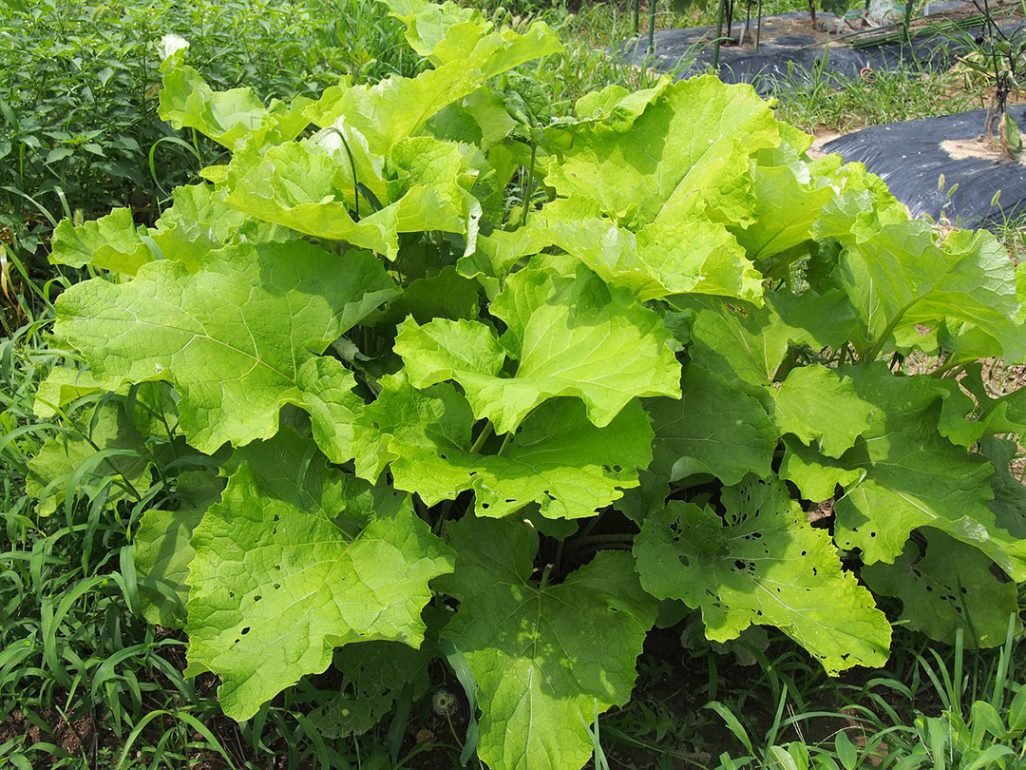
Burdock may not be the prettiest herb, but it is certainly one of the most eye-catching: With its huge heart-shaped leaves that form an impressive rosette during the first year and tall stalk that forms in the second year often reaching a height of more than 5 ft tall, it is hard to overlook this plant. Even if you are oblivious to the plant-life around you, if you have a dog, chances are that you have at least made acquaintance with Burdock seeds. The sticky burs cling to fur by little hooks and are quite difficult to brush out.

Velcro - biomimicry at its best

Ingeniously, Burdock's burs have inspired the invention of Velcro. The sticky tape has been modeled on Burdock's hooks. This is a fine example of biomimicry. Nature has invented so many incredible forms to serve all sorts of functions. And she solves such tasks often far better than we could invent. 

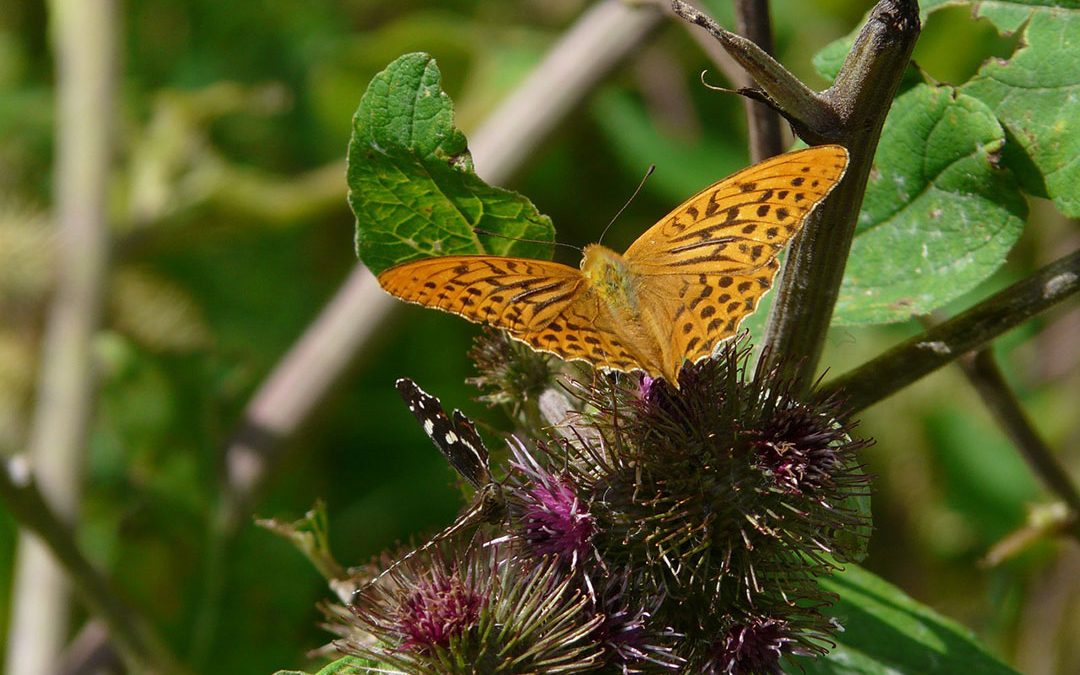
But this is only one of the amazing properties that this Cinderella plant has to offer. Burdock is rarely welcome in the yard, much less in carefully groomed gardens, despite the fact that bees and butterflies just love it for its generous supply of nectar.

If you keep your eyes open in early spring you will notice Burdock's leaves first. The huge rosette of heart-shaped, somewhat wavy leaves, sprouts as an expansive rosette that somewhat resemble rhubarb leaves, but grow much more closely to the ground. Burdock is biennial, which means that it does not send up its flowering shoot until the second year.

When to gather Burdock

Foragers diverge in their opinions as to the best time to collect Burdock. Roots are usually collected either in spring or in the autumn. The autumn roots are best as 'foraged food'. In spring, the vital power has risen into the stalk, leaving the root a bit depleted. However, the actual medicinal compounds are more concentrated in the roots at that time. For foragers, autumn gathered roots and spring /early summer gathered leaf- and flower-bearing stalks are best. Don't leave it too late lest they get tough.

The leaf stalks can get quite stringy. It is best to peel and cut them and to pull the strings out. They are best in soups, casseroles or pies and give them a flavor that is reminiscent of artichoke when cooked.

The leaves are not used for food. They tend to be coarse, bitter and tough - not exactly enjoyable. The only exceptions are the very young fresh shoots, which appear early in spring. The roots, on the other hand, are delectable, although it requires a determined effort to get them out of the ground. The long taproot needs to be lifted with a digging fork. Once brought to the surface they must be thoroughly cleaned and peeled to cut away the tough, outer skin. The white root flesh itself has a slightly sweetish, nutty flavor that is sometimes compared to Jerusalem Artichokes. The roots are excellent when thinly sliced or pureed. They can be added to stir-fry vegetables or to stews and soups.

Burdock as a healing food

Burdock, like so many of our wild weeds, offers both nutritional and medicinal benefits.

In Japan, Burdock is cultivated and sold as ‘Gobo’ on the market. One can sample it at Japanese Restaurants where it can sometimes be found as a component of sushi rolls or as a side dish.

As a healing food, the root is particularly recommended for those with metabolic syndrome or for people who suffer from diabetes. Burdock root is rich in inulin, a dietary fiber that is not broken down by the small intestines but nourishes beneficial bacteria that populate the colon. Inulin thus acts as a pre-biotic that helps to normalize the intestinal flora and to balance the blood sugar levels.

Burdock as an aphrodisiac

Perhaps the Japanese like it so much because they are in on its secret. Burdock is said to fortify the body, and to give it endurance. This staying power has given it the reputation of having aphrodisiac powers, for which it is highly valued in Japan.


Burdock as a tonic energizer

But Burdock does more than just turbo-charging the libido motor. Its overall action can be described as 'purifying'. It doesn't so much add extra energy than remove that which blocks its free flow. Burdock stimulates the metabolic rate. It thereby gently, but persistently activates and tones all the organs of elimination, and induces a process of inner cleansing.

Its energizing quality is hard to describe. Perhaps it is best likened to putting a good, sustaining log on the fire, such as oak or apple. A log that burns slowly and steadily and develops an intense, but even heat, as opposed to e.g. pine, which burns in a flash. Burdock's energy activates all the functions of the vital organs, thus improving, cleansing and toning the entire body. For this purpose, the fresh root is infinitely more powerful than the dried material.

Burdock as a liver tonic and blood cleanser

In medical herbalism, Burdock root is considered a 'liver herb'. One of the most important jobs that the liver performs is that of detoxing the blood. Burdock is of great aid in this regard. It is often used to help promote proper elimination which clears toxins from the body. Such toxins are often at the root of skin conditions such as acne, eczema, psoriasis and similar.

Burdock as a wound healer

One of the less well-known powers of Burdock is the fact that it makes an excellent vulnerary. For this purpose, both, the freshly grated roots, or the fresh, mashed leaves can be applied as a poultice to wounds, bruises, and badly healing sores. Simultaneously, an infusion or decoction of the root can be given in order to help the body rid itself of impurities and to facilitate inner cleansing by supporting the liver and the kidneys.  Burdock and Nettle root extracts are made into a hair lotion to prevent the loss of hair.

Burdock's anti-tumor activity

In the alternative healing community it has long been used for treating cancer.  Various salves and decoctions are on the market, but the best known in this category is a tea known as 'Essiac' of which Burdock is a key ingredient.

Recent research has shown that both the seeds and the roots of Burdock have anti-tumor properties. However, Cancer is a serious disease that should be treated by a competent medical professional.

(https://www.ncbi.nlm.nih.gov/pmc/articles/PMC5464502/

Burdock hair-tonic

Burdock is said to stimulate hair growth as well as soothe an irritated scalp. One can prepare an easy rinse by making a strong infusion of the bark. Alternatively, the freshly pressed root juice can be blended with oil and applied as a tonic hair pack. But, make sure to lather the hair well before rinsing it all out with water, otherwise, you will end up with an almighty mess.

Burdock with its huge, heart-shaped leaves

Recipes

NOTE: Beware that handling the stalks without gloves can stain the hands. Use gloves for picking and preparing.

Creamy Burdock leaf stalks

The leaf stalks of the first year's growth make a fine vegetable. Cut off the leaves and chop the stalks into smallish chunks. Steam in a little bit of water with some salt and sugar until tender (no longer than 10 minutes). Make a rue with the cooking water and a little butter and some oatmeal. Add some Crème Fraiche, an egg or a little cheese.

Burdock Bake

The same kind of idea can be modified to make a kind of burdock bake: Prepare some Bulgur wheat and mix with the stir-fried leaf stalks (take care not to overcook the stalks). Make a 'custard' with 2 eggs, crème fraîche, a little bit of milk and melting cheese, mix with the Bulgur and burdock and bake in the oven for about 30 minutes. This recipe can be adjusted to taste: add other vegetables, such as onions, sliced carrots and garlic, and season to taste.

Au Gratin

Similarly, Burdock stalks can be prepared 'au gratin'. Leave out the Bulgur wheat and just layer the pre-cooked stalks. Pour a mixture of seasoned eggs and crème fraîche over the stalks and sprinkle with cheddar cheese or similar. Bake in the oven for about 25 minutes.

The leaves are usually a bit bitter and most people don't like them as a vegetable. However, the young shoots are edible, especially when mixed with other, mild greens, or added to a cheese omelet. They can also be added to soups.

The roots are hard to dig for, but make an excellent root vegetable, which can be roasted, pan-fried, mashed like mashed potatoes or added to soups. 

Dandelion and Burdock Beer

(from 'The New Herbal' by Richard Mabey)

https://amzn.to/37oEdKl (amazon)

Dandelion and Burdock Beer is an old, traditional spring tonic in rural Britain.

Ingredients

  • 1lb young nettles
  • 4oz dandelion leaves
  • 4oz fresh sliced, or 2 oz dried burdock root
  • ½ oz bruised ginger root
  • 2 lemons
  • 1-gallon water
  • 1lb + 4 teaspoons demerara sugar
  • 1 oz cream of tartar
  • Brewing yeast (use amount according to instructions on the package)

  1. Put the nettles, dandelion leaves, burdock, ginger and thinly pared rinds of the lemons into a large pan.
  2. Add the water, bring to the boil and simmer for 30 min.
  3. Put the lemon juice, 1 lb sugar and the cream of tartar into a large container and strain on the liquid from the pan, pressing down well on the nettles and other ingredients.
  4. Stir to dissolve the sugar.
  5. Cool to body temperature.
  6. Sprinkle in the yeast.
  7. Cover the beer and leave to ferment in a warm place for 3 days.
  8. Rack off the beer and bottle it, adding ½ teaspoon demerara sugar per pint.
  9. Leave the bottles undisturbed until the beer is clear - about 1 week.