Foraging Dandelion

Foraging Dandelion

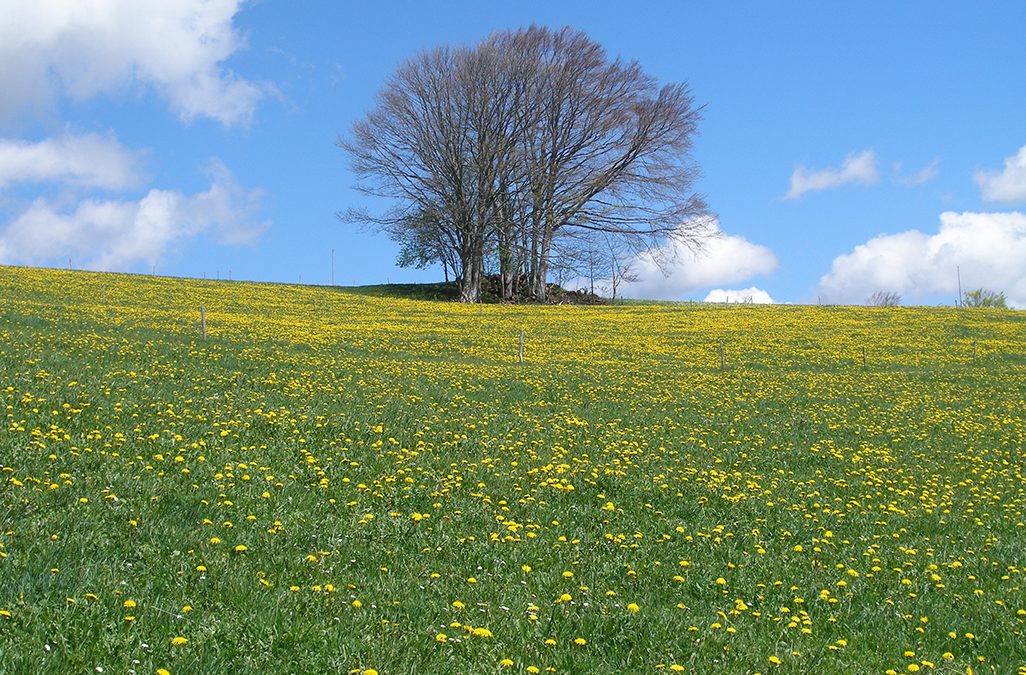
Everybody loves Dandelions! Nothing gladdens the heart more than the sight of a meadow covered in its bright yellow bloom. They are such a truly plentiful spring delight that there is hardly a lawn where they cannot be found. However, lawns are not where they are most welcomed. Not at all delighted by this little spring greeting, gardeners often spare no effort when it comes to banning them from their yards.


T'is folly! If they knew its true value perhaps they would not be so ungrateful. Dandelion is surely one of the most beneficial plants available - it is a blessing that it is so resilient and abundant!


From the earliest days of spring, its bright yellow flowers appear like miniature suns that beam back at the big daddy in the sky.


Every part of this plant can be used for food or medicine. Even the seeds, as every child knows: they tell the future, and one can blow one's wishes and prayers to the wind which will be carried to the heavens on their dandy little parachute seeds.


History and Uses


According to the doctrine of signatures, Jupiter owns this herb. It seems quite fitting, considering its prolific nature. Jupiter is larger than life and does nothing by halves. However, the old herbalists were also concerned with the essential nature of an herb when determining its planetary ruler: bitter herbs, especially yellow ones, were often assigned to Jupiter. Often, as in this case, such herbs had an affinity with the liver, Jupiter's seat in the human body. Liver herbs are almost always bitter, as the bitter principles stimulate liver function and help with the work of breaking down fats and cleansing the body of toxins.


The liver also plays an important part in hormone regulation. Despite their bitter taste, liver herbs can ‘gladden the heart’. They combat common afflictions such as the 'winter blahs’ and other hormonal ups and downs, including the menstrual cycle, or the menopause. Jupiter is the eternal optimist and many of his herbs help to lift the spirit.


After the sedentary winter months, Dandelion is just what we need to detox the liver and to brighten the spirits. This is particularly true when we ate too much and moved too little, indulging in heavy, greasy foods neglecting our greens. In the old days, seasonal availability was limited as there was no such thing as greenhouse vegetables or imports from the other side of the planet. Thus, Lent was a time of fasting and purification intended to shake off the winter sluggishness and get in shape for spring. Dandelion is one of the best herbs to support such a spring cleaning effort.


Medicinal action


The roots are particularly good for the liver, while the leaves have a more pronounced effect on the kidneys. The French name for this herb 'pis en lit' (piss in the bed), is a rather to-the-point descriptive term. There are many highly effective diuretic herbs, but Dandelion is unique in that it does not deplete potassium levels as many other diuretics do. On the contrary, it is a rich source of Potassium as well as a host of other vitamins and minerals, including vitamin C and A, calcium, iron, manganese, and phosphorus. It also contains choline, a substance that helps the liver to metabolize fat.
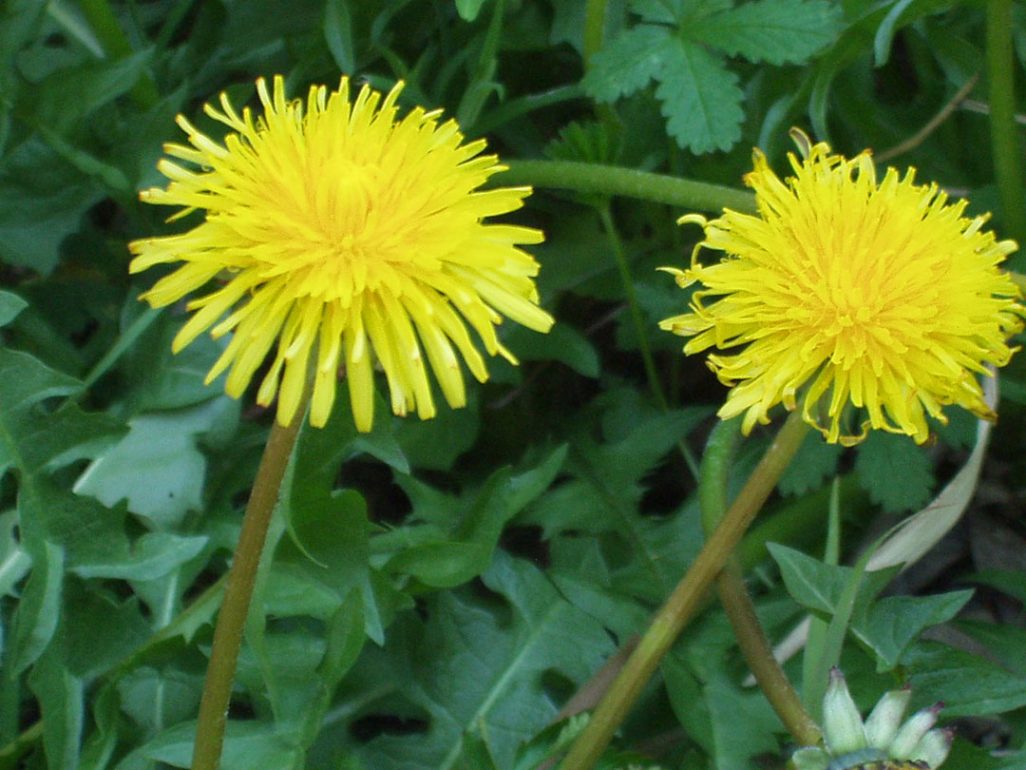
 

Dandelion


Foraging


Dandelion is truly one of the most healthful plants one could possibly add to one's diet. It can be used freely and without fear of any ill effects (except perhaps bedwetting). 


For the foraging gourmet, the medicinal uses are all very well, but better still are the myriad ways in which this wonderful herb can be transformed into various culinary delicacies:


Happily, for the forager, all parts of the Dandelion are edible and this is a plant that suffers no lasting ill-effects from the collection of its roots. In fact, it more often encourages it to grow, since every small bit of Dandelion root that breaks off or is left in the soil will produce more Dandelion plants.


For culinary purposes, it is best to collect older roots as the younger ones are just too small. Beware that Dandelion roots are bitter. They may not make the tastiest vegetable, but they make a very wholesome and very passable coffee substitute.


Dandelion Coffee


To make Dandelion coffee, gather the roots either early in the spring or late autumn (they tend to be sweeter in the autumn). Scrub them well to clean off all the dirt and let them dry before roasting them in the oven at a low temperature. People have different methods for doing this, some prefer to grind the roots before roasting them, others roast them whole. I prefer the whole root method as I feel that greater surface exposure during the roasting process also loses more of the nutrients. Roasting takes about 4 hours. To tell if they are ready, try to break one. When it is ready it will break with a snap and the interior will be dark brown. Now you can grind it. Store in a jar. Take about a teaspoon per cup of water to make a cup of Dandelion coffee. Add milk or sugar, to taste.


Stir-fries, fillings, and vegetable sides


Used sparingly, Dandelion roots can also be sliced and added to stir-fries, fillings, or vegetable sides. 

The unopened flower buds can also be sautéed very briefly. Serve with melted butter, salt, and pepper. You need a lot of them, to make this more than a 'one teaspoon experience'.

The very young Dandelion rosettes can be prepared as what my foraging friend Melana Hiatt calls 'yard squid’:


'Yard Squid'


Cut the Dandelion rosettes just below the ground with enough of the root to hold the leaves in place. Wash well, making sure all the grit and dirt are removed. To reduce the bitterness blanch them in salt water for about five minutes. (But remember that removing the bitterness also removes its medicinally active principles.) Dip in a thin egg/milk mixture, roll them in coarse cornflour or bread crumbs, or a mixture of both, then fry them in oil. The culinarily intrepid might like to season the crumbs/flour as well. Meat eaters can add bits of fried bacon or minced meat. Vegetarians can add toasted sunflower seeds sprinkled with Tamari or Soya sauce, if desired.


Dandelion Salad Greens


The young tender, leaves make excellent salad greens. Mix with other spring greens to mask the bitterness. Dandelion goes especially well with boiled eggs and cress-type herbs. As a dressing, try fruity vinaigrette (e.g. with raspberry vinegar), or a sweet and sour dressing made with yogurt, lemon juice, pepper, salt, garlic and a little sugar (and chilies, for those who like it hot).

 

Dandelion Greens


Pot-herb


The leaves can also be cooked as a pot-herb, or side dish:

Blanch in salt water for five minutes, remove from the heat and stir in butter or Crème Fraiche and seasonings.

Some like to prepare it so it takes on the consistency of fine spinach. Chop the leaves really fine or put them through a food processor, perhaps along with other herbs that may be available, such as nettles or garlic hedge mustard, for example. Sauté an onion, stir in the herbs, season with garlic, salt, pepper or chilies, cook for about 7 minutes, take off the heat and stir in some crème or crème fraîche for a more delicate flavor.


Dandelion Capers


Very early in the spring, when the small, tightly packed, unopened flower buds that are still hiding in the rosette, they can be marinated and prepared as 'capers'. Make a hot marinade with 1l vinegar, 50g sugar, 50g salt, pepper and spices (e.g. Bay leaf, thyme, coriander seed, chilies, whatever you fancy). Pour enough of the marinade over the still closed Dandelion flower buds to cover them and simmer for 5 - 10 minutes. Fill the marinated flower buds and the pickling juice into a sterilized jar and store in the fridge.  Store the rest of the pickling juice for another time.


Once the flowers develop, the leaves become increasingly bitter. Personally, I don't find this a problem, so long as I pick the young, tender leaves, and not the old ones. But if you are sensitive to bitter tastes, watch for signs that flowering season has begun to take your cue.


But the end of one season just marks the beginning of another: The flowers themselves can also be turned into delicious treats. For example deep-fried Dandelion flowers:


Prepare a light batter with egg, water or milk, and a little flour. Season to taste (e.g. coriander seed or cinnamon work well). Coat each fully opened flower head with the batter and deep fry quickly. Serve with Maple syrup and lemon juice. Yum!


Dandelion Country Wine


Dandelion flowers are also an essential ingredient of country wines. There are numerous wonderful recipes - far too many to mention here. But here are just a couple:

Gather 1 gallon of Dandelion flowers on a dry, sunny day.

Put these in a 2-gallon crockpot and pour 1 gallon of boiling water over them.

Cover the jar and allow the flowers to steep for three days.

Strain through a jelly cloth so you can squeeze all the liquid from the flowers.

Put the liquid in a kettle; add 1 small ginger root, the thinly pared peels and juice of 3 organic oranges and 1 organic lemon. Stir in 3 pounds of sugar and allow the liquid to cool until it is barely lukewarm. Spread ½ cake of yeast on a piece of toasted rye bread and float on top. Cover the crock with a cloth and keep it in a warm room for 6 days.

Strain the wine into a gallon jug, corking it loosely with a wad of cotton. Keep in a dark place for 3 weeks, then carefully decant into a bottle and cap or cork tightly. Don't touch it until Christmas or later.


from 'Stalking the Wild Asparagus', Euell Gibbons https://amzn.to/2D41e7n


For a Dandelion Dessert Wine, try this recipe:


On a warm, sunny day gather a large bag (a shopping bag) full of fully opened Dandelion flowers.


Place into a large pot, pour 4 liters of water over them and add the zest of one organic, untreated lemon, as well as the zest of one organic, untreated orange. Simmer gently for about 20 min. Allow the liquid to cool to body temperature and strain. Dissolve five chunks of fresh yeast in a little warm water and add this to the Dandelion liquid. Add other flavorings according to taste: perhaps an orange, some cloves, cinnamon or ginger...and 2 kilos of sugar (rock sugar or unrefined cane sugar is best).


Leave to ferment for about 6 days. Fill into bottles with the kind of stoppers you would use for making elderflower champagne. They need to fit tightly so that there is no danger of explosion. Flip lids, as can be found on old fashioned beer and lemonade bottles work great. Allow the wine to mature for a few weeks until the liquid is crystal clear. Only then yield to the temptation to try it.


Adapted from 'Holunder, Dost und Gänseblümchen', Heide Haßkerl https://amzn.to/2XC4qkf (German)


Dandelion Flower Syrup


For those who like it sweet, you can try making Dandelion flower syrup:


  • 500g Dandelion flower heads
  • 1.5 l Water
  • Unrefined cane sugar


Place the flowers into a large saucepan. Pour 1.5l of boiling water over them. Bring to a simmer, then turn off the heat and cover. Leave to infuse for 24 hours. The following day, strain and measure the resulting liquid. Add an equivalent amount of sugar e.g. 1 kg of sugar per 1 l of liquid. Let the sugar dissolve in the liquid as much as possible before returning it to the cooker. Heat the liquid while stirring frequently to avoid the sugar to burn. When all the sugar has dissolved completely fill the syrup into sterilized bottles with a pop-top lid.


This recipe can be varied according to taste: try adding a little ginger, orange juice and zest (only organic, untreated) or cinnamon.

Bon appetite!
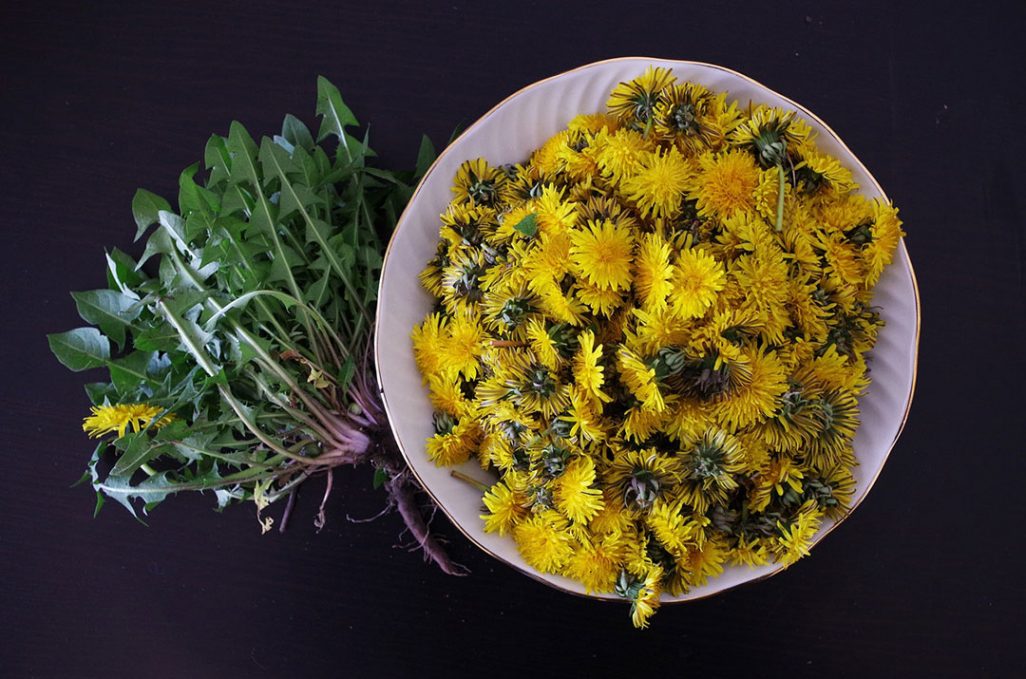
Dandelion Flowers

Stinging Nettles

Stinging Nettles

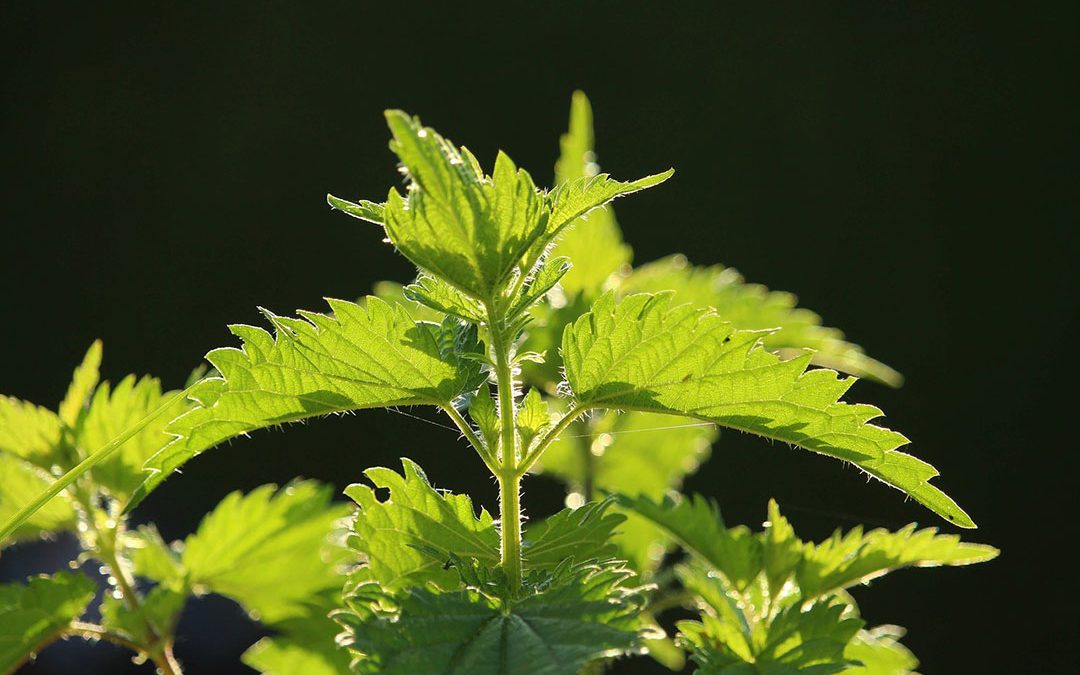
Foraging Stinging Nettles (Urtica dioica)

Few herbs are as generous as the humble stinging nettle. Inconspicuous, it assumes a modest corner in the garden: untended areas, half in the shade, perhaps near the compost where the soil is rich with nitrogen. Inconspicuous that is, until one happens to brush against it carelessly - which jolts our awareness rather painfully.

The Stinging Nettle is a warrior plant, armed with tiny needles that cover him from top to toe, leaves, stems and all. The lightest touch will break off the needle points, just like a hypodermic needle, and inject formic acid under the skin. This causes the sting.

But Nettles don't just protect themselves with this weaponry - they are extremely hardy and notoriously difficult to exterminate. Even concerted efforts fail to eradicate an established nettle patch. Nettles are earth defenders, they protect disturbed soils and assimilate nutrients. They cleanse and heal the earth and fend off intruders with their stinging needles.

They are often considered a nuisance. Nettles can spread like wildfire and their rhizomes are seemingly incorrigible. Even a tiny part left behind propagates a new colony. Gardeners tend to want to get rid of them by any means they can. They hack and hoe the ground to pull them out, leaving the soil bare and exposed to the elements. If that does not work, they wage a chemical attack on their garden ecology.

Nettles don’t waste any energy on producing pretty flowers. But looks aren’t everything. Even though they themselves don’t smell or look particularly attractive, they make excellent companion plants, by helping their companion to shine. Nettles stimulate the essential oil production in other herbs that grow near them, especially in those of the mint family. Increased levels of essential oils help to make these plants more resilient.

stinging nettle flowers

The much-feared sting may be unpleasant, but it is not necessarily ‘bad’. The Romans used this very property as a therapeutic measure for treating aching arthritic joints by means of nettle flagellation. We don't tend to apply such heroic therapies anymore, although it is said to have been quite effective. Nowadays we prefer our medicines to come sugar-coated and looking like sweets.

In the olden days, Lent, which is the six week period leading up to Easter, was dedicated to body-purification. People abstained from meat and heavy foods while making use of early spring herbs that act as gentle tonics and bitters. These stimulate the eliminative functions of the body and help to clear out the residues of several months of sedentary winter habits: heavy foods and not enough exercise. It is a process that in older herbals is described as ‘blood cleansing’.

Nettles are among the first herbs that pop up in the spring. Perfect timing for those who are planning to do a herbal spring cleanse. Nettles ‘wash’ the system from the inside. Their powerful diuretic properties stimulate the kidneys, which filter the blood and flush out metabolic waste matter such as uric acid crystals. A by-product of protein metabolism, these crystals tend to lodge in the joints, where they can become extremely painful.

Of all the wonderful early spring tonics Nettles is the star! They are rich in iron, calcium and vitamin A, C, D, E, F, and K. They stimulate and tone the vital organs of the body, promoting elimination without catharsis. They remove waste matter while replenishing the body with nutrients. They not only cleanse the blood, but their iron and vitamin C content also helps the body to make new blood cells.

This tea is very safe and can benefit anybody, though it is particularly beneficial for women who are going through hormonal changes, during puberty, menopause, or pregnancy. Nettles can also help to lower the blood sugar level, which makes them very suitable for those suffering from diabetes 2.

Nettles are not just medicinally useful, but they also make excellent nutritious and tasty wild food. They can be prepared like spinach or other leafy potherb greens. It is best to mix them with other spring herbs such a dandelion, or chickweed, or to add them to mashed potatoes or rice. They have a pleasant, ‘earthy’ flavor, that is adaptable to many dishes and seasonings. Your imagination is the limit.

So, what is the trick to picking nettles without being stung to bits?

The easiest way is to wear rubber gloves while picking and processing them. Or, grab the nettle with care and determination while avoiding accidental brushing. It does require some practice, but it works. Grabbing them hard crushes the needle points.

But most foragers have gotten used to a little stinging here and there. While at first, it can be annoying, once the burning sensation starts to subside the affected parts seem to become more sensitive to subtle energies. Dowsers sometimes use nettles to increase the sensitivity in their hands. I always pick my nettles with bare hands and I quite like the tingling and the way it makes my hands more sensitive to the plants and the soil that I am working with. However, people who are prone to allergies should be careful and avoid direct exposure since the 'venom' also contains histamine, which can cause an allergic reaction.

Caution: Nettles intended for internal use (as food or medicine) should only be picked in spring,  (or, after the first cutting) as later in the year they start to accumulate an abundance of little crystals (called ‘cystoliths’), which can be irritating to the digestive organs and the kidneys.

Once the nettles are brought home and cleaned under running water they can be put in a bowl and covered with hot water for about twenty minutes. This greatly reduces its stinging potential.

Recipes

In the 17th century, nettle pudding (not the sweet sort), nettle porridge and nettle soup were all common:

Nettle Pudding:

  • 500 g fresh nettles
  • 100 g butter
  • 4 egg separated
  • 2 cups bread crumbs

Wash 1 lb of nettle leaves pour boiling water over the nettles. Cream 100 g of butter with a little salt and pepper, 4 egg yolks, one onion cut fine and two cups of breadcrumbs. Add the nettles to this creamy mass. Beat the egg whites until stiff and carefully fold them into the doughy nettle mass. Pour into a buttered dish and cook in a double boiler for one hour.

Scottish Nettle Pudding

1-gallon young nettle tops

2 leeks

2 heads of broccoli

500 g rice

salt and pepper to taste

To 1 gallon of young Nettle tops, thoroughly washed, add 2 good-sized leeks or onions, 2 heads of broccoli, or small cabbage, or Brussels sprouts, and 1/4 lb. of rice. Clean the vegetables well; chop the broccoli and leeks and mix with the Nettles. Place all together in a muslin bag, alternately with the rice, and tie together tightly. Boil in salted water, long enough to cook the vegetables, the time varying according to the tenderness or otherwise of the greens. Serve with gravy or melted butter. These quantities are sufficient for six persons.

from ‘Mrs Grieves, A Modern Herbal’

Country people would also make nettle beer, which was not only quite tasty and refreshing but also wholesome as a remedy for arthritic and gouty pains.

"...a pleasant country drink made of nettle-tops, dandelions, goosegrass, and ginger, boiled and strained. Brown sugar was added, and while still warm a slice of toasted bread, spread with yeast, was placed on top, and the whole kept warm for six or seven hours. Finally, the scum was removed, a teaspoon of cream of tartar was added and the beer was bottled."

Lesley Gordon, A Country Herbal

Nettle Beer

The Nettle Beer made by cottagers is often given to their old folk as a remedy for gouty and rheumatic pains, but apart from this purpose, it forms a pleasant drink. It may be made as follows: Take 2 gallons of cold water and a good pailful of washed young Nettle tops, add 3 or 4 large handfuls of Dandelion, the same of Clivers (Goosegrass) and 2 OZ. of bruised, whole ginger. Boil gently for 40 minutes, then strain and stir in 2 teacupsful of brown sugar. When lukewarm place on the top a slice of toasted bread, spread with 1 OZ. of compressed yeast, stirred till liquid with a teaspoonful of sugar. Keep it fairly warm for 6 or 7 hours, then remove the scum and stir in a tablespoonful of cream of tartar. Bottle and tie the corks securely. The result is a specially wholesome sort of ginger beer. The juice of 2 lemons may be substituted for the Dandelion and Clivers. Other herbs are often added to Nettles in the making of Herb Beer, such as Burdock, Meadowsweet, Avens Horehound, the combination making a refreshing summer drink.

Mrs. Grieves, A Modern Herbal 

Nettle Hair Rinse and Conditioner

Take a big handful of nettles and cover with cold water. Bring to the boil, cover and simmer for 15 minutes. Strain and allow to cool. Bottle and keep the liquid in a cool place (e.g. in the fridge). Use this liquid as a final rinse after washing your hair. Don't wash it out, but rather comb it out once the hair is dry.

Nettle is a very fibrous plant. Not too long ago it was actually planted as a fiber crop for making textiles, rope, and paper. The fibers must be separated and softened so they can be spun into yarn and woven into any kind of cloth. Nettle textiles are superior even to those made of hemp or flax. Nettles fibers are stronger than those of flax, yet they are not as harsh as hemp.

Some people claim that nettles act as an aphrodisiac and 'aid the venery'. For this use, the seeds are especially in demand.

Further Resources

#Ads

Disclosure: As an Amazon Associate, I earn from qualifying purchases on Amazon and other affiliate sites.

Hayfever Remedies

Hayfever Remedies

If you happen to be one of the many unfortunate people who suffer from hay-fever, you are probably not so well pleased with the arrival of spring. Pollen laden air can be the source of misery and much discomfort that may last for weeks or months. Violent sneezing fits, asthma attacks, sinus headaches, itchy eyes, a runny nose, wheezing, and coughing are all common symptoms of this seasonal bane.

Hay-fever is not a novel source of trouble, yet there is very little solid knowledge regarding its underlying causes and treatment options. The easiest explanation is, of course, that pollen grains are little protein packages, which can cause the human body to simply overreact when it encounters them via the nasal passages. But why this should be so, nobody really knows. The fact is that autoimmune diseases like allergies and hay-fever, as well as food sensitivities, have become far more common in recent years than they used to be. The notion that environmental factors, such as commonly used agrochemicals are to blame, is a speculative theory, but it is as plausible as any.

Whatever the causes may be, what interests most sufferers is how to deal with the symptoms or better still, how to prevent them. Allopathic medicine recommends anti-histamines, which are chemicals that block the histamine receptors in the body, thus suppressing allergic reactions. Despite the fact that it can produce many unpleasant side-effects including drowsiness, dry throat, nausea, and even an irregular heartbeat, it is frequently the first line of defense.

It is not easy to tackle hay-fever preventatively. However, supporting the immune system gives the body a better chance to deal with it. Vitamin C and zinc may be helpful. A cup of Dandelion tea in the morning and Lime flower (Tilia sp.) tea with a few drops of lemon juice in the evening is an old home remedy. Reducing mucus-forming foods and increasing the number of fresh fruits and salads in the diet increases the fortifying vitamin supply and also helps to reduce the potential catarrhal congestion. Nettle leaf (Urtica dioica) extract, tea or tincture is also said to be helpful. For best results, it is recommended to start taking a regular dose about a month before symptoms are expected to set in.

Once the attack sets in, it is best to treat symptoms specifically and topically. Chamomile (Matricaria chamomila) and Elderflower (Sambucus nigra) are effective anti-inflammatories. Taken with lemon juice, honey and a pinch of Ginger or Cayenne, adds decongestant properties.

Steam inhalations

Also very helpful are steam inhalations. A Chamomile steam bath clears the upper respiratory system and soothes the mucous membranes. A little Eucalyptus oil added to the steaming pan helps to clear the head and lungs. A facial steam bath is easy to prepare. Just take a handful of Chamomile flowers and place them in a bowl. Add boiling hot water and cover yourself and the bowl with a big towel or blanket and inhale the steam until the steam-bath cools down. This performance can be repeated several times a day as necessary.

Eyewash

To soothe itchy, red and sore eyes make an infusion with herbs such as Fennel (Foeniculum vulgare), Chamomile (Matricaria chamomila), Elder (Sambucus nigra) and Eyebright (Euphrasia Officinalis). Allow it to cool down and use an eyewash cup to rinse each eye. This can be repeated as necessary. The tea will keep at least 24 hours if kept in the fridge.

Lung decongestants

If the problem is concentrated in the lungs herbs such as Elecampane (Inula helenium), Coltsfoot (Tussilago farfara), Mullein (Verbascum thapsus) and Lungwort (Pulmonaria Officinalis.

Essential Oils

Essential oils can be used as 'atmospheric remedies’. If you have an oil-burner, fill the well with water and add a drop or two of essential oil. The heat (electric or candle) diffuses the essential oil throughout the room. Essential oils of Eucalyptus (Eucalyptus globulus), Lavender (Lavendula sp.), Cedarwood Atlas (Cedrus atlantica) and Pine (Pinus sylvestris) are especially useful.

Honey

Raw, unprocessed LOCAL honey or LOCAL bee pollen are sometimes recommended as a preventative measure. Starting early in the spring with a dose of 1 large tablespoon per day is said to reduce sensitivity to the pollen allergens

Homeopathy

Based on the theory of ‘Similia Similibus Curentur’, or ‘let likes cure likes’ homeopathy believes in treating symptoms with a substance that in a healthy person would produce such the same such symptoms.

It therefore works best if the symptom complex corresponds very closely with the remedy. Consult with a qualified homeopath to determine which remedy might be the most appropriate for a specific case.

That being said, these are the most commonly used homeopathic remedies for hay-fever symptoms include:

Allium cepa

When mucous is watery and accompanied by sneezing and a tickling cough.

Arsenicum album

When a wheezy cough and swelling beneath the eyes are accompanied by a sense of stuffiness and watery mucous.

Euphrasia

When symptoms concentrate in the eyes, with swelling, itching, and discharge.

Ferrum phosphoricum

This might be the most useful 'preventative' homeopathic remedy for hay-fever, as it can stop symptoms from developing when taken early on. Symptoms include runny nose and eyes, facial flushing and a tickling cough.

Gelsemium

If symptoms are more akin to a summer flu, with tiredness, drowsiness, aching back and neck along with chills, runny nose and swollen mucous membranes this remedy might be indicated.

Nux vomica

This remedy might bring relief when symptoms alternate between a stuffed up nose and running mucous, accompanied by an irritable cough, sore, tickling throat and headache.

Sabadilla

When there are relentless, long lasting sneezing fits with itching nose and eyes, runny mucous and a lump in the throat this remedy may be indicated.

Homeopathic remedies don't work well in combination with certain other substances, like coffee, cigarettes, and menthol, e.g. peppermint or eucalyptus, which are often present in toothpaste and chewing gums. They also would not work well in combination with the essential oils mentioned above.

Disclaimer: the information given in these pages is for educational purposes only. It should not be used for diagnostic purposes and nor should it replace a visit to a doctor or health practitioner.

Spring Equinox

Spring Equinox

Happy Spring Equinox!

A new cycle is beginning - but what a strange beginning it is, with half the world in lock-down! The earth is waking from her winter retreat. Persephone is returning to the upper world and life is ready to burst forth again. At Spring Equinox, the forces of light and dark are hanging in the balance. But with every passing day, the sun is gaining strength now. Birds are returning and are singing their little hearts out to welcome the spring. Buds are bursting and Mother Earth has donned her cloak of early spring flowers as she turns the land verdant and fertile once again.

This is usually a joyful, busy time, full of expectation. This year is a little different. It feels cathartic, rather than light and joyful, the way it usually does. And still, the garden is calling, eager to receive the seeds as soon as the soil has warmed up. This is also a time of spring cleaning, purification, painting and decorating. It is a time to get ready, so everything is set on GO! These are things one can still do, locked down or not, in anticipation of the coming spring. 

Physically, that means boosting your energy with the fresh vitamins and nutrients of the early spring herbs. And this is especially true this year. Boost your immune system and don't give that virus half a chance!

Mentally, this is a time to be strong and focused. Check on everything that you have planned for and make sure that the pathway for your intentions is clear.  The crisis will pass eventually and there is a light on the other side. Good planning prepares the way to success.

Spiritually, the Spring Equinox augurs new beginnings. We can turn a page and make a new start. It is also a time to celebrate the eternal life-force and the powers of self-renewal. 

Foraging Ramsons

Foraging Ramsons

Foraging Wild Garlic (Allium ursinum)

The birds have been singing on the top of their lungs, announcing that finally and irrevocably spring is here at last. It came in with a blast of flowers that seemed to be popping up all at once, and now there is a veritable flood of petals both on the ground and in the trees. It is a lush and exuberant time - sheer bliss for any and all nature spirits. And it is incredibly hard to stay put, in front of a screen.

If you have been out there enjoying this blooming bliss, you might have noticed that in some parts of the woods there is a strong whiff of garlic lingering among the trees. You probably will have smelled it long before you discovered its likely source - a small but prolific plant, with broad leaves and a single flower stalk that rises from the centre and explodes into a white globe of star-like, little white flowers. You have discovered Ramsons (Allium ursinum), also known as ‘wild garlic’. This is one of my favourite spring edibles - prolific, tasty, versatile and very healthy.

All parts of this plant are edible, but I usually only gather the leaves, in order to safeguard the wild stands of this herbal treasure. I also don't take the whole plant, but only some, preferably young leaves from each.

The medicinal value of wild garlic is similar to that of cultivated garlic. It is rich in vitamin C and iron and makes a great blood cleansing herb. Ramsons have a long history as a vitalising tonic spring herb. It can help alleviate arteriosclerosis and reduce high blood pressure. However, be aware that large quantities can have a drastic effect on the digestive system. Ramsons are no longer used medicinally, but if you let food be your medicines, as Hippocrates recommends, then make ample use of wild garlic as a great spring tonic.

CAUTION:

Be careful to wash the leaves very well. Growing so close to the ground and often near a stream, the ramsons can be contaminated the eggs of the fox tapeworm, which can be very harmful (even fatal) in humans. Fox tapeworm lodges in the liver or lungs, but can reside there undetected for years. Foragers can get regular check-ups for this infection. Although blood tests are not 100% accurate they may give some indication. If detected early the worm can be treated/operated upon successfully, but if left too late, it can destroy the liver. This safety warning applies to all herbs, berries and mushrooms that grow close to the ground, which exposes them more easily the faeces of an infected fox. The eggs are pretty durable in cool, damp conditions, but sensitive to heat and drying.

Note:

During the last decade, researchers have made some important new discoveries regarding drugs for the treatment of ‘alveolar echinococcosis’, the disease associated with fox tapeworm infestation. They found that some cancer drugs are quite promising as both diseases share some similarities. The treatment has become more efficient but it is not 100% perfect. Surgery remains the most effective option to date.

But I don't want to spoil your appetite or foraging passion. Infection rates are very low, even among people who spend a lot of time in the woods and have a passion for gathering from the wild. Drying or heating destroys most organisms. Just make sure to blanch the Ramsons leaves briefly, or at least, be sure to wash them VERY WELL.

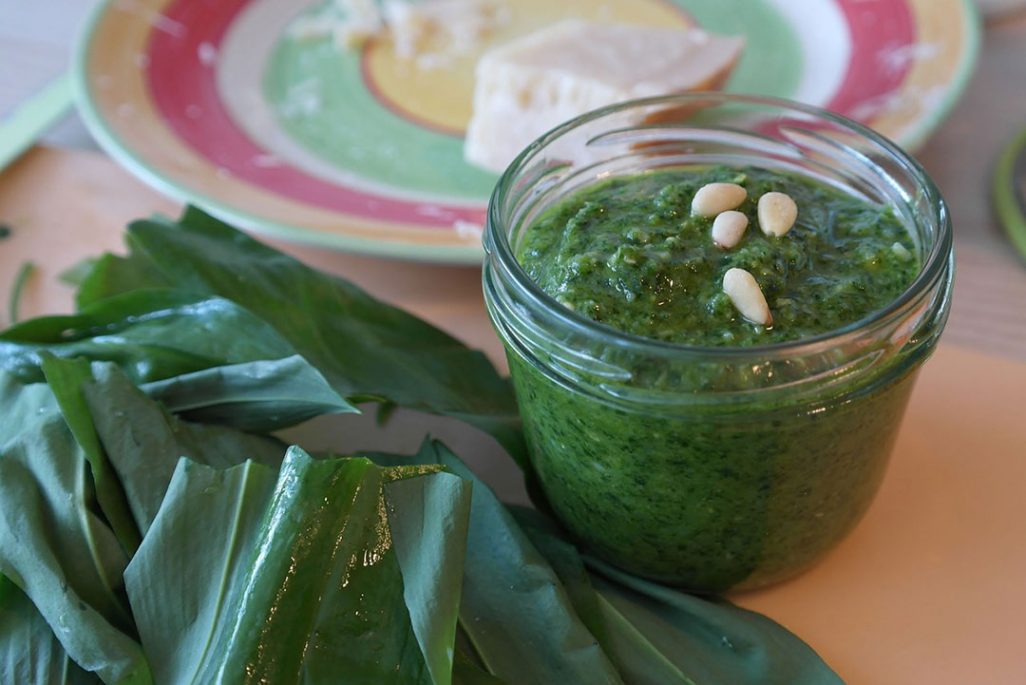
Ramsons Pesto

Recipes:

Ramsons Pesto

  • 200g Ramsons Leaves
  • 200g Basil Leaves
  • 200g finely grated Parmesan cheese
  • 150g Piñon nuts
  • Olive oil, salt to taste

Take the fresh, young Ramsons leaves and wash thoroughly. Briefly scald the Ramson leaves with boiling water. Take the same amount of fresh Basil leaves and place both in a blender. Cover with Olive oil and blend until smooth. Add 200g finely grated parmesan cheese and blend until smooth. Add some piñon nuts (or crushed walnut pieces).

This pesto is very versatile - you can stir it into freshly cooked pasta, blend with crumbly goats- or feta cheese, or, mixed with Ricotta, use as a stuffing for homemade ravioli, or blend it with cream cheese to make a tasty bread spread. I am sure you will come up with gazillion more tasty ideas!

Ramsons have a very strong flavour, which is why it might be a good idea to blend it with another herb. Basil works great, as the two complement each other well. Other herbs you can use are chickweed, dandelion leaves or lambs quarters. Sun-dried tomatoes marinated in oil also make an excellent addition to this pesto recipe.

Ramsons also complement fish dishes very well. Fish chowder with a few Ramsons leaves or bulbs thrown in is a delight. 

CAUTION:

Inexperienced foragers may confuse this plant with the poisonous Lily of the Valley, or Autumn Crocus leaves, which are also poisonous. However, Ramsons can be distinguished by the very distinctive, garlicky smell. If it doesn’t smell like garlic it is not ramsons. Once the flower head appears, there is no mistaking them. Learn how to identify them correctly before the flowers appear as that is the best time to collect them. The bulbs can be collected after flowering when the leaves have died down.