Spring Equinox

Spring Equinox

Happy Spring Equinox!

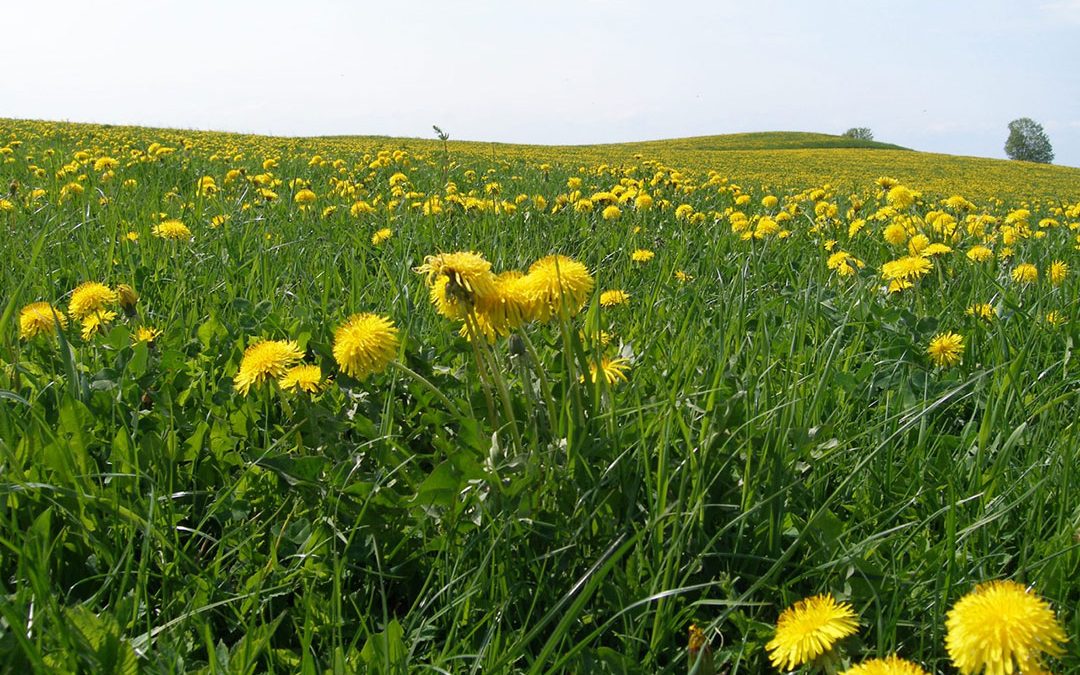
A new cycle is beginning – but what a strange beginning it is, with half the world in lock-down! The earth is waking from her winter retreat. Persephone is returning to the upper world and life is ready to burst forth again. At Spring Equinox, the forces of light and dark are hanging in the balance. But with every passing day, the sun is gaining strength now. Birds are returning and are singing their little hearts out to welcome the spring. Buds are bursting and Mother Earth has donned her cloak of early spring flowers as she turns the land verdant and fertile once again.

This is usually a joyful, busy time, full of expectation. This year is a little different. It feels cathartic, rather than light and joyful, the way it usually does. And still, the garden is calling, eager to receive the seeds as soon as the soil has warmed up. This is also a time of spring cleaning, purification, painting and decorating. It is a time to get ready, so everything is set on GO! These are things one can still do, locked down or not, in anticipation of the coming spring. 

Physically, that means boosting your energy with the fresh vitamins and nutrients of the early spring herbs. And this is especially true this year. Boost your immune system and don’t give that virus half a chance!

Mentally, this is a time to be strong and focused. Check on everything that you have planned for and make sure that the pathway for your intentions is clear.  The crisis will pass eventually and there is a light on the other side. Good planning prepares the way to success.

Spiritually, the Spring Equinox augurs new beginnings. We can turn a page and make a new start. It is also a time to celebrate the eternal life-force and the powers of self-renewal. 

Foraging Ramsons

Foraging Ramsons

Foraging Wild Garlic (Allium ursinum)

The birds have been singing on the top of their lungs, announcing that finally and irrevocably spring is here at last. It came in with a blast of flowers that seemed to be popping up all at once, and now there is a veritable flood of petals both on the ground and in the trees. It is a lush and exuberant time – sheer bliss for any and all nature spirits. And it is incredibly hard to stay put, in front of a screen.

If you have been out there enjoying this blooming bliss, you might have noticed that in some parts of the woods there is a strong whiff of garlic lingering among the trees. You probably will have smelled it long before you discovered its likely source – a small but prolific plant, with broad leaves and a single flower stalk that rises from the centre and explodes into a white globe of star-like, little white flowers. You have discovered Ramsons (Allium ursinum), also known as ‘wild garlic’. This is one of my favourite spring edibles – prolific, tasty, versatile and very healthy.

All parts of this plant are edible, but I usually only gather the leaves, in order to safeguard the wild stands of this herbal treasure. I also don’t take the whole plant, but only some, preferably young leaves from each.

The medicinal value of wild garlic is similar to that of cultivated garlic. It is rich in vitamin C and iron and makes a great blood cleansing herb. Ramsons have a long history as a vitalising tonic spring herb. It can help alleviate arteriosclerosis and reduce high blood pressure. However, be aware that large quantities can have a drastic effect on the digestive system. Ramsons are no longer used medicinally, but if you let food be your medicines, as Hippocrates recommends, then make ample use of wild garlic as a great spring tonic.

CAUTION:

Be careful to wash the leaves very well. Growing so close to the ground and often near a stream, the ramsons can be contaminated the eggs of the fox tapeworm, which can be very harmful (even fatal) in humans. Fox tapeworm lodges in the liver or lungs, but can reside there undetected for years. Foragers can get regular check-ups for this infection. Although blood tests are not 100% accurate they may give some indication. If detected early the worm can be treated/operated upon successfully, but if left too late, it can destroy the liver. This safety warning applies to all herbs, berries and mushrooms that grow close to the ground, which exposes them more easily the faeces of an infected fox. The eggs are pretty durable in cool, damp conditions, but sensitive to heat and drying.

Note:

During the last decade, researchers have made some important new discoveries regarding drugs for the treatment of ‘alveolar echinococcosis’, the disease associated with fox tapeworm infestation. They found that some cancer drugs are quite promising as both diseases share some similarities. The treatment has become more efficient but it is not 100% perfect. Surgery remains the most effective option to date.

But I don’t want to spoil your appetite or foraging passion. Infection rates are very low, even among people who spend a lot of time in the woods and have a passion for gathering from the wild. Drying or heating destroys most organisms. Just make sure to blanch the Ramsons leaves briefly, or at least, be sure to wash them VERY WELL.

Ramsons Pesto

Recipes:

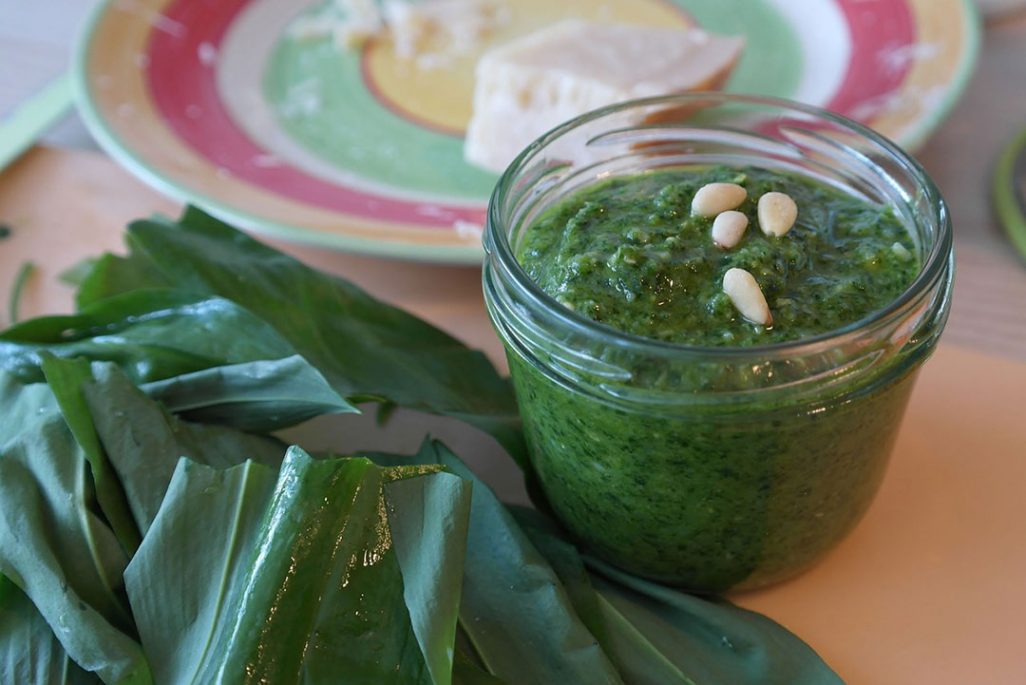
Ramsons Pesto

  • 200g Ramsons Leaves
  • 200g Basil Leaves
  • 200g finely grated Parmesan cheese
  • 150g Piñon nuts
  • Olive oil, salt to taste

Take the fresh, young Ramsons leaves and wash thoroughly. Briefly scald the Ramson leaves with boiling water. Take the same amount of fresh Basil leaves and place both in a blender. Cover with Olive oil and blend until smooth. Add 200g finely grated parmesan cheese and blend until smooth. Add some piñon nuts (or crushed walnut pieces).

This pesto is very versatile – you can stir it into freshly cooked pasta, blend with crumbly goats- or feta cheese, or, mixed with Ricotta, use as a stuffing for homemade ravioli, or blend it with cream cheese to make a tasty bread spread. I am sure you will come up with gazillion more tasty ideas!

Ramsons have a very strong flavour, which is why it might be a good idea to blend it with another herb. Basil works great, as the two complement each other well. Other herbs you can use are chickweed, dandelion leaves or lambs quarters. Sun-dried tomatoes marinated in oil also make an excellent addition to this pesto recipe.

Ramsons also complement fish dishes very well. Fish chowder with a few Ramsons leaves or bulbs thrown in is a delight. 

CAUTION:

Inexperienced foragers may confuse this plant with the poisonous Lily of the Valley, or Autumn Crocus leaves, which are also poisonous. However, Ramsons can be distinguished by the very distinctive, garlicky smell. If it doesn’t smell like garlic it is not ramsons. Once the flower head appears, there is no mistaking them. Learn how to identify them correctly before the flowers appear as that is the best time to collect them. The bulbs can be collected after flowering when the leaves have died down.

Vinegar of the four thieves

Vinegar of the four thieves

In the past, the most feared infectious disease was the Black Death. Many times it ravaged the countryside and emptied towns and villages of its people. In total, 75-200 million people fell victim to it. It was truly devastating.

Yet, there were some that mysteriously managed to avoid getting infected. Among them, four brothers or friends, who were said to be raiding the countryside, robbing any and all valuables they could find, preying on the recently departed, and those on their deathbeds.

At first, people did not pay much attention. After all, who would be mad enough to enter the den of death? No doubt, sooner or later the Grim Reaper would get the better of them and they would have to pay for their sins. However, time went by but these bandits still went about their dirty business, apparently unaffected.

One day, they were caught in the act and although they were found guilty and should have faced the death sentence, their secret was so valuable that they were spared. Instead of being hung they were promised their freedom if they revealed their secret.

According to their tale, they had inherited an ancient herbal formula that was so potent that it could even fend off the Black Death. The recipe has become famous, although the original version is unknown. Many variations have made the rounds throughout Europe and to this day they still are all known as the ‘Vinegar of the 4 Thieves’.

Essentially the concoction was a potent blend of herbs macerated in white vinegar. It included herbs like:

  • Rue
  • Wormwood
  • Thyme
  • Rosemary
  • Sage
  • Juniper
  • Lavender
  • Calamus Root
  • Garlic
  • Cinnamon
  • Nutmeg
  • Cloves
  • Peppermint
  • Angelica Root
  • Camphor
  • Zeadory (Wild Turmeric)

People improvised and made their own versions of the recipe depending on the availability of various herbs. Other common ingredients were Sage, Meadowsweet, Wild Marjoram, Campanula Root, and Horehound.

Modern versions usually forego some of the more potent and potentially more toxic ingredients, such as Rue or Wormwood.

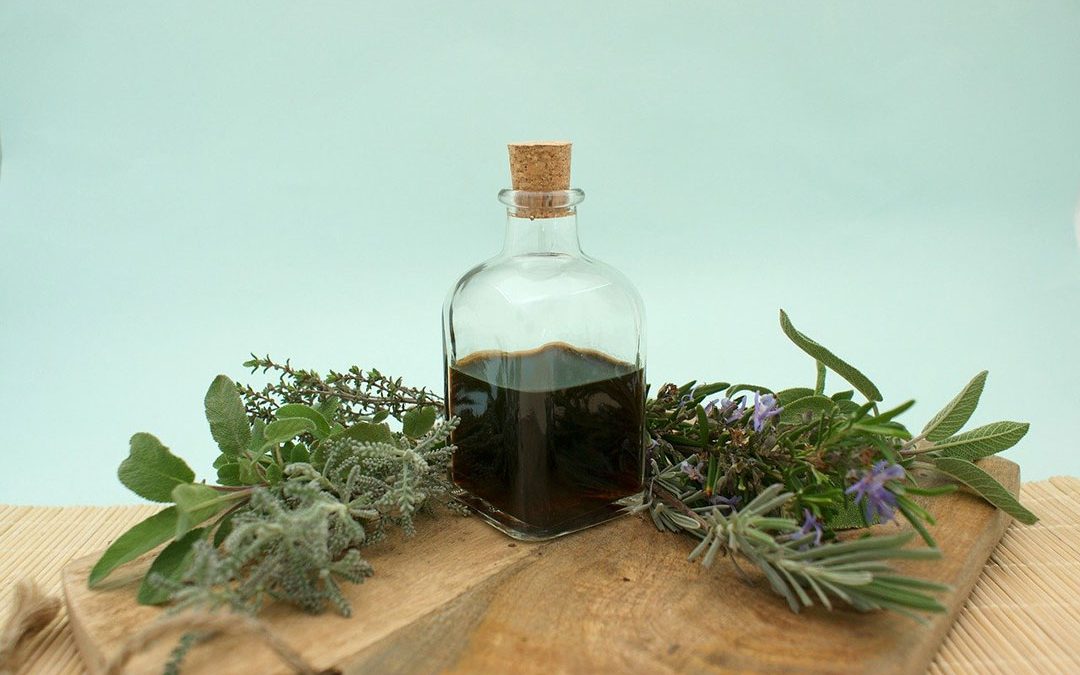
The herbs are crushed and macerated in strong white vinegar for at least a couple of weeks. The macerate is then strained and bottled.

The concoction was to be used externally, as a disinfectant, not as a herbal remedy for internal use.


The formula below is found in ‘The Practice Of Aromatherapy’ by Jean Valnet, a physician who has devoted his life to the study of herbs and essential oils for therapeutic use and is credited for the modern term ‘aromatherapy’.

Vinegar of the Four Thieves

  • 3 pints strong white vinegar
  • a handful each of wormwood, meadowsweet, juniper berries, wild marjoram, and sage
  • 50 cloves
  • 2 ounces of elecampane root
  • 2 ounces of angelica
  • 2 ounces of rosemary
  • 2 ounces of horehound
  • 3 g camphor
The  Camphor Tree

The Camphor Tree

Camphor constituent: essential oils

Parts used: essential oil, waxy crystalline flammable substance

Medicinal actions:

Used in ‘cold creams’ as an anti-aging ingredient. Stimulates the production of collagen and elastin.

Anti-inflammatory – applied to sore, inflamed skin (not on broken skin)

Pain relief for arthritic, or rheumatic pain

Antifungal – can be applied to toenail fungus. (Needs persistence. It can take up to 48 weeks  before positive impact is noticed).

Decongestant and cough suppressant – evaporate in oil diffuser during the night

Antispasmodic – can be used to relieve muscle aches and pains, cramps, sprains

Anti-viral – used to treat infectious fevers such as typhoid, influenza, and pneumonia.

Medicinal Action and Uses—Camphor has a strong, penetrating, fragrant odour, a bitter, pungent taste, and is slightly cold to the touch like menthol leaves; locally it is an irritant, numbs the peripheral sensory nerves, and is slightly antiseptic; it is not readily absorbed by the mucous membrane, but is easily absorbed by the subcutaneous tissue- it combines in the body with glucuronic acid, and in this condition is voided by the urine. Experiments on frogs show a depressant action to the spinal column, no motor disturbance, but a slow increasing paralysis; in mankind it causes convulsions, from the effect it has on the motor tract of the brain; it stimulates the intellectual centres and prevents narcotic drugs taking effect, but in cases of nervous excitement it has a soothing and quieting result. Authorities vary as to its effect on blood pressure; some think it raises it, others take an opposite view; but it has been proved valuable as an excitant in cases of heart failure, whether due to diseases or as a result of infectious fevers, such as typhoid and pneumonia, not only in the latter case as a stimulant to circulation, but as preventing the growth of pneumococci. Camphor is used in medicine internally for its calming influence in hysteria, nervousness and neuralgia, and for serious diarrhoea, and externally as a counter-irritant in rheumatisms, sprains bronchitis, and in inflammatory conditions, and sometimes in conjunction with menthol and phenol for heart failure; “

Mrs. Grieves, A Modern Herbal

Camphor Tree – The Dragon’s Brain

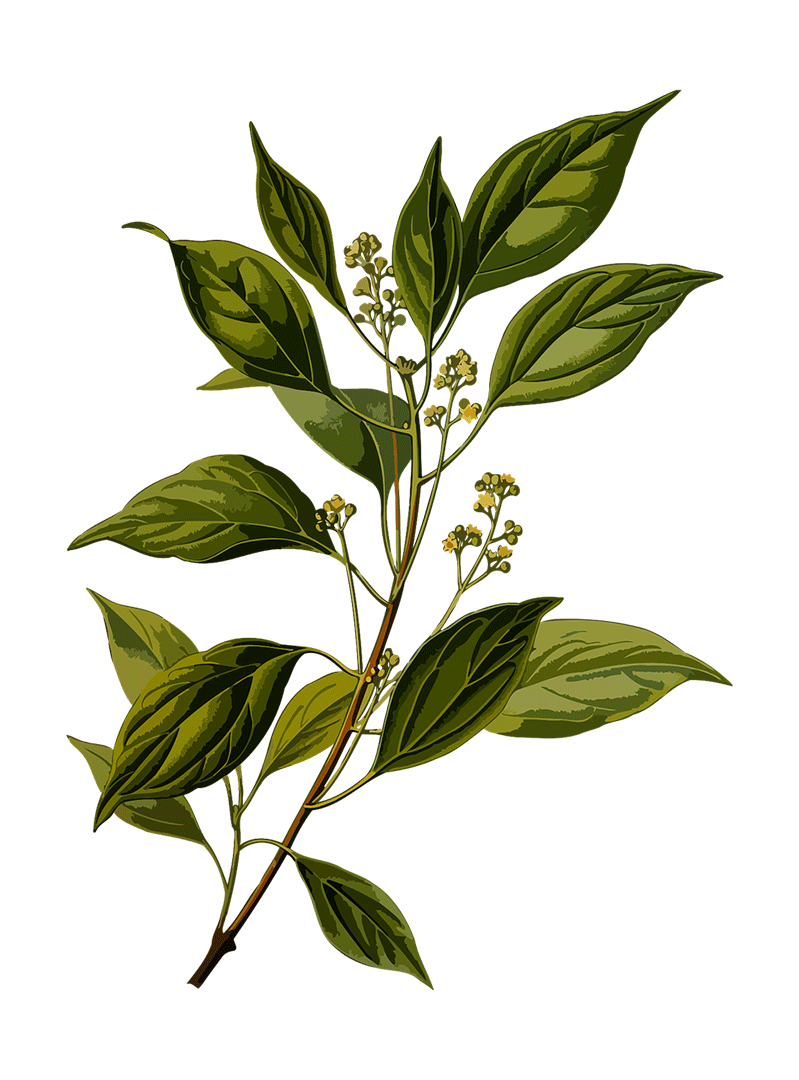
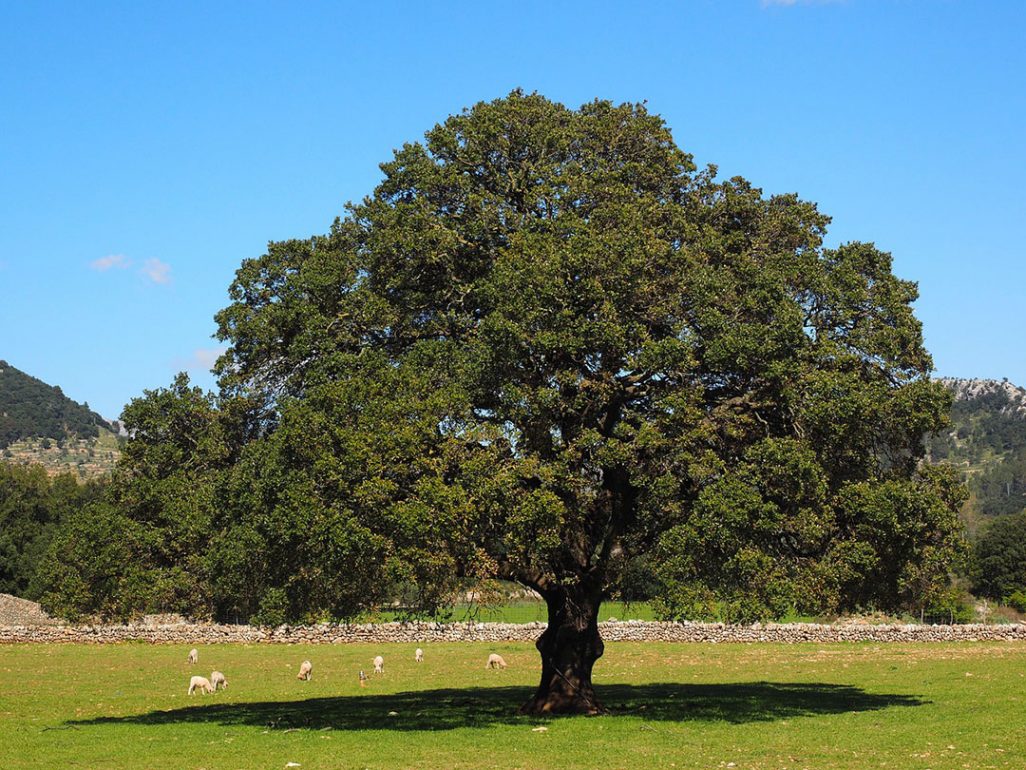
The characteristic scent of Camphor is familiar to anyone who has had a close encounter with VapoRub, but few have ever seen the pure, white crystalline substance from which the scent derives. Still, fewer are aware that this mysterious substance is entirely natural and comes from a tree that is native to southern China, southern Japan, and Taiwan. The Camphor Tree (Cinnamomum camphora) is closely related to the Cinnamon Tree, (Cinnamomum zeylanicum), with which it is sometimes confused. However, the unmistakable scent of the leaves immediately reveals its true identity.

In China, Camphor is known as ‘long nao xiang’, ‘the dragon’s brain’, but it is unclear whether the name makes reference to its powerful brain-fog blasting effect, or whether the use of Camphor may originally have been the privilege of the emperor, who is often referred to as the (imperial) ‘dragon’.

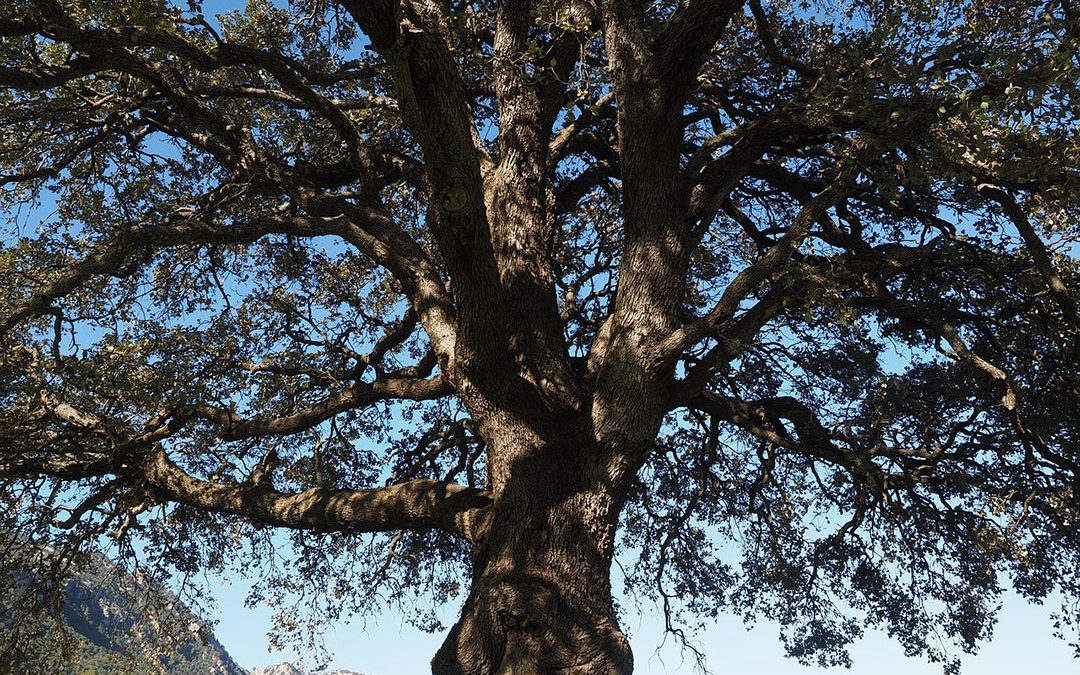
Camphor trees can become very old – up to several hundred years, in fact. Such tree veterans are a majestic sight to behold. They can reach up to 40m in height and develop a truly massive base. One tree, recorded in the prefecture of Nagasaki, was recorded to measure a staggering 16 m of girth. Hardly surprising then, that the evergreen tree is seen as an icon of vitality and longevity.

In China, Japan and India Camphor trees are sacred. They are planted for protection near dwellings, temples, and monasteries, and Camphor is burnt as incense in purification rituals or in pujas. Its pure, bright and smokeless flame is seen as a representation of Shiva.

During the 13th century, while traveling through China, Marco Polo reported seeing ‘great forests where the trees are found that give camphor’. At that time, Camphor had already been introduced to Europe, along with other exotic spices such as Cinnamon, Pepper, Cardamom, and Wood-Aloes. But the Camphor tree itself was virtually unknown. The precious substances reached Europe via the Spice Route and first found its way to the spice markets north of the Alps during the 10th century.

However, it took several centuries more, until the latter half of the 17th century, for the first trees to be introduced to Europe. But then they took the eminent Botanical Gardens of Europe by storm: They were planted at the Botanical Gardens of Padua, Leiden, Dresden, and the Chelsea Physic Gardens. Many of them are still standing now. Their import to Europe has had no ill effect on the local environment, but in more favourable climatic conditions, Camphor trees have been known to spread prolifically. In some parts of Australia and the southern United States, they are now considered an invasive pest.
Camphor Tree

In the Orient, Camphor is highly valued and has a long tradition of medicinal and culinary use. It is mentioned in various Arab and Indian cookery books, and in India, it is an ingredient of the Betel quid, a popular chewing stimulant.

In the West Camphor is better known for its medicinal properties. It is valued for its antiseptic and cooling properties and its ability to relieve pain and swelling associated with inflammatory skin conditions, chilblains, burns, and anal fissures. It is also used as a counter-irritant and applied topically to painful arthritic or rheumatic joints.

Added to a steam inhalation Camphor can clear congestion of the lungs, bronchi and nasal passages. In the past, it was used internally as an antiseptic digestive aid. Thanks to Samuel Hahnemann, the ‘father of Homeopathic medicine’ it became a lifesaver during the outbreaks of Asiatic cholera in 1831/32 and 1848/49. Having received first-hand reports from Russian colleagues, he treated victims at frequent intervals with a homeopathic tincture of Camphor – apparently with great success. Even allopathic doctors admitted that it was about the only thing capable of halting the progress of this lethal disease when administered during the early stages.

Camphor is an antidote to Opium and recipes found in ancient Arab manuscripts often combine both substances to alleviate some of Opium’s negative effects. During the Victorian era, camphor became popular among members of the upper classes, particularly in the UK, the US and in Slovakia. It was combined with milk, alcohol or consumed in pill form as a stimulating recreational drug. The effective dose is very small and said to produce a warm, tingling skin sensation, a sense of mental clarity, or ‘a rush of thoughts chasing each other’, sometimes accompanied by euphoria.

However, the bad news is, that larger doses can produce quite unpleasant effects: confusion, giddiness, accelerated heart rate, headaches, and even death. Thus, many countries have regulated Camphor. Today, most commercially available Camphor is synthetically produced and not fit for internal use at all. It is regrettable that a beneficial and medicinally useful substance such as Camphor should be disgraced and forgotten, despite the eons of safe use, just because some people have overindulged in it – to their own detriment.

Caution: Only Camphor that is clearly labeled as edible may be taken internally, and then only in tiny doses. Quantities of more than 2g can be fatal to adults. The lethal dose for children and youths is significantly lower.

During pregnancy and lactation, it is advised to avoid camphor products altogether. Due to its toxicity at a low dose, it should also be kept away from children. Some people have reported contact dermatitis from handling Camphor.

#Ads

Disclosure: As an Amazon Associate, I earn from qualifying purchases on Amazon and other affiliate sites.

Spring Detox

Spring Detox

A Spring Detox resets body, mind, and spirit. Get out into nature, do some foraging, and enjoy the benefits of your pickings.

When the first rays of bright warm sunshine are trying to penetrate the layer of dust that has accumulated on the window panes through the winter, it always hits me: It’s time to get out that cleaning stuff, air out the house and wash the window to let the sunshine in. And honestly,  it feels so good to get everything ready and prepared for a fresh start!

In the olden days, this idea was not only applied to the house, but also to the body. During the winter many of us are confined to a fairly sedentary lifestyle, which is bad enough. But what makes it worse is that rich and heavy diet we tend to adopt at that time. Maybe we intended to give up chocolate after Christmas, but there was so much left that we just kept eating it. And once after January 1st has passed, it seems like one has missed the boat for good intentions. But in fact, that is what Lent is for. It’s the perfect time to tune into nature’s cycle and apply the theme of cleansing and renewal to the body.

Depending on your growing zone, you might have noticed that the monochrome colours are changing and fresh green begins to sprout beneath the old leaves. Nature offers a whole host of delicious and healthful herbs that are just perfect for the job of inner cleaning.  No need to buy dried herbs! Most of what is needed will probably grow right in your backyard, or in a nearby meadow.

What does a body cleansing diet actually do?

The idea of a body cleanse is to support the body’s eliminative functions in order to help it in the process of getting rid of accumulated metabolic waste products, which often linger on in a sluggish system. This is done by taking herbs that stimulate the liver and gallbladder and thereby also increase the metabolic rate. Some might act as diuretics and can assist the body in flushing out uric acid crystals, while others improve the function of the respiratory system. These herbs act as tonics, rather than remedies and improve overall function, not heal specific conditions. To a large part, the job of cleansing the body is the work of the kidneys and the liver. Apart from the herbs, certain foods, such as apples, celery, endive, horseradish, and sauerkraut are very useful here. How about trying them in a salad? Perhaps, with raw onions and garlic, even. Keep the marinade simple: olive oil and lemon juice are perfect. As for drinks, cutting out alcohol, coffee, tea, and sugary drinks is key. Fresh apple juice is very wholesome, or, if you can stomach it, a little apple cider vinegar diluted with water and sweetened with honey is a great cleansing and energy-boosting drink.

If you want to try some of the fresh green that is currently sprouting on your doorstep, you could lookout for the following herbs:

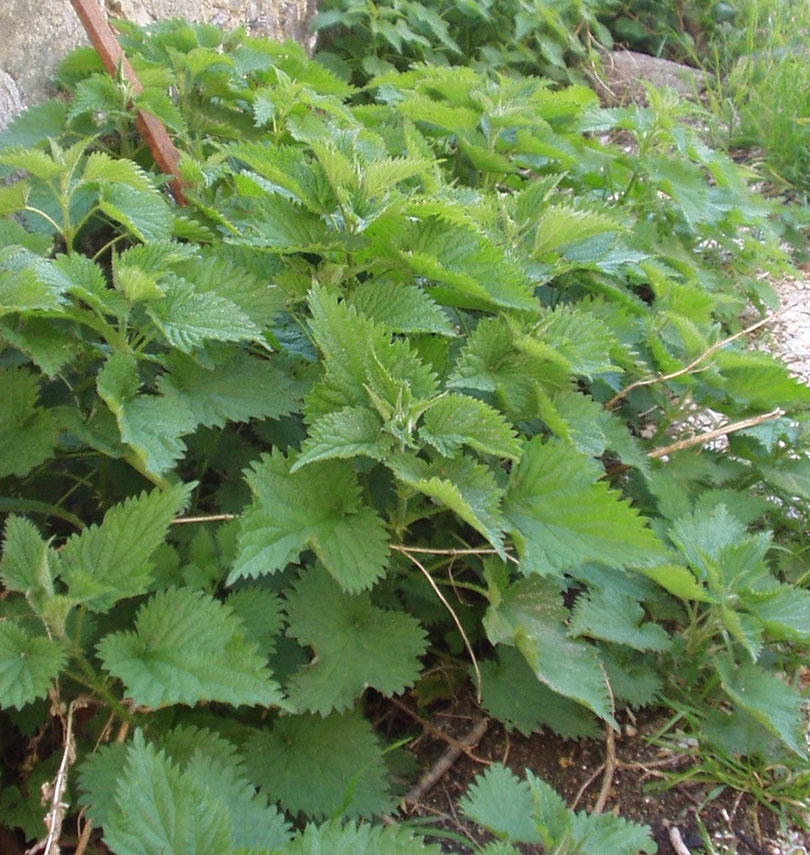
Nettles (Urtica dioica):

Most people seem to fear nettles because of their sting. And, perhaps that is just as well, for if they knew how wholesome and healthy nettles truly are, they would probably be an endangered species. Nettles offer a whole powerhouse of nutrients such as vitamins A, C, and iron. Their action is diuretic and they support the body’s elimination via the kidneys. They are particularly useful for clearing out metabolic waste products such as uric acid deposits, form little crystals that can cause a lot of pain in the joints. The most potent way to benefit from them is to take the freshly expressed juice. Juicing them is not so easy, though. If you don’t want to buy it ready bottled, preparing a tea made from the leaves is a good alternative. Nettle extract lowers the blood sugar level and can thus be very useful for diabetics.

As a wild vegetable, Nettles can be prepared like spinach, although it is best to mix the leaves with some other green, as its action on the eliminative systems can be quite strong when eaten in quantity. Adding the leaves to a warming soup is also a good idea.

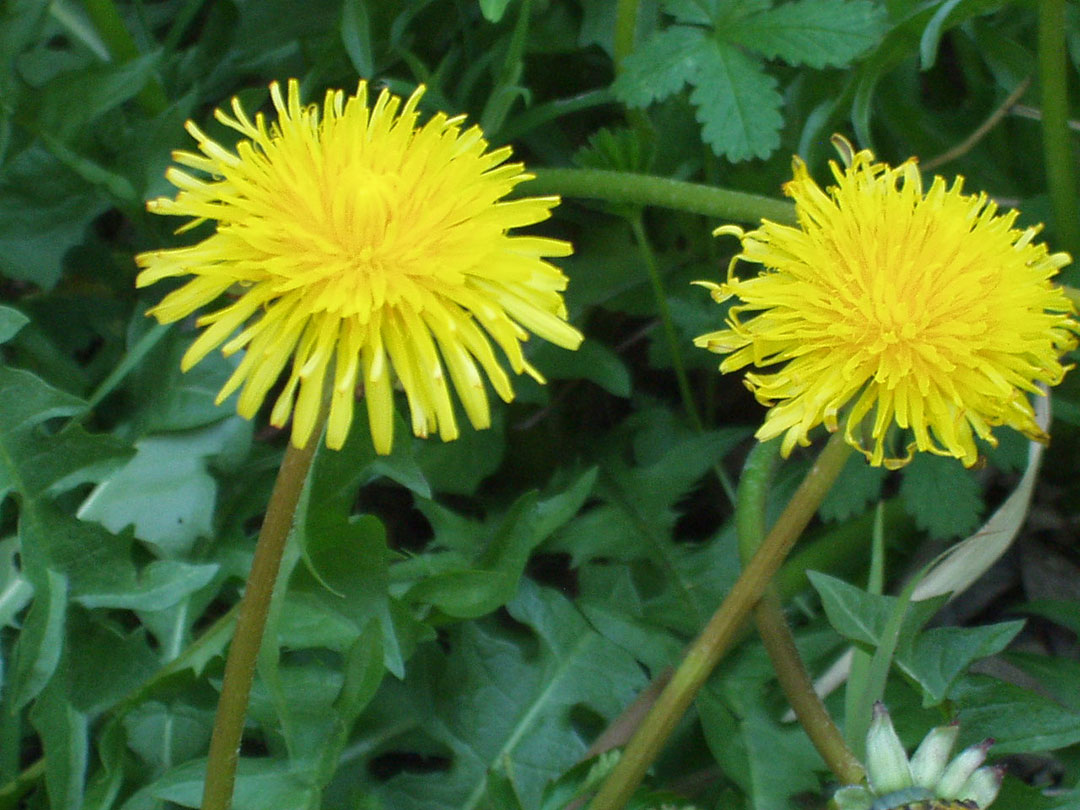
Dandelion (Taraxacum officinale):

Dandelion is one of the most beneficial spring herbs available to us. It bears a double blessing: the leaves are especially good for the urinary system. Their powerful diuretic action helps to flush out the kidneys, but unlike other diuretics, it is also rich in potassium, which means it will not deplete the body of this important mineral. Dandelion leaves can be enjoyed as a tea or used as a pot-herb, added to soups and salads. The roots, on the other hand, are quite bitter and have a beneficial effect on the liver Their chemical composition varies depending on the seasons. In spring they are rich in certain proteins and mineral salts, while in autumn they are rich in inulin (up to 40%), which is very helpful for diabetics.

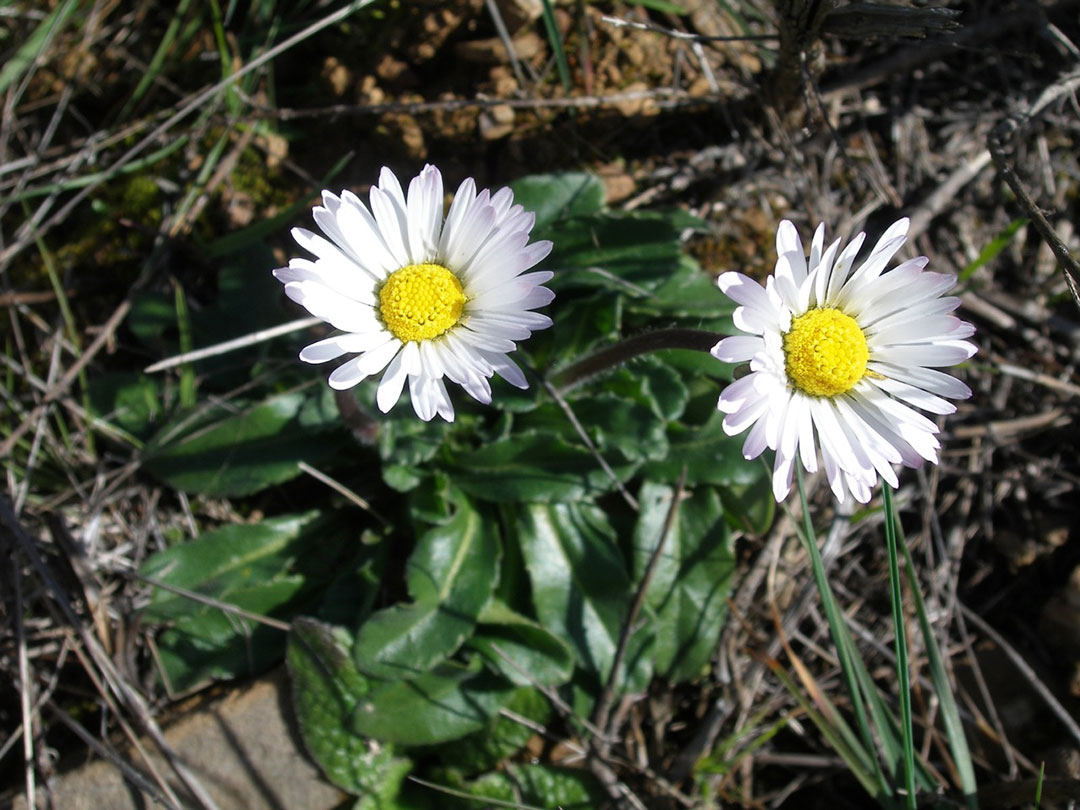
Daisies (Bellis perennis):

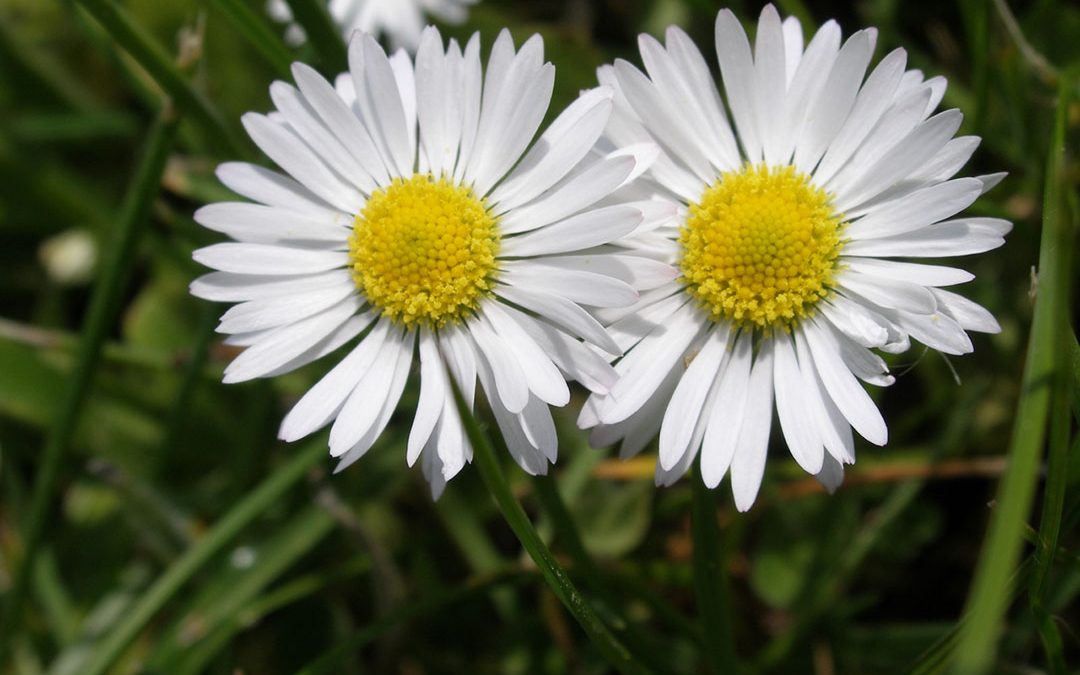
The dainty daisy doesn’t look like much, other than a pretty flower that children like to play with. But the leaves and flowers have long been used in spring-cleansing diets. The juice pressed from the aerial parts is a most potent elixir, but must be freshly prepared each day. One tablespoon per day, diluted with the same amount of water, is the recommended dose.

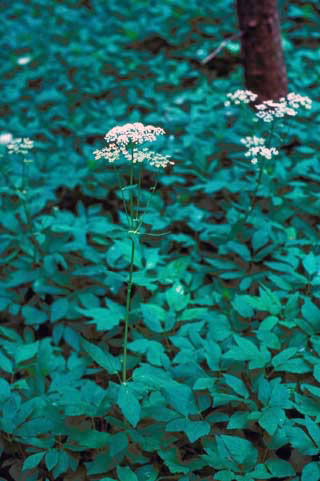
Goutweed (Aegopodium podagraria):

Gardeners curse this little herb, which often pops up uninvited and grows profusely in damp, shady places of the garden. The young shoots and leaves have a powerful cleansing effect on the stomach and intestines. They are also strongly diuretic and very effective in flushing out uric acid crystals and other metabolic waste products. They can be added to soups or salads and make a very potent addition to a spring cleansing diet.

As the name suggests, goutweed is specifically known as a remedy for treating rheumatism and gout – a painful condition affecting the feet (The origin of its Latin name, podagra – ‘gout of the feet’ alludes to this use). However, for this purpose, a strong decoction made from the roots is used as a foot-bath.

Burdock Root (Arctium lappa):

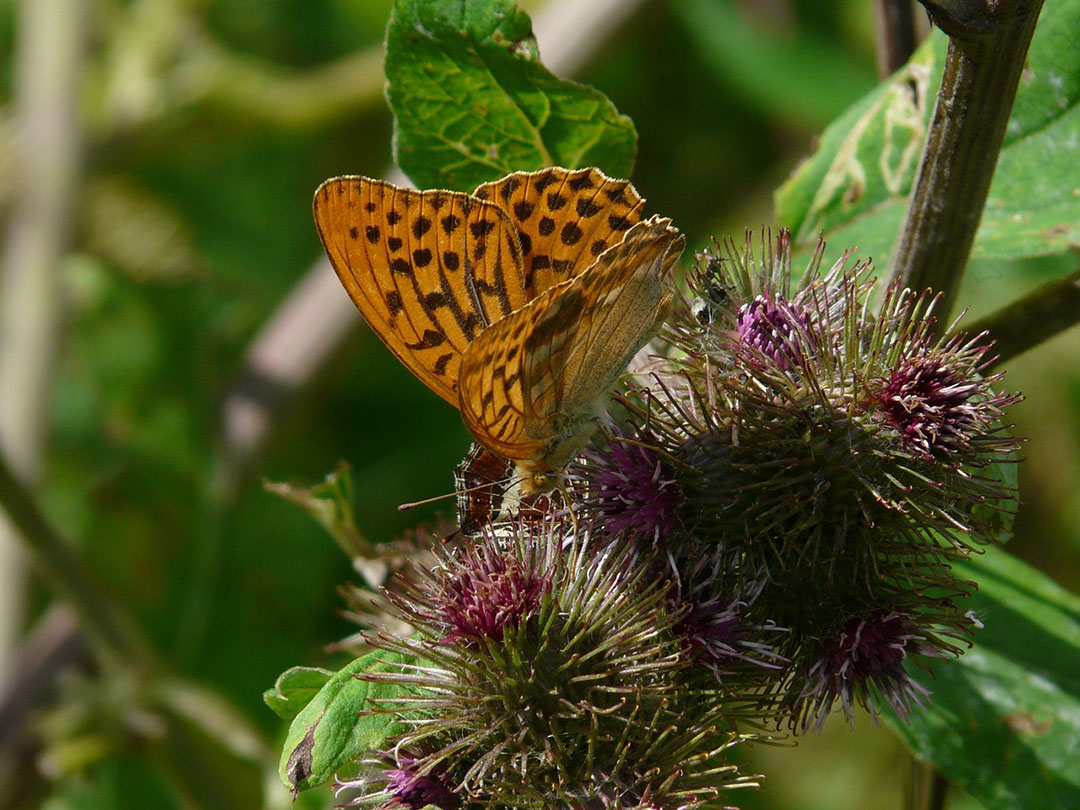
An amazingly resilient herb, Burdock can be found almost anywhere. But it is not always easily spotted. It is a biennial plant, meaning, its cycle takes two years to complete. The root of the second year plants is the most powerful. Burdock is known as a powerful liver tonic, helping it to eliminate toxins from the body. Burdock Root is also very beneficial for diabetics, as it can help to regulate gallbladder secretions. It is also rich in Inulin, a soluble dietary fibre that has several important health benefits. Inulin consists of a type of fructose that cannot be broken down and digested in the small intestines. Instead, it moves on to the lower gut where it acts as a pre-biotic and nourishes the beneficial gut bacteria that inhabit that part of the digestive system.

No-one encourages Burdock to take its place in the garden, as its elephant ear-like leaves are too big and rough, and it does not produce particularly pretty flowers either. Butterflies love them, though. And Burdock is in fact extremely valuable, especially for those who suffer from chronic health problems that call for blood cleansing: arthritis, rheumatism, gout, or skin problems such as psoriasis. Growing it in the garden has the advantage that one can prepare a bed for them with plenty of loose soil and straw, which makes harvesting the roots SO MUCH easier! Trying to pull them up from the compacted ground is, well, let’s just say, a lot of sweat!

Burdock root can be taken as a tea (20g to 1/2 litre of water) or, used as a ‘health food’ it can be added to soups or stir-fries. In the old days, Burdock and Dandelion roots were also often used for brewing a rustic country beer or cordial.