
Sacred Earth
Exploring Nature and Culture
Nature Notes:
No Results Found
The page you requested could not be found. Try refining your search, or use the navigation above to locate the post.
Current issue
Making Fruit-Wines, Liqueurs & Rumtopf

It's harvest season, a busy time for making jams, cakes, preserves and pickles.
Unfortunately, there is only so much jam and cake you can eat.
But hey, there is still something else you can do with all that abundance of fruit!
Traditionally, surplus fruit was distilled into fruit brandy. The Black Forest, for example, is famous for its Kirschwasser, but there are dozens of similar fruit brandies made from plums, raspberries, bilberries, pears, apples, apricots — you name it.
Inconveniently, home distillation is illegal in many parts of the world, so we won't get into that topic here. What we will be looking at is how to make delicious country wines and liqueurs.
Foraging:
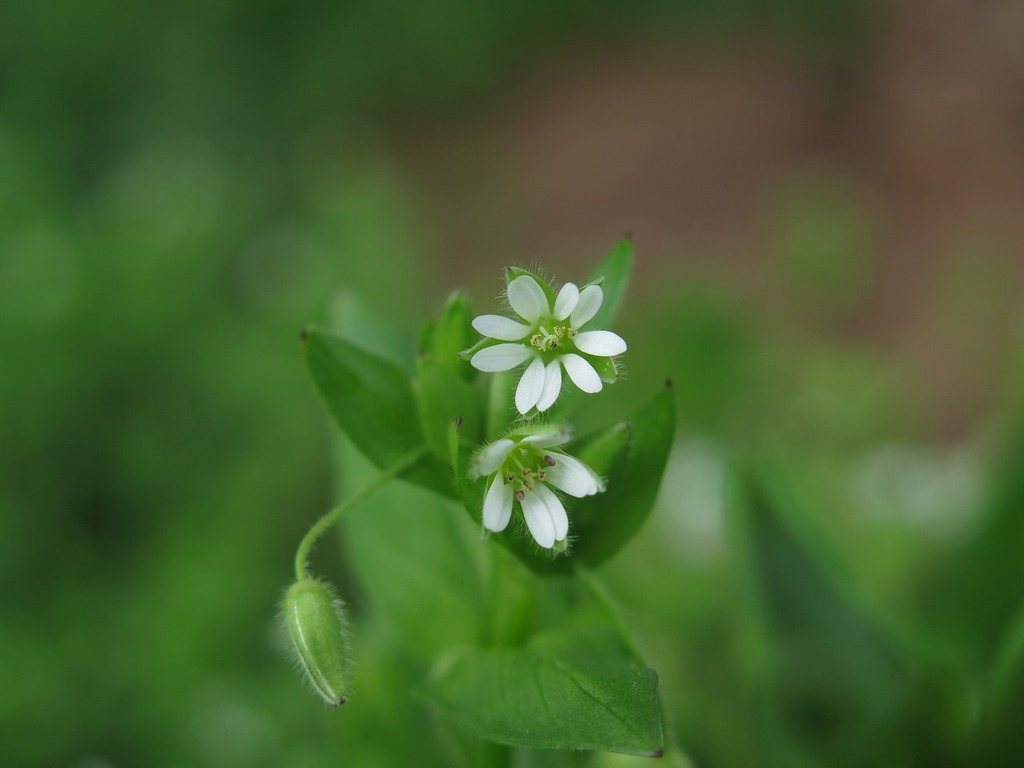
Foraging Chickweed
Chickweed (Stellaria media)
Once winter has settled in, foraging has come to a standstill. We have to rely on previously gathered supplies. Except, if you are lucky enough to live in a temperate climate zone, there may be at least one herb that defies the elements. You might have spotted it in your veggie plot: a little sprawling herb with heart-shaped leaves and star-shaped flowers that belongs to the Pink family known as Chickweed.
Chickweed is fairly hardy. It defies the elements and can pop up early in the year when other herbs are still asleep.
Chickweed is one of those herbs that gardeners love to hate. They try everything to get rid of this persistent ‘weed’ that pops up anywhere humans have toiled to cultivate the ground. It is only natural.
Chickweed is one of those herbs that blush at bare soil and quickly spread out to cover mother earth’s nakedness. Chickweed binds the soil, prevents it from washing away and drying out – the consequences of standard gardening practices.
Alas, as soon as this little healer herb appears, gardeners grit their teeth and start a crusade. How dare this audacious herb invade their plot?
But instead of battling it, you could welcome it as a gift. Chickweed is a blessing, not just for the earth but also for us. It is rich in chlorophyll, minerals, and vitamins that are sorely needed at this time of the year. And all we have to do is clip its tender tops.
Chickweed has a mild flavour and is incredibly versatile. It can be used like alfalfa to garnish sandwiches, soups, and salads. It can also be incorporated into omelets, fillings, sauces, dumplings, or quiches – the possibilities are endless. But it should always be used fresh and finely minced, as the stems can be somewhat stringy. When cooking with Chickweed, bear in mind that it cooks down to practically nothing in no time at all, so just add it at the last moment and don’t cook it for long. Overcooking would only diminish its benefits.
Chickweed also offers some valuable medicinal properties. The old herbalists describe its effect as cooling and soothing. They used it as an expectorant for afflictions of the upper respiratory tract, like an irritable cough. The same cooling and soothing properties also calm inflamed sores, rashes, itchy skin conditions, and burns. Traditional herbalists used it to make ointments and poultices for treating eczemas, boils, and abscesses.
Sometimes it is made into a tincture, but fresh works best. If you want to concentrate its effect, it can be juiced. But it does not keep very long. It can be frozen, but that will diminish some of its goodness.
Warning: some people have reported allergic reactions to Chickweed collected from chalky soil. Like many other members of the Pink family, Chickweed contains saponins, and these can be toxic in large quantities.
More articles:
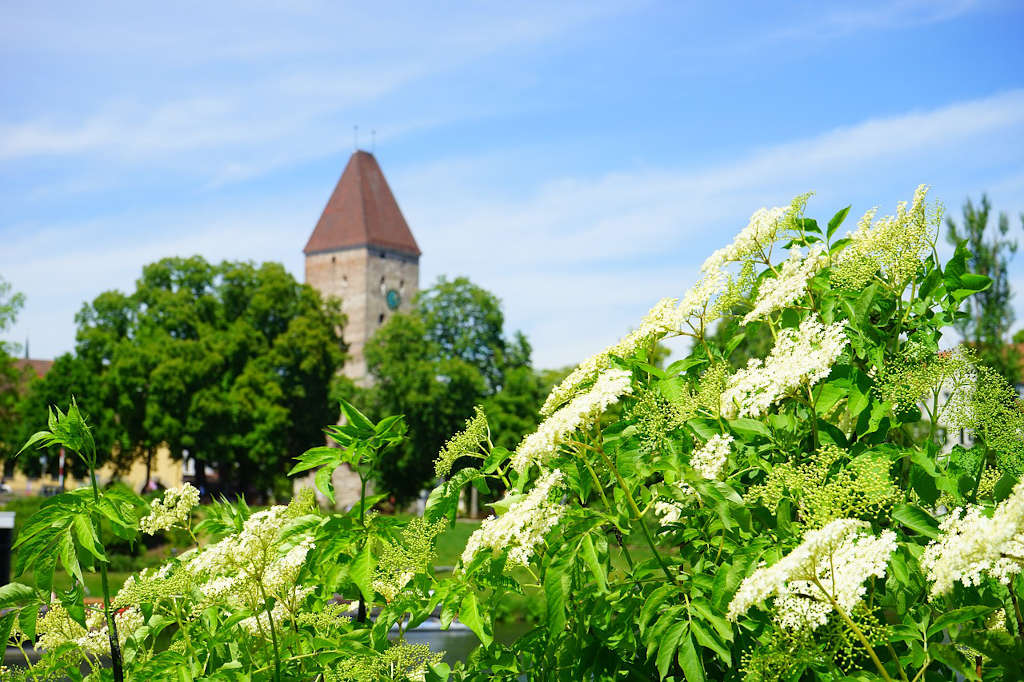
the Elder-tree in myths, magic, and medicine
The Elder tree is the medicine cabinet of the country people. This much loved, bushy tree is a common sight throughout Britain, Europe, and North America.
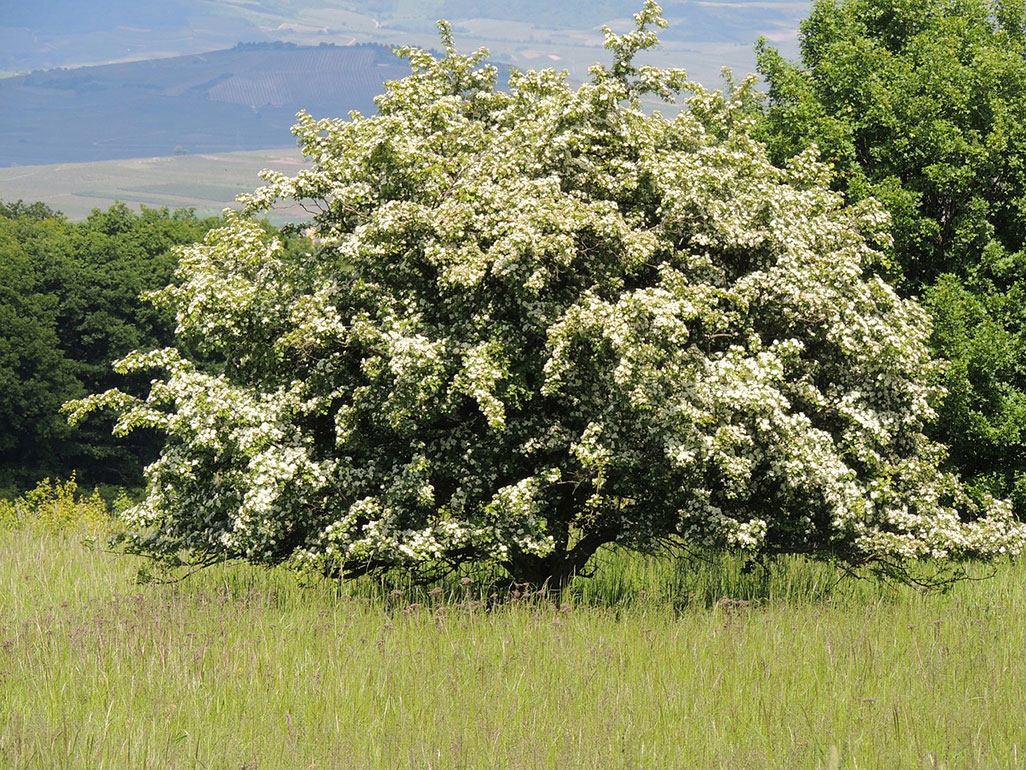
Why Hawthorn is your heart’s best friend
Plant Profile: Hawthorn (Crataegus monogyna) When the Hawthorn dapples the hedgerows with its pinkish-white blossom, we know that spring is here to stay. Typically, Hawthorn starts to flower at the end of April or the beginning of May, which is why it is also…

Hayfever Remedies
If you suffer from hay-fever, you are probably not so well pleased with the arrival of spring. Pollen-laden air can be a source of misery. But a number of natural remedies can alleviate the symptoms.
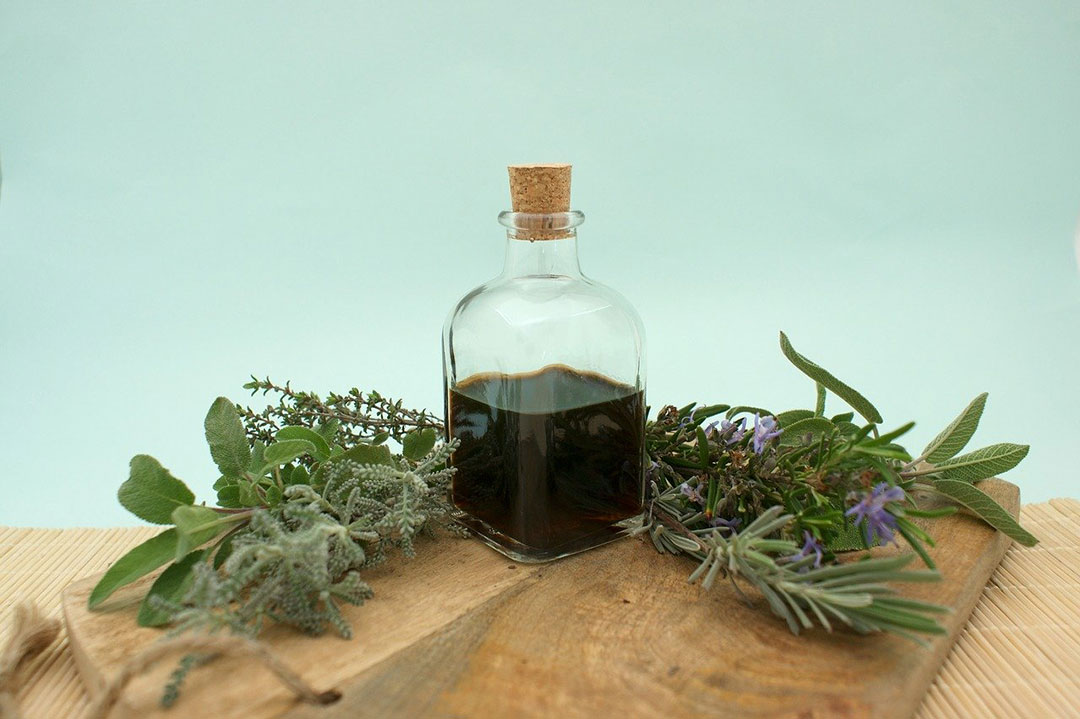
Vinegar of the four thieves
There is a famous herbal formula, known as the Vinegar of the Four Thieves, which dates back to the times when Europe was ravished by the Black Death. Apparently, it had the power to fend off any ills!

The Camphor Tree
The characteristic scent of Camphor is familiar to anyone who has had a close encounter with VapoRub, but few have ever seen the pure, white crystalline substance from which the scent derives. Still, fewer are aware that this mysterious substance is entirely natural and comes from a tree that is native to southern China, southern Japan, and Taiwan. The Camphor Tree (Cinnamomum camphora) is closely related to the Cinnamon Tree, (Cinnamomum zeylanicum), with which it is sometimes confused. However, the unmistakable scent of the leaves immediately reveals its true identity.
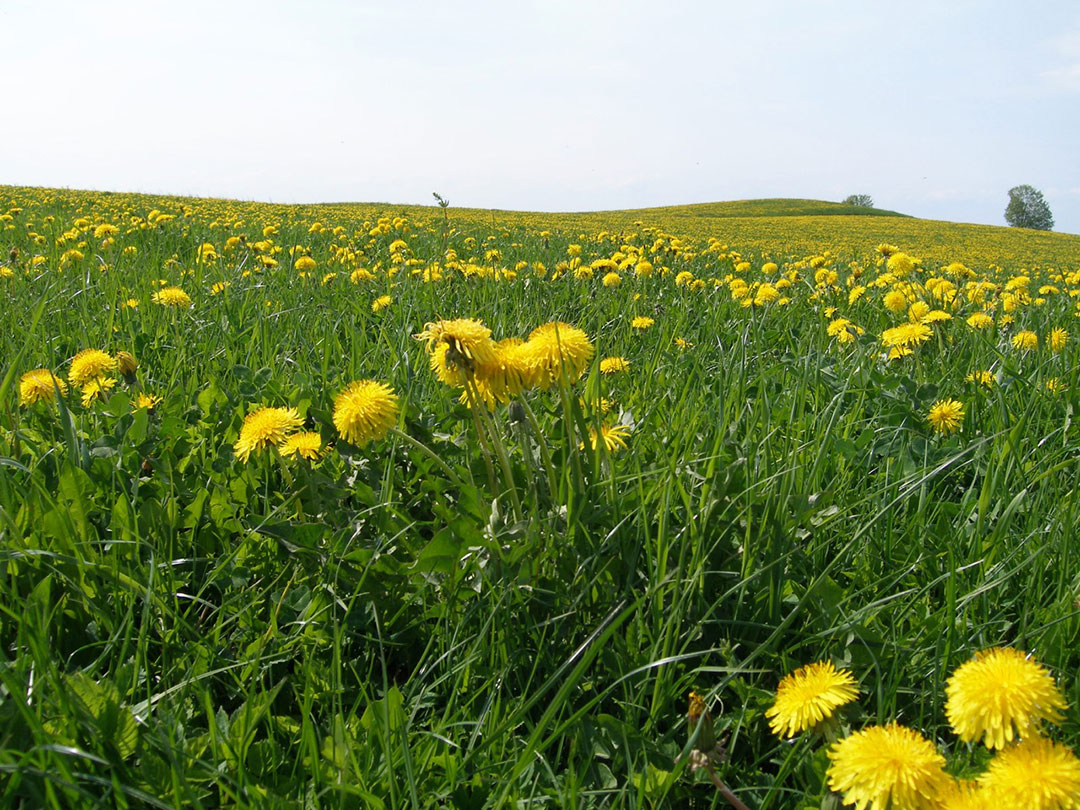
Spring Detox
The idea of a body cleanse is to support the body’s eliminative functions in order to help it in the process of getting rid of accumulated metabolic waste products, which often linger on in a sluggish system.
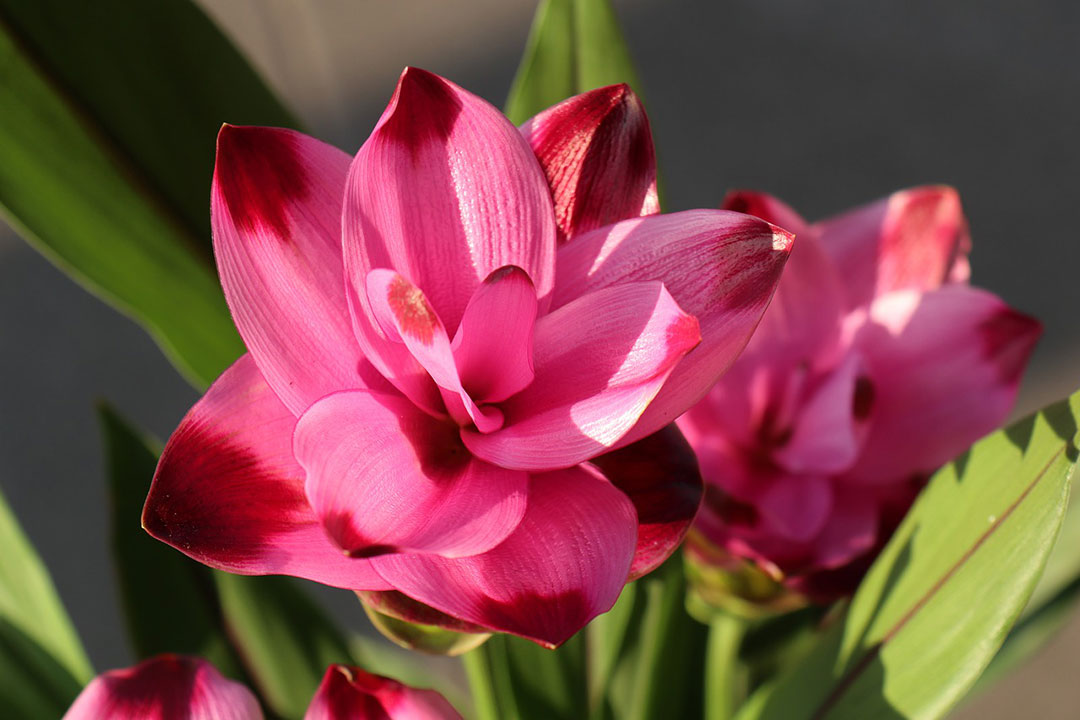
Plant profile: Turmeric – Curcuma longa
Turmeric has a long history of use, not just as a spice, but also as a healing agent and a magical herb. As a spice, it is best known as one of the principal components of curry powder, to which it dons the characteristic yellow colour.
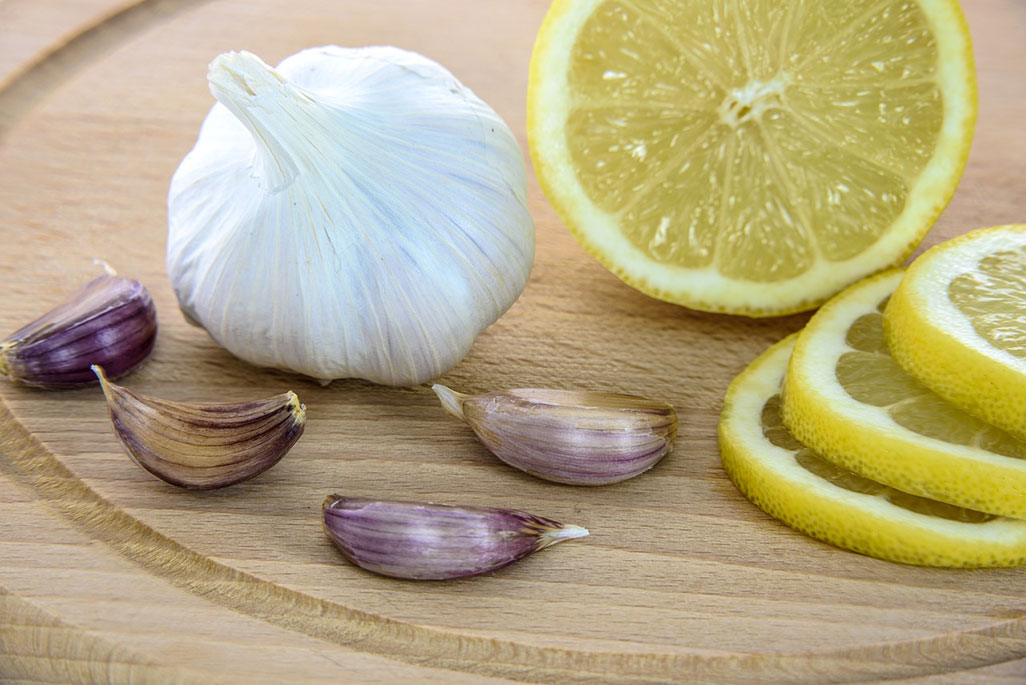
A strong immune system is your best defense
A strong immune system is your best defence. Garlic, ginger, lemon, turmeric and other common foods can help to keep the immune system strong.
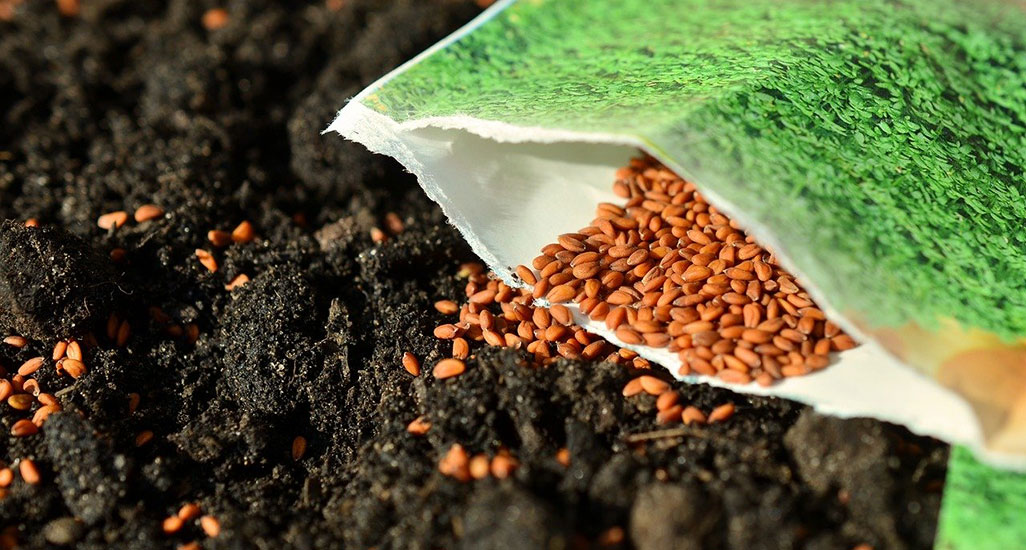
What to sow in January
If you are itching to get going with the gardening year, you’ll be wondering what you could possibly sow in January. There are – but only under glass.

Topiaria gaudium fever
There is a strange fever going around. It only affects gardeners. I call it ‘Topiaria Gaudium Fever’, a strange condition marked by extreme excitement caused by the start of the new gardening season.