
Gardening Jobs in October

Gardening Jobs in October

Gardening Jobs in October

The summer is over, and the garden is beginning to wind down. But there are still quite a lot of gardening jobs left to do in October.


Harvesting

To begin with, you are probably still harvesting the last of your summer crops. Pumpkins, courgettes, potatoes and late runner beans, beetroots, carrots, and broccoli are still in season.

Any tomatoes that did not turn red yet don't have to go to waste. Bring them inside and place them into a bowl with an apple or two. Cover them with a towel, and they will soon ripen.


Sowing & planting

A cold frame is a perfect place to give your peas and winter hardy broad beans an early start. Asian salad mixes and spinach make excellent winter crops that will bring an extra dash of fresh green to the dinner table.

To rejuvenate mature perennials, especially spring-flowering ones, October/November is the time to divide their roots and replant these to propagate more plants.


Plant spring bulbs

Nothing announces the approach of spring more beautifully than watching early spring flowers emerge. Daffodils, hyacinth, alliums, tulips and crocus are great for spreading some spring cheer. These heralds of spring have bulbs, which can be planted now, ready to bloom in the spring.


Protect sensitive plants

Bring frost-sensitive plants inside now. Some plants are not easy to overwinter indoors, as it is often too warm for them. A frost-free place that gets some sun is best.

Plants that overwinter outside appreciate a thick layer of leaf mulch.


Improving the soil

Now the vegetable beds are pretty much empty, seize the opportunity to feed the soil. Spread a good layer of well-rotted manure on top - you don't even have to dig it in. The worms and micro-organisms will do that job for you. Or, you can sow a green manure crop such as clover that fixes nitrogen in the soil.


Gardening for wildlife

The wildlife is beginning to prepare for winter. Those that hibernate are looking for a cosy, warm spot for the dark season. But before they go to sleep, they are also looking for food to assimilate some reserves that will sustain them.

Gardeners are often a bit obsessed with making their gardens look neat. But the wildlife does not appreciate those efforts. The little critters would prefer if the windfall fruits were left on the ground and the dead stalks of the perennials, many of which still offer plenty of seeds, would be left standing.

You can help wildlife by creating suitable habitats for them by not being overly tidy. Insects, amphibians and small animals such as hedgehogs appreciate wood piles constructed of different kinds of logs and twigs with plenty of nooks where they can find shelter.

Birds don’t hibernate. To survive the winter, they need a high-fat diet. See how you can make a simple birdseed feeder.

#Ads

Disclosure: As an Amazon Associate, I earn from qualifying purchases on Amazon and other affiliate sites.
Evening Primrose Oil

Evening Primrose Oil

Evening Primrose Oil

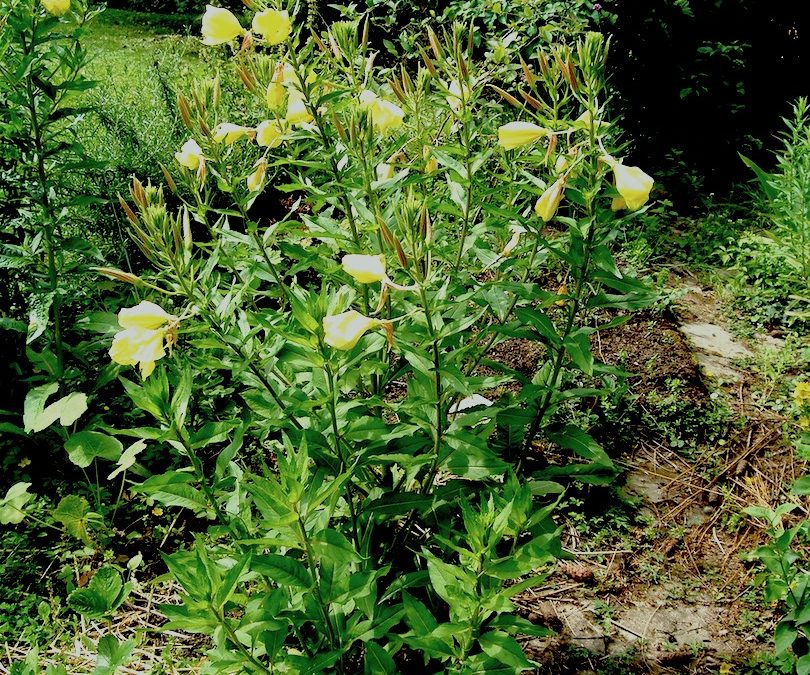
The oil pressed from Evening Primrose seeds has risen to superfood fame in recent years. Originally, it was touted as a secret wonder drug to combat symptoms of PMS and menopause. But as more research was done on it, more beneficial properties became apparent. The list of conditions this seed oil is said to benefit is truly extensive. Evening Primrose seeds are a rich source of Omega 3 essential fatty acids commonly found in oily fish and eggs. This is good news for vegetarians and vegans, who sometimes find it hard to get adequate supplies of this essential fatty acid in their diet.

Although Omega 3 is also found in some other seeds, such as Linseed or Hemp. However, some people lack the enzyme necessary to convert Linoleic Acid into GLA (Gamma Linoleic Acid). And this is where Evening Primrose stands out: its seed oil is one of the best sources of GLA, which the body uses in many ways: it helps prevent blood clotting, dilates blood vessels and is highly anti-inflammatory, making it useful in conditions such as rheumatoid arthritis.

The GLA in Evening Primrose oil is of a type that is very easy for the body to absorb. Thus, even small quantities can be quite effective. Evening Primrose oil is said to help prevent cancer, reduce inflammatory autoimmune conditions, improve blood circulation, and support digestive and liver functions. It is sometimes added to hair and skin repair cosmetics to remedy dry skin conditions, eczema, and brittle nails and hair.

Read more about foraging Evening Primrose as a wild food.


Shop for Evening Primrose oil at Starwest Botanicals. (affiliate link)

Gardening Jobs in September

Gardening Jobs in September

Summer is coming to an end, but that does not mean the end of the gardening season. Quite the opposite! It is time to harvest the fruits of your labour! Zucchinis, pumpkins, tomatoes, beans, potatoes and chillies - there is a glut of veggies to harvest now. Often, far more than anyone can eat. To make the most of the harvest, preserve it now for the lean times ahead.
Check out how to preserve the harvest 

Extending the season

If you want to extend the season to still harvest some fresh veggies until at least the early part of the winter, you should now sow some winter crops.

Salad ingredients

It’s such a wonderful thing to be able to harvest fresh greens even as nature is winding down and retreating for her winter sleep. You can now sow Miner’s lettuce, Lamb’s Lettuce, Asia salad mix, and cress, and radishes.

Veggies for overwintering

Some veggies also appreciate the early start and can continue to grow through the winter.
Spinach, winter peas, broad beans, winter carrots, and if you live in a mild climate, Swiss chard, can all be sown now. But check the varieties - there are always early and late ones and ones that are winter hardy. That is what you want to sow now. You can also plant onion sets now. They will be ready to harvest in July.

In situ or under glass

If you don’t yet have enough space in your plots, you can start the winter crops indoors or in the cold frame.

Propagating

Now is also the time to take cuttings, so you can propagate your perennials and bushes. Take cuttings from this year’s growth that have not become woody yet. They work best if dipped in rooting hormones before planting them into pots. Mix the soil with perlite or similar to improve the drainage.

Happy gardening!

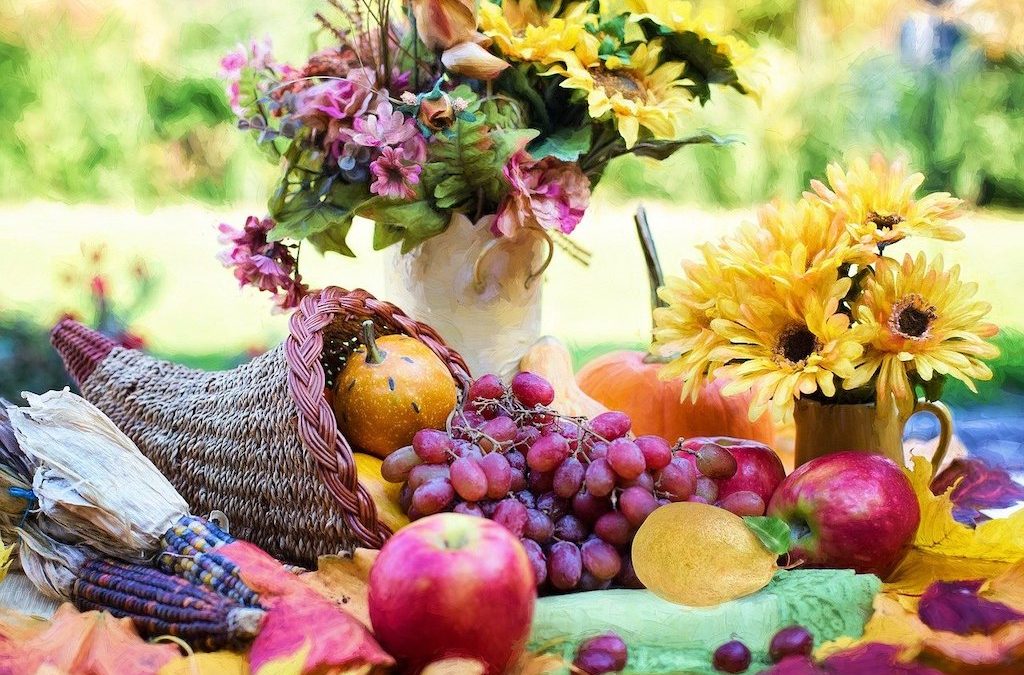
Image by Jill Wellington from Pixabay

#Ads

Disclosure: As an Amazon Associate, I earn from qualifying purchases on Amazon and other affiliate sites.
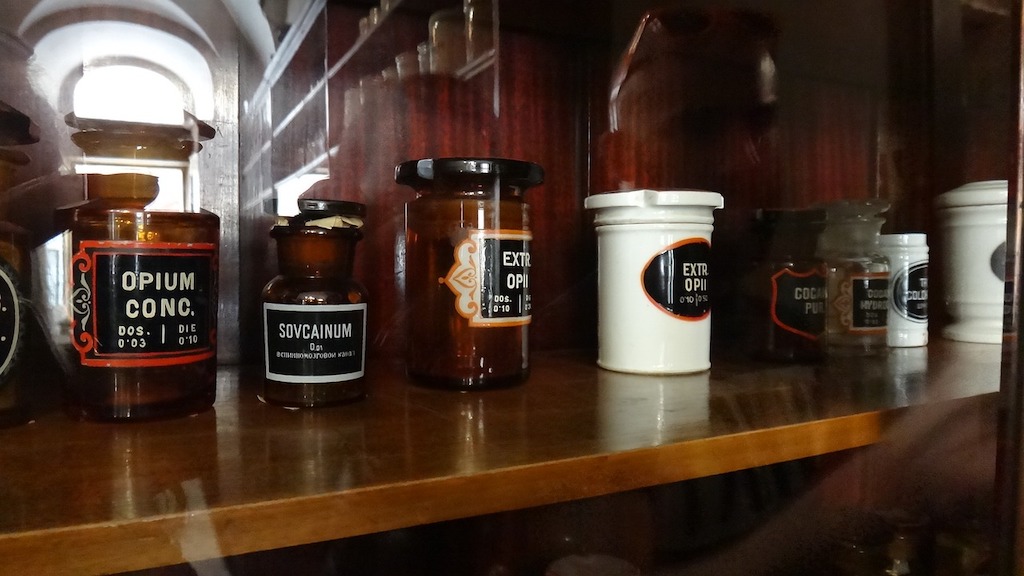
Medicinal Uses of Poppy (Papaver somniferum)

Medicinal Uses of Poppy (Papaver somniferum)

Medicinal Uses of Opium Poppy (Papaver somniferum) 

To this day, opium and its derivatives supply us with some of the most effective painkilling agents used in medicine. These substances bring great relief to those suffering from agonizing pain. But they are also dangerously addictive.

  Parts Used:  Chiefly the latex or alkaloids derived from it
  Constituents: Contains about 40 different alkaloids. The most prominent being morphine, Codeine, Thebaine, Papaverine and Noscapine
  Actions: Analgesic, narcotic, sedative, antispasmodic, anti-diarrheal, anti-tussive, diaphoretic, aphrodisiac


 Indications: 

The dried latex rolled into pills combined with other substances has long been valued as a highly effective painkiller. As a sedative, opium is used to calm agitated children. People in extreme states of hysteria or who are otherwise mentally or emotionally disturbed benefit from its sedating action. Those suffering from intensely painful conditions benefit from both the pain-relieving and the sedative action as opium will soothe the pain and help the body relax so as to find restful sleep.  

Opium's anti-diarrhoeal properties are still employed today as one of the most effective agents for treating colic and dysentery. In cases of gall-bladder colic or spasms, opium acts as a pain-relieving antispasmodic. It is still used as an ingredient of cough mixtures as a powerful anti-tussive, invaluable in treating persistent spasmodic coughs (Codeine- alkaloid of opium). In the past, it played an important role in the treatment of tuberculosis. 

In Ayurvedic medicine, opium is valued as an aid to healthy sexual function, as it can relieve sexual problems such as impotency and premature ejaculation.


Caution:

Opium, Morphine and Heroin are all highly addictive substances, besides which they are also highly illegal. Excessive use can lead to serious health problems and even cause death. Small quantities can cause severe constipation. The dangerous side of opium is still very much evident today, and not just among heroin addicts. The 'opium crisis' has made a fortune for drug companies while turning millions of people into addicts with apparently legitimate painkillers.

Note: This article is intended for educational purposes only, not as a guide to self-medication or to encourage the use of illegal drugs.


Status: In most countries, it is illegal to cultivate Poppies without a licence, although in Europe, it is commonly grown as an ornamental garden plant. However, harvesting opium is strictly prohibited everywhere. 


The dried seed pods and the seeds are legal and available commercially. 


Ayurveda – The Science of Life

Ayurveda – The Science of Life

Ayurveda literally means 'science of life'. It is one of India's many indigenous healing traditions. But it is not a science in the western sense of the word. Very much unlike western science, Ayurveda is said to have been divinely revealed.

Ayurveda has ancient roots, dating back at least 5000 years. According to legend, one day, a long, long time ago, the wisest Brahmans came together to meditate on matters of sickness and health, nutrition and well-being. And thus, the Ayurvedic philosophy and the principles of health were conceived in their entirety.


Balance as a dynamic principle

Ayurveda’s fundamental premise is the unity of body, mind and spirit and the interconnectedness of all life. Health means ‘wholeness’, and the key to health is a balanced lifestyle.

A balanced lifestyle means moderation in all things - physical, mental and spiritual. Imbalance in any sphere of life will eventually affect all aspects of the body-mind. A balanced diet is just as important as being happy and physically fulfilled.

But we are constantly exposed to an interplay of forces that can easily upset our balance. To maintain balance means having to dynamically adapt to ever-changing circumstances.


Elemental Balance

These interacting forces were conceived as the ever-changing dynamic expression of the elements (fire, air, earth, water and ether).

The Ancients regarded the elements as 'qualia'. When they spoke of fire, they did not mean an actual bonfire but the essence of fire, expressed in the heat, the flickering flames, and their all-consuming power. The construct of the elements is based on a phenomenological way of perceiving and interpreting inner and outer reality.

Everything in the universe has its own elemental signature composed of a specific energetic pattern. And all living things are interconnected. Herbal remedies and are employed to correct the energetic imbalance.


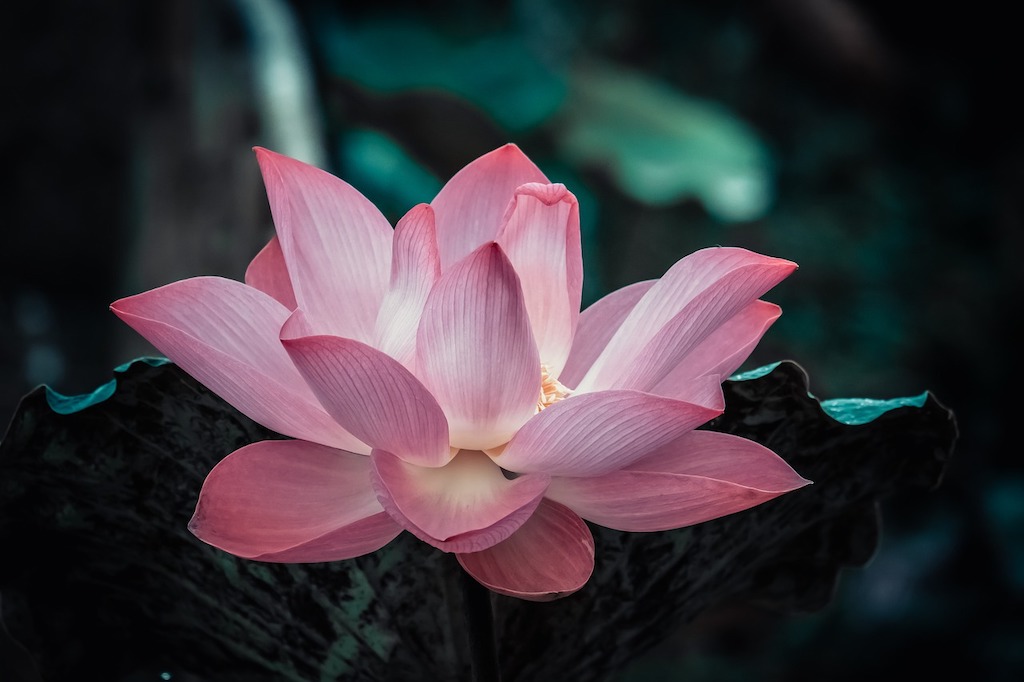
lotus

Constitutional types

Human beings are categorized into three basic constitutional types known as doshas: Vata, Pitta, and Kapha. Although all three doshas are present in every person, one or two usually dominate.

Vata

Vata is associated with the elements of air and ether.
It implies movement and changeability, and its quality is cold and dry. Excessive Vata energy manifests as nervousness and anxiety. Vata individuals find it hard to sit still. They are always on the move. Their minds are quick and active, but they do not always retain information very well. The skin or hair tend to be dry and brittle, and they often complain about cold hands and feet. Their body frame tends to be light and skinny.

Pitta

Pitta is associated with the elements of fire and water. It expresses itself as the assimilation of food and the heat of metabolic processes. It describes a hot temperament that requires plenty of food to fuel the metabolism. The intensity of the inner fire tends to turn Pitta types’ hair grey or causes them to lose it at a young age. The hair and skin are often oily, and Pitta-individuals frequently have strong body odours. Their cognition and memory are usually sharp, but they often have a perfectionist streak. This can lead to a judgmental and over-critical attitude towards others. Pitta-types often have a need to dominate and control.

Kapha

Kapha is associated with the elements of water and earth. It represents structure and substance. In the body, it finds expression in the bones and connective tissues. Kapha energy is heavy and cold. Kapha individuals have heavy body frames and a tendency to put on weight. They move and think slowly and can be lethargic. The skin may feel cold and clammy, and they often have a sweet tooth. Kapha individuals can be kind and compassionate, but they may be overly attached and suffer from jealousy.

We are constantly subject to external forces that can unbalance our equilibrium. Ayurveda aims to rectify symptoms of dosha imbalance. Its tools are mental and physical exercises (e.g. meditation, yoga), medicinal herbs, and appropriate nutrition.


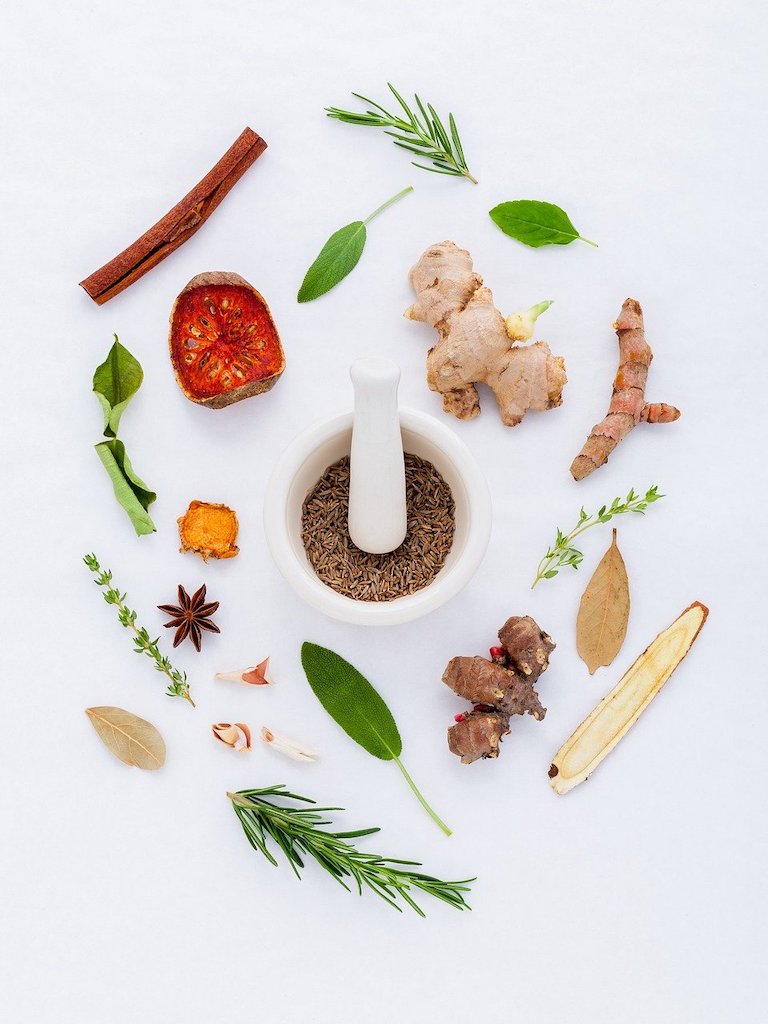
ayurvedic medicineFoods are also categorized into three basic types:

  • Sattva - milk and plant products, mild flavours
  • Raja - hot and spicy food, meat
  • Tamas - denaturalized foods, canned food, fast food, alcohol


Whether foods are healthy or harmful depends on the person's dosha constitution.


Correcting excessive Vata energy

To balance excessive Vata energy, eat cooked food that is oily, heavy and warm, and preferably sweet, sour or salty. Refined sugars and yeast should be avoided. Vegetables of the cabbage and potato family are not recommended. Raw vegetables are okay, but should be marinated or served with a dip or dressing. Avoid just grabbing food on the go. Eat slowly and keep regular dinner times.

Correcting excessive Pitta energy

Excessive Pitta energy can be balanced by eating a predominantly vegetarian diet consisting of plenty of fruit, veggies and grains. Overly spicy or acidic foods and excessive amounts of salt, oil or alcohol should be avoided.

Correcting excessive Kapha energy

To balance excessive Kapha energy, eat light, fresh, raw vegetables and fruit. Sweets, creamy foods, nuts and heavy carbohydrates should be avoided. Spicy foods are beneficial as they stimulate metabolic processes. But meat, dairy products and citrus fruits and sweet, sour and salty foods should be avoided.

Obviously, these are only the most rudimentary guidelines. To learn more about the principles of Ayurvedic nutrition, see the recommended books or find an Ayurvedic practitioner near you.

Other causes of disease

Ayurveda also recognizes other causes of ill-health that call for different types of treatment.

Accidents:

Physical or mechanical injuries, such as broken bones, call for surgery.

Inflammation:

Infectious diseases and organ dysfunction are mostly treated with herbs and other curative substances.

Afflictions of the soul:

Emotional issues such as fear, hatred, apathy, or jealousy.
Such issues are treated therapeutically. (Aromatherapy, colour therapy, music therapy, charms, dance etc.)

Natural causes:

Old age, hunger and similar are treated with spiritual measures such as meditation, prayer and spiritual practices.

Western science has long struggled to understand these ancient and often confusing systems of correspondences and typologies. They are often labelled unscientific and quickly dismissed. Such philosophies are considered mumbo-jumbo simply because they do not fit the reductionist paradigm. Some modern Ayurvedic physicians have attempted to translate their system into western concepts to gain more acceptance and make it easier to understand.

But Ayurveda has gained popularity in recent years. -no longer a 'fringe' therapy, Ayurveda has a firm place in the field of alternative and complementary therapies. No one needs to travel halfway across the world to consult an Ayurvedic practitioner (although many do!)


Can culturally alien medical practices be effective, regardless of where and to whom they are applied?

This question deserves consideration.

In rural India, hygienic conditions, even at hospitals, cannot be compared to those in the West. Under such sanitary conditions, it is not always possible to administrate injections safely. At the same time, pharmaceuticals may be regarded with such awe that they are overprescribed, leading to unwanted results.

Although western medicine is universally considered superior to indigenous healing systems, it can fail if the environmental conditions are inadequate. Likewise, Ayurvedic medicine, in the hands of insufficiently trained practitioners, may not produce the expected results. Neither system can simply be transposed to another culture without taking systemic factors into account.

Ayurveda has been practised successfully for thousands of years. But it takes years of study, including the philosophical premise on which it is based. Reducing it to some basic principles does not do it justice and will not produce the desired results.


Lead image by Okan Caliskan from Pixabay
Lotus image by Phu Nguyen from Pixabay
Ayurvedic herbs image by Seksak Kerdkanno from Pixabay

#Ads

Disclosure: As an Amazon Associate, I earn from qualifying purchases on Amazon and other affiliate sites.