What Gardening Jobs are there to do in August?

What Gardening Jobs are there to do in August?

August is a fabulous time for all gardeners! The explosion of colour, scent and texture is a fiesta for the senses. But above all, allotment gardeners love this time of the year. Harvest is finally here. Finally, all the hard work from the spring is paying off.


Harvesting

Just what you will harvest now depends on what you sowed earlier. I tried to grow carrots this year (again). Alas, to no avail. I don't know what it is about me and carrots, but I have never managed to grow them - except a stray one that is volunteering among the Basil, in one of my balcony planters. If you had better luck, you are probably feasting on them right now.

Fortunately, my other crops are doing fine. There are runner beans and courgettes to pick, almost daily. Peas are over, but the tomatoes are now kicking in.

Perhaps you are picking cucumbers and early potatoes, as well as onions and shallots. The beetroots are swelling here, but yours might be ready to pick. Spinach is now past its best, but Swiss chard picks up the slack. I love the colourful varieties best, although they all make excellent and versatile summer greens.


Sowing winter vegetables

You might find that picking and processing all those fantastic summer veggies is enough of a job, and nothing could be further from your mind than winter's approach. But, beware, it’s August, and before long, summer will be over. So, now is the time to start thinking about late crops and veggies you would like to overwinter.

In milder climates, it is well possible to extend the season to the end of October. The cabbages are particularly hardy. If you started some earlier, you can now plant them out into their permanent positions. You can even still sow some: kohlrabi or turnip and some spring cabbages (check your seed package). Cabbages are particularly popular with bugs and caterpillars, so you might want to protect young seedlings with a fine-meshed cloth. Plant the seedlings out once they have developed 5-6 true leaves. Remember that they will grow big, so give them plenty of space. They also need a sunny spot and do best in a bed that had a different crop in it the previous year (no brassicas!)

I have not had much luck with cabbages. The caterpillars and whiteflies always get the better of them. I prefer growing Asian salad greens, which are easy, prolific and not as vulnerable to bugs. They are hardy, too. Alternatively, spinach and corn salad will also provide welcome winter greens when little else is available.


Salad ingredients

Some fast-maturing crops can also now be sown again, such as Rocket, Mustard greens, and Radishes. Spring onions can also be sown in late August, but won't be ready to pick until the following spring.


Watering

Make sure you water regularly and deeply. A little sprinkle does not reach the deeper roots. Instead, it encourages superficial root growth close to the surface. Mulch well to keep the moisture in the soil. Feed with compost or diluted liquid manure.


Wildlife

Don’t deadhead all the flowers just yet. The birds are looking for food! They also appreciate a source of clean water for a drink or a bath. The hedgehogs will make use of it, too. Bushes with berries, such as Cotoneaster or Hawthorn, are popular bird food. Starlings and blackbirds just love them!

For ideas as to how to preserve your harvest, check out:  Preserving the harvest 1

or if you prefer a more spirited way to make the most of excess fruits and such:  Preserving the harvest 2


Check out SeedsNow for your organic gardening supplies!


Image by congerdesign from Pixabay

#Ads

Disclosure: As an Amazon Associate, I earn from qualifying purchases on Amazon and other affiliate sites.

The Cultural History of Grapes

The Cultural History of Grapes

Grapevine (Vitis vinifera)

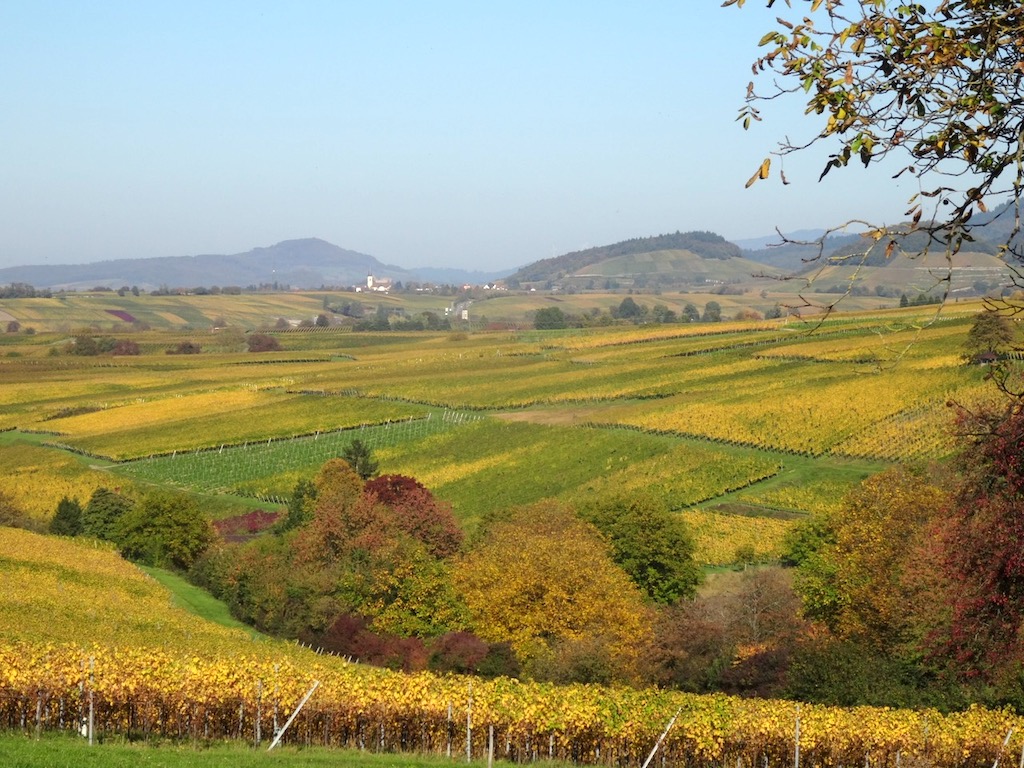
Grapes are one of the most important agricultural crops in the world. But they have far more uses than ordinarily meet the palate. There are at least 8000 cultivated varieties of grapes, most of which are grown in the Northern Hemisphere.

Name: Grapevine (Vitis vinifera)
Family: Vitaceae
Synonyms: Grapevine, Vigne, Weintrauben, Rebstock


Description:

Grapes are one of the most important agricultural crops in the world. From New Zealand to California, Chile, South Africa and of course, their traditional turf around the Mediterranean Basin, grapes are cultivated in Mediterranean climate zones around the world. Grapevines are surprisingly hardy. They can live on next to nothing. They thrive on poor soils, so long as they are well-draining and don't mind the heat. The only thing they won't survive is a cold, wet climate.

When left untended, grapevines can reach a height of about 15 m. As climbers, they will scramble up anything that will give them support. In cultivation, they are often trained on wires and cut back after each season so that only the strongest one or two shoots remain.

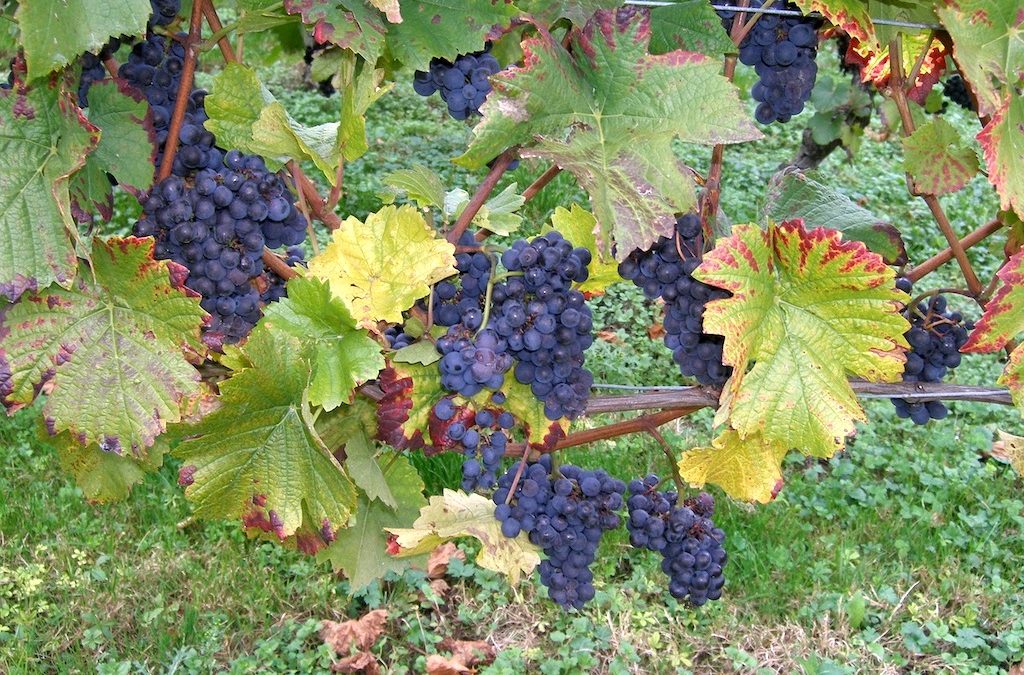
The gnarly stem forms finely grained, dense wood. The leaves are palmate (hand-shaped) with deeply indented lobes, with very jaggy serrated margins, depending on the variety. In May or June, they begin to flower, forming bunches of tiny, white, 5-petaled flowers with a very delicate and sweet aroma. Alas, this phase does not last long. Soon, bunches of sweet, juicy berries start to develop.

Depending on the variety, their size and colour vary. The smooth-skinned, yellowish-green to reddish, or purple-black berries usually contain 2 seeds each (except for seedless varieties). Vines can be propagated by seed or cutting. Most European stocks are grafted onto American rootstocks due to a devastating blight that nearly destroyed all European vine stocks.

There are also many wild grape species, which also tend to be a meandering bunch. They can sprawl over an extensive area if left undisturbed. Their berries also grow in bunches, but they are much sparser and consist of much smaller berries, which are usually quite tart. Like their cultivated counterparts, the flowers are small and rather inconspicuous.
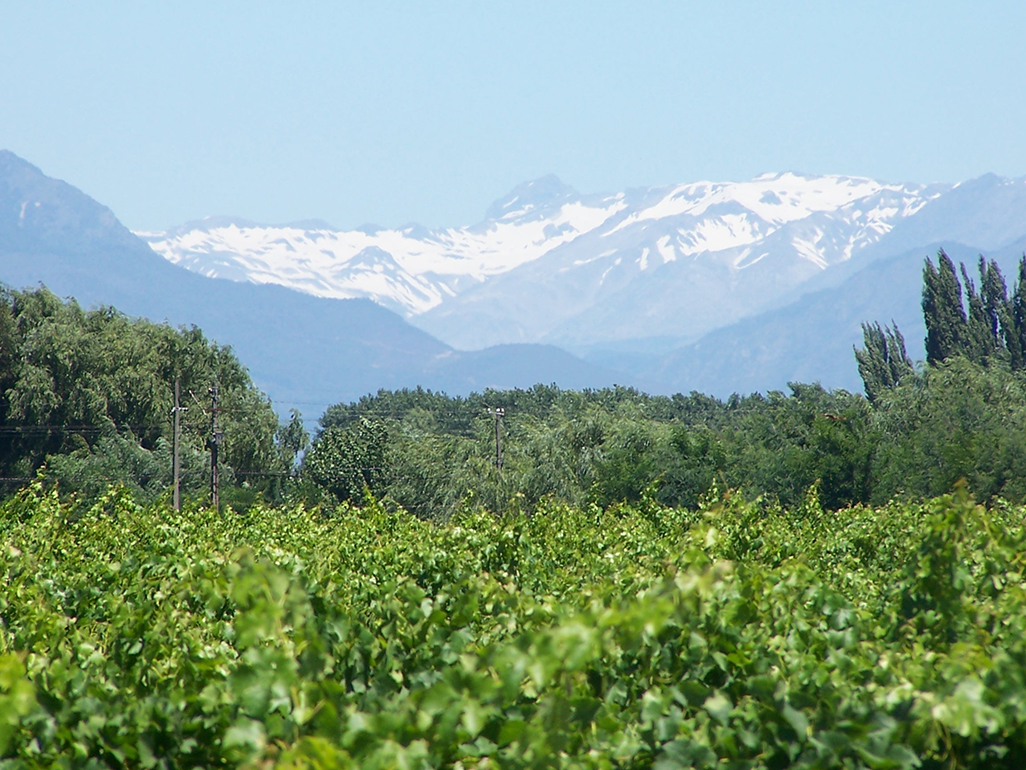
Chile Wine Valley

Fancy a Wine tour of the Chilean Central Valley?

The Central Valley is Chile's most famous wine-growing region. Situated between the Andes and the Pacific, enjoy not only great wines and food, but also stunning views all the way! This short self-drive itinerary explores the Colchagua Valley, which is close to Santiago. Combine with a short trip to the coastal resort town of Pichilemu, known for its water sports activities.

Learn more...

Distribution:

The geographical origins of the vine is still a matter of debate. Various wild varieties can be found in different parts of the world, far beyond the Mediterranean. When the Vikings first arrived in the Americas, they called it 'Vinland' for the many wild grape varieties they found there. The type now under cultivation in Europe seems to have originated in Georgia. Under the influence of Greek and Roman expansion, it steadily spread west and north from there. Today grape production is prolific in all warm, temperate regions of the world, from Central and Southern Europe, Northern Africa, Asia Minor, US, Chile, Argentina, South Africa, Australia, to New Zealand.

Problems and Pathogens:

Viticulture is a profitable business, which, however, claims a vast amount of land. Wine lovers may appreciate the variety of tastes and textures this diversity produces, but environmentally it is a disaster. Relying almost entirely on just one single cash crop is highly risky. Furthermore, monocultures heavily depend on fertilizers, and pesticides that are highly damaging to the environment.

Various pathogens can threaten grapevines: powdery mildew rots the stalks, shrivels the leaves, splits the grapes and finally kills the vine. Red spider mites suck the sap from the leaf veins, phylloxera vastatrix strikes the roots, and the cochylis moth grub attacks the flowers.
wine press

HISTORY, MYTHOLOGY AND FOLKLORE

The story of viticulture is so old that nobody really knows where and when it all started. The Bible mentions that Noah planted a vineyard, but even he was probably not the first. Wine is mentioned in almost every classical text, with records dating back some 6000 years.
It appears as though the Greeks were the first to popularize fermented grape juice, with the Romans soon following suit. As major trading powers, they spread the art of viticulture all around the Mediterranean Basin. By 600 BC, wine was a sought-after export commodity, especially popular with the Gauls who, in time, became expert growers themselves.
However, in the latter half of the 18th century, tragedy struck. By then, grapes had moved to the Americas along with the colonists. The drama unfolded when a North American grower sent some specimen of his rootstocks back to the old world for further study. Unfortunately, the sample he sent was infested with a devastating blight (phylloxera vastatrix) that threatened to wipe out vineyards across Southern Europe. It was a catastrophe of unprecedented proportions.
Luckily, the cure also came from North America - and just in time. A frantic search for a blight-resistant yielded results, and another sample was sent to Europe. Growers started quickly grafted their ancient varieties onto American rootstocks, which saved them. Although the industry took some time to recover, European wine-growers rank again at the top of the international charts.

The wines of Ancient Greece seemed to have been quite a different kind of brew than what we are used to today. Historical records describe a much thicker and heavier beverage that had to be diluted at a ratio of 1:3 for consumption. Typically, it was infused with other substances such as resins, aromatic herbs and even psychotropic plants. It is not surprising then that the Greeks associated wine with Dionysus, the wild, shamanic god of ecstasy. His rites were frenzied and orgiastic. A menacing mob of Maenads, (his priestesses) pursued the god (or his representative) in a feverish hunt and tore him apart. Eventually, an animal (a fawn or fox) replaced the human sacrifice. In time, Dionysus was tamed and re-cast as a chubby, cheerful, but domesticated deity of wheat and wine. The animal sacrifice was replaced with a ritual sharing of ceremonial bread and unadulterated wine during the annual celebration of the Elysian Mystery play.

The Romans equated Dionysus with Bacchus, their god of wine and intoxication, whom they worshipped in much the same manner. In Egyptian mythology, Osiris is the Lord of wine, and Isis fell pregnant with Horus after eating his grapes.

The Hellenized Syrian satirist Lucian recounts a 'tall satirical tale' in his 'True History'. A strange vineyard once grew on the far banks of a river that ran with wine instead of water. The grapevines grew woody stems, but their upper parts sprouted beautiful maidens whose hair was a tangle of leaves and bunches of grapes growing from their fingertips. Their enchanting song lured passers-by. But woe to those who succumbed to their embrace: instantly drunk and unable to escape, the hapless took root and soon sprouted shoots and leaves themselves.

Aphrodisiac associations:

Wine is a divine gift of the gods. In moderate amounts, it lifts the spirit, exhilarates and inspires. It opens the mind and holds the key to the heart and soul. Innumerable works of art have been inspired, and countless adventures started by a spark of its passionate fire. But in excessive quantities, it stupefies and causes delusion. It is a fine line between ecstasy and frenzied oblivion.


Ever tried making homemade wines?

MEDICINAL USES

Both red and white wine was traditionally used as a solvent to extract other substances when making medicinal wines and cordials. But various parts of the plant itself were also used as medicine.

PARTS USED:

Leaves: fresh young leaves
Flowers: dried or fresh flowers
Berries: fresh or dried fruit
Seeds: oil pressed from the seeds

HARVEST TIMES:

The flowers appear in May/June. The leaves should be picked in spring when they are tender, and the grapes ripen from September onwards (in the Northern Hemisphere).

LEAVES

Constituents:
In the summer, the leaves contain a mixture of sugar and glucose, tartaric acid, potassium bi-tartrate, quercetin, quercitrin, tannin, Amidon, malic acid, gum, inosite, a crystallizable fermentable sugar and oxalate of calcium. In the autumn, they contain more
quercetin and less quercitrin.
Actions:
Anti-inflammatory, astringent, styptic
Indications:
An infusion of 1 TSP of fresh, finely cut leaves per cup of water helps with conditions such as rheumatism, gout, nausea and spitting of blood. A preparation known as 'Papinorum Extract' made from the leaves is used in Homeopathy to treat epilepsy and inflammatory conditions of the hip. Dried and powdered, leaves were fed to cattle as a treatment for dysentery. A decoction was used to prevent a threatened miscarriage. The astringent properties help to arrest internal and external bleeding, cholera, dropsy, diarrhoea and nausea. The decoction can also be used to treat mouth ulcers and as a douche for vaginal discharge. Grape leaves are used as a treatment for varicose veins and fragile capillaries. For this purpose, leaves are harvested as soon as they turn red and are used either fresh or dried.

FLOWERS

Actions:
Nerve tonic
Indications:
1tsp of dried flowers per cup of boiling water is said to strengthen neuronal dendrons. It also supports the bone marrow to build red blood cells. The infusion can be used internally or applied externally as a rub to aid neuronal function (even for numbness of the lower limbs)

BERRIES

Constituents:
Malic, tartaric, ascetic ascorbic and racemic acids, alanine, alpha-linolenic acid, alpha-tocopherol, arginine. Oxalic acid in unripe fruits, Ca, P, Fe, thiamine, riboflavin, niacin, and ascorbic acid
Actions:
Fortifying blood tonic, nourishing, stimulates kidney and liver function and thus aids elimination and inner cleansing, gentle laxative
Indications:
A grape-fast is a popular method to rid the body of accumulated metabolic waste products and other toxins. 2 kg of grapes should be eaten throughout the day for two weeks, with little or no other food. It is recommended to do a full day fast one day before embarking on this regime. This is an excellent way to stimulate and tone the kidneys and thus to lose weight by releasing water from the tissues. It reduces fat, regulates bowel function, purifies the blood and cleanses the skin. A grape-fast can alleviate rheumatic pain and heartburn, regulate metabolic processes, water retention, oedema and circulatory complaints. Grapes are restorative and nourishing food that aid recovery from anaemia and debilitating conditions. Dehydrated grapes (raisins) have demulcent, nutritious and slightly laxative properties. Grape sugar (fructose) is rapidly absorbed into the bloodstream. It almost instantly restores energy levels in case of exhaustion and debility.
 Contraindications:
A grape fast is not recommended for dyspeptic, excitable, hot-blooded individuals, as it may cause palpitations.

SAP:

Grapevine sap, a watery substance that naturally occurs when pruning the vines, was used as a lotion to treat weak eyes and corneal floaters. It has also been used as a skin lotion. Internally, it acts as a diuretic.
 

wine press


GENERAL USES

  • Basketry: The annual shoots are pruned in the winter. They are very flexible and have been used for basketry and broom-making.
  • Cosmetics: A lotion made from the flowers has been used for freckles, while the oil (seeds) is used for making soap.
  • Dyes: The berries yield a purplish colour, which is not durable. The fresh or dried leaves dye yellow.
  • Fuel: The old grapevine stocks are popular as firewood, especially for grilling due to the aromatic smoke. The twigs make good kindling.
  • Grapeseed Oil: Grapeseed oil is pressed from the seeds. It is used for culinary and cosmetic purposes. For culinary use, the oil must be refined to make it fit for consumption. Unrefined grapeseed oil is slightly sticky. As a massage oil, it is best to blend it with other oils.
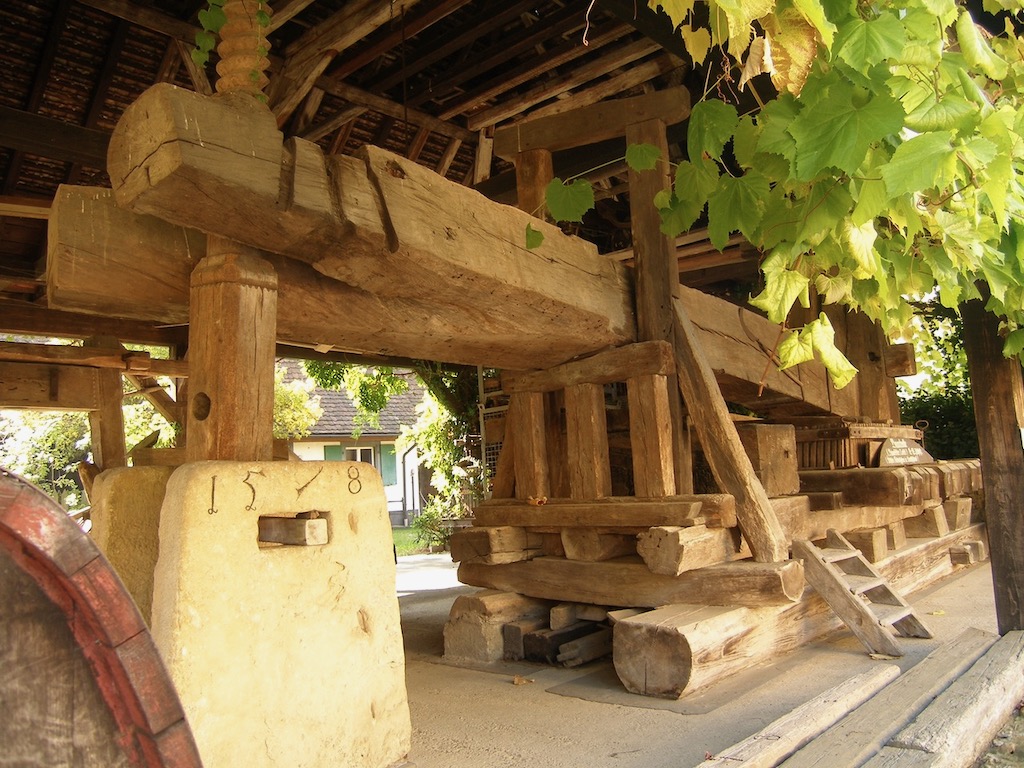
  • Culinary uses: Grapes are wonderfully refreshing, nourishing and cleansing fruits that can be enjoyed straight from the vine. Their sweet and tasty juice makes a refreshing beverage and can also be used to make jelly. Evaporated to produce a concentrate, it makes a good sweetener. But above all, grape juice is fermented to make wine and champagne. Wines come in a staggering variety: reds, rose or white wines, champagne or sparkling wine, are made from hundreds of different grape varieties. A dessert wine is produced by adding alcohol to the ferment to prematurely stop the fermentation process.
  • The young tendrils can be eaten raw or cooked as a vegetable. The flowers are also edible and can be prepared as fritters.
  • The sap tastes sweet and can be used as a drink, but harvesting large quantities weakens the vines. Roasted seeds can be used as a coffee substitute.
  • Pickled leaves are used as a wrapping for finger-food appetizers (dolmas) that are especially popular in Greek and Middle Eastern cuisines.
  • A crystalline salt, cream of tartar, also known as potassium bitartrate, is derived from the residue of pressed grapes. Sediments collected from wine barrels are used for making baking powder.


Photographs by Kat Morgenstern
Plant Profile: Moringa

Plant Profile: Moringa

Plant Profile: Moringa (Moringa oleifera Lam.)

Moringa is a tropical tree that is not very well known outside its native habitat, despite offering multiple gifts for the benefit of mankind.


Habitat:

Moringa has spread from its native habitat in the sub-Himalayan region of India to tropical and subtropical areas around the world. It is now cultivated on many continents. It is highly adaptive and tolerant to even the most inhospitably arid soil conditions. Prolonged cold spells with temperatures falling to below 20 °C are the only conditions it can not tolerate. Its preferred conditions are temperatures between 25°-30 °C and well-draining soil.


Description:

Moringa is a fast-growing subtropical tree native to the Himalayan foothills. In as little as 10 months, it can grow to an astonishing height of three meters - from seed! However, it rarely grows to more than 10 meters in total - a tree of medium stature.

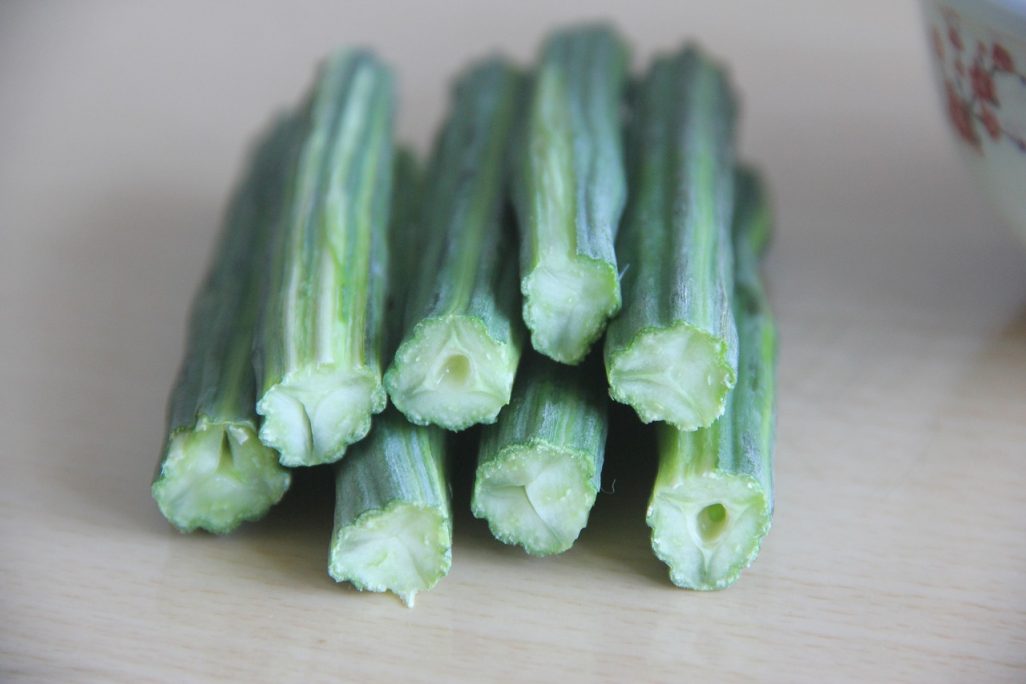
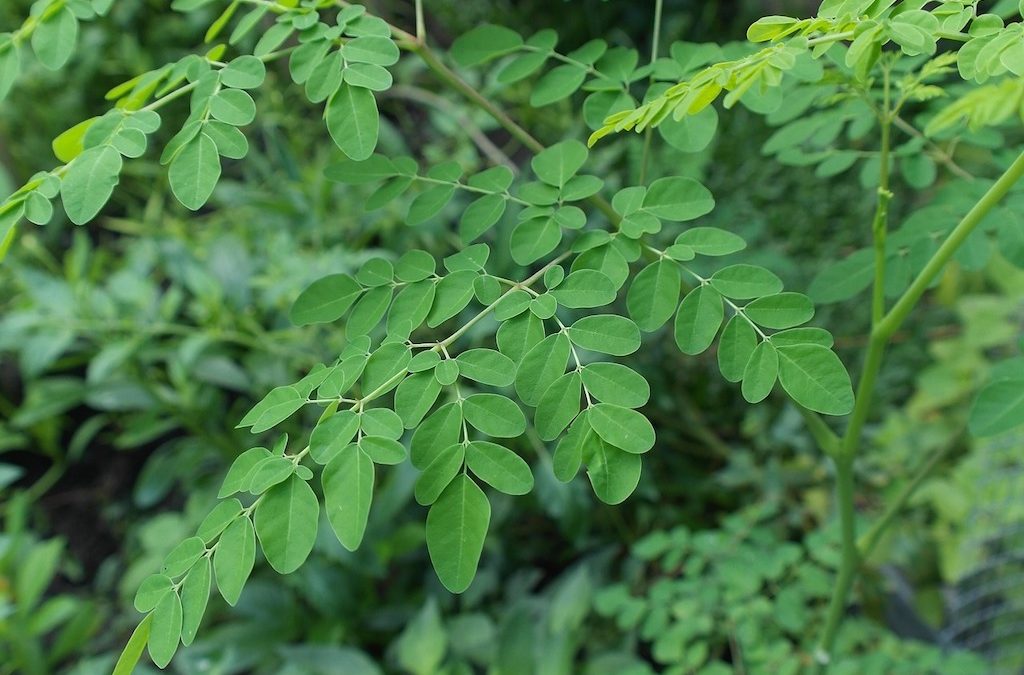
Its feathery leaves and bean-like seed pods give it the appearance of a legume species. But that is not the case. Moringa is the only genus of the Moraginacae family, which comprises 13 species. The pods, which are slightly thickened at one end, are known as 'drum sticks'. Each pod contains 15-20 winged seeds.

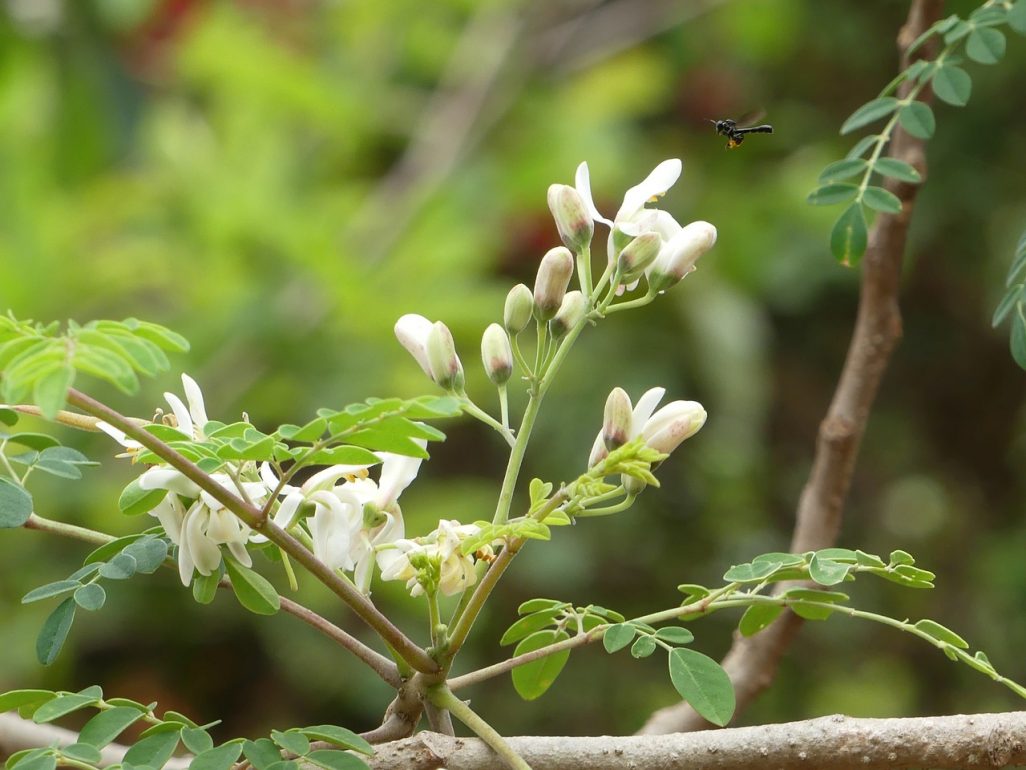
The tree branches freely and produces dark, green feathery tri-pinnate leaves with elliptical leaflets. The flowers grow in bunches of small white or cream-coloured flowers and have a subtle fragrance.

Moringa BlossomImage by Yaayaa Diallo from Pixabay

Moringa Blossom


History

Moringa is one of the most important and universally useful plants of the tropics.

The entire plant is edible - leaves, seeds, pods, flowers and even the roots - although some experts warn against eating them. (The British called this tree 'Horseradish root tree', an allusion to root's distinct flavour).

Moringa is remarkably rich in essential nutrients such as vitamin A, C and E, calcium, potassium, iron and, perhaps most importantly, protein. It is recommended as a nutritional supplement for pregnant women, nursing mothers, children, and the elderly and infirm. It is one of the few sources of high-quality vegetable protein that contains all essential amino acids.

In India, the young, green and immature pods (the ‘drumsticks’) are a popular ingredient of curries. The seeds yield a high-quality oil used in cooking which is rich in oleic acid. It is very stable, comparable to olive oil in terms of resistance to rancidity and nutritional value. The leaves are the most perishable. Ideally, they should be consumed within a couple of days of harvest. To extend their shelf-life on the market, they need to be bagged and cooled. Alternatively, their nutritional value can be better preserved by drying and powdering them. The powder can then be added as a nutritional supplement to soups, beverages, curries and other foods. But the most miraculous powers are contained within its seeds: Moringa seeds act as ‘flocculants’. They can purify water by causing contaminants to 'flock together' and precipitate, i.e. sink to the bottom of the vessel, thus effectively purifying the water. Pharmacologists at Gadja Mada University in Indonesia showed that “one crushed Moringa seed can clear 90% of the total coliform bacteria in a litre of river water within 20 minutes. While an animal study showed that even 2,000 seeds per litre of water had no toxic effects on mice.”

This is powerful and important indeed, especially given the poor water quality in many tropical and subtropical parts of the world. Given that access to clean drinking water is still a problem in many tropical regions, Moringa offers hope. Promoting the planting of Moringa trees could significantly improve water quality, as well as help to boost nutrition in some of the poorest regions of the world.


Moringa sticks

Moringa Drum Sticks Image by S V from Pixabay

Medicinal uses:

Medicinally, Moringa is primarily used to address problems arising from malnutrition. It has a tonic effect on the gastric system and can cure diarrhoea. Thanks to its high vitamin A content, it is a great immune system booster. Vitamin A also helps alleviate visual problems, such as night blindness and xerophthalmia.

Despite its impressive nutritional profile, Moringa can not cure severe malnutrition. The body can no longer process iron, protein or fat once severe physiological abnormalities have been triggered (e.g. infections, impaired liver and intestinal function, imbalance of electrolytes and related problems). However, Moringa is the best available ally to prevent such severe cases and correct mild and moderate ones.

Moringa can also reduce blood sugar levels and thus help control diabetes and high blood pressure. Furthermore, it is said to be helpful in the treatment of respiratory problems, tuberculosis and malaria.

The raw seed pods act on the liver and are used as an anthelminthic (deworming) agent.

The seed oil contains antibiotic and anti-inflammatory compounds. It is used in the treatment of bacterial and fungal skin conditions. Topically, it can be applied to aching joints.

Recent research suggests that Moringa may be effective against certain kinds of cancer, particularly skin cancer. Traditional healers have long used Moringa for this purpose, but further studies are needed to evaluate and verify these traditional uses. They also claim that it to be an excellent nutrient to prevent cancer.

It is easy to add Moringa to the diet, and almost anybody could benefit from it. But above all, it should be used to improve the conditions of those who live in extreme poverty. Moringa should be planted in every available patch of public land to make it accessible to all.


Lead image by Iskandar Ab. Rashid from Pixabay

Plant Profile: Aloe vera

Plant Profile: Aloe vera

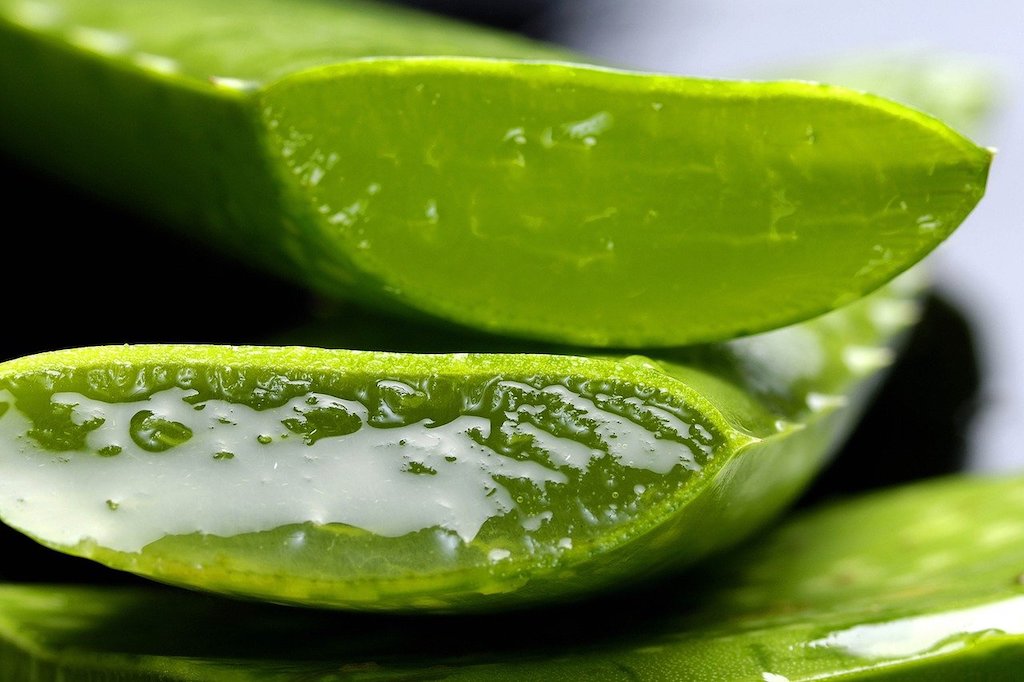
u003cpu003eAloe Vera is no longer an exotic stranger. We see it advertised as a popular ingredient in numerous household products, from washing-up liquid to latex gloves, and even razors. Many of us also know the plant itself.u003c/pu003enu003cpu003eAloe Vera is an undemanding, perennial succulent, at home in arid regions of Africa. It is a distant cousin of the century plant, so common in the southwestern United States. Both belong to the order of Asparagales, but do not share the same genus.u003c/pu003e

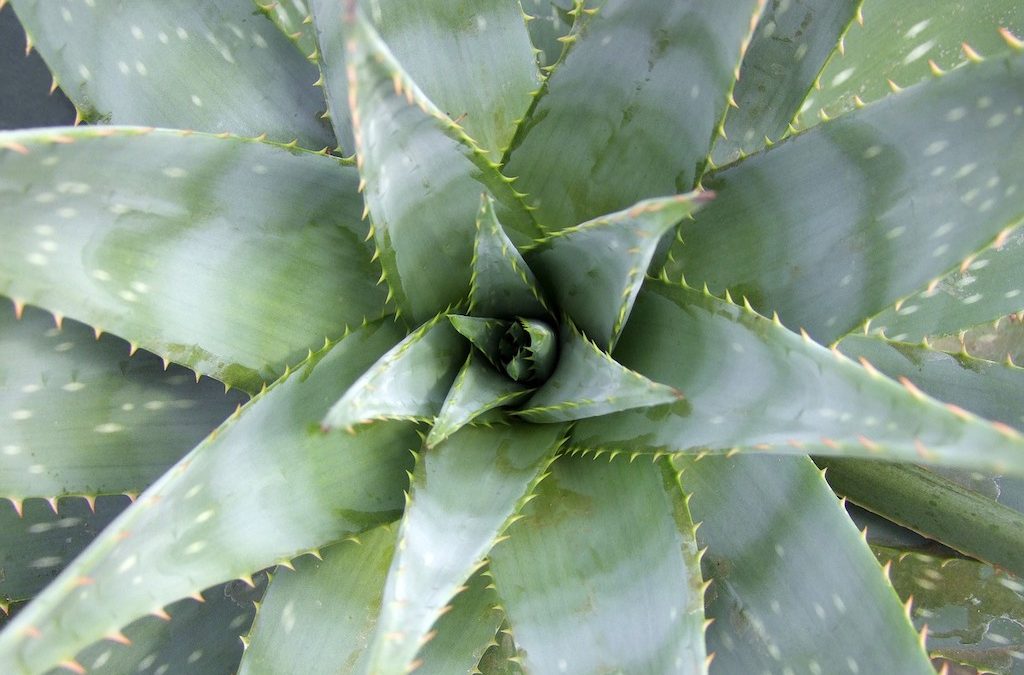
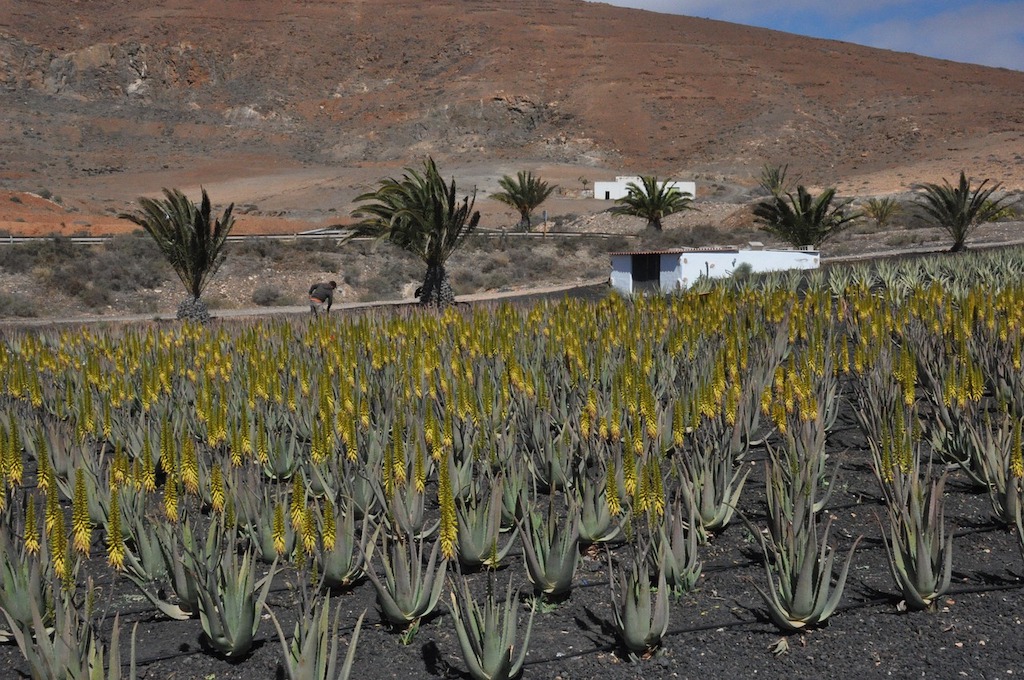
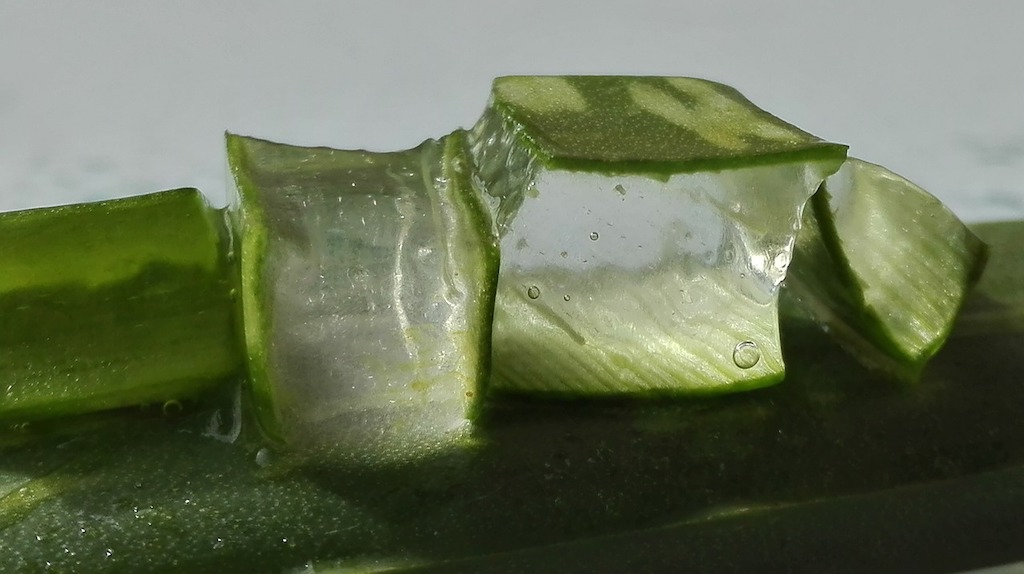
u003ch3u003eDescription:u003c/h3u003enu003cpu003eAloe Vera's fleshy, succulent leaves contain a clear, gooey gel-like substance. The leaf margins bear 'sharp teeth' to deter casually browsing animals. It loves hot and dry conditions and only 'wilts' when over-watered, or exposed to freezing temperatures. Grown in the right conditions, (that is, mostly ignored), the plant will do just fine. It may even send up a central shoot with short tubular yellowish flowers sprouting from the upper part of the spike.u003c/pu003enu003cpu003eThe Aloe genus comprises about 400 species, with Aloe Vera considered the most useful for medicinal purposes. Mature plants contain the most potent healing compounds.u003c/pu003e

u003ch3u003eHabitat:u003c/h3u003enu003cpu003eAloe Vera is native to arid regions of the north-eastern and southern parts of Africa and Madagascar. But thanks to its tremendous value as a healing plant, it has spread to arid regions throughout the world. Today it is widely cultivated around the world, including in North America, Japan and China.u003c/pu003e

Aloe vera plantation

u003ch3u003eHistoryu003c/h3u003enu003cpu003eAloe Vera is a truly wonderful plant, with a well-established reputation as a medicinal plant, that is particularly useful for skin conditions, minor cuts, abrasions and burns. The dried latex, a well-known laxative, is distinct from the gel. It derives from a yellow juice that is contained in the pericyclic tubules of the inner leaf.u003c/pu003enu003cpu003eAlthough Aloe has been in documented use for at least 3500 years, there is a lot of controversial and contradictory information about it.u003cbr /u003eIt was first mentioned in the famous Egyptian Ebers Papyrus, which dates back to 1500 BC and is widely regarded as one of the earliest documents on what was to become the western Materia Medica. More than likely, Aloe Vera's use was well-established long before it was recorded. In the hot and dry countries of Northern Africa and the Middle East, Aloe Vera served as a soothing household remedy for sunburns and a ready-to-use moisturizing cosmetic lotion.u003c/pu003enu003cpu003eSome confusion surrounding this plant stems from the fact that it is still frequently mistaken for lignum Aloes or Wood-Aloes, which is an entirely different species of plant. Although abundantly mentioned in the Bible as an incense ingredient and constituent of embalming oils, Wood-Aloes does not grow in the Mediterranean Basin but is a tree of the genus Aquilaria. Also known as Agar wood, Wood Aloes is native to Southeast Asia. While Aloe Vera latex does transform into a hard substance when dried and is sometimes referred to as 'Aloe resin', it is not particularly aromatic and has never been used as incense.u003c/pu003e

u003ch3u003eAloe Vera juiceu003c/h3u003enu003cpu003eIn recent years, 'Aloe Vera juice' (as well as a myriad of spin-off products that contain the juice), has become popular. But by their very nature, products are always processed. Aloe Vera juice is no exception. It always contains flavourings and preservatives. In its natural form, Aloe juice (gel) is not very palatable - it is bitter and gooey - not exactly a pleasure to gulp down. It is not hard to see why the ancients didn't recommend it and only saw it fit as an emergency measure for the treatment of intestinal parasites.u003c/pu003enu003cpu003eCareful handling is of utmost importance as oxidation sets in the minute the leaves are cut, and enzymatic activity begins to destroy some valuable compounds. Traditionally, the leaves are taken to a processing facility as quickly as possible after being cut, ideally in a refrigerated truck. At the processing plant, they are filleted by hand to remove the outer skin. Unfortunately, most of the beneficial compounds are concentrated just beneath, and filleting removes much of what makes the plant so valuable.u003c/pu003e

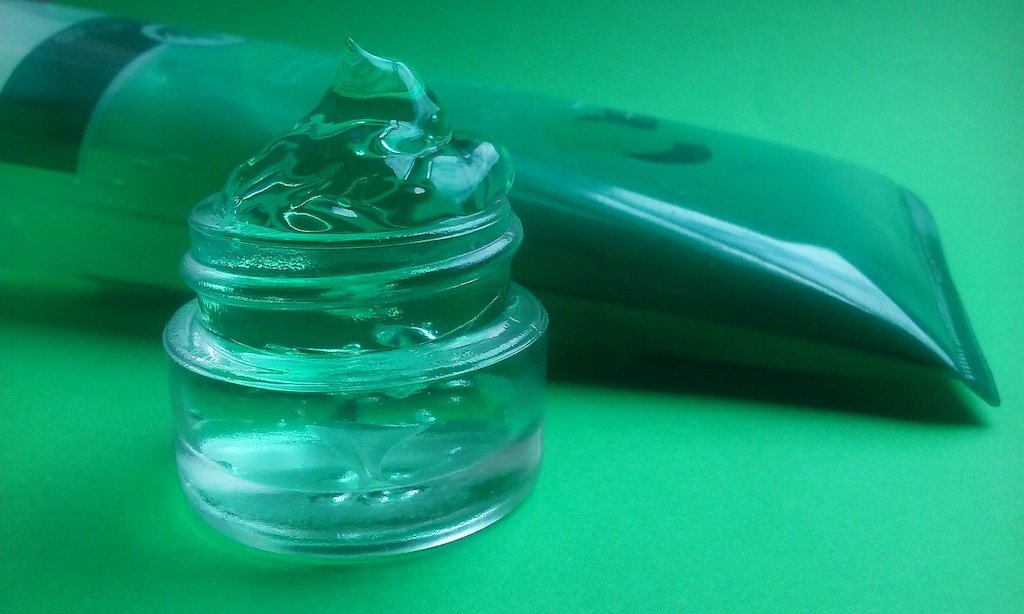
Aloe vera gel

u003ch3u003eModern usesu003c/h3u003enu003cpu003eAloe Vera is best known for its use in topical skin-care applications. But commercial products are not quite as potent as the gel that can be squeezed from a freshly cut leaf, since the natural jelly-like substance is not very stable and deteriorates quickly upon exposure to the air. To preserve its properties and thus extend its shelf-life, manufacturers must process the gel. But processing rarely enhances a natural product. In the case of Aloe Vera, it reduces a 'miracle plant' to a mediocre substance with vastly diminished benefits.u003c/pu003enu003cpu003eThis back-story sheds some light on some rather puzzling research results: Aloe Vera's glowing reputation in folk medicine is not confirmed by research results under laboratory conditions. The reasons for this are a bit complex and are partly due to the lab conditions and partly to the processing methods that are used to 'preserve' the gel or to extract its 'active compound'.u003c/pu003enu003cpu003eBut plants are highly sophisticated when it comes to their biochemistry. Their healing effect is often not due to one simple compound but rather the result of complex interactions, or 'synergy' between a host of different compounds.u003c/pu003enu003cpu003eConventional preservation methods involve pasteurization: heating the gel to a high temperature, thus destroying many of the more fragile components. Chemical preservatives are added, further adulterating the original substance. Understandably, the result is rather disappointing, leading researchers to conclude that Aloe's benefits may have been exaggerated. But one could equally conclude that we simply lack proper processing methods to preserve the natural composition of fresh Aloe Vera gel.u003c/pu003e

u003ch3u003eProcessingu003c/h3u003enu003cpu003eIn recent years, more efficient processing methods have been developed. A cold process that dissolves the green cellulose parts of the leaf, leaves the biochemical activity of the gel substance intact, including the aloin, a yellow bitter laxative compound that is found just underneath the outer skin. Additional processing involves adding various anti-oxidants, as oxygen initiates the deterioration and breakdown of the gel and promotes the development of aerobic bacteria. Finally, the pulp is separated from the liquid part, a carbon compound is added to help filter out the aloin. The carbon compound is subsequently removed. In the last step, the liquid is exposed to ultraviolet light that destroys any bacteria.u003c/pu003enu003cpu003eThis method still requires stabilizing compounds to be added to the final product, but it is a great improvement to conventional extraction processes, which only processed the gel and relied on heat treatment for sterilization.u003c/pu003enu003cpu003eAn alternative whole-leaf extraction method involves the same cold process leaf processing described in the first step above, but then utilizes short duration low temperature-controlled sterilization techniques to kill off bacteria, eliminating the need for additional chemicals. The resulting gel is concentrated in a vacuum chamber and dehydrated to yield a water-soluble compound that retains the biochemical activity indefinitely without using preservatives. This is currently regarded as the most efficient method. Although heat is used in the process, it is closely controlled and never reaches more than 65°C applied for less than 15 minutes at a time. Longer exposure and higher temperatures would deteriorate the final product.u003c/pu003enu003cpu003eIt is easy to see that what you get at the store is not the same as the natural product straight from the plant. It is important to read the label and evaluate the extraction method to determine its quality. There are huge differences between manufacturers.u003c/pu003enu003cpu003eA self-regulating body of producers certifies Aloe Vera products according to industry standards of quality control. Their seal of approval is meant to reassure consumers. However, due to the different processing methods, certification is not a gold standard.u003c/pu003e

Aloe vera gel

u003ch3u003eMedicinal Usesu003c/h3u003enu003cpu003eParts used: resin, gel extracted from the leafu003cbr /u003eConstituents: Hydroxyanthracene derivatives of the anthrone type (principally barbaloin); 7-hydroxyaloin isomers, aloe-emodin, chrysophanol and their glycosides; chromone derivatives (aloesin and its derivatives aloe resins A and C, and the aglycone aloesone. Gel: glucomannan (a polysaccharide), steroids, organic acids, enzymes, antibiotic principles, amino acids, saponins, minerals.u003cbr /u003eActions: latex: cathartic, laxative, emmenagogue, digestive stimulantu003cbr /u003eGel: immune system stimulant, skin healing, anti-irritant, moisturizing, anti-canceru003cbr /u003eIndicationsu003c/pu003enu003cpu003eTraditionally, Aloe Vera gel is used as a soothing topical application for sunburns and minor burns, abrasions, acne, psoriasis, shingles and even cold sores. The fresh gel squeezed from the leaf and applied directly to the affected areas is most potent. Its skin repair qualities on burns and sunburns are truly remarkable - healing occurs quickly and without scarring. The gel is also used to reduce stretch marks and scarring in wound care. It even protects the skin against the immune suppressant effect of ultraviolet light - thus it can also be used as a protective sunscreen lotion. Aloe Vera gel is a highly valued additive for moisturizing cosmetic preparations and is praised for rejuvenating the skin by stimulating the synthesis of elastin and collagen.u003c/pu003enu003cpu003eExternal application of Aloe gel penetrates the skin directly and produces a soothing, pain-relieving anti-inflammatory effect on arthritic joints and tendonitis.u003c/pu003enu003cpu003eFor internal use, Aloe Vera latex preparations are usually mixed with antispasmodic herbs to reduce the cramping effect of its laxative action. Used by itself, the cathartic action could be rather painful. The latex also stimulates the uterus, thus promoting menstrual flow. Aloe containing laxatives should be avoided during pregnancy.u003c/pu003enu003cpu003eLaboratory studies on mice have demonstrated high-quality Aloe Vera juice to be an effective immune system stimulant in the treatment of certain types of cancer and HIV. Further studies are underway.u003c/pu003enu003cpu003eAloe juice has a healing and balancing effect on the digestive system: it improves the absorption of nutrients and the elimination of toxins. This promotes overall cell nutrition and activates the body's self-healing powers and enhances energy levels. It can also relieve gastrointestinal problems associated with peptic or duodenal ulcers. It stimulates regular bowel evacuation and soothes colitis and irritable bowel syndrome. Many chronic conditions have a component of digestive imbalance that trigger secondary symptoms due to malabsorption and cellular malnutrition. Aloe Vera juice can help to restore balance to the entire digestive system.u003c/pu003enu003cpu003eAloe Vera juice also appears to benefit the liver and kidneys. It lowers levels of blood lipids (cholesterol) that can clog up the arteries and can cause coronary heart disease. And, it also has a positive effect on blood sugar levels, which can make it a useful nutritional supplement for diabetics.u003c/pu003e

Aloe vera skin care

u003ch3u003eHome-made cosmeticsu003c/h3u003enu003cpu003eIf you wish to incorporate Aloe's healing benefits into home-made skincare products, you can use the gel to replace all or a portion of the liquid in your recipe. However, beware that unprocessed Aloe Vera gel is not very stable and won't keep long. Make small batches only, and store them in the fridge for a few days. For maximum benefit, skincare preparations should contain at least 20-40% of gel. If you have a fresh plant at your access, you can simply cut off a bit of a leaf and apply it straight to the skin.u003c/pu003enu003cpu003eu0026nbsp;u003c/pu003enu003ch3u003eGrow your ownu003c/h3u003enu003cpu003eAloe Vera is one of those plants that everybody should have at their access as an immediate first aid remedy for burns and minor cuts. Growing it is easy, as it is a very undemanding plant. Just don't over-water it and protect it against freezing temperatures. It loves the sun but will also grow in the semi-shade, nor does it need particularly rich soil. Well draining, sandy soil will do.u003c/pu003enu003cpu003eu0026nbsp;u003c/pu003enu003ch3u003eCaution:u003c/h3u003enu003culu003enu003cliu003eDo not use Aloe Vera based laxatives during pregnancy. The juice may also contain traces of aloin above what would be deemed safe during pregnancy.u003c/liu003enu003cliu003eConsult with your health advisor regarding possible interference with prescription drugs if you intend to use Aloe Vera internally.u003c/liu003enu003cliu003eRare cases of allergic reactions to the latex have been reported - even for external use.u003c/liu003enu003c/ulu003enu003cpu003eThe quality of Aloe Vera gel or juice very much depends on the manufacturing process. Some products that are currently on the market have little or no medicinal value. Do your research before spending a lot of money on what may turn out to be an inert substance. Whole-leaf extracts are recommended. Look for the International Aloe Science Council certificate for quality assurance.u003c/pu003enu003cpu003eu0026nbsp;u003c/pu003enu003cpu003eu0026nbsp;u003c/pu003enu003cpu003eu0026nbsp;u003c/pu003enu003cpu003eu0026nbsp;u003c/pu003e

u003cpu003eImage credits:u003c/pu003enu003cpu003eTitle Image by u003ca href=u0022https://pixabay.com/users/elstef-3091248/?utm_source=link-attributionu0026amp;utm_medium=referralu0026amp;utm_campaign=imageu0026amp;utm_content=5282305u0022u003eElstefu003c/au003e from u003ca href=u0022https://pixabay.com/?utm_source=link-attributionu0026amp;utm_medium=referralu0026amp;utm_campaign=imageu0026amp;utm_content=5282305u0022u003ePixabayu003c/au003eu003c/pu003enu003cpu003e(1) Image by u003ca href=u0022https://pixabay.com/users/fbnicod-9537078/?utm_source=link-attributionu0026amp;utm_medium=referralu0026amp;utm_campaign=imageu0026amp;utm_content=4582288u0022u003eFrançoise BERNARD-NICODu003c/au003e from u003ca href=u0022https://pixabay.com/?utm_source=link-attributionu0026amp;utm_medium=referralu0026amp;utm_campaign=imageu0026amp;utm_content=4582288u0022u003ePixabayu003c/au003eu003c/pu003enu003cpu003e(2) Image by u003ca href=u0022https://pixabay.com/users/casellesingold-4881038/?utm_source=link-attributionu0026amp;utm_medium=referralu0026amp;utm_campaign=imageu0026amp;utm_content=2163120u0022u003eFranziska Ingoldu003c/au003e from u003ca href=u0022https://pixabay.com/?utm_source=link-attributionu0026amp;utm_medium=referralu0026amp;utm_campaign=imageu0026amp;utm_content=2163120u0022u003ePixabayu003c/au003eu003c/pu003enu003cpu003e(3) Image by u003ca href=u0022https://pixabay.com/users/mozo190-8827607/?utm_source=link-attributionu0026amp;utm_medium=referralu0026amp;utm_campaign=imageu0026amp;utm_content=4268795u0022u003emozo190u003c/au003e from u003ca href=u0022https://pixabay.com/?utm_source=link-attributionu0026amp;utm_medium=referralu0026amp;utm_campaign=imageu0026amp;utm_content=4268795u0022u003ePixabayu003c/au003eu003c/pu003enu003cpu003e(4) Image by u003ca href=u0022https://pixabay.com/users/lovesevenforty-14413/?utm_source=link-attributionu0026amp;utm_medium=referralu0026amp;utm_campaign=imageu0026amp;utm_content=2417091u0022u003eJenny Porteru003c/au003e from u003ca href=u0022https://pixabay.com/?utm_source=link-attributionu0026amp;utm_medium=referralu0026amp;utm_campaign=imageu0026amp;utm_content=2417091u0022u003ePixabayu003c/au003eu003c/pu003e

Gardening Jobs in June

Gardening Jobs in June

There are plenty of gardening jobs to do in June!

If you thought that now the growing season is in full swing you can kick back and relax, you are mistaken. June is a rather busy month in the garden, especially if you want to continue harvesting veggies in the fall and winter.


But first things first:

Slugs and snails are very hungry at this time of the year. You will have to beat them to it if you want some of those veggies for yourself. Regular slug hunts at dusk and dawn are the most effective way to keep them at bay.

To keep the soil cool and prevent it from drying out, mulch all around your plants, especially around thirsty ones such as tomatoes and zucchinis. Mulching also helps to control the slugs.

Water regularly, but not excessively.

By now, your tomatoes should be in the ground. Gently tie them to their support and pinch out the side shoots.

On hot days, make sure you don’t forget to ventilate the tunnel or greenhouse.

Harvest herbs, such as savoury, oregano and lemon balm before they begin to flower.


Sowing:

Hurray, it is finally warm enough to sow Basil and Coriander!

You are probably already harvesting lettuce, rocket and radishes, and maybe even snow peas. For successive crops, continue sowing them until the end of July.

You can sow beans now, but protect them well against slugs - they love the young shoots!

If your season is long enough and the climate reasonably mild, you still have a chance to sow courgettes and pumpkins -but hurry up, it is getting late! Young plants can be planted into their permanent position now.

Autumn/winter veggies like autumn leeks and brassicas like kales and cabbage can be sown until the middle of June.

The middle of June is the end of rhubarb and asparagus harvesting time.


Wildlife

Don't forget the animals at this time of the year - they really appreciate a source of clean cool water and some seeds or fruit.

Check out SeedsNow for your organic gardening supplies.


Happy Gardening!


Image by Krzysztof Niewolny from Pixabay

#Ads

Disclosure: As an Amazon Associate, I earn from qualifying purchases on Amazon and other affiliate sites.