Winter Solstice Reflections

Winter Solstice Reflections

Winter Solstice Reflections: Honouring the Longest Night and the Return of the Light

Winter Solstice Blessings for the Darkest Time of the Year

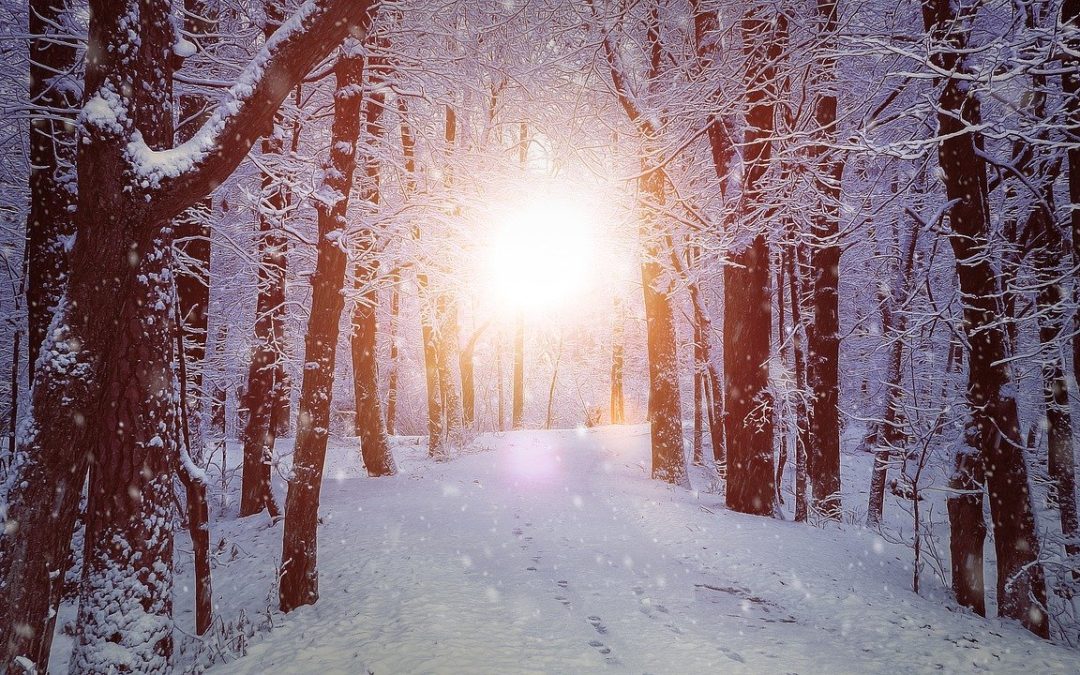
The Winter Solstice marks the shortest day and the longest night of the year, a sacred turning point in the seasonal cycle. The trees have shed their leaves, standing stripped and skeletal against the sky. All visible signs of life have retreated below ground, withdrawn into roots, seeds, and buds, slumbering until they are awoken by the growing light. Frozen in time, the land lies barren and still. Barely rising above the horizon, the Sun sends only a few pale, hesitant rays of light — more a promise than a presence. The birds have left on their long journeys to milder climes, their songs replaced by silence. The Earth has entered its deep hibernation, holding its breath.

At the Winter Solstice, the Light is Reborn

This season can feel stark, even unforgiving. The darkness is long, the cold persistent, and the days seem reluctant to begin. And yet, it is precisely at this moment — at the very depth of the dark — that we find cause to rejoice. For deep within the Earth, unseen and protected, a tiny spark of light is born. Fragile as a newborn in its crib, the sun-saviour god returns, not in triumph, but in vulnerability. The light does not blaze; it flickers. It asks for patience, trust, and care.

We stand on the threshold of a new cycle, not yet certain how it will unfold, not yet sure whether this tender beginning will thrive. And yet, where there is life, there is hope. The Winter Solstice reminds us that renewal does not arrive with noise or certainty, but quietly — almost imperceptibly — in the darkest hour.

In the old days, the twelve days of Christmas marked a liminal time: a pause between what has been and what is yet to come. The veil between the worlds was believed to be at its thinnest, and spirits could pass through more easily. The same is true of the days surrounding the Summer Solstice, when light reaches its zenith before beginning its slow decline. These moments are thresholds, times outside ordinary time. Otherworldly beings, ancestral presences, and forgotten memories wander among the living, reminding us that reality is layered, and that we are never as separate as we imagine.

Sacred Plants associated with the Winter Solstice and  Christmas:

Follow the links to the Encyclopaedia entry to learn more:

Frankincense (Boswellia spp.)
Traditionally burned as sacred incense, frankincense is associated with prayer, purification, and the rising of light from darkness. Its resin connects the earthly and the divine, making it a powerful Winter Solstice ally.

Myrrh (Commiphora myrrha)
A plant of grief, healing, and protection, myrrh reminds us that darkness is not absence, but depth. It accompanies rites of mourning, transition, and rebirth.

Fir (Abies spp.)
Evergreen through the darkest months, fir symbolises endurance, continuity, and life that persists beneath the snow.

Mistletoe (Viscum album)
Sacred to the Druids, mistletoe grows between worlds — neither rooted in earth nor fully of the sky — embodying liminality and renewal.

Holly (Ilex aquifolium)
Evergreen and thorny, holly is a guardian of the dark season. Its bright red berries are the original Christmas-tree baubles, glowing bright in the monochrome landscape and offering nourishment to overwintering birds.

Winter Solstice Reflections

The Winter Solstice is, above all, a time of reflection. A time to sit with memory, to honour what has been, and to acknowledge both loss and growth. We are called to turn inward, to listen more deeply, and to take stock of the year that is drawing to a close. Not every year is gentle. Not every journey is easy. There may have been grief, uncertainty, or exhaustion along the way. Yet even in difficult years, there are moments of kindness, connection, and resilience to be grateful for — small lights that sustained us through the pain.

In the quiet space of the Winter Solstice, we reflect on gratitude: on love given and received, on care extended to others and, perhaps, finally to ourselves. We remember the importance of being there for one another — of showing up, even imperfectly, in a world that so often asks too much. We allow ourselves to dream, gently and without pressure, about our hopes for the year ahead. Not grand resolutions, perhaps, but intentions: how to live more truthfully, more compassionately, and more in tune with what truly matters.

Winter Solstice – A Turning Point on the Wheel of Time

The Winter Solstice marks a turning point. Though the cold may deepen and winter still lies ahead, the light has begun its return. Each day from now on carries a little more brightness than the last. The promise of a new dawn is already woven into the dark.

may your light shine bright.

Count your blessings and celebrate hope. The Wheel of Time is turning, as it always does. The light is returning — quietly but surely. Let us cherish and protect this tiny flame of hope, tending it with care. And when its fire grows stronger, life will once more stir, rise, and return to the Earth.

Lughnasad – Harvest Time

Lughnasad

The time of the grain harvest

Lughnasad marks the harvest season. Fruits and vegetables ripen, the grain has turned golden, and the grapes are getting plump and sweet. It is an intensely busy time, especially for gardeners. We toiled in the spring, and now it is time to harvest the fruit of our labour and enjoy the gifts of the season. 

The period from spring to late summer is joyous, but also fraught with danger. Late frosts can kill sensitive starts, and summer storms or wildfires may ruin a crop in just a few minutes. A good harvest is never guaranteed. Every year, the devastating effects of climate change are becoming increasingly evident, endangering the agricultural practices on which our lives have come to depend. Where I am, after many years of exceedingly hot and dry springs and summers, this year we had unseasonably wet weather. Without water, there is no life. But too much water can be devastating, especially when it falls as rain, all at once, washing away the topsoil, and drowning plants and animals and flooding basements and worse.


In the Christian tradition, Lammas marks the harvest season. The name comes from the Anglo-Saxon word ‘hlaf-mas’, meaning ‘loaf mass’. Bread and wine are the traditional sacraments of the Eucharists. It is the time of the ripening corn, and the grape harvest.


But the harvest is only one stage of the perpetual cycle of life. Ideally, what we reap now should sustain and nourish us through the dark season, when the Earth is barren and still. Part of the harvest is set aside and returned to the earth. We reap as we sow, but we also sow what we reap.

Facing the unravelling climate catastrophe, we are grateful for anything we can harvest today. But if we want to continue on the agricultural path, we must learn to adapt and live more sustainably. We depend on Mother Earth, and it is time to honour and respect all that she provides.

There are many solutions, but continuing in the ‘business-as-usual’ mode is not among them.

Summer Solstice

Summer Solstice

Happy Summer Solstice!


At Summer Solstice, the Sun reaches the zenith of its annual journey. We celebrate the longest day and shortest night. It is a magical time: nature is vibrant and the veil between the worlds is thin: sprites and spirits easily cross between them, and we may even catch a glimpse of the little folk.
The young Sun-God Belenos and the Earth Goddess, known by many names, are at the peak of their ecstatic embrace, and all nature takes part in their rapturous exuberance.
At the Summer Solstice, we honour the Gods and celebrate the life force in its generous abundance. Corresponding to the Winter Solstice and the 12 days of Christmas, the Summer Solstice is also celebrated for 12 days. This is a twilight zone, where magic happens. At this time of the year, the gods walk among us and hear our prayers. We ask for protection, health, and sustenance, and pray that they protect our crops from summer storms and fires. We bless the grain and the crops, the barn and the animals.

At the Summer Solstice, the herbs are at their most potent. It is time to gather our annual supplies of St. John’s Wort, Mugwort, Verbena, Chamomile, Mullein, Grund-Ivy (Glechoma hederacea), and more.

Spiritually, the summer solstice marks a threshold. It is a time to seek guidance and answers by divination or to retreat on a vision quest to hold counsel with the gods. At this halfway point in the annual cycle of the year, we reflect on the first 6 months. Have the seeds we planted in the spring sprouted? Are they blossoming and promising to bear fruit? Did we follow our visions and achieve the goals we set at the beginning of the year? Are we on track, or did we wander off into the tall grass along the way?

Are those goals still relevant? Take a moment to reflect, re-align and connect with your inner vision and guiding voice of the higher self. If you have veered off the path, this is an opportunity to adjust course, so you can sail successfully through the second half of the year.

If you are unsure of your direction, this is a perfect time to seek divine guidance by vision quest, pilgrimage, or retreat – whichever way allows you to commune with the gods and silence the noise enough so you can hear the whispers of intuition.

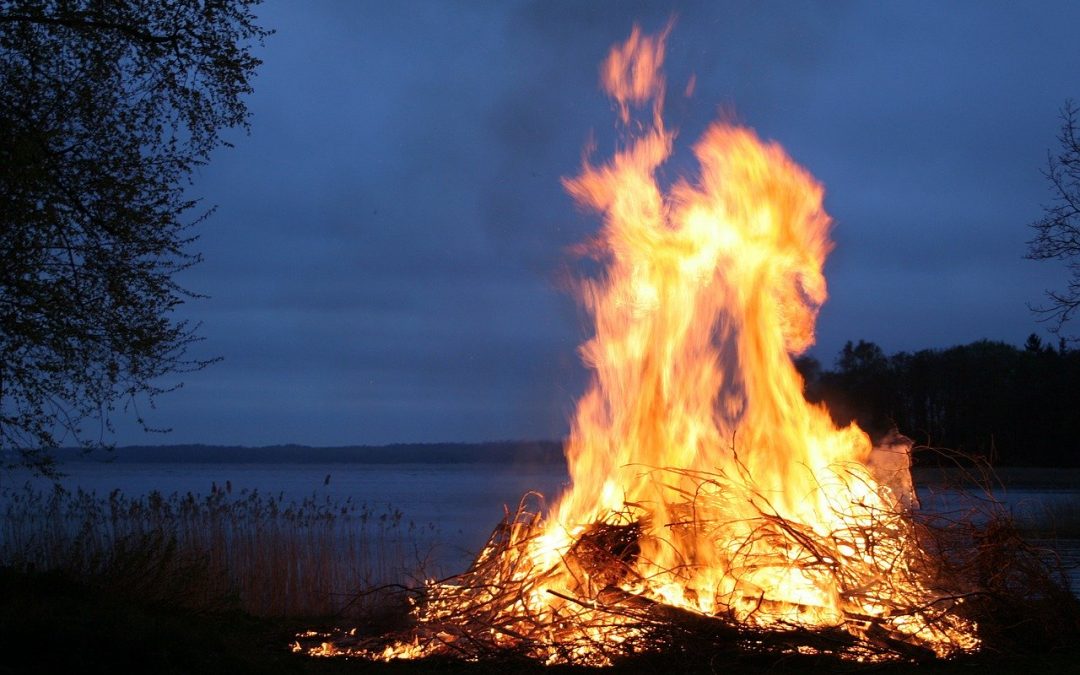
Above all, Midsummer is a time to gather and celebrate, to revel around bonfires, dancing, feasting, and merry-making. The twelve days of the Summer Solstice offer a break from usual activities and encourage us to soak up that pure life force in all its glory.


And yet, this year my heart is heavy, even as I celebrate the eternal powers of the life-force and its abundance. As I write these words, nature is in great peril and distress. Temperatures have risen to levels we normally see in August, and drought wilts the verdant mantle of the earth. War is raging, and worse is looming. Sorrow clouds my joy. I retreat into silence to seek solace and guidance, and to pray for peace.

Happy Summer Solstice, everyone – may peace return to all!

Spring Equinox

Spring Equinox

Spring Equinox is here, and it is time to ponder the miraculous power of regeneration. Persephone has returned to the upper world and life re-awakens. Buds swell, birds sing, and trees burst into flower. There is joy and exuberance – despite the craziness, suffering and sorrow we witness every day.

At the Spring Equinox, light and dark hang in the balance. From now on, the sun gathers strength with every passing day. Mother Earth, violated and marred by war, yet again, dons her spring garment and gradually turns the land lush and green.

Spring Equinox – Focus on what matters most

The garden calls, and the soil eagerly receives the seeds. Are you tending your garden? What will you grow this season? Where is your energy going and what habits will you cultivate?

The garden is a physical space, as well as a metaphorical one. The inner ‘garden’ also needs attentive care, weeding, pruning and nurturing.

At home, it is time to clear out the winter dust. Spring-cleaning, painting, and decorating are on the agenda.

Likewise, the body also needs cleansing and care. Boost your energy and vital spirit with fresh vitamins and the nutrients of early spring herbs. When the body is strong, so is the mind!


Spring Equinox – Celebrate life

Get ready for the season, invite the sunshine in, and make the most of these fleeting joys! Life becomes infinitely rich when we walk mindfully and celebrate each flower or butterfly we meet along the way.

Focus on what matters most to you and make your intentions clear. Life is short and precious. The power to make your garden flourish lies in your hands. Use it.

The Spring Equinox is a time of new beginnings. Let’s celebrate the mysteries of rejuvenation and eternal return, tender yet charged with the energy of daring and boldness. 

Imbolc Awakenings

Imbolc Awakenings


Imbolc, the return of the light

Winter is still with us, although now, in a moody phase. One day, it is frosty, stormy, and inhospitable, and a couple of days later, the sun pops out to tease us. But there is one sure signal that things are shifting ever so slightly: the days are noticeably longer now.

Imbolc is the season of Brighid, a Maiden Goddess, who signifies the growing light. Every passing day, the sun adds a few minutes of light as it climbs ever higher in the sky.

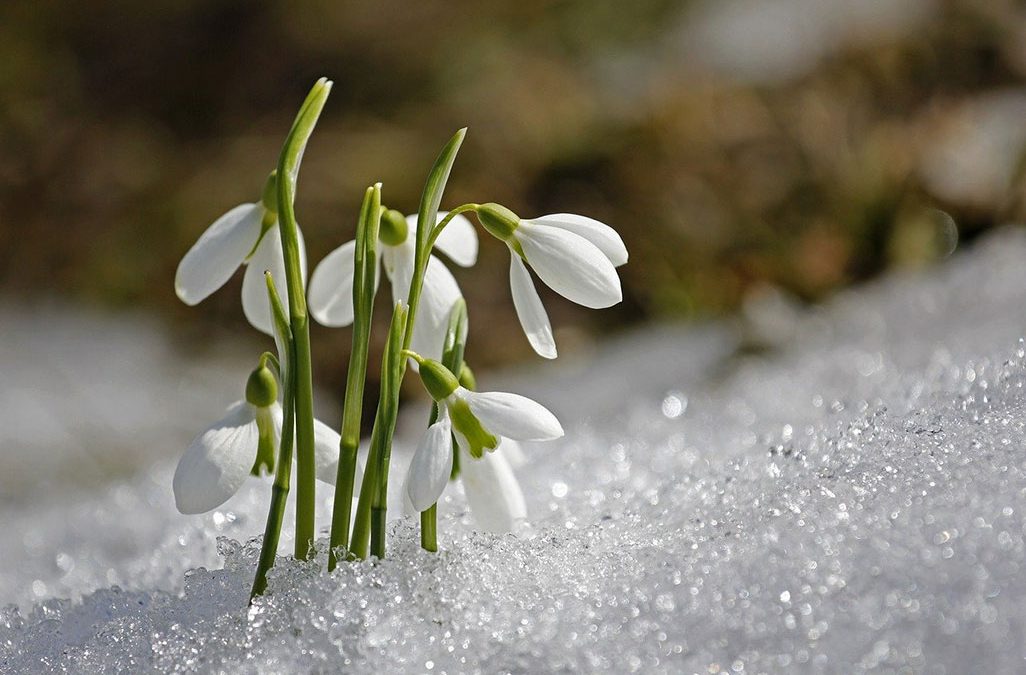
To be sure, at the beginning of February, it is still winter. But, if you look closely, you will notice the swelling buds. Some precocious little flowers bravely defy all the odds, pushing their way through the snow, or leaf litter: snowdrops, winter aconite or dwarf crested irises are among the earliest and toughest. Without a doubt, the life force stirs deep within the earth. Last season’s seeds are swollen with water, ready to germinate. The wheel of the seasons is turning, and the sap rises again.

Purification and Fasting

Imbolc, or ‘Candlemas’ in Christian terminology, is the festival of the growing light, a time of cleansing and purification. It prepares us for the season of Lent. 

In the past, Lent was a period of abstinence and fasting to cleanse the body from the residues of heavy winter foods to prepare for spring and the new cycle of growth.


Envisioning the future

At Imbolc, we visualise the possibilities that lie ahead. During this liminal time of transition, we consult the Gods make plans, take vows and pledge affirmations. Take time out to prepare yourself for the challenges and opportunities that lie ahead. Reflect on your strengths and weaknesses, virtues and vices. Commit to your soul’s journey. 

What nourishment does your soul need? What are your intentions? And how do you want to give back to life? Are you walking your talk?

Imbolc is a good time to select your seeds and charge them with intention. It is a time to kindle your inner flame. Take care of the growing but delicate light. Soon the Sun will rise, and its power will grow strong again.


Autumn Equinox

Autumn Equinox

Happy Autumn Equinox!

On the Autumn Equinox, night and day are equal. Light and dark are in perfect balance. The Equinox marks the beginning of the end of the harvest season. We celebrate the gifts of the Earth and give thanks. In the Northern Hemisphere, the life-force begins its slow decline as it retreats into the subterranean realm of Hades. The days are getting shorter and cooler; summer is over. We celebrate the joys of the summer and are grateful for the harvest blessings. 

The end of the summer is often intensely busy with hunting for nuts and mushrooms, preserving the gifts of the Earth and preparing for the coming dark season.
Stock up the larder and gather the supplies you need to see you through the winter. 

Returning to work, we concentrate and focus on our projects and goals. But don’t forget to enjoy the pleasures of this in-between season, as nature explodes its dazzling display of autumn colours.

Image by Sabrina Ripke from Pixabay