How to cope with stress and anxiety
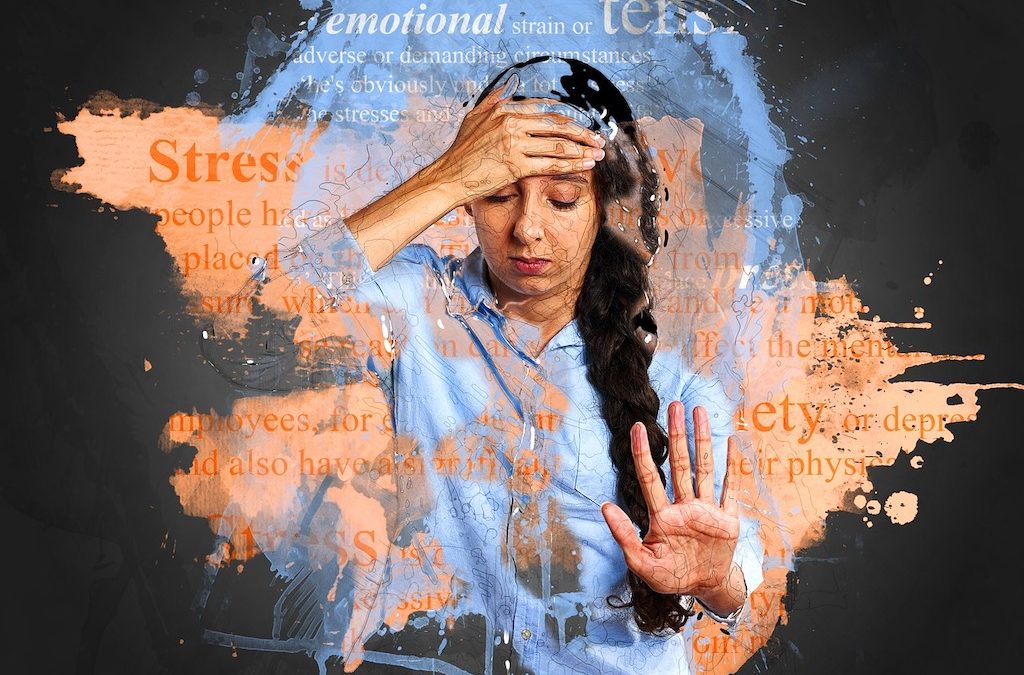
Have you been feeling tense and anxious lately? It would hardly be surprising, with everything that is going on. It is a normal response to stressful circumstances. But, at the same time, frustration, anger, tension, and anxiety are not healthy emotions. They can get out of hand, lead to bad decision making, overreacting, and, more often than not, an outcome that you do not want.
Anxiety is an instinctual, irrational emotion, and triggered by ‘red flags’ that set off an automatic response pattern. Stress increases the heart rate, boils the blood pressure, makes the hands all sweaty, and everything feels tight and oppressive. An automatic emotional response sets off a physical chain reaction that makes matters worse.
In such a state the mind does not function well. The body is geared for fight or flight, but what if you can’t do either? You are left feeling tormented.
Mindfulness
At such a moment the first best thing you can do is to practice mindfulness. Bring yourself back to the here and now. Bring yourself back into your body, away from the fringes of your frazzled emotions, and back into your calm center. Watch those emotions without attachment as they pass through. We only get caught up in that intense anxiety state when we hold on to these anxious feelings and decide to ride the wave instead of letting it roll by. Remember: you HAVE emotions, but they do not define who you are. You can let them go and in doing so, you will be regaining your freedom. Choosing how to respond to a challenging situation is the only real choice you have. Are you going to get stressed out - or breathe deeply and center yourself? Are you going to launch a battle cry - or let it go and walk away, as you turn towards your future?
This, of course, is easier said than done. But it is possible to practice such a state of mind. Mindfulness is a great way to center yourself and to detach from the emotional roller coaster that many of us are experiencing at this time.
Exercise
Apart from practicing mindfulness, another way to alleviate excessive tension is to do a physical workout. Whether that is by doing some physical chore, or by going for a run or walk. Physical activity really helps to discharge frazzled anxious energy and helps you to get grounded.
Relaxation
After you have discharged that wild emotional energy and have come back to your senses (sensory perception), do some relaxation exercises: deep breathing, meditation, autogenic training…all help to relax the tensed up muscles and to let go of stress and tension.
Reach out to others
Connecting with others is a great way to receive and to give support. Reaching out makes us feel more connected, even if we can’t be close physically, due to Covid restrictions or long distances. Sometimes just knowing that someone out there cares about the way you feel can make you feel better. We are always stronger and better together. If there is no-one that you feel you can talk to, don’t be ashamed or shy to seek professional help. We all need someone to be there for us, at times.
Self-Care
Herbs
Sometimes it really helps to reach out to your herbal allies. There are many wonderfully calming and soothing herbs, such as
Chamomile - a standard, even for children (do not use if you are allergic to plants of the sunflower family)
Passion Flower - a constituent of almost all sleepy time teas
Lemon Balm - really helps to take that ‘edge’ off and lifts the spirits
Valerian - a bit stronger than the other herbs mentioned here. It can be used for insomnia (a few drops of the tincture will do the trick). Should not be used regularly over long periods of time - give it a break after a week or 10 days.
Oat Straw - a nervous system restorative strengthens the nerves, helping you build resilience
Essential oils
Or, try a relaxing bath with essential oils such as:
Lavender - a truly versatile essential oil! Reducing stress and anxiety are just two of the many things Lavender essential oil can do for you.
Rose - an expensive but exquisite oil that has a long history of use for mood improvement, mental stability, and reducing stress
Neroli - extracted from orange flowers, Neroli is great support for bringing emotional stress related to menstrual or menopausal issues under control and to reduce the associated stress and anxiety.
Bergamot - another citrus oil, Bergamot also helps with stress reduction and lends itself well to blending with other oils, such as Lavender.
or if you can, get someone to give you a relaxing massage. A massage oil blend with coconut oil as a base and essential oils of Chamomile, Lavender, and Bergamot might be just the thing to help you let go of your inner tension.
Caution: For essential oils, the rule is always - it is always better to err on the side of caution. Essential oils are highly concentrated and a little goes a long way. Never use essential oils undiluted directly on the skin.
Essential Lifestyle Choices
If anxiety and stress are constant companions in your life, you should seriously consider your lifestyle. If you are that stressed out you should take a look and see how you can get more balance into your life. Do you have a regular daily rhythm and flow? Do you include nourishing self-care practices in your everyday routines?
Good Sleep
One of the most important things you can do is to develop good sleeping habits. The body needs sleep to process all the sensory input and information of the day. Sleep restores its energy. This downtime is vitally important. Set up a pattern that allows you to get plenty of quality sleep. How much is enough? It varies, but 7-8 hours in a 24 hour period is normal and is sufficient in most cases.
Balanced diet
A well-balanced diet can also greatly improve the sense of well-being. The emphasis should be on nourishment: lots of vitamins and minerals in the form of fresh, and preferably organic home-cooked foods, along with clean water, juices or herbal teas.
Ditch coffee/alcohol/smoking/sugar
Coffee and caffeine-rich drinks only increase the sensation of tension and anxiety. Try to limit your intake or ditch them all together. Also, sugary drinks, while providing a quick little boost of energy, will deplete your physical resources and nutrient stocks. Alcohol may be an easy option as far as ‘self-medication’ for anxiety and stress are concerned. But it too, make matters worse rather than better. Smoking is the worst of these ‘bad habits’ since it hardens the arteries, thus leading to high blood pressure, which further compounds the problem.
Ditch excessive media consumption
Being glued to the news cycle can be detrimental to our mental health. We are constantly flooded with too much information - much of it depressing. At the same time, we feel helpless in the face of many of the big issues. It is far better to think about the things you care about and find a group of people in your local area that are working on that particular issue. That way you can turn a feeling of frustration and helplessness into action which not only will make you feel better but will also really make a difference. As for the news - take it in small doses.
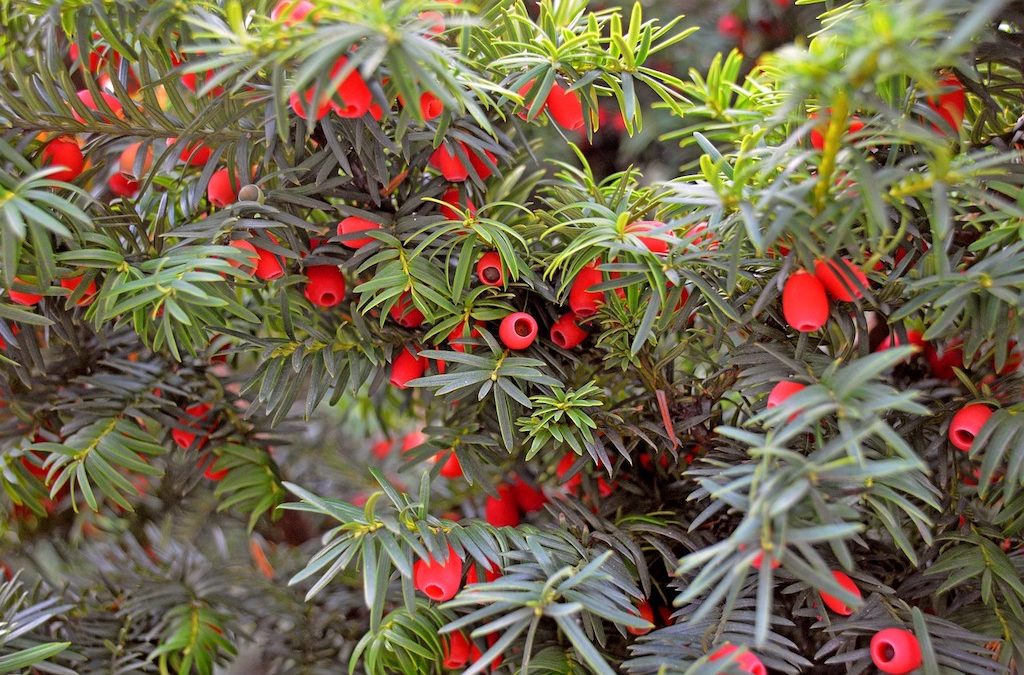
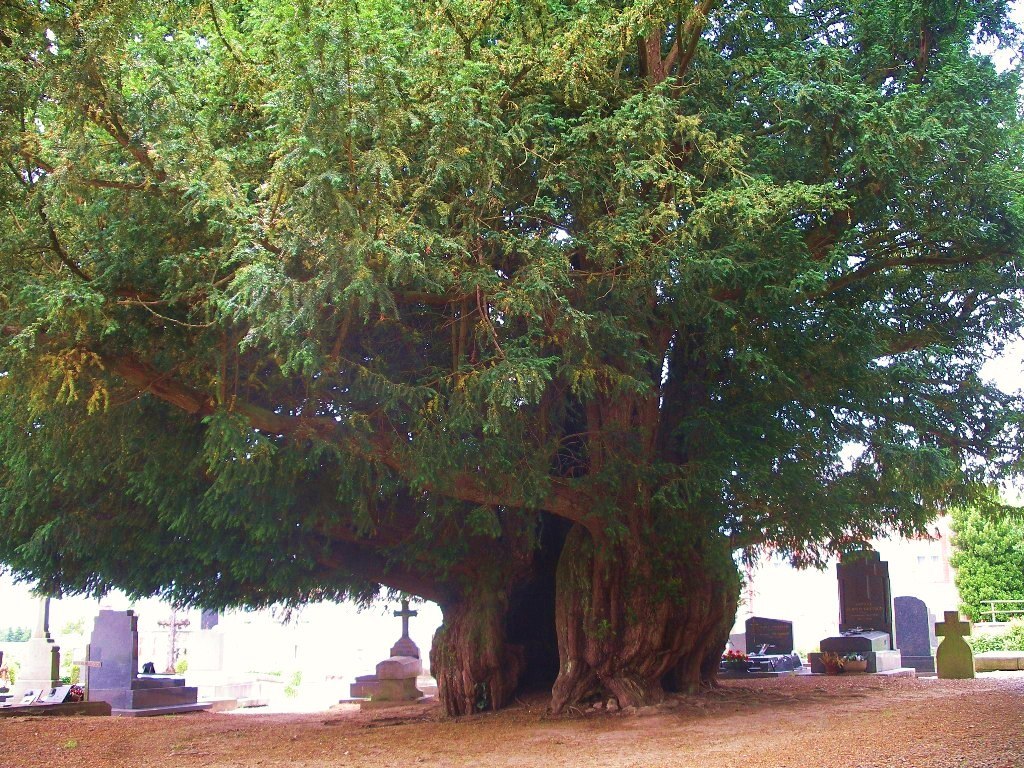
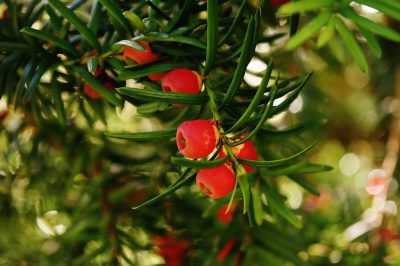 A couple of thousand years ago, Yews were common throughout Europe and Britain. But they are slow-growing trees that were decimated for the sake of war. Yews were the primary source-wood for longbows - which, before the invention of gunpowder, were the most common weapon of war. Even today, Yew bows are used for making longbows for archery. In medieval times, Yews were planted in and around castle grounds to ensure a steady supply.
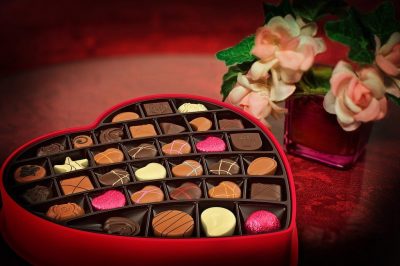 It might be safer to 'say it with chocolates’ instead. Chocolate is the other most popular Valentine’s gift. Although perhaps a little less romantic, it might be more enticing and less ambiguous. After all, Cocoa’s reputation as an aphrodisiac dates back to the ancient Aztecs.
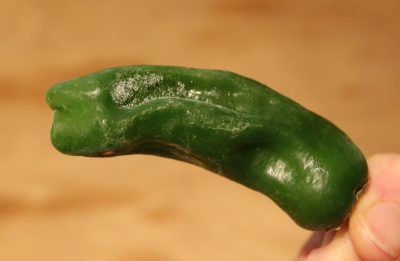 ‘Love goes through the stomach’, so they say. Those who find chocolates and flowers too ordinary might instead seek to impress their loved one with a particularly sexy dish, prepared with love, of course.
 Contrary to popular belief, alcohol is not a suitable aphrodisiac. In fact, it is probably the worst thing you could drink if love is on your mind. While a little alcohol undoubtedly reduces inhibitions, too much of it has a desensitizing effect and is most likely to put you to sleep.