
Nature Notes:
Welcome to the Sacred Earth website!

Hi there! Thanks for stopping by! My name is Kat Morgenstern, and I am delighted that you have found your way here!
I have created the Sacred Earth website as a forum for nature lovers of all stripes. Come and join me on a journey down the garden path, and off into the virtual woods, where we will explore, learn and discover all about the intertwining roots of nature and culture.
I love the winter
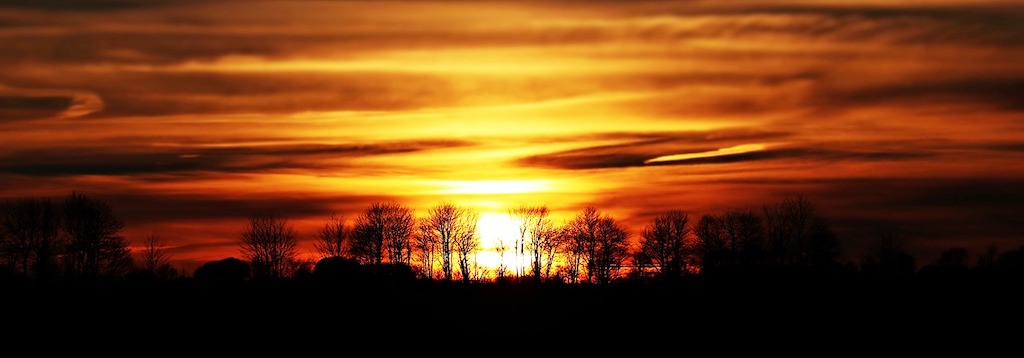
I love the winter, calm and still,
when the life force withdraws
and sleeps among the roots.
I love the barren, naked trees—
fragile branching silhouettes,
transparent filigree against the sky.
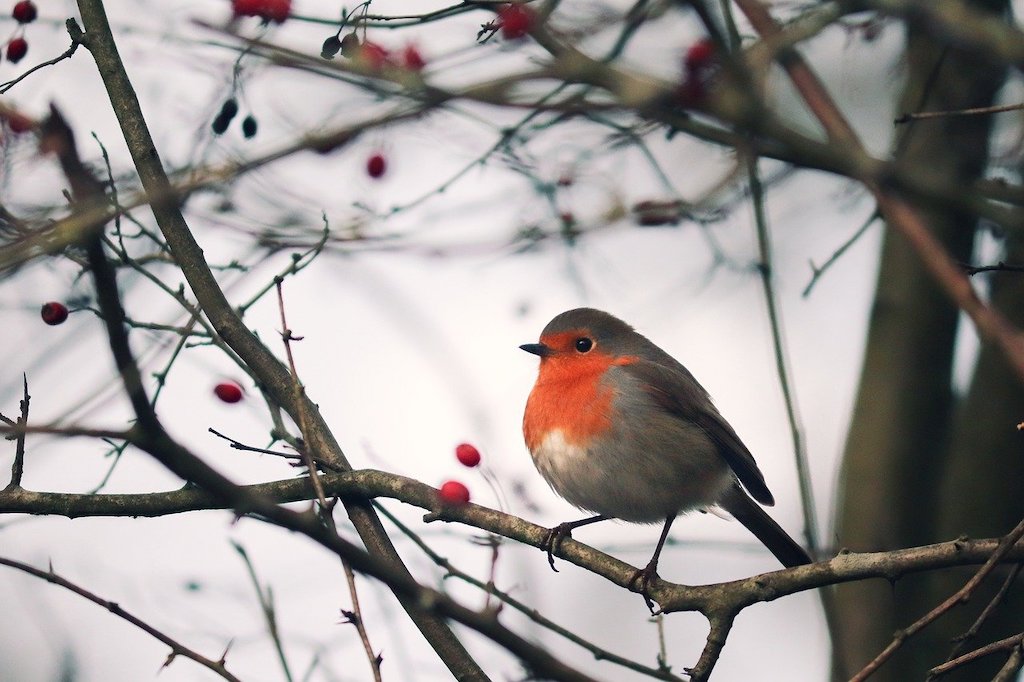
I love the birds
Flocking together,
dancing through the air
seeking shelter in the shrubs.
I love the scarlet rosehips,
A splash of colour in the hedges
when all is grey-on-grey.
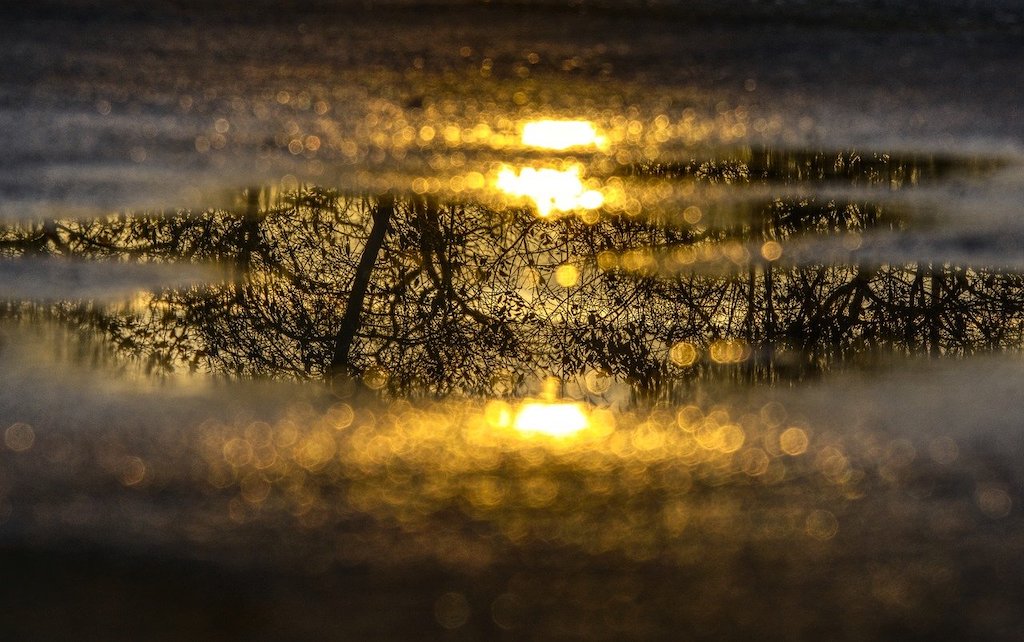
I love the mud beneath my feet
as it tries to pull off my boots,
and the puddles in the furrows,
mirroring the sky.
I love the remnants of snow,
clinging to the grass,
like crystalline sculptures
of frozen spiderwebs.
I love the leaden clouds
draped across the evening sky
And the glowing winter sun,
heavenly fire, igniting the horizon.
I love the winter’s timelessness,
frozen in eternity.
But if you listen carefully,
you can hear the murmur of thaw.
Current issue
Gardening Jobs in July
What gardening jobs are there to do in July?
This is the time of the year that every gardener is waiting for! The garden is in its prime. Everything is growing, flowering and fruiting. It is a sheer joy to be out there, enjoying nature’s bounty.
July is a time of plenty. Early crops are beginning to ripen, and you can enjoy the fruits of your labour. But it is also a time to think ahead to the dark season and the crops you’d like to harvest then – they need to be sown and started now. There are plenty of gardening jobs to be done in July!
HARVEST:
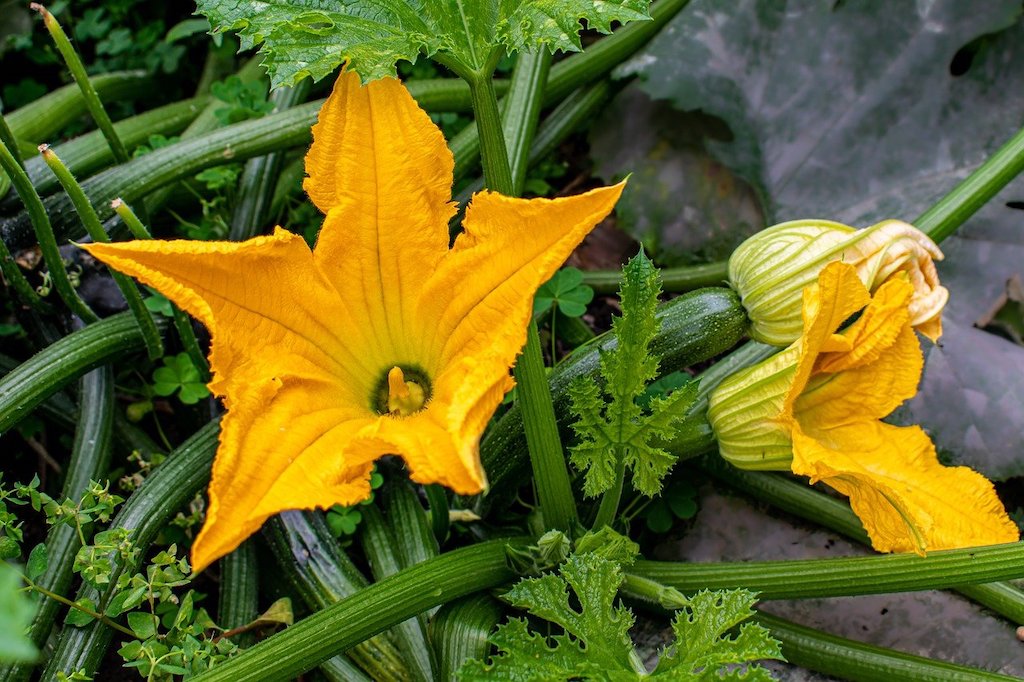
Continue to harvest lettuce, radishes, beets, peas and courgettes. Long-season or perpetual raspberries and strawberries are still fruiting and can still be harvested.
Onions and garlic begin to topple over, a sure sign they are getting ready, but wait until the onion tops turn yellow before lifting them. Then, you can leave them on the ground or spread them in a well-aerated box or basket to dry them thoroughly.
Early runner beans and potatoes are also getting ready.
Harvesting herbs
Now is the prime time to harvest herbs. For culinary uses, it is best to pick herbs before they flower. Choose a dry, sunny day. Spread them out in a well-aerated place. Hanging them up in bunches actually encourages mould. Herbs are often rich in essential oils that quickly ‘fly off‘ in hot temperatures. Thus, it is best to dry them in the shade.
SOWING (for late season/winter harvest):
Now is the time to sow winter cabbages, kohlrabi and kale, mustards, and pak choi. If you have carrot seeds of late varieties, sow them now.
If you have a shady spot, you can continue to sow lettuce, chard, endive, chicory, chervil, radishes, coriander, rocket, and spinach. Keep them well-watered and not in full sun to prevent them from bolting too quickly.
TOMATO CARE
Tomatoes need a lot of water. Keep the moisture in the soil by spreading a thick layer of mulch around the base of the plants. If they don’t get enough water, the skins turn harder and will crack as the fruit develops. The best time to water is in the evening or early morning. Avoid splashing water directly on the leaves.
You can boost your plants by putting some compost around the base. Or, use liquid manure, such as nettle manure, or some other organic tomato feed available from the garden centre.
Watch out for blight and end rot. Remove yellowing leaves. Pinch out any shoots that develop in the leaf axils.
WATERING
Water your plants as needed, neither too much nor too little. Container plants are particularly vulnerable to drying out and need the most attention. Mulch well to keep the moisture in the soil.
Check out SeedsNow for your organic gardening supplies!
Happy Gardening!
Image by Cornell Frühauf from Pixabay
#Ads
Disclosure: Commissioned earned from your purchases at suppliers linked to on this page help to support this website and keep it afloat without random intrusive advertising.
Plant Profile:
More articles:
Gardening Jobs in February
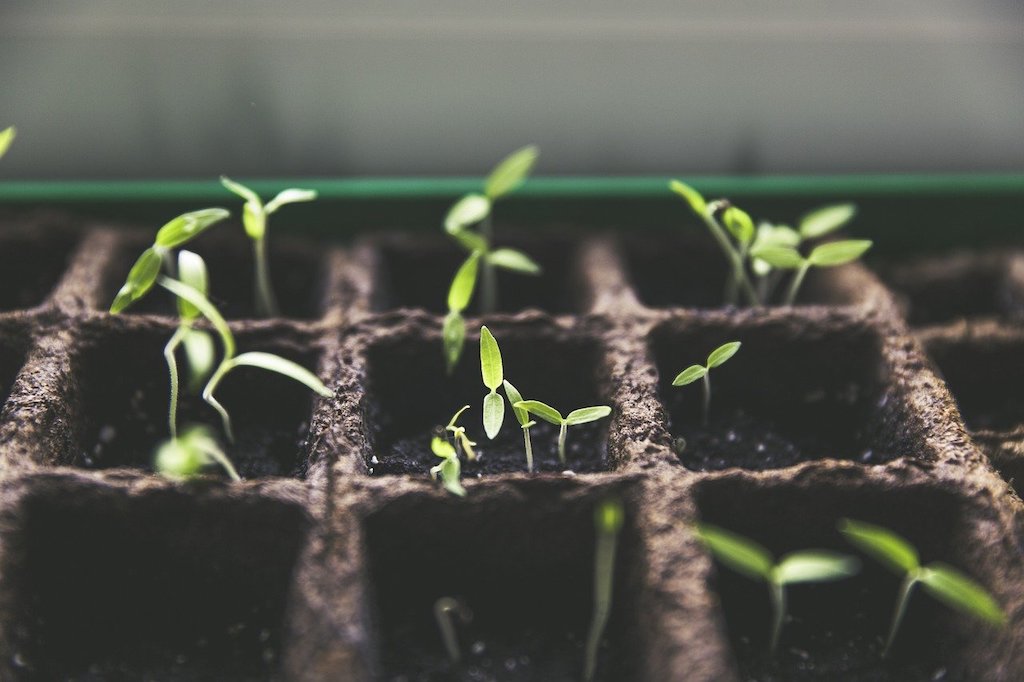
Even as early as February, there are things you can do to kick off the gardening season and get a nice head start.
What is Foraging?
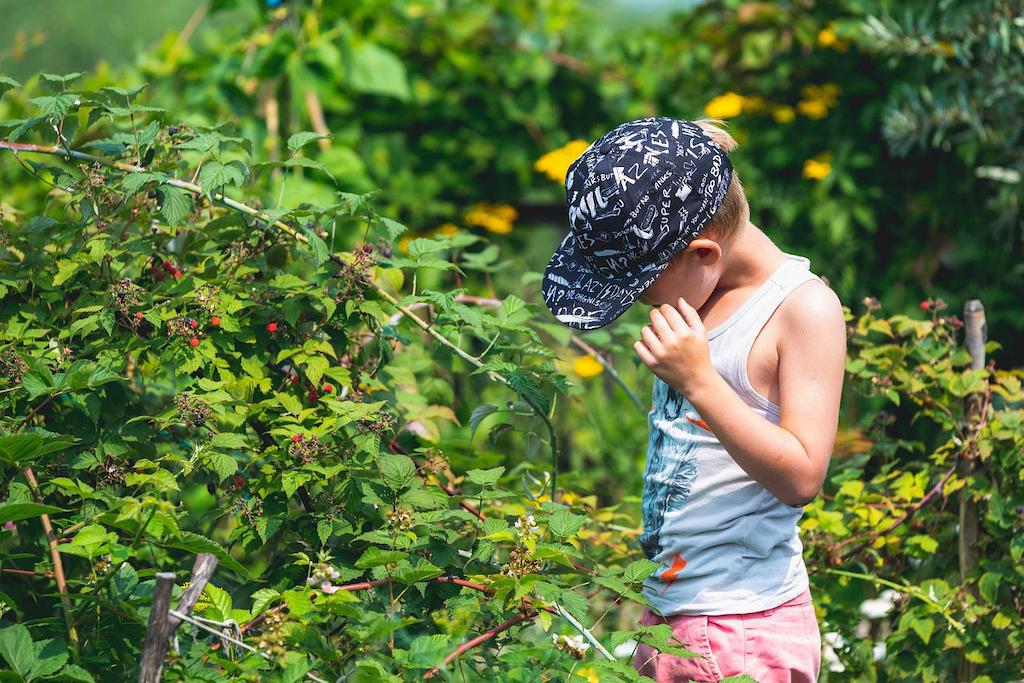
What is foraging, why do people forage, what are wild edible plants and what skills do foragers need to learn?
Slugs
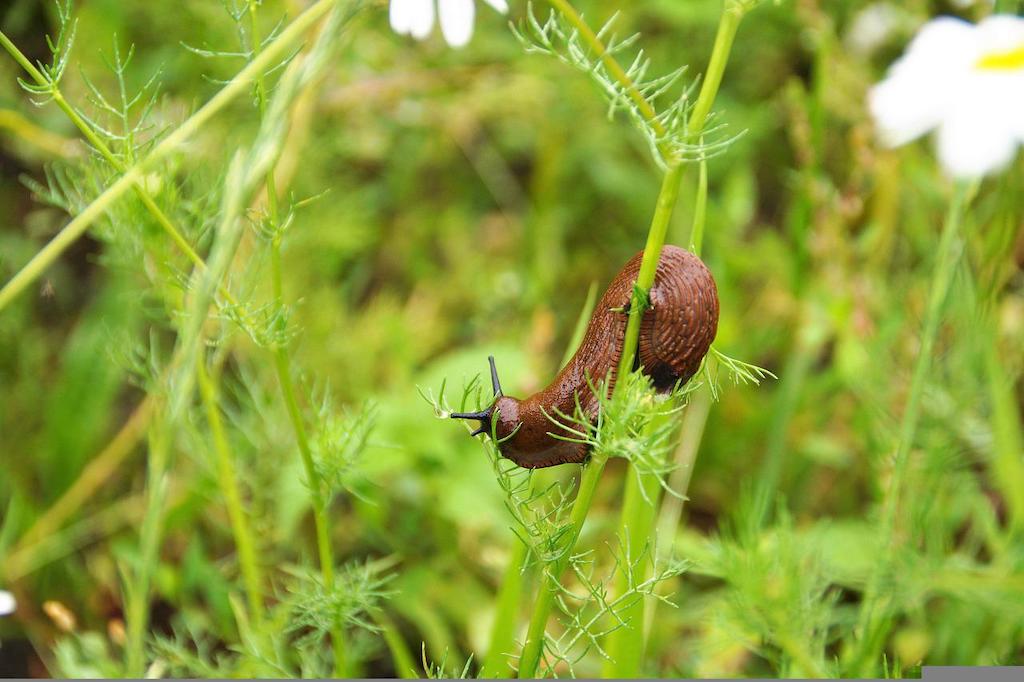
Slugs may not be pretty or cute, but they do play their part in nature, and they are a lot more interesting than I ever thought!
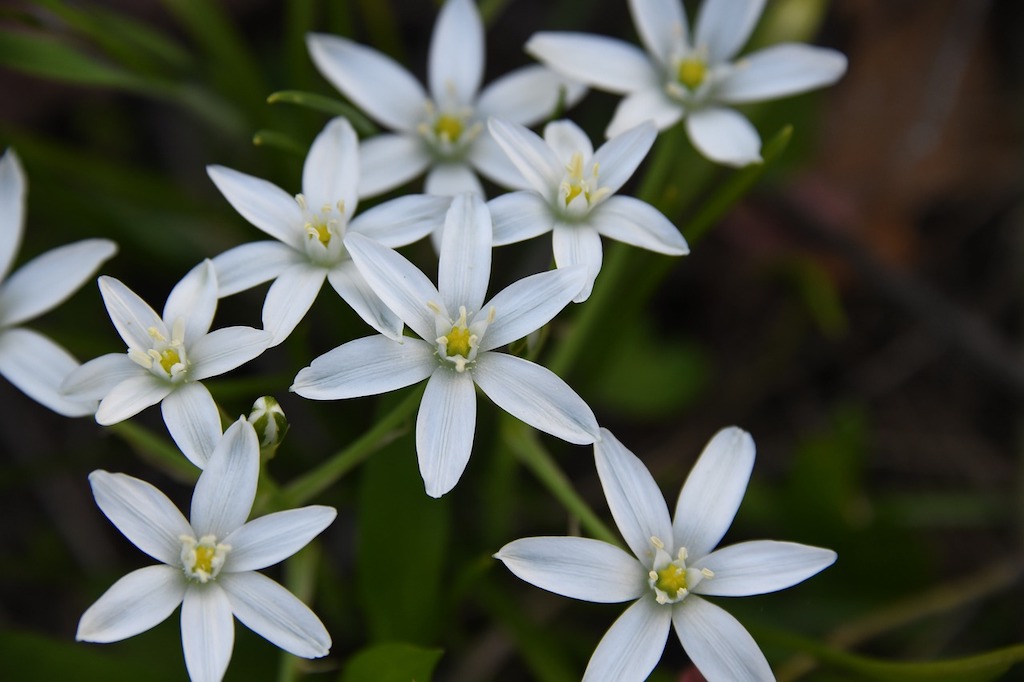
Star of Bethlehem
The Star of Bethlehem is a small bulbous flower of the Lily family with many unusual features and interesting properties.
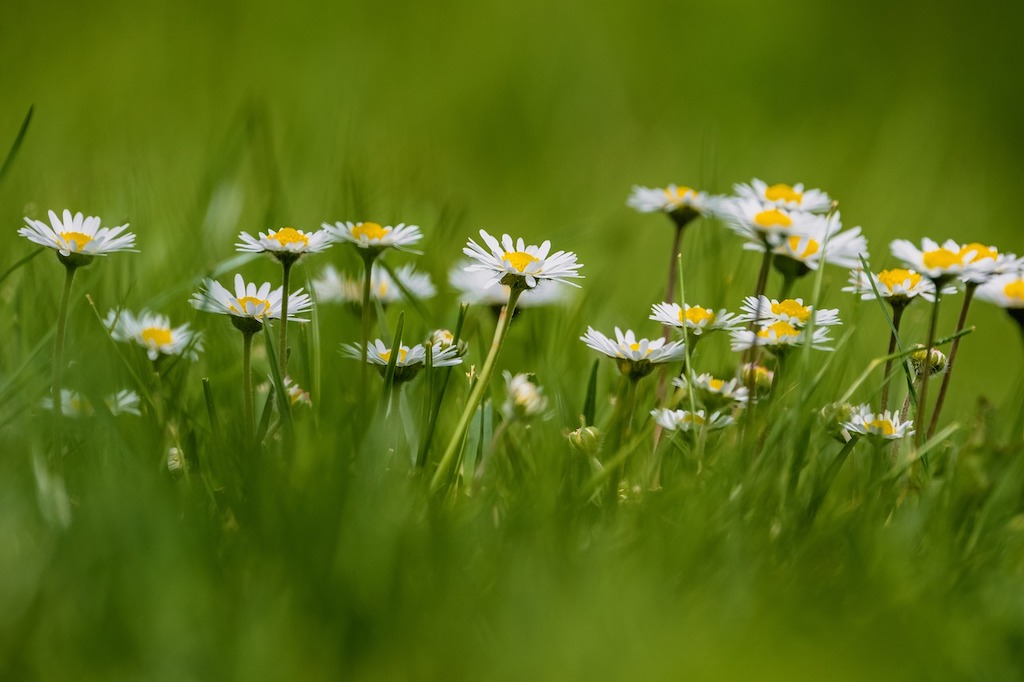
Foraging Daisy (Bellis perennis)
Daisies are among the most common spring herbs, but did you know they are edible? This article is about foraging Daisies, and how to use them
Gardening Jobs in April
The main gardening jobs in April are going to be planting, sowing, and weeding. Hopefully, all your plots are ready to go.
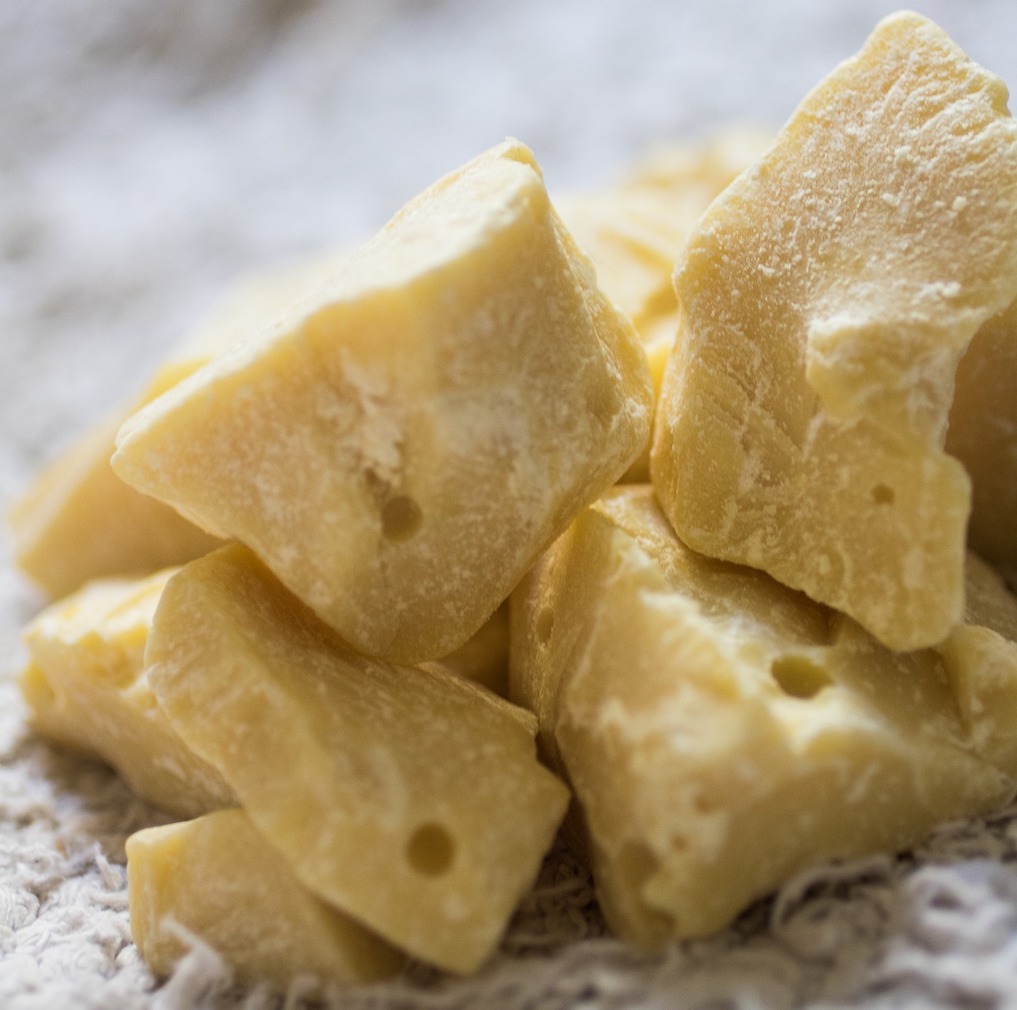
Cacao can do more – New Uses for an Old Crop
This article is about unknown uses of Theobroma cacao. This remarkable tree can offer even more than chocolate – as if that wasn’t enough.
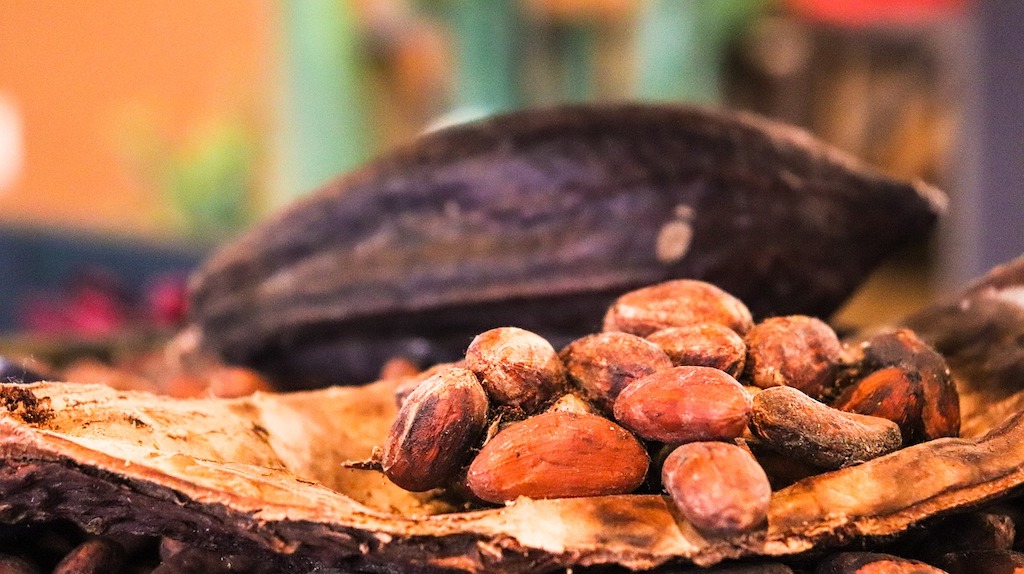
12 amazing superfood properties of Cacao
This article is about the amazing nutritional superfood benefits of Cacao and high Cacao content chocolate.
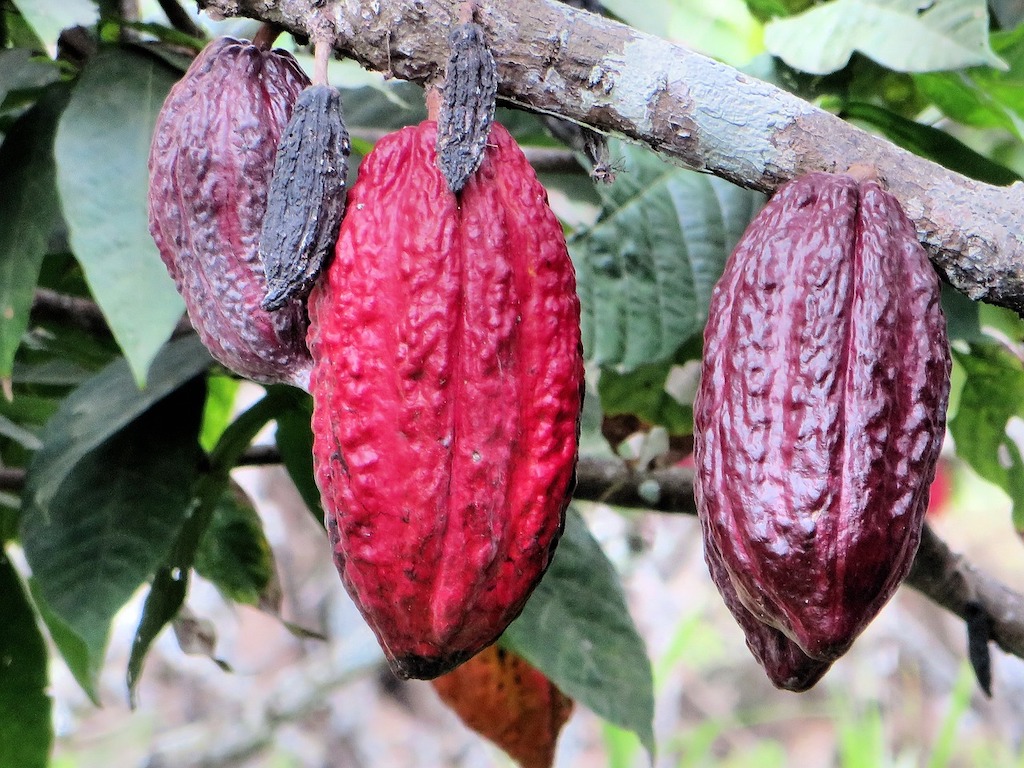
History of the Cocoa Tree- Theobroma cacao
This article is a short introduction to one of my favourite plants: Cocoa – Theobroma cacao, the food of the gods.
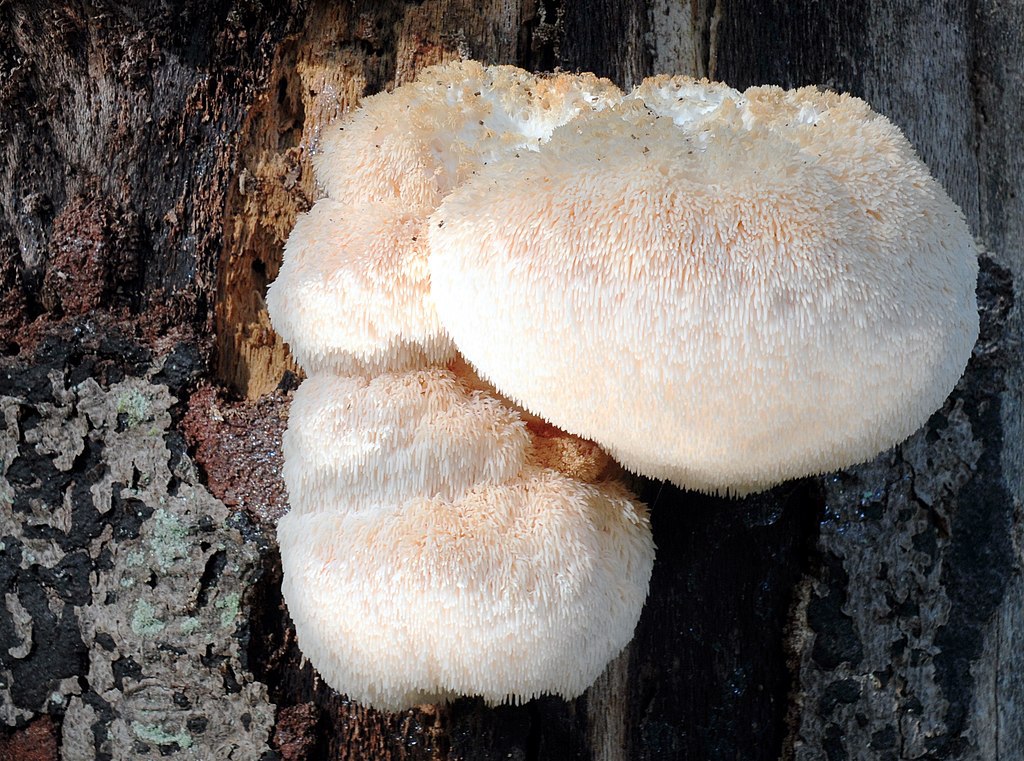
Ever heard of Lion’s Mane Mushrooms?
I never heard of Lion’s Mane mushroom until I found one in the woods. I am so glad it came into my life – and changed it for good!

How to Plan a Garden – the basics
Growing a garden starts with knowing your environment and creating a map that fits the territory. There are a few basic perimeters.

Frankincense (Boswellia sp.)
Frankincense is well-known as that stuff that is burnt in church. But what exactly is it, and where does it come from?