
Sacred Earth
Exploring Nature and Culture
Nature Notes:
No Results Found
The page you requested could not be found. Try refining your search, or use the navigation above to locate the post.
Current issue
Plant Profile:
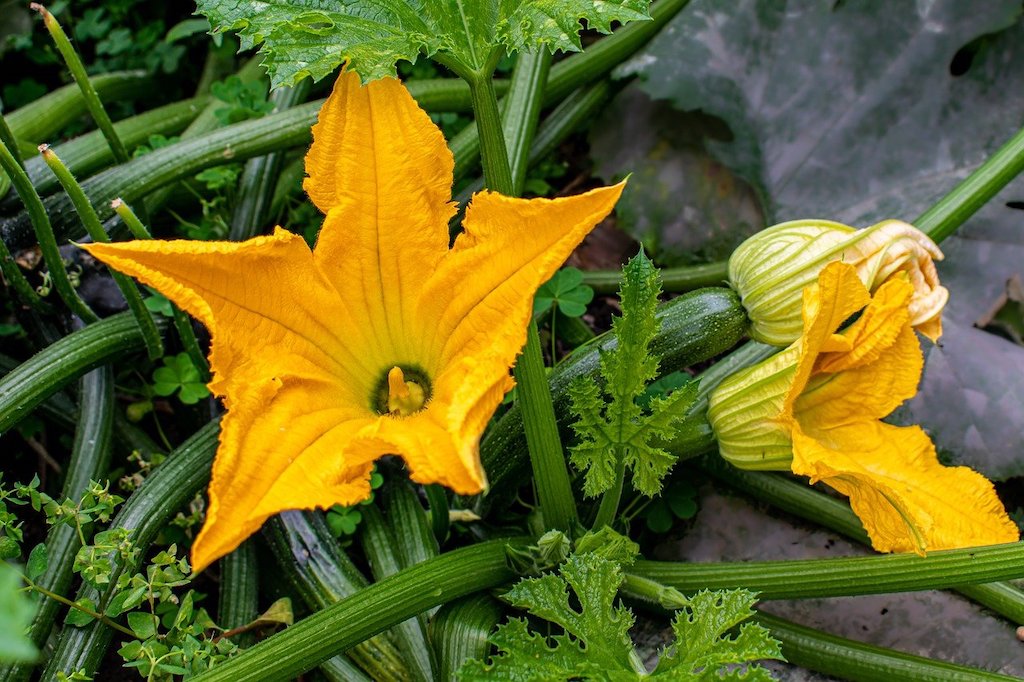
Gardening Jobs in July
What gardening jobs are there to do in July?
This is the time of the year that every gardener is waiting for! The garden is in its prime. Everything is growing, flowering and fruiting. It is a sheer joy to be out there, enjoying nature’s bounty.
July is a time of plenty. Early crops are beginning to ripen, and you can enjoy the fruits of your labour. But it is also a time to think ahead to the dark season and the crops you’d like to harvest then – they need to be sown and started now. There are plenty of gardening jobs to be done in July!
HARVEST:
Continue to harvest lettuce, radishes, beets, peas and courgettes. Long-season or perpetual raspberries and strawberries are still fruiting and can still be harvested.
Onions and garlic begin to topple over, a sure sign they are getting ready, but wait until the onion tops turn yellow before lifting them. Then, you can leave them on the ground or spread them in a well-aerated box or basket to dry them thoroughly.
Early runner beans and potatoes are also getting ready.
Harvesting herbs
Now is the prime time to harvest herbs. For culinary uses, it is best to pick herbs before they flower. Choose a dry, sunny day. Spread them out in a well-aerated place. Hanging them up in bunches actually encourages mould. Herbs are often rich in essential oils that quickly ‘fly off‘ in hot temperatures. Thus, it is best to dry them in the shade.
SOWING (for late season/winter harvest):
Now is the time to sow winter cabbages, kohlrabi and kale, mustards, and pak choi. If you have carrot seeds of late varieties, sow them now.
If you have a shady spot, you can continue to sow lettuce, chard, endive, chicory, chervil, radishes, coriander, rocket, and spinach. Keep them well-watered and not in full sun to prevent them from bolting too quickly.
TOMATO CARE
Tomatoes need a lot of water. Keep the moisture in the soil by spreading a thick layer of mulch around the base of the plants. If they don’t get enough water, the skins turn harder and will crack as the fruit develops. The best time to water is in the evening or early morning. Avoid splashing water directly on the leaves.
You can boost your plants by putting some compost around the base. Or, use liquid manure, such as nettle manure, or some other organic tomato feed available from the garden centre.
Watch out for blight and end rot. Remove yellowing leaves. Pinch out any shoots that develop in the leaf axils.
WATERING
Water your plants as needed, neither too much nor too little. Container plants are particularly vulnerable to drying out and need the most attention. Mulch well to keep the moisture in the soil.
Check out SeedsNow for your organic gardening supplies!
Happy Gardening!
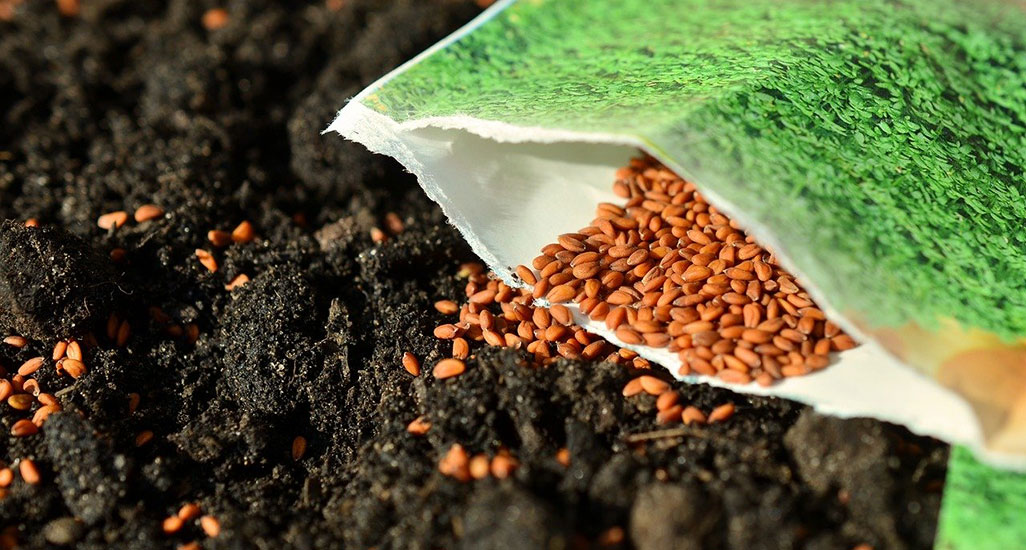
Image by Cornell Frühauf from Pixabay
#Ads
Disclosure: Commissioned earned from your purchases at suppliers linked to on this page help to support this website and keep it afloat without random intrusive advertising.
More articles:
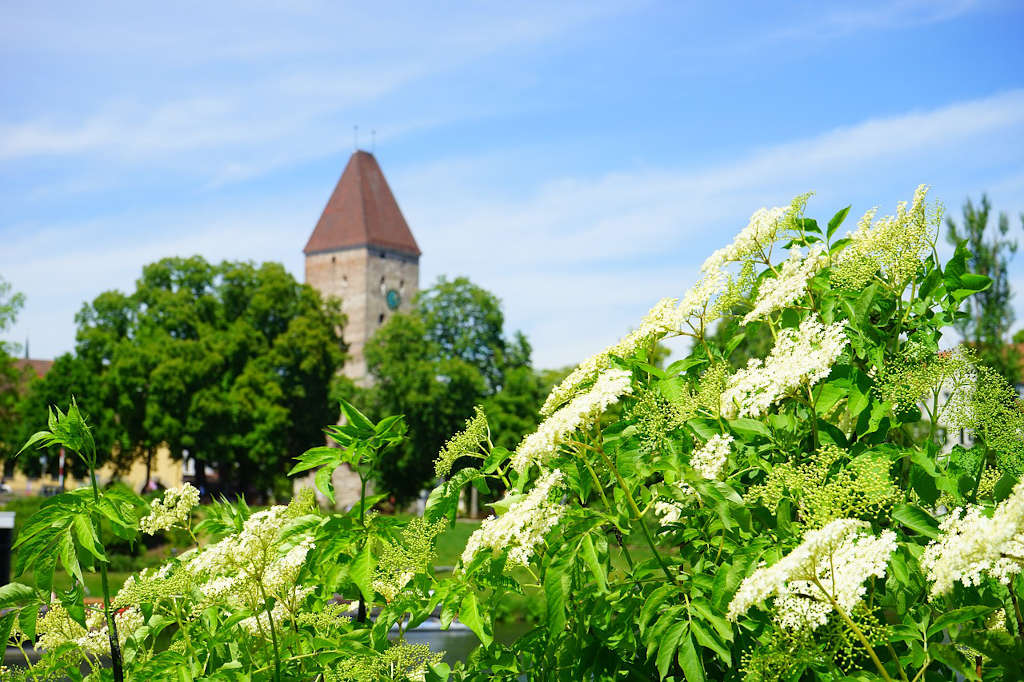
the Elder-tree in myths, magic, and medicine
The Elder tree is the medicine cabinet of the country people. This much loved, bushy tree is a common sight throughout Britain, Europe, and North America.
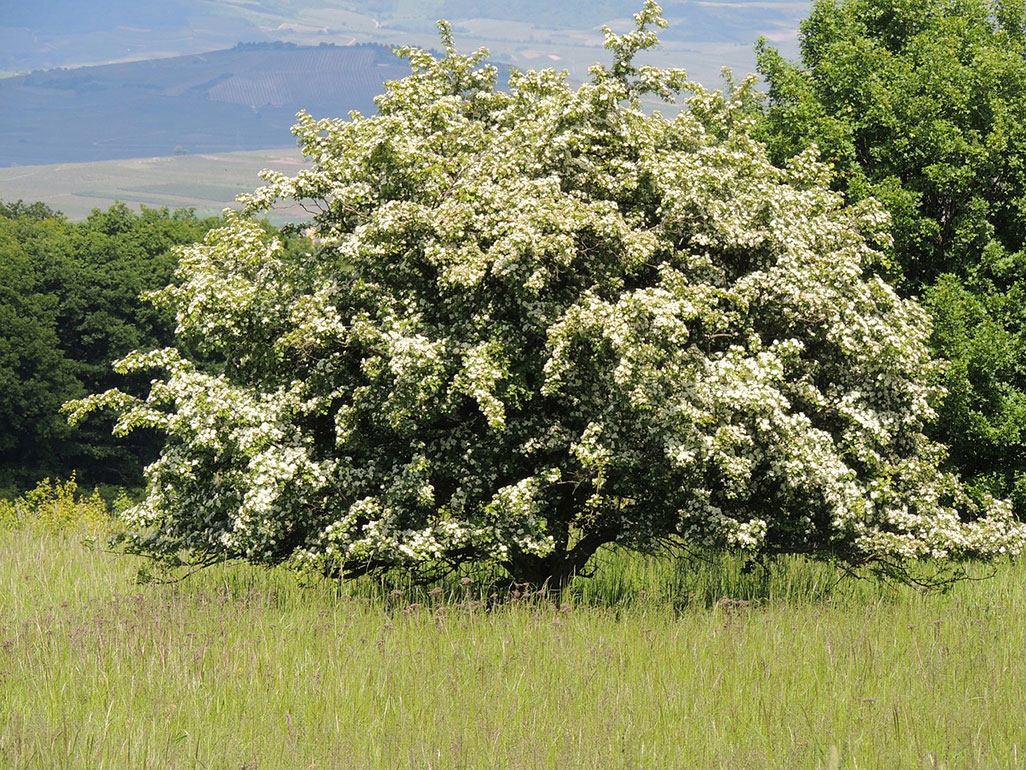
Why Hawthorn is your heart’s best friend
Plant Profile: Hawthorn (Crataegus monogyna) When the Hawthorn dapples the hedgerows with its pinkish-white blossom, we know that spring is here to stay. Typically, Hawthorn starts to flower at the end of April or the beginning of May, which is why it is also…

Hayfever Remedies
If you suffer from hay-fever, you are probably not so well pleased with the arrival of spring. Pollen-laden air can be a source of misery. But a number of natural remedies can alleviate the symptoms.
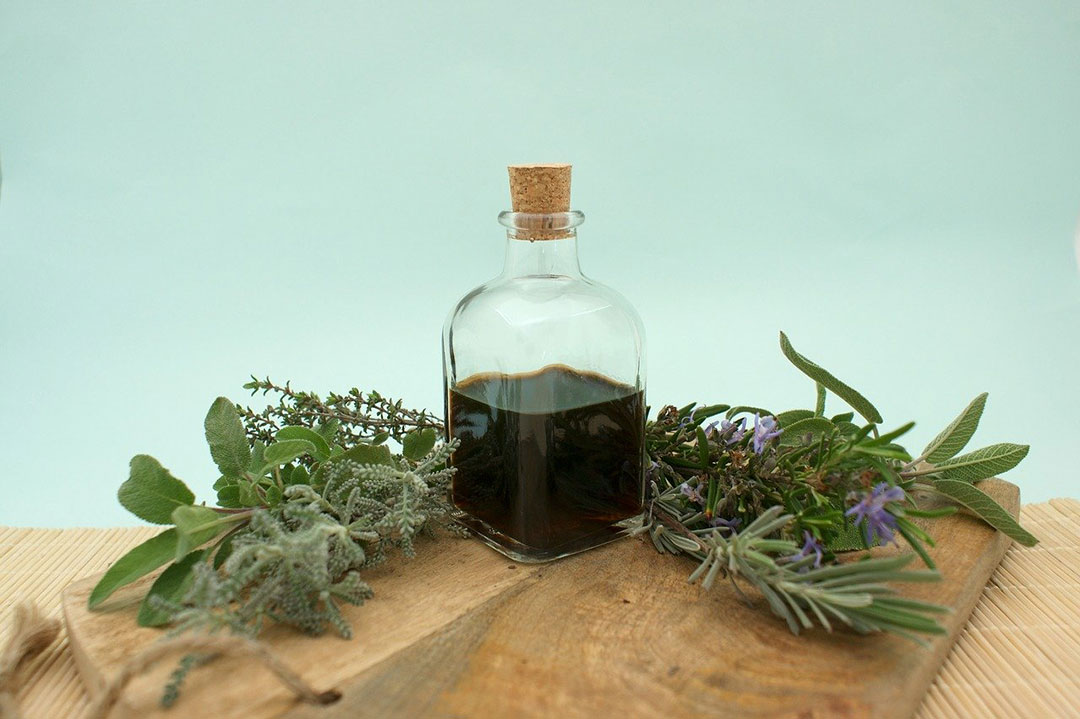
Vinegar of the four thieves
There is a famous herbal formula, known as the Vinegar of the Four Thieves, which dates back to the times when Europe was ravished by the Black Death. Apparently, it had the power to fend off any ills!
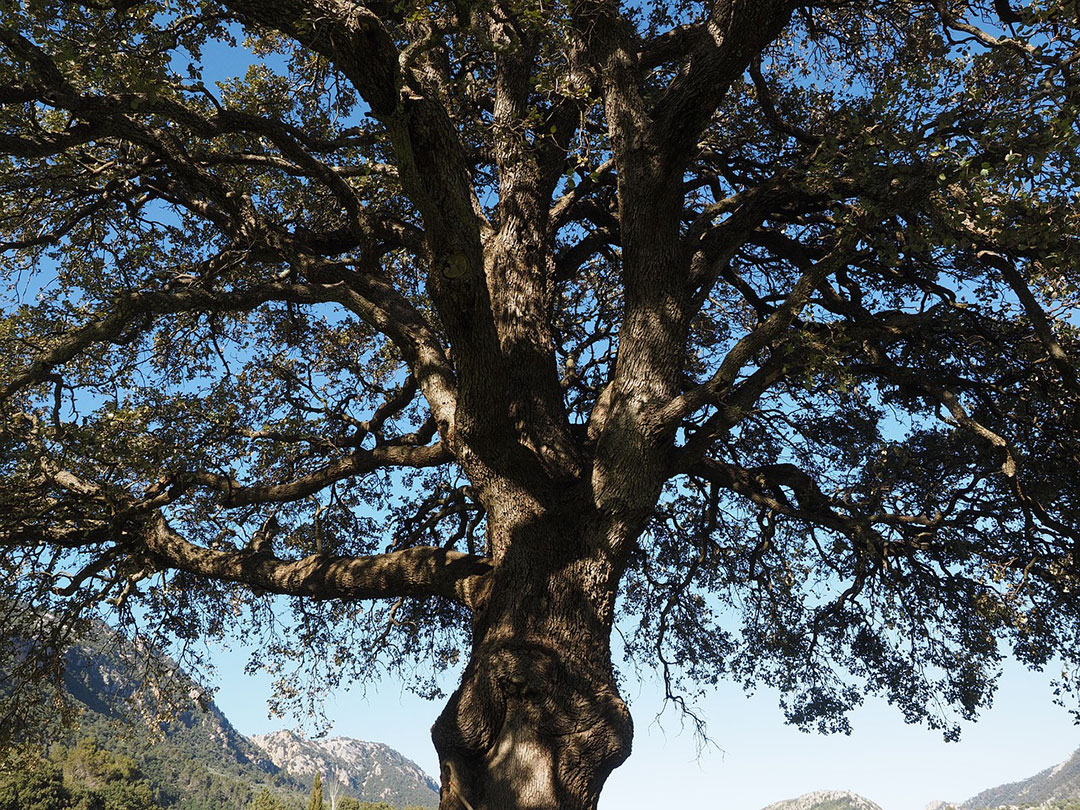
The Camphor Tree
The characteristic scent of Camphor is familiar to anyone who has had a close encounter with VapoRub, but few have ever seen the pure, white crystalline substance from which the scent derives. Still, fewer are aware that this mysterious substance is entirely natural and comes from a tree that is native to southern China, southern Japan, and Taiwan. The Camphor Tree (Cinnamomum camphora) is closely related to the Cinnamon Tree, (Cinnamomum zeylanicum), with which it is sometimes confused. However, the unmistakable scent of the leaves immediately reveals its true identity.
Spring Detox
The idea of a body cleanse is to support the body’s eliminative functions in order to help it in the process of getting rid of accumulated metabolic waste products, which often linger on in a sluggish system.
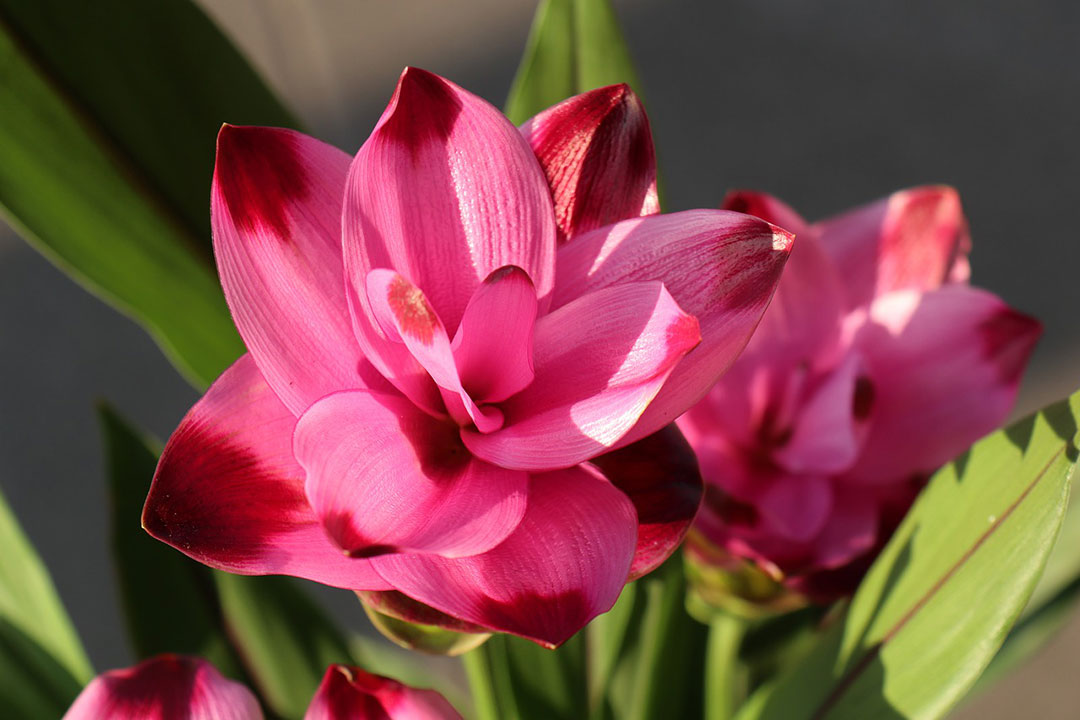
Plant profile: Turmeric – Curcuma longa
Turmeric has a long history of use, not just as a spice, but also as a healing agent and a magical herb. As a spice, it is best known as one of the principal components of curry powder, to which it dons the characteristic yellow colour.
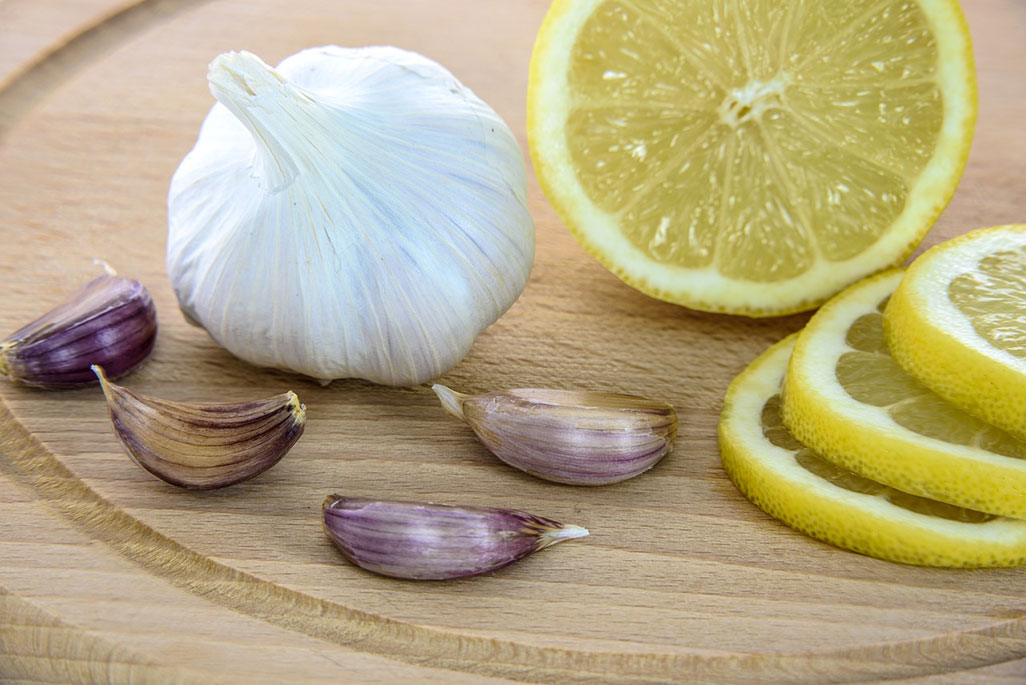
A strong immune system is your best defense
A strong immune system is your best defence. Garlic, ginger, lemon, turmeric and other common foods can help to keep the immune system strong.
What to sow in January
If you are itching to get going with the gardening year, you’ll be wondering what you could possibly sow in January. There are – but only under glass.

Topiaria gaudium fever
There is a strange fever going around. It only affects gardeners. I call it ‘Topiaria Gaudium Fever’, a strange condition marked by extreme excitement caused by the start of the new gardening season.