
Nature Notes:
Welcome to the Sacred Earth website!

Hi there! Thanks for stopping by! My name is Kat Morgenstern, and I am delighted that you have found your way here!
I have created the Sacred Earth website as a forum for nature lovers of all stripes. Come and join me on a journey down the garden path, and off into the virtual woods, where we will explore, learn and discover all about the intertwining roots of nature and culture.

Winter Solstice Reflections
Winter Solstice Reflections: Honouring the Longest Night and the Return of the Light
Winter Solstice Blessings for the Darkest Time of the Year
The Winter Solstice marks the shortest day and the longest night of the year, a sacred turning point in the seasonal cycle. The trees have shed their leaves, standing stripped and skeletal against the sky. All visible signs of life have retreated below ground, withdrawn into roots, seeds, and buds, slumbering until they are awoken by the growing light. Frozen in time, the land lies barren and still. Barely rising above the horizon, the Sun sends only a few pale, hesitant rays of light — more a promise than a presence. The birds have left on their long journeys to milder climes, their songs replaced by silence. The Earth has entered its deep hibernation, holding its breath.
At the Winter Solstice, the Light is Reborn
This season can feel stark, even unforgiving. The darkness is long, the cold persistent, and the days seem reluctant to begin. And yet, it is precisely at this moment — at the very depth of the dark — that we find cause to rejoice. For deep within the Earth, unseen and protected, a tiny spark of light is born. Fragile as a newborn in its crib, the sun-saviour god returns, not in triumph, but in vulnerability. The light does not blaze; it flickers. It asks for patience, trust, and care.
We stand on the threshold of a new cycle, not yet certain how it will unfold, not yet sure whether this tender beginning will thrive. And yet, where there is life, there is hope. The Winter Solstice reminds us that renewal does not arrive with noise or certainty, but quietly — almost imperceptibly — in the darkest hour.
In the old days, the twelve days of Christmas marked a liminal time: a pause between what has been and what is yet to come. The veil between the worlds was believed to be at its thinnest, and spirits could pass through more easily. The same is true of the days surrounding the Summer Solstice, when light reaches its zenith before beginning its slow decline. These moments are thresholds, times outside ordinary time. Otherworldly beings, ancestral presences, and forgotten memories wander among the living, reminding us that reality is layered, and that we are never as separate as we imagine.
Sacred Plants associated with the Winter Solstice and Christmas:
Follow the links to the Encyclopaedia entry to learn more:
Frankincense (Boswellia spp.)
Traditionally burned as sacred incense, frankincense is associated with prayer, purification, and the rising of light from darkness. Its resin connects the earthly and the divine, making it a powerful Winter Solstice ally.
Myrrh (Commiphora myrrha)
A plant of grief, healing, and protection, myrrh reminds us that darkness is not absence, but depth. It accompanies rites of mourning, transition, and rebirth.
Fir (Abies spp.)
Evergreen through the darkest months, fir symbolises endurance, continuity, and life that persists beneath the snow.
Mistletoe (Viscum album)
Sacred to the Druids, mistletoe grows between worlds — neither rooted in earth nor fully of the sky — embodying liminality and renewal.
Holly (Ilex aquifolium)
Evergreen and thorny, holly is a guardian of the dark season. Its bright red berries are the original Christmas-tree baubles, glowing bright in the monochrome landscape and offering nourishment to overwintering birds.
Winter Solstice Reflections
The Winter Solstice is, above all, a time of reflection. A time to sit with memory, to honour what has been, and to acknowledge both loss and growth. We are called to turn inward, to listen more deeply, and to take stock of the year that is drawing to a close. Not every year is gentle. Not every journey is easy. There may have been grief, uncertainty, or exhaustion along the way. Yet even in difficult years, there are moments of kindness, connection, and resilience to be grateful for — small lights that sustained us through the pain.
In the quiet space of the Winter Solstice, we reflect on gratitude: on love given and received, on care extended to others and, perhaps, finally to ourselves. We remember the importance of being there for one another — of showing up, even imperfectly, in a world that so often asks too much. We allow ourselves to dream, gently and without pressure, about our hopes for the year ahead. Not grand resolutions, perhaps, but intentions: how to live more truthfully, more compassionately, and more in tune with what truly matters.
Winter Solstice - A Turning Point on the Wheel of Time
The Winter Solstice marks a turning point. Though the cold may deepen and winter still lies ahead, the light has begun its return. Each day from now on carries a little more brightness than the last. The promise of a new dawn is already woven into the dark.
may your light shine bright.
Count your blessings and celebrate hope. The Wheel of Time is turning, as it always does. The light is returning — quietly but surely. Let us cherish and protect this tiny flame of hope, tending it with care. And when its fire grows stronger, life will once more stir, rise, and return to the Earth.
Current issue
Gardening Jobs in May
Gardening Jobs in May
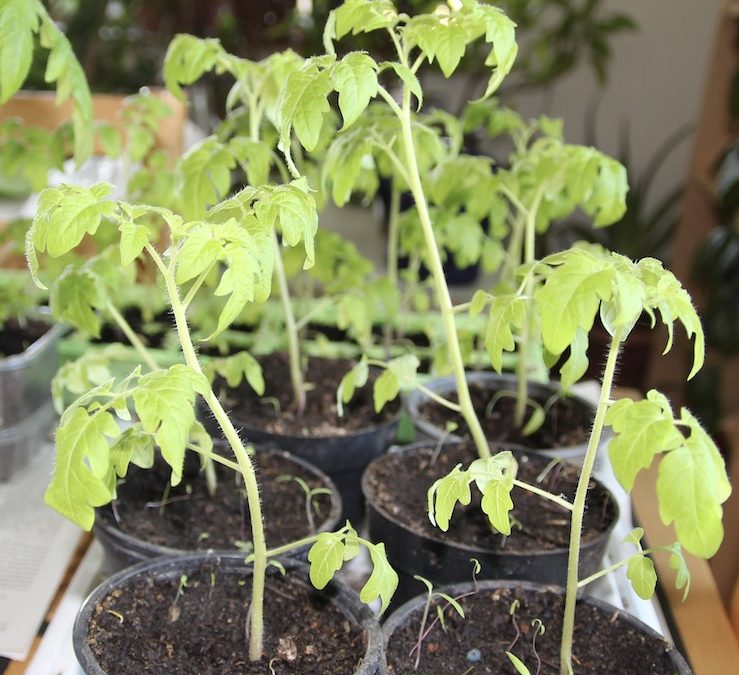
What gardening jobs are there to do in May? Where I live, April has been unusually cool and wet. I didn’t get all my April jobs done, and my ‘gardening jobs agenda’ for May is rather full. The wheel of the year is turning, and the garden does not wait.
Potatoes
If you planted all your potatoes in April, they are probably developing their first leaves by now. It’s time to earth them up now. Cover the leaves with soil, and only let the tops peek out. Repeat this process regularly as the plants grow and develop.
Sweet Corn
If you are planting sweet corn, you can now sow them in deep pots indoors. That will give them a head-start. Transplant them to a sunny spot in June.
Beans
Once there is no more risk of late frosts, you can sow all kinds of beans outside (runner, broad, dwarf). They like a sunny spot, but not too hot. Protect them from the slugs and snails—young bean shoots are their favourite snack. If slugs are a big problem, start the plants in seed trays and transplant them only once they are strong enough to withstand a slug attack.
Warmth-loving plants: Tomatoes, Peppers, Courgettes, Aubergines
Your tomato, aubergine and pepper plants are probably growing fast now. There comes a point when they seem to yell, ‘Get me out of here and plant me into the garden!’ Resist the temptation unless there is no more danger of late frosts in your growing zone. But, to appease them, you can harden them off. Take them outside during the day, but bring them back in at night until night temperatures are reliably around 10 °C.
You can also still sow cucumbers and melons—but keep them warm and protected for now.
Salad Veg and Greens
Sow batches of salad vegetables like radishes, lettuce, Swiss chard and Arugula/Rocket, to ensure a continuous supply.
Root crops
You can still sow root crops such as carrots, beetroots, leeks and turnips.
Winter Veg
Sow Leeks and brassicas for overwintering. It is best to start them off indoors to protect them from slug- and insect attacks.
Kitchen Herbs
It is also the perfect time to sow warmth-loving herbs such as basil and coriander. Protect them against attacks from ravenous slugs.
Weeds
May is lush! Everything sprouts and grows - including the weeds. But no need to curse them - if you can’t beat them, eat them! Check your garden weeds to see if they are edible and could go into a ‘foraged’ dinner. Bishop’s Weed, Stinging Nettles, Ground Ivy, Wild Garlic and Dandelion are all excellent in the ‘wild food cuisines’.
Flowers
Sow annuals like Californian Poppies, or nasturtiums in any gaps in your borders for extra colour in the summer. The bees and insects will thank you.
Maintenance Jobs
There are always maintenance jobs that need to be taken care of:
- If you have a pond, check for pondweed and algae and clean it out if necessary.
- Build supports for climbing plants.
Keep bird feeders and birdbaths clean.
Happy Gardening!
Check out SeedsNow for your organic gardening supplies.
#Ads
Disclosure: To support the website, I receive a small commission from qualifying purchases readers like you make on the affiliate site(s) linked to in this article, without any extra cost to you.
Plant Profile:
Rosemary – Rosmarinus officinalis
Most of us know this woody, aromatic bush as a culinary herb, but in fact, Rosemary is so much more than that. It has some quite remarkable properties that are well worth remembering.
As a kitchen herb, Rosemary is an old stand-by: Rosemary potatoes, Rosemary chicken, Rosemary salt, Rosemary lamb, or Rosemary fish are all familiar menu items. The needle-like leaves have a highly aromatic, somewhat medicinal scent. The flavour is distinctive, somewhat bitter, and resinous, which perfectly complements fatty foods. It ‘cuts through’ the grease. This is why it is used to flavor greasy meat and fish dishes and to aid digestion. Rosemary acts as a token apology to the liver.
Rosemary, which has long been known as Rosmarinus officinalis, was recently assigned to the Genus 'Salvia'. That means, it is botanically grouped with the sages. However, the old name is still acceptable, but keep the name change in mind to avoid confusion.
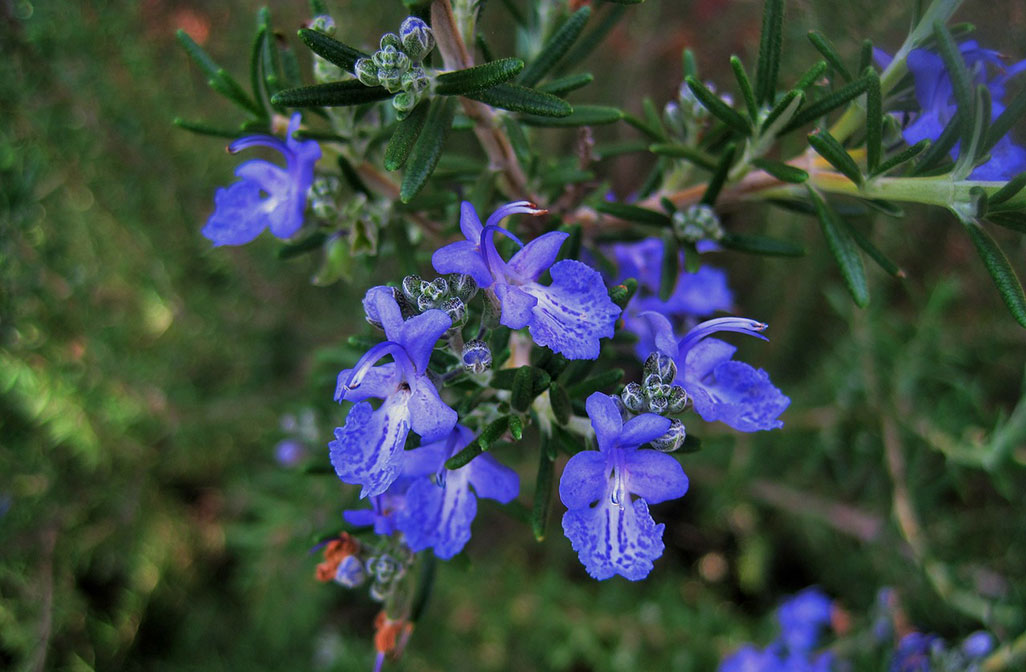
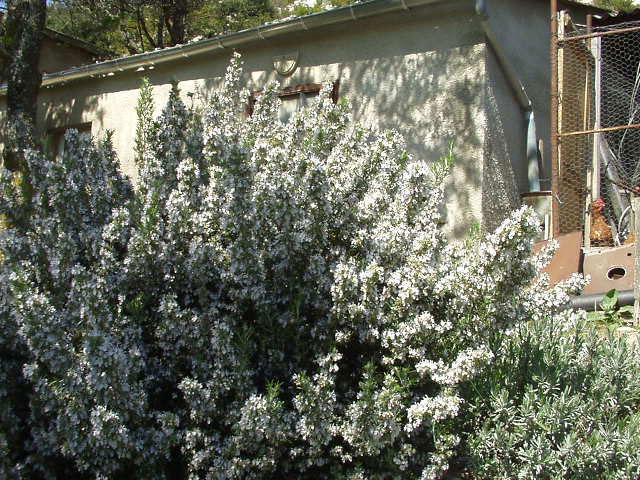
Although it is an herb of the mint family (Lamiaceae), its thin, spiky leaves lend it the appearance of some kind of dwarf conifer. Rosemary is at home in the semi-arid climate zone of the Mediterranean coastal region. It commonly grows in the garrigue, the shrubland that covers the lower hills. Its scientific name - 'rosmarinus' means 'Dew of the Sea'. It indicates that this herb likes to be 'kissed' by the salty mist coming in from the sea. Others have suggested that the name perhaps alludes to the light blue flowers. A bush that is profusely covered in flowers has the appearance of sea foam on the crest of a wave. Thus, Rosemary has also been linked to the Greek Goddess Aphrodite, who was born from the foam of the sea.
In the Mediterranean, it is one of the earliest flowers to appear in the New Year. Its pale blue flowers blush the wild coastal hillsides, spreading an aromatic scent that awakens the sleepy bees. Rich in nectar, Rosemary is one of their first sources of nourishment. The highly aromatic Rosemary honey is sold at local markets as a highly prized regional specialty.
Rosemary's intense fragrance and aromatic flavor are due to essential oils, which are obtained not from the flowers, but from the needle-like leaves. As a key ingredient of the ever-useful herb blend known as ‘Herbes de Provençe' it is a quintessential item on the herb shelf.
Medicinal uses of Rosemary
This essential oil is also responsible for its medicinal properties. Rosemary oil stimulates blood circulation, particularly to the head. It has a beneficial effect on memory. In herbal lore, this property is associated with the remembrance of loved ones, and friends, and those who have recently passed away.
Rosemary’s bitter principle aids digestion. It 'warms' the stomach and stimulates the liver and gallbladder. It helps the body to break down fats and improve digestion.
It also shows anti-viral, anti-bacterial and anti-fungal properties. Externally, a Rosemary infusion can be used to cleanse badly healing wounds.
Cooking with Rosemary
Rosemary goes great with roasts - whether you are roasting a goose, lamb chops, or a pan full of root vegetables, a sprig of rosemary transforms the dish and adds a complex, slightly bitter and highly aromatic flavor.
Purification
Rosemary has also long been used as incense, particularly in combination with Juniper berries. This tradition has continued into modern times. It is still sometimes used to fumigate and purify the air in a patient's room. It is also popular as a cleansing aromatic that is used in sauna infusions, or to scent bath oils and soaps.
Restorative
Rosemary’ is a tonic and restorative. Its stimulating action on the blood circulation and coronary function and can restore vitality and strength to convalescents or feeble children. In the past it was also used as an aphrodisiac that had the reputation to restore a dwindling manhood. Recent research has shown that Rosemary contains
Cosmetics
Rosemary can be added to home-made shampoos or hair rinses. It will stimulate the follicles and promote hair growth. In the ‘still room,’ its essence would have been added to skin tonics, lotions, and oils.
Rosemary Hair Rinse
The simplest way to let your hair benefit from the tonic power of Rosemary is to simply make a strong infusion of 1 tablespoon of dried rosemary leaves to 500 ml of water - infuse with boiling water and steep until it has cooled down, strain and massage into the scalp. Leave it for a few minutes, then rinse it out. It is best when prepared fresh, but it will keep for a few days in the fridge.
Rosemary Shampoo
Unscented shampoo bases are readily available at many stores these days. Get one you like and add a few drops of Rosemary Essential Oil to it.
Recommended for brown or dark hair as it will naturally darken the hair over time.
More articles:
Plant Profile: Moringa
The Moringa tree, though not well-known outside its native habitat, is a blessing, offering multiple gifts for the benefit of mankind.
Plant Profile: Aloe vera
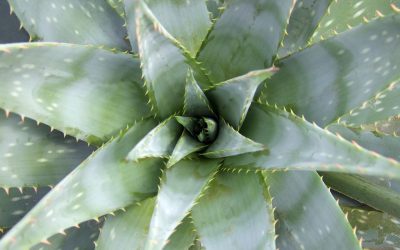
Plant Profile Aloe vera – Aloe Vera is no longer an exotic stranger. It has found its way into all kinds of common household products from washing-up liquid to latex gloves, and even razors.
Gardening Jobs in June
If you thought that now the growing season is in full swing you can kick back and relax, you are mistaken. June is a rather busy month in the garden, especially if you want to continue harvesting veggies in the fall and winter.

Permaculture – Paradigm Shift for a Sustainable Way of Life
The paradigms of Permaculture, are based on abundance, cooperation, and sharing and seeks to restore rather than exploit ecosystems.
Plantains – Plantago sp.
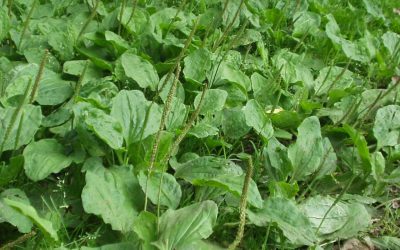
As masters of adaptation, Plantains are ubiquitous. They have managed to eke out a living in almost every conceivable kind of habitat.
Dyeing Easter Eggs – Naturally
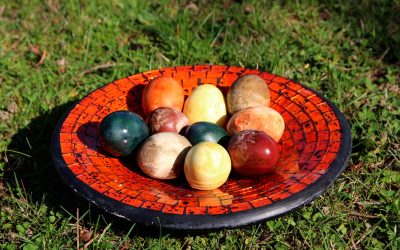
Dyeing Easter Eggs with natural colours is a lovely project to do with kids. Find out how to do it at home.
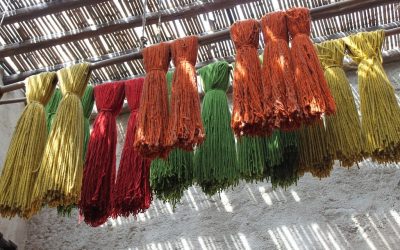
Natural Dyes – The Colours of Nature
The art of natural dyeing comprises a huge body of knowledge. It is a crafter’s plant knowledge that is passed on by using it.
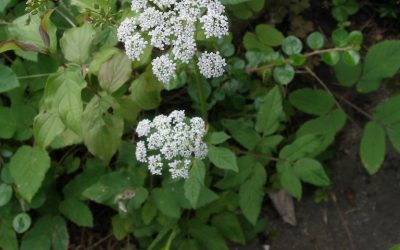
Foraging Goutweed (Aegopodium podagraria)
Foraging goutweed is one of spring’s delights. It is plentiful, tasty and versatile! It can be used as a pot herb for soups, and fillings, or as pesto.
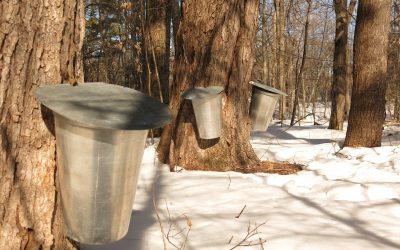
Sugar Maple – A Sweet Miracle
Sugar Maple is an iconic tree of the northeastern parts of the US. Its display of bright orange and red fall foliage is world-famous.

Happy Valentine’s Day
It’s Valentine’s Day – time to spread some loving. But will you say it with flowers, with chocolate, or a special Valentine’s dinner?

Victorian Flower Language
The Victorian flower language, also known as floriography, was a secret code used to convey your true heart’s desire, without making a sound.

Ways to cope with Stress and Anxiety
We live in stressful times and many of us are feeling anxious. This article outlines ways that can help you to deal with stress and anxiety