Samhain

Samhain

At Samhain, the Goddess retreats into the deep vault of the earth to join her dark lover in the Underworld. Life withdraws, and the landscape turns bleak, cold, and grey. The last fruits, nuts and berries still hang in the bushes, but most are gone. Few flowers withstand the season's call until the frost kills them off. The birds have left on their journey to the south.
It is a melancholy time, but also a time to turn inward.

We mark this season by remembering those who have gone before us. Death is but a stage of the wheel of life. Far below the surface, the Goddess sheds her wilted gown. Throughout the winter months, she remains in deep meditation as she regenerates her vitality.

We face the cold and darkness as the Sun's power wanes. Few of its rays can still warm us, and the days grow shorter.

Life and death are aspects of the same eternal cycle. There is no light without darkness, no life without death. Use this time to reflect and remember, to cherish the good and to let go of all that is worn and that wears you down. Concentrate your inner strength in contemplation - for soon, the wheel of the year will turn, and the Sun will be reborn.

Yarrow – Achillea millefolium

Yarrow – Achillea millefolium

Table of Contents

Few wildflowers are as common and familiar as yarrow. It grows almost everywhere – along country paths, roadside verges, meadows, pastures and waysides – yet most people pass it by without giving it a second glance. They don’t know what they are missing. Beneath yarrow’s humble appearance lies one of Europe's oldest and most versatile medicinal herbs.

For thousands of years Yarrow has come to the aid of shepherds, soldiers, and healers, staunching bleeding wounds, easing ‘female troubles’, flavouring ale, casting its love magic, and divining the future.                                         

 Indeed, the humble yarrow has earned immortal fame in the ancient myths and legends we still tell today. It is a remarkable herb, with a remarkable story. 

Description:

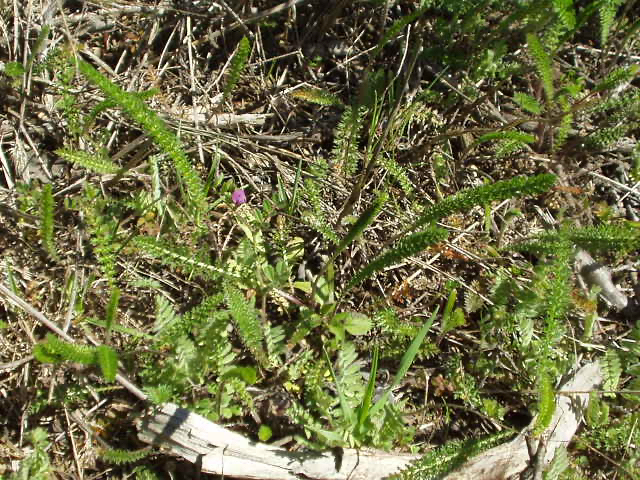
The first signs of yarrow appear in early spring. Long before the flower stalks emerge, its delicate, feathery fronds form soft green rosettes close to the ground. At this stage they are tender, aromatic, and make an excellent addition to soups and salads.

As summer approaches, the stems begin to rise, eventually reaching 30–80 cm in height. The leaves become tougher, pricklier and more finely divided- the inspiration behind its species name millefolium – which literally means ”a thousand leaves".

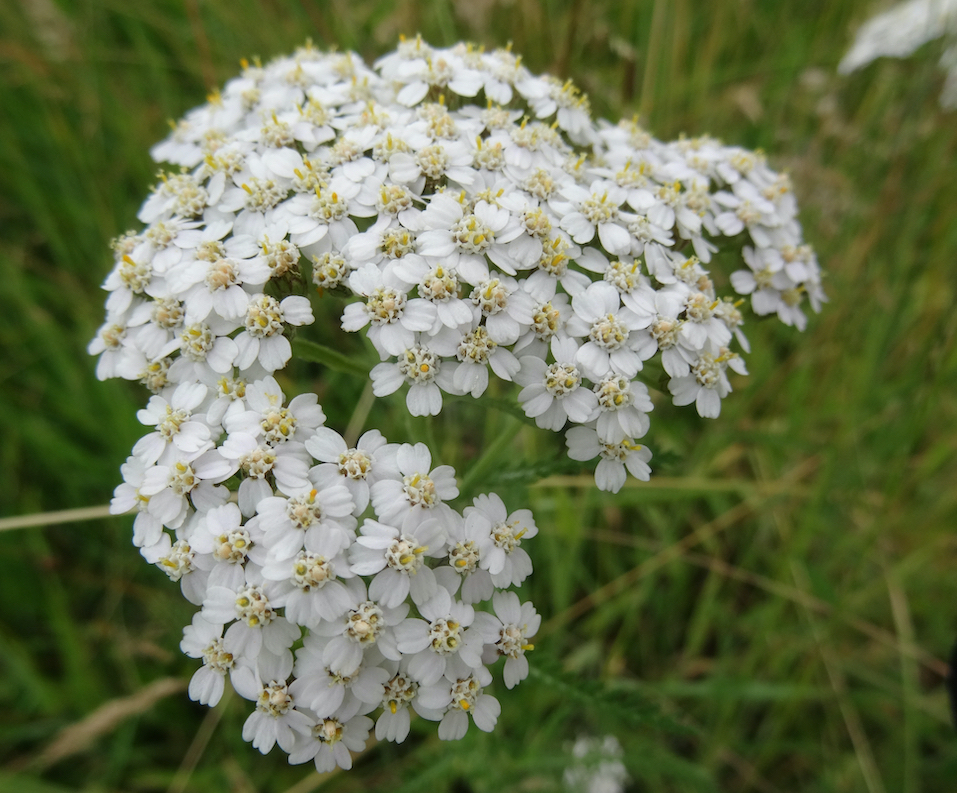
By June and July, the flat-topped flower clusters begin to open. At first glance they resemble the umbels of the carrot family, but appearances can be deceptive. Who would have thought that yarrow belongs to the daisy family (Asteraceae)! Yet, a closer look reveals that each "flower" is in fact a composite flower head made up of tiny individual disk florets, surrounded by petal-like ray-florets, just like a daisy or a dandelion.

Its distinctive aromatic scent, feathery foliage and conspicuous flower heads make yarrow one of the easiest herbs to recognise. Nevertheless, beginners should always identify plants carefully. Yarrow’s characteristic features do bear semblance to some members of the carrot family, some of which are highly poisonous.

Ecology

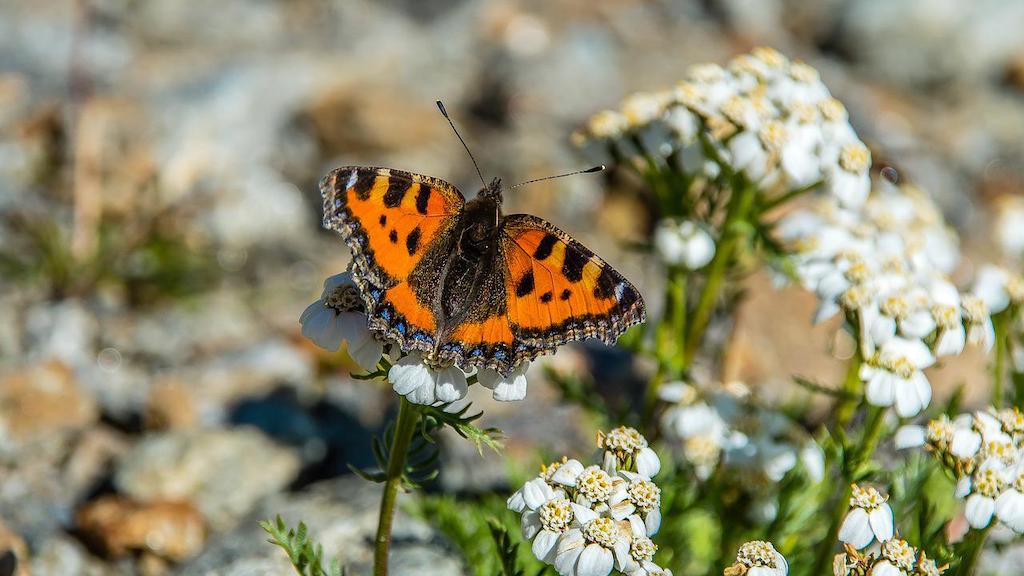
Bees, butterflies and other pollinating insects love yarrow for its rich reserves of nectar. Gardeners tend to prefer the cultivated varieties of yarrow, but they always welcome it for attracting predatory insects that help keep aphids in check. Yarrow acts as a healer, radiating its protective and healing powers throughout its neighbourhood.

Yarrow - Achillea millefolium

History and Mythology


Etymology - what's in a name

Yarrow's botanical name, Achillea millefolium, tells two stories.

The genus Achillea commemorates Achilles, a legendary Greek hero, while millefolium means "a thousand leaves", referring to the finely divided foliage.

According to Greek mythology, Achilles was the son of Peleus and the sea nymph Thetis. Knowing that her son was destined to become a great warrior, Thetis schemed to make him invincible by dipping him into the River Styx. But by holding him by one heel, she inadvertently covered that small part of his body – which literally became his vulnerable  spot, his ‘Achilles heel’.

As a boy, Achilles was entrusted to the wise centaur Chiron, the legendary teacher of heroes, and one of the greatest healers of Greek mythology. He instructed Achilles not only in hunting and warfare but also in the healing arts. During the Trojan War, Achilles developed a reputation as a healer, tending to the bleeding wounds of his fellow warriors aided by the humble yarrow. It thus earned its common name ‘Herba Militaris’ or simply ‘Militaris’.

All the classical physicians, from Dioscorides to Paracelsus and beyond, praised Yarrow as a wound healer, and for centuries regarded it as indispensable for treating cuts and injuries, both internal and external.

The English name Yarrow is much older than its botanical name. It derives from the Old English gearwe, an ancient Germanic word whose original meaning has been lost in time. Long before Linnaeus gave it a Latin name, country folk already knew this plant well enough for its name to become deeply rooted in the language.

Although the name Militaris invokes associations with Mars, the god of war, Culpeper instead assigned yarrow to Venus. He regarded it as a cooling, drying and binding herb, emphasising its ability to constrain ‘immoderate fluxes’ which Culpeper uses as a rather flexible term that can be applied to inner or outer bleeding, strong menstruation, or diarrhoea.

Chiron teaching Achilles the art of archery

Herb Lore

Yarrow may seem unspectacular, but it plays a significant role in European folklore.

During the Middle Ages it was regarded as a powerful protective herb. Like many medicinal plants, it acquired a reputation for warding off evil influences. Not only was it used as a protective charm; it was even featured in exorcism rites.

France

In France Yarrow is known as Herbe de Saint Joseph. According to legend, the infant Jesus gave Joseph some Yarrow after he accidentally cut himself while working on his carpentry. Of course, Yarrow stopped the bleeding more or less at once and healed the wound.

Britain

British folklore paints a rather different picture.

Mrs M. Grieve recounts an old divination custom from eastern England in which young women would place Yarrow leaves in their noses while reciting:

"Yarroway, Yarroway bear a white blow
If my love love me, my nose will bleed now."

Should the nose begin to bleed, the omen was taken as proof that their sweetheart's affection was genuine.

Another charming folk name, Venus' Eyebrow, refers to Yarrow's delicately divided leaves, which were thought to resemble the graceful eyebrows of Venus, goddess of love. Unsurprisingly, the herb became associated with romance and matters of the heart.

Placed beneath the pillow after reciting the traditional charm,

"Thou pretty herb of Venus tree,
Thy true name be Yarrow;
Now who my bosom friend must be,
Pray tell thou me tomorrow."

it was believed to reveal the inquirer’s future husband in a dream.

China

On the other side of the world, Yarrow serves a very different purpose.

Bundles of dried Yarrow stalks have traditionally been used to consult the I Ching, the ancient Chinese Oracle. Here, the plant acts as a balancing force between Yin and Yang and bridge between the comprehension of the human mind and the unfolding patterns of nature.

Central Europe

Throughout Central Europe, Yarrow appears in many seasonal customs.

It is one of the traditional herbs included in the famous Nine-Herb Soup eaten on Maundy Thursday, a spring tonic believed to purify the body and protect against illness throughout the coming year.

In Catholic tradition, Yarrow takes a place of honour in the herb bundles blessed on the Feast of the Assumption in mid-August. Although now celebrated as a Christian festival, the custom almost certainly reaches back to much older rites that honoured the healing plants gathered at the height of summer for the following year.

Yarrow and Lughnasadh

By late July and early August, Yarrow is usually in full bloom. At Lughnasadh, the first harvest festival celebrated on August 1st,  its white flower heads mingle with knapweed and wild marjoram.

The period between Mid-Summer and Lughnasadh, when the Sun is at its zenith, is the most important time of the year for gathering medicinal herbs. Many plants follow that cycle of the sun and their potency peaks at this time as well.

Many of the harvest blessing traditions that survive today are echoes of these much older seasonal customs.

Yarrow leaves in spring

Food

The young spring leaves have a pleasantly aromatic, slightly bitter flavour that works well in soups, salads, omelettes, herb butters and fresh cheeses. Like many bitter herbs, they gently stimulate digestion and are best enjoyed in moderation. Too much of a good thing can quickly become overpowering.

As the season progresses the leaves become considerably more bitter. Historically this made Yarrow a valued brewing herb.

Before hops became the standard flavouring for beer, brewers throughout Europe used various aromatic herbs known as gruit. Yarrow was chief among them, lending both flavour and reputed preservative qualities to the ale. Although the Bavarian Purity Law of 1516 restricted German brewers to hops, barley and water, many British brewers continued using herbal mixtures for centuries afterwards.

Yarrow flowers can also be infused into vinegars or used sparingly with other aromatic herbs, in herb salts.

Arts & Craft

The flowering tops can be used to dye wool and other natural fibres. It yields yellowish ochre to olive green tones, which can be modified using iron as a mordant, which shifts the colours towards the darker spectrum. But use iron cautiously with animal fibres, as prolonged exposure can damage them.

Essential oil

Steam distillation produces a remarkably deep blue essential oil. During distillation, naturally occurring proazulenes are transformed into chamazulene, the same intensely blue anti-inflammatory compound found in german chamomile, though yarrow often contains even higher concentrations.

Yarrow essential oil is valued in aromatherapy for soothing red, sore or inflamed skin and promoting the healing of minor wounds, rashes and non-allergic dermatitis. It is also traditionally used to ease menstrual discomfort and to promote healthy circulation.

Yarrow is cherished for its balancing properties, particularly during times of emotional upheaval associated with hormonal changes.

Scent (English Yarrow)

English yarrow has a herbaceous, aromatic, and slightly camphoraceous scent - medicinal and clean. It blends well with lavender, rosemary, bergamot, eucalyptus, chamomile, cedarwood, geranium, clary sage, frankincense.

Scent Blue Yarrow

The scent of Blue Yarrow oil is sweeter, deeper, soothing and more complex, with almost spicy undertones. It blends well with cedarwood, cypress, pine, chamomile, lavender, helichrysum, clary sage, omumbiri, and hyssop.

Caution:

Those sensitive or allergic to Asteraceae family should avoid this oil. All essential oils should be properly diluted before topical use.


Medicinal Uses:

As a medicinal herb, yarrow remains as relevant today as it was in the time of Achilles.

Parts used:

The aerial parts – young leaves and flowering tops.

Harvest the tender leaves in spring if you wish to eat them fresh. For medicinal use, gather the flowering tops on a dry day during peak flowering, usually between June and August, and dry them promptly in a warm, airy place.

Constituents

Volatile oils, flavonoids, sesquiterpene lactones, tannins, bitter principles and numerous other phytochemicals contribute to yarrow's wide-ranging actions.

Traditional Uses

Yarrow is best known as a wound herb. Fresh leaves can be bruised and applied as a field dressing, while traditionally, the powdered dried herb was sprinkled onto bleeding wounds. Strong infusions make an excellent wash for cuts, abrasions and inflamed skin.

Taken internally, yarrow acts as a bitter tonic that stimulates digestion by encouraging the flow of digestive secretions and supporting liver and gallbladder function. It also eases cramping of the digestive tract and can help to relieve flatulence.

It is equally valued as a women's herb. Traditionally, it was used to encourage delayed menstruation, to relieve painful periods, and to reduce excessive menstrual bleeding.

Yarrow also acts upon the urinary system. It is a gentle diuretic and anti-inflammatory herb, making it a useful therapeutic agent for minor urinary tract infections.

Perhaps surprisingly, yarrow is one of the classic fever herbs. By gently encouraging perspiration, it supports the body's natural cooling mechanisms during the feverish stages of colds and influenza. Taken before a sauna or sweat-lodge, it promotes elimination of toxins via the skin.

Yarrow improves the peripheral circulation, making it a favourite tonic for treating sluggish circulation The improved blood flow warms cold hands and feet. A helpful aid as a general tonic, especially during convalescence.

Modern laboratory research has confirmed many of yarrow's anti-inflammatory, antimicrobial and antioxidant properties, lending support to most of its traditional applications. As always, however, herbal medicine works best when herbs are selected specifically for a person’s individual needs.

Harvesting with Respect

Yarrow is widespread and abundant across much of Europe, but abundance should never be an excuse for carelessness. Harvest only from healthy populations, avoid roadsides and polluted ground, and always leave plenty of flowering plants behind for pollinating insects so the seeds can spread far and wide for future generations.

Caution

People who are sensitive to members of the daisy family (Asteraceae) may occasionally react to Yarrow. If you are unsure, test a small amount first before using it medicinally or as a wild food.

Pregnant women and anyone taking prescription medication should seek professional advice before using medicinal quantities of Yarrow.

Further Reading

Classical Sources

  • Dioscorides, Pedanius. De Materia Medica. Written c. AD 77. English translation by Lily Y. Beck. Olms-Weidmann, 2005.

Renaissance & Traditional Herbals

  • Culpeper, Nicholas. The Complete Herbal. First published 1653. Numerous modern editions; Wordsworth Editions, 1995.
  • Grieve, Margaret. A Modern Herbal. First published 1931. Dover Publications, 1971 (reprint).

Modern Herbal Practice

  • Hoffmann, David. Medical Herbalism: The Science and Practice of Herbal Medicine. Healing Arts Press, 2003.
  • Weiss, Rudolf Fritz & Fintelmann, Volker. Herbal Medicine. 2nd edition. Thieme, 2000.
  • Mills, Simon & Bone, Kerry. Principles and Practice of Phytotherapy: Modern Herbal Medicine. 2nd edition. Churchill Livingstone / Elsevier, 2013.

Herbal Traditions & Folklore

  • Mabey, Richard. Flora Britannica. Sinclair-Stevenson, 1996.
  • de Bairacli Levy, Juliette. A Herbal Handbook for Everyone. Faber & Faber. Various editions.
  • Treben, Maria. Health Through God's Pharmacy. Ennsthaler Verlag. Various English editions.

Scientific References

  • Blumenthal, Mark (Ed.). The Complete German Commission E Monographs. American Botanical Council, 1998.
  • ESCOP. ESCOP Monographs: The Scientific Foundation for Herbal Medicinal Products. European Scientific Cooperative on Phytotherapy. Latest edition.
  • Saeidnia, S., Gohari, A.R., Mokhber-Dezfuli, N. & Kiuchi, F. (2011). "A Review on Phytochemistry and Medicinal Properties of the Genus Achillea." DARU Journal of Pharmaceutical Sciences, 19(3), 173–186.
What is Foraging?

What is Foraging?

Foraging - connecting with nature through the senses


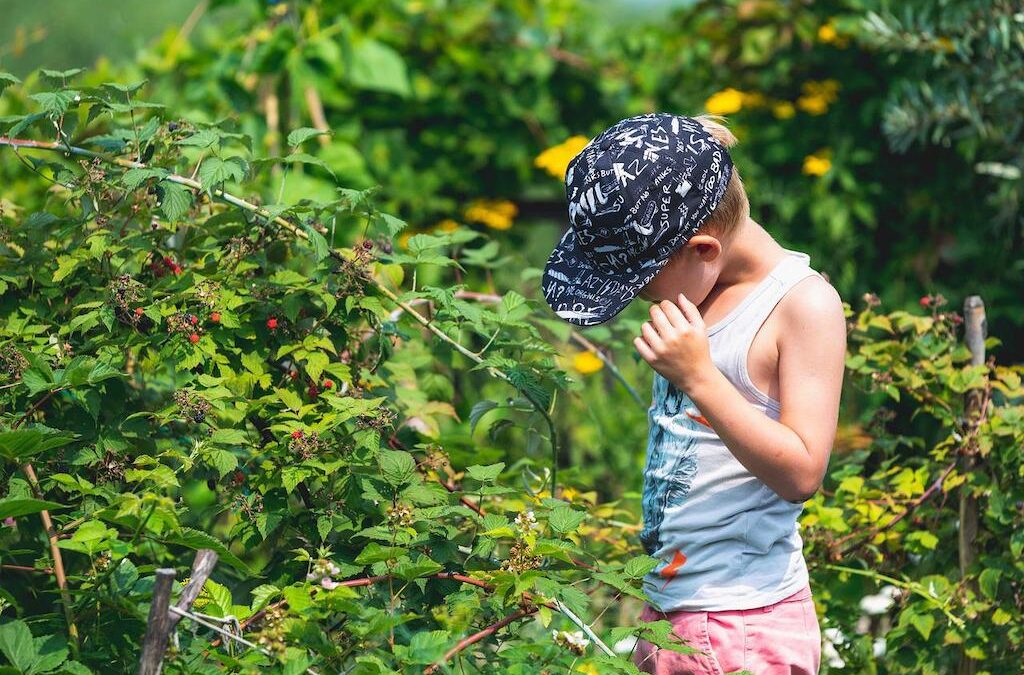
I became a forager at the age of 5, and I suspect many of you did, too. My early childhood memories are filled with berries of all kinds: wild strawberries, raspberries, blackberries, and above all, blueberries. They covered the forest floor so densely that it was difficult to set down your foot without squashing them. 

The summer holidays were pure berry bliss as I munched my way through the landscape like an insatiable caterpillar.

These early sensuous experiences sowed the seeds from which, in time, my passion for nature sprouted. 

Nothing can forge a deeper connection to nature and the land than such total immersion - learning by smelling, tasting, eating, feeling and playing with what nature provides in abundance. We learn by doing, observing and asking questions about what we can directly experience. These sensory impressions form the foundations of our understanding of the world. 


 We learn to understand processes, to see patterns from which we deduce meaning. Such intense observation creates a deep relationship with the observed. We are no longer separated, but deeply and empathically involved. A sense of familiarity and caring develops and gradually grows. A great way to stimulate this learning process is to become a forager.


What is foraging?

The term ‘foraging’ is often associated with animals roaming around looking for food. Different animals forage for different kinds of food. A hedgehog looks for beetles, snails and fallen fruit, while gorillas sustain themselves only on leaves. 


As ‘civilized’ human beings, we mostly forage at the supermarket. Everything is always available, and most of us have lost any sense of connection to the cycle of the seasons and the different foods they produce - unless they are gardeners, of course. But before we began domesticating wild species of plants and animals, we incorporated a wide variety of wild species into our diets. 


Picking berries or hunting for mushrooms is still hugely popular, especially in times of economic hardship. Some of us continue to forage for part of our diets - not just to save money on the grocery bill, but simply because we love it. We love the connection with the land and the variety of foods and flavours each season provides. Besides, wild foods tend to have a vastly superior nutritional profile compared to industrially farmed produce.


What are wild (plant) foods?

Wild food plants are simply edible plants that are not under cultivation. But the dividing line between wild and cultivated foods can be very vague. Many wild edibles are the undomesticated ancestors of the plants we find at the grocery. Some wild species used to be cultivated and sold on the market but are no longer grown today. Gardeners even curse them as weeds. 


Some fruits and nuts are cultivated and found in the wild. The cultivated varieties are bred for specific traits and qualities, such as shelf-life. Their wild cousins tend to be smaller but are often more flavourful.


Whether we can digest any given wild plant is determined by our physiology. Certain plants that would kill us are perfectly edible for other animals. 


How to become a forager?


Foraging is a skill that must be learnt like any other. 

The best method to learn is to find a knowledgeable mentor or join foraging walks and classes in your neighbourhood.

But there is also much you can learn on your own. 


Essential foraging skills:

Learn all you can about your environment

Observe closely, and ask questions: 
What kinds of trees, bushes and wildflowers grow here?
Which animals feed on them? 
Do certain plants always grow together? 
What is the soil like, chalky or loamy, wet or dry? 
Do you know what the farmer sprays on his nearby field? 

Learn plant identification skills

Foragers must learn basic botany and become familiar with the transformative processes of plants. Learn to recognize them at different stages of their growth cycle. Some species are edible at one stage, but toxic at another. 

Learn the seasons

Each season brings forth its special treats, but seasons are not fixed by a calendar. If you know how to read the signs of nature, you will recognize when the time to harvest a specific herb or fruit has come.

Learn how to care for your environment

As foragers, we are stewards of the land, not pillagers. We must not only take but also give back to nature. Remember that you are not the only hungry one out there. Others (human or animal) also depend on the gifts of nature.

Cautions:


Never ever rely on your intuition alone! Even deadly plants and fungi may look, smell or taste deceptively appealing!


Learning everything you can about your environment is the most essential skill a forager must develop.


Always test for allergies before tucking into a foraged feast. The body can be finicky when we ask it to accept foods it has never previously encountered.


And finally - knowing your land also means learning about dangers that may lurk in the undergrowth: snakes, insects (ticks!), wild boars, or even bears, depending on where you live.


Resources:


There are many knowledgeable people out there who teach foraging as a craft - too many to name them all here.

But here are a few useful books. (As an Amazon Associate, I earn from qualifying purchases.)

Keep in mind that each bioregion is unique. There are many differences concerning microclimates, seasons, and habitats. Obviously, I can't cover them all. I focus on my local bioregion, which is Central Europe.

Slugs

Slugs

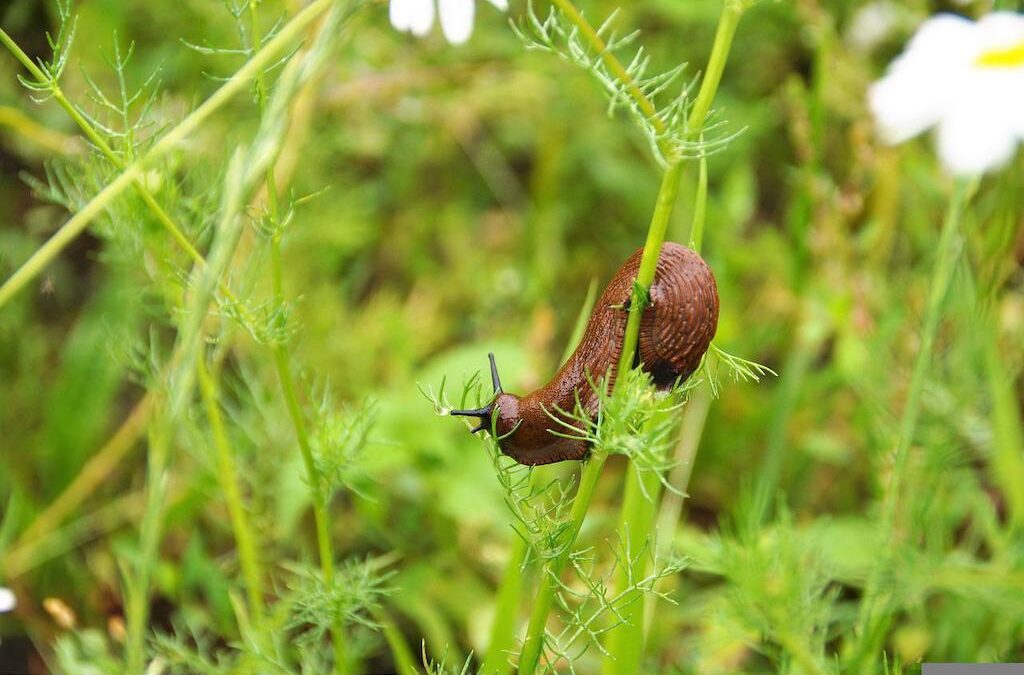
Slugs - the one animal everybody loves to hate. Especially gardeners. These mobile eating machines can really do some damage to our carefully groomed plants. Most gardeners are waging perpetual war against them. But are slugs really as bad as they are made out to be?

Being a gardener myself, I have my share of sluggy-slimy woes. Every evening, at dusk, I go out and search my garden. Torch in one hand and a glass jar in the other, I hunt down those ravenous gastropods before they decimate my beloved seedlings. I scour not my young starts, but the grass as well, to catch the slugs waiting there in ambush. The following day, I release them about a kilometre from my house.

I can’t really tell whether the strategy is working. Every evening I collect roughly the same amount of slugs again. Where the heck do they come from? Nature's slug supply seems inexhaustible - as if on tap.

But the other day, while on my daily slug patrol, it occurred to me that I actually know very little about these creatures. Quite shocking, considering that I have hand-picked about a million of them over the years.

'Okay', you might think, 'what's the big deal? What is there worth knowing about slugs, except how to get rid of them?'

Good question, and I had always thought along similar lines. But, as with everything in life, things become interesting the minute you invest interest in them. Before I knew it, I was going down a research slug-hole, discovering weird and wonderful facts about these strange creatures.
I watched way too many slug videos on YouTube and scoured the internet for gastropod-related papers and posts. To my growing amazement, slugs turned out to be far more interesting than I had ever imagined.

People, who study slugs, seem to be a special kind of nerdy and have a sense of humour, too. Just consider the term 'gastropods', the scientific term for all slugs and snails. There couldn't be a better name for them. 'Gastro' means 'stomach', and 'pod' means foot. I can't think of a more perfect way, to sum up what slugs and snails are all about.

The English word 'slug' is similarly general. There are gazillion species of slugs and snails. Currently, an estimated 65,000 to 80,000 different species exist, and they have managed to adapt to all kinds of habitats - even the desert!
In terms of evolutionary success stories, slugs are champions. Their family tree dates back to 495 million years ago, the late Cambrian period, when more complex life forms first evolved.  There are 721 known families of gastropods, of which only 245 have gone extinct. The others are still with us today - a remarkable feat in evolutionary terms. To put that into perspective, the class of primates, to which we belong, only emerged about 74 million years ago. (Homo sapiens has only been around for 300,000 odd years)

The very earliest slugs evolved in the ocean - like all life at that time. Sea slugs are truly stunning. If you have never seen them, do go ahead and check them out. They are out of this world! My current favourite is this cutie:


The sea-sheep dons a coat of leaf-like structures with which it can perform photosynthesis! But it did not learn the trick itself. Like corals, it acquired the ability by eating algae, which it integrates into its own body. Other species of sea slugs obtain toxins in the same way, which gives them a means of protection.

Our garden varieties of land slugs are neither as colourful nor as cute. But even so, they are much more interesting than we give them credit for.

Interestingly, the thousands of species of terrestrial slugs are not all closely related. It seems that slugs originally did have shells, but later lost them. Now all that remains is a vestigial 'shield', a kind of plate on their backs that they retreat into when they sense danger.

These squishy, slimy, globs of goo are incredibly vulnerable, yet that does not impede their survival. Their defence system is their slime.

Slugs produce two distinct types of slime. A thin one that oozes from the centre of their foot helps them glide and marks their trails. It guides them back home to their holes and also signals their presence to other slugs - which comes in handy when trying to attract a mate.

The other type of slime is produced from glands at the rear and front of their bodies. It is extremely thick and sticky, which makes it more difficult for predators to just pick them up. The slug simply glues itself to the spot. The slime is also distasteful to potential predators, such as badgers, thrushes and hedgehogs.


The slime plays a prominent role during mating, which for slugs is a very oozy affair. The interesting-looking keel-back slugs spin a slime thread from which both slugs suspend themselves during the act. Slugs are hermaphroditic, and thus have both male and female sexual organs. Both will give and receive sperm, potentially doubling the number of offspring.

You can watch their weird and wonderful love ritual here, courtesy of the incomparable Sir David Attenborough and the BBC. Thank you, Sir, you made my day!


Slug slime has also recently caught the attention of scientists, who have taken an interest in its properties. Slug slime is highly adhesive yet elastic and does not become brittle. It is also non-toxic, consisting of mucous and serotonin. The unique property of maintaining its adhesive powers, even on wet surfaces, makes it a promising candidate for a new type of non-toxic surgical glue.

In Britain, there are 40 species of slugs, but only about 8 of them do all the damage in the veggie patch. These little 'mobile stomachs' have a ravenous appetite, yet their evolutionary role is not specifically to destroy our gardens. We simply make it easy for them to access the juiciest, tenderest, and tastiest young plants. From a slug's point of view, our gardens are a kind of Shangri-la.

Ecologically, slugs are important composters that help break down organic debris, and themselves morsels in the food chain, even if not very tasty ones.

Snails even form part of the human diet. I used to love them as a kid, until one day I got really, really sick on them. Slugs, however, only enter the human food chain accidentally by hiding in the lettuce and avoiding being washed off - due to their sticky slime. Slugs carry parasites, so the principle of 'if you can't beat it, eat it', is not recommended, in this case.

But you are probably still asking yourself the one question we all want to know the answer to - how do you get rid of slugs?

To tell you the truth, I haven't found the magic secret, but there are some methods that are somewhat successful.

Copper tape
Garden shops sell copper tape that supposedly deters slugs. Apparently, the slime reacts with the copper, giving them a little electric shock. I haven’t tried this method, so I can’t comment on it.

I have tried coffee grinds, eggshells, and dry grass cuttings as mulch.

A determined slug will not be put off by any of these, but is likely to look for a more readily available meal. I often leave bits of decaying plant matter lying around when I pluck weeds from my veggie beds, and I have watched slugs devour these. But, like beer traps, it might attract more slugs to the garden. Other gardeners insist that keeping a garden tidy is the way to get rid of slugs.

I have also noticed that slugs can smell a wilting plant, which they go for preferentially.

Sometimes, I leave things like chenopodium standing between my tomatoes. Slugs prefer this tender weed to the tomato plants, especially once the tomatoes are strong enough to create their own defence.

Eggshells, walnut shells, pine needles, and other prickly stuff deter them, to some degree.

Slugs shelter in dark, moist places, under bricks, tarps, and buckets or under planks that some gardeners put down as walkways between their rows of veggies. If you check these places before the slugs go for their forage, you can find a whole clutch of them without much effort.

Whatever you do, please don’t use toxic chemicals. They do kill the slugs, but also the birds and hedgehogs that either eat the slug or the pellets.

Even though we may not like slugs much, they do have a place in the ecosystem. Eliminating them would probably cause more harm than good. But only a few species are truly destructive. Most simply go about their business, or even feed on other slugs and their eggs. Slugs can’t help being born as slugs, any more than we can help be humans. We each have our niche but share an inherent right to exist on our amazing planet, which provides for both, humans and slugs. Slugs have been here a lot longer than we have, and managed to survive without totally decimating their ecosystem, despite their ferocious appetites. Judging by how our own insatiable appetite decimates nature, slugs will probably outlast us.


Star of Bethlehem

Star of Bethlehem

Plant Profile: Star of Bethlehem (Ornithogalum umbellatum)


Family: Liliacae /allium family


I recently took up nature journaling, and when I sat in the garden looking for a suitable motif, I suddenly noticed a Star of Bethlehem growing at my feet. I had seen them in the vineyards many times, but hadn’t noticed them moving in with me. 

Apart from giving them a friendly nod, I had never paid much attention to them. As far as I knew, they were not used for food or medicine; but hang on - didn’t Dr Bach revere this little flower and give it a prime spot as part of his Rescue Remedy formula?

I decided to take a closer look and dropped to my knees to study it in detail. I was immediately smitten by the Star’s sublime beauty and unusual features.


What is the Star of Bethlehem?

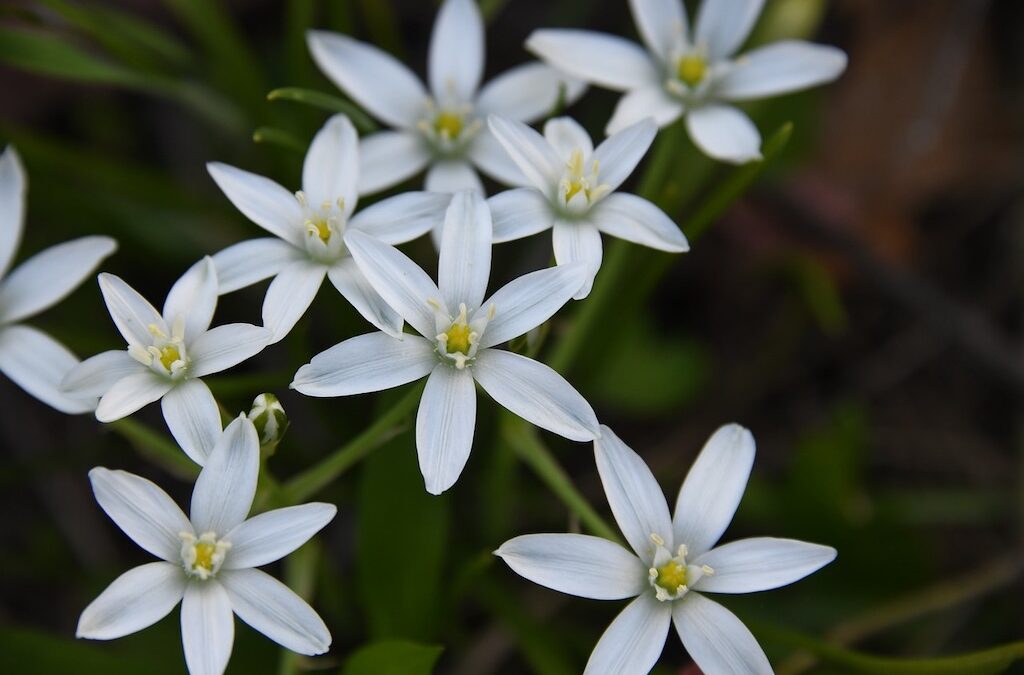
Star of Bethlehem is a small perennial bulbous plant of the Lily family (Asparagaceae). Its leaves die back even as it begins to flower. After flowering, its energy retreats into the underground bulb. During the ‘dormant’ period, it produces little bulbils that send up their own narrow leaves early in the following spring. The Star of Bethlehem is thermoperiodic, meaning that it needs to go through a period of low temperatures before it begins to flower. 


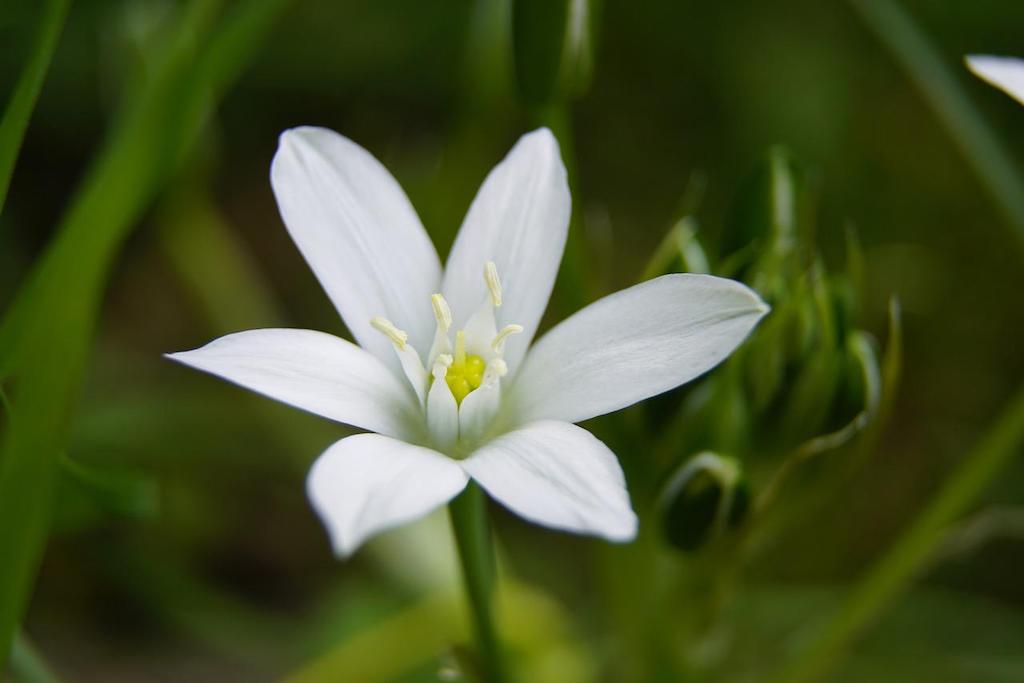
The pretty, star-like flowers appear between April and June. The white petals have a green stripe on the underside that is only visible when the flower is closed. It looks as if the petal has fused with the sepal. But in fact, botanical descriptions of the plant say that the flower is composed of three identical sepals and petals, displayed in a single whorl. It is impossible to tell the difference, so botanists call them tepals. In the centre of the flower is a little crown of what looks like six white petals tipped by the pollen-bearing anthers. They enclose what looks like a little six-pointed star, from which the pistil protrudes.


Where does Star of Bethlehem grow?

You can find Star of Bethlehem growing in many places throughout Europe and North Africa. It arrived in the United States as a garden plant, which has naturalized to such an extent that the USDA now considers it a pesky weed.


Where did the name ‘Star of Bethlehem’ come from?

The origin of the name is attributed to various stories. The most obvious explanation is its widespread distribution in the Middle East and the Mediterranean Basin. Pilgrims on their way to Jerusalem carried the dried bulbs as food. (But fresh bulbs are reported as poisonous to cattle.) Another myth claims that the flower sprung from fragments of the Star of Bethlehem.


Is Star of Bethlehem known by any other names?


Indeed, it is, but none as charming. Star of Bethlehem is also known as Sleepy Dick, Nap-at-Noon, and even 'Dove Dung'. 

Nap-at-Noon alludes to the flower's habit of 'going to sleep’ in the afternoon and on cloudy days. The name 'Dove Dung' seems a bit insulting, apparently implying that the white ‘splash’ of the Star resembles bird doo-doo. It doesn’t, and in fact, it is not a reference to the supposed likeness. Instead, the name is a literal translation of the Latin name Ornithogalum, which means ‘bird’s milk’, a common euphemism for avian excrement. The species name ‘umbellatum’ refers to the umbel-like flower.


Star of Bethlehem flower


History

Gerard describes it as a type of wild onion and quotes Dioscurides, who mentioned that the bulbs are edible. Both the bulbs and the green parts are sold at markets in Turkey (Central, Bulancak) (1). Yet, they are also many sources that claim it is poisonous. So, what is the scoop?


Is Star of Bethlehem poisonous?

Biochemical research confirms that Star of Bethlehem contains cardioactive glycosides that are potentially toxic. But further investigation showed, that they do not survive being subjected to digestive juices, which would explain the controversy. An early study published by Arthur Vogelsang in 1961 notes that the effect of Star of Bethlehem is quite different depending on whether it is taken orally or injected. To test his hypothesis and confirm that the coating prevents the breakdown of the cardio-active compounds in the stomach. He compared Star of Bethlehem with Digitoxin and observed that its extract slowed the heart rate to a lesser degree than digitoxin while increasing the strength of the cardiac contraction and the excretion of body fluid. Star of Bethlehem also caused less nausea. Overall, Star of Bethlehem is a gentle yet highly effective heart drug that can be given to reduce blood pressure, strengthen the pulse and increase the discharge of excess fluid. It is particularly helpful for patients that do not tolerate digitoxin well.


Note of Caution:

The specific growing conditions, such as exposure to sunlight, water and soil type, change Star of Bethlehem's chemical composition.


Is Star of Bethlehem used homeopathically?

In Homeopathy, the Star of Bethlehem is known by its Latin name, Ornithogalum umbellatum. It is used to treat persistent gastrointestinal problems, such as upper abdominal pain in the epigastric (central abdominal) region, pressure, malignant tumours of the digestive tract accompanied by depression, and feeling drained and exhausted. It is also indicated for patients suffering from a state of nervous exhaustion with high sensitivity to all types of stimuli.


What are the indications for Star of Bethlehem Bach Flower Remedy?

For Dr Bach, Star of Bethlehem was one of the most treasured flower remedies. He used it as a go-to Trauma remedy to buffer the effects of shock, such as unexpected bad news, the sudden loss of a loved one, an accident or other traumatic event. It can also help when facing the pain of past traumata (PTSD). It is one of the essential components of Rescue Remedy.

Foraging Daisy (Bellis perennis)

Foraging Daisy (Bellis perennis)

Foraging Daisy (Bellis perennis)

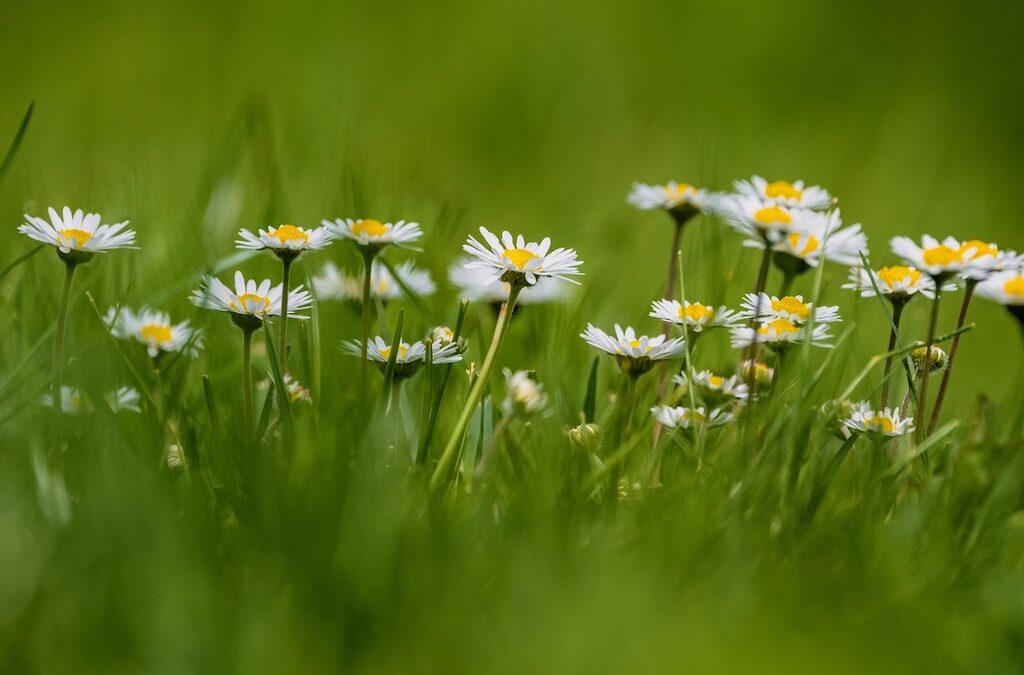
The dainty Daisy is a picture of innocence: it seems to have been made for adorning children’s heads. But there is a lot more to these lovely little flowers than meets the eye.

Etymology

The English name 'Daisy' means 'Day's Eye' because the Daisy opens its flower head in the morning and closes it at night.

But the origin of its Latin name is a lot more surprising and somewhat controversial. Bellis means 'pretty' - an obvious choice for this little herb. But Mrs Grieves thinks it may have been named after a dryad known as Belidis. Another common name is ‘Baldur’s Brow’, linking the Daisy to the Norse Sun God Baldur. Another association links it to Bellona, a Goddess of war. Judging only by its appearance, this suggestion seems improbable, but its traditional medicinal uses give a deeper insight.

Properties of Daisy

Daisies first appear around the Spring Equinox, when the Sun enters Aries, which is ruled by Mars. The ancient herbalists used Daisy as a vulnerary - an herb to treat wounds, and as an anti-inflammatory and diaphoretic,  for treating fevers. Inflammation, fever, and wounds all suggest a ‘Martian’ connection.

Mars also leaves its signature on the taste sensation. The leaves and roots are quite astringent, almost hot, but very unlike the heat of chillies. Instead, it is a spreading, radiating warmth, not a blistering burn.

The leaves are a little rough and moist, and have a demulcent quality. The old herbalists found Daisy’s heat suitable for treating conditions characterized by retracted, cold phlegm. Daisies loosen congestive conditions caused by an excess of cold moisture -as the ancient herbalists would put it.

Modern clinical herbalists have all but forgotten the pretty English Daisy. They use her sister, the Ox-Eyed Daisy, instead. Both can be used for similar complaints. Ox-Eyed Daisies are an excellent remedy for chronic bronchial conditions, asthma, and whooping cough. It is also used to treat nervous excitability and, prepared as a lotion or ointment, as a wound herb.

Wild herbs are not only nutritious but also therapeutic - and none more so than the early spring herbs. They often provide just what our bodies need to restore vitality after fending off winter bugs.

Daisy as Wild Food


Recipes


Daisy in the Salad:

Daisy leaves and flowers can be added to spring salads. The young, tender leaves are rich in vitamin C, and their heat produces a diaphoretic effect.

Daisy Capers:

Conventional Capers are made from the unopened flower buds of the caper tree (Capparis spinosa.) But inventive foragers use the same method on other flower buds, such as Daisies or Dandelions (only use edible flowers!)

The basic recipe is quite simple:

Pick about one cup of Daisy buds, wash, and cover them with about 500 ml of salted water. Quickly bring to a boil and strain through a cheesecloth or finely meshed strainer.

Place the buds into a stone jar and pour 500 ml of boiling vinegar over them.

Make sure they are completely covered.

After about 4-5 days, pour the buds and vinegar into a pan and, making sure the buds are covered, bring to a boil.

Let them cool, jar and cover with jam cling film to prevent the buds from coming into direct contact with the air and turning mouldy.

Daisy Soup:

Daisy soup is quick and easy to prepare and can be made at almost any time of the year. Use all parts of the plant: roots, leaves and flowers. (Only use the roots if Daisies are prolific in your area.) Picking the plants is easy, but if you have heavy clay soil, be prepared for clots of dirt to cling to the roots, making cleaning them tedious.

Pick about 6-8oz of flowers (roots, leaves and tops), clean well and chop them up (not too small).

Quickly sauté them in a heavy pan with a few drops of olive oil.

Add half a cup of white wine or apple cider, let the alcohol fly off, and stir in 1 litre of vegetable broth. Season to taste and finish off with a dash of cream. Serve with croutons.

#Ads

Disclosure: As an Amazon Associate, I earn from qualifying purchases.

Easter/ Oestara

Easter/ Oestara

Easter is a festival of sacrifice and resurrection. We commemorate Christ's sacrifice on the day he died on the cross as Jesus, the man, to be resurrected as Christ, the son of God and redeemer of mankind. That is the official story. But the cross, which signifies the crucifixion, is an ancient symbol that predates Christianity by thousands of years.

The cross symbolizes the cosmic order: the four directions and the axis of time and space. Esoterically, it also signifies the surrender of the ego, which is bound to the material world.


Pre-Christian Origins of Easter

In the ancient world, sacrifice was not a celebration of death, as it may seem, but of life, as a way of giving back, so life may continue. Death and rebirth were merely the two sides of the same door. The mystery was symbolized by the Ouroboros, the dragon-snake, which eats its own tail, and thus continuously regenerates itself.

For a sacrifice to be meaningful, it had to be of value, something special. Any old rat would not do! A sacrifice was a gift to the Gods!
Only the king himself was deemed worthy of being sacrificed. But in time, Kings changed the rules. They wanted to be special, but not THAT special. Instead, they offered up their firstborn. That proved unpopular, and animals now had to play the part.

Oestara

At Oestara, when the Earth renews itself and puts on a fresh green robe, an innocent lamb must now bear the burden of honour. This tradition has survived: a lamb roast is still the traditional centrepiece of the Easter feast - a distant echo of an age-old sacrificial tradition.

Easter is a movable feast - a clear indication that this festival predates Christian times. It always falls on the first Sunday following the first Full Moon after the Spring Equinox (Worm Moon). The pre-Christian festival Oestara honoured the Goddess Eostre, a Mother Goddess known by many names: Ishtar, Astarte, or the Great Mother Kali.

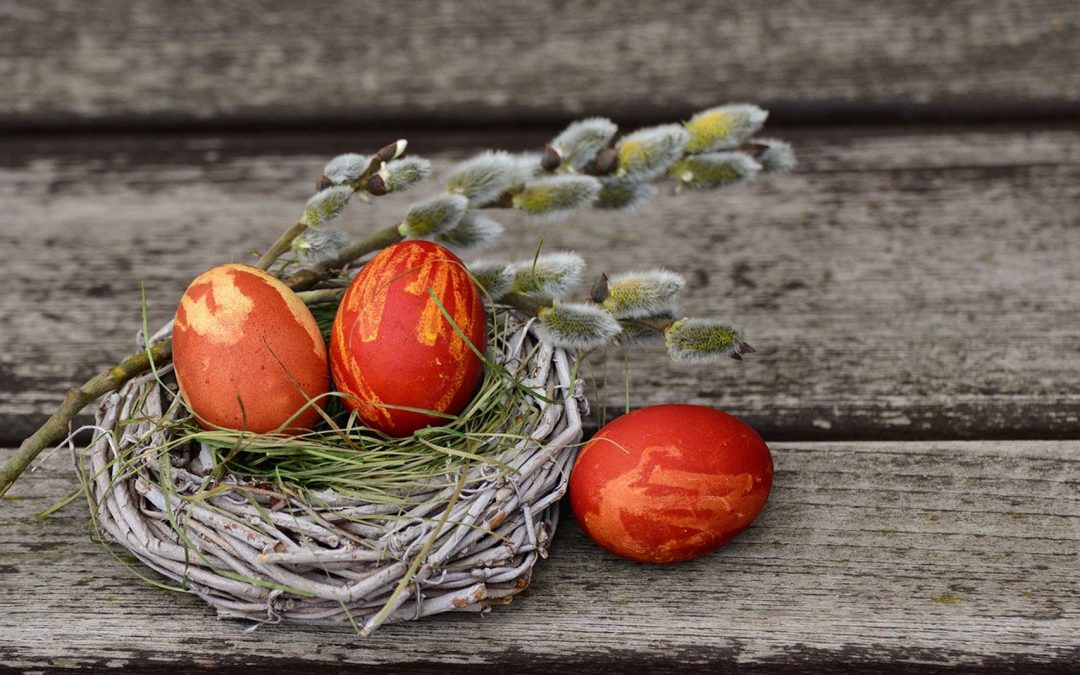
Her sacred 'Moon Hare' (a symbol of fertility) has become the 'Easter Bunny'. The eggs are a symbol of life. Traditionally, eggs would have been dyed red, the colour of blood and life. Giving red-dyed eggs is a blessing: A gift of life and abundance!

May your potential unfold and blossom! Happy Easter/Oestara, whichever you choose to celebrate!

Source:

The Woman’s Encyclopaedia of Myths and Secrets, Barbara G. Walker, HaperCollins, 1983

Gardening Jobs in April

Gardening Jobs in April

The main gardening jobs in April are planting, sowing, and weeding. 

April is a busy month for gardeners. Hopefully, you have been able to prep your veggie plots in March, and they are now ready for action.


Seed Potatoes

Your seed potatoes should be chitted (=sprouted) and ready to plant. Now it is time to plant them. If you don't have much space, try growing them vertically in potato grow bags, or towers.


Tomatoes, Chillies & co

Warmth-loving plants
Really, the best time to sow Tomatoes, Chillies, Aubergines, and Zucchinis is in the latter part of March, from about Equinox. So hurry if you want to grow them from seed. Start them under glass or indoors.

Alternatively, you can buy plant starts at the farmer’s market or garden centre next month. Or, perhaps one of your gardening friends has far more plants than space in their own garden and would be happy to share.

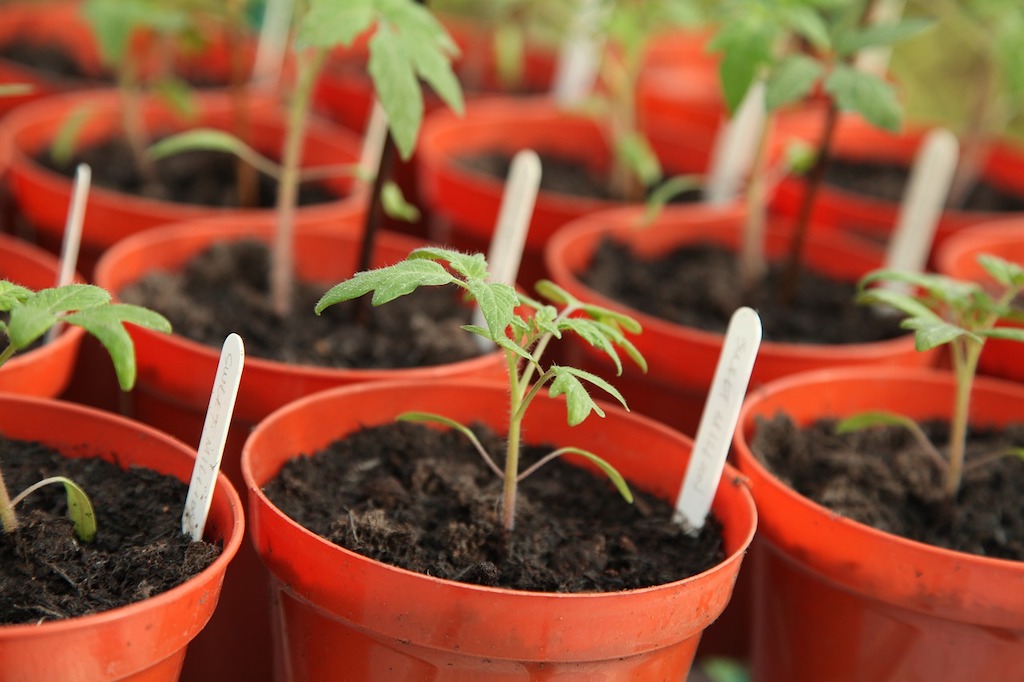
If you started your tomatoes very early, they begin to look straggly by now. Don’t be tempted to plant them out until all danger of night frosts has passed. Instead, pot them up to just below the first leaf node. This will encourage them to develop more roots and prevent the stem from getting too dangly.


Gardening Jobs in April: up-potting Tomato Seedlings

Onion Sets and Shallots

Continue to plant onion sets to extend your harvesting season.


Direct sowing

Beetroots

Sow beetroots directly into the prepared plots or containers. Sow about 10 cm apart, or thin seedlings out once they are about 3 cm tall.


Carrots

Carrots can be sown directly into the well-prepared ground. They prefer loose, sandy, well-draining soil. They will fork if the ground is too heavy or full of stones. The seedlings are very fragile and don’t take well to being transplanted.


Starting carrots in a gutter pipe is a nifty gardening hack. Watch here to see how it is done.

The contents of the drain pipe can be transferred directly to the prepared plot without having to handle individual seedlings.


Leeks

You can still sow leeks under glass now. When they have grown to about 15-20cm tall, transplant them into well-prepared soil. To get a long blanched shaft, plant them deeply into approx. 20cm deep holes 15cm apart. The rows should be about 30cm apart.

If you stagger the sowing and transplanting the harvest can be significantly extended. In theory, it can start as early as August and continue through the winter. Harvest them fresh, as needed.


Radishes

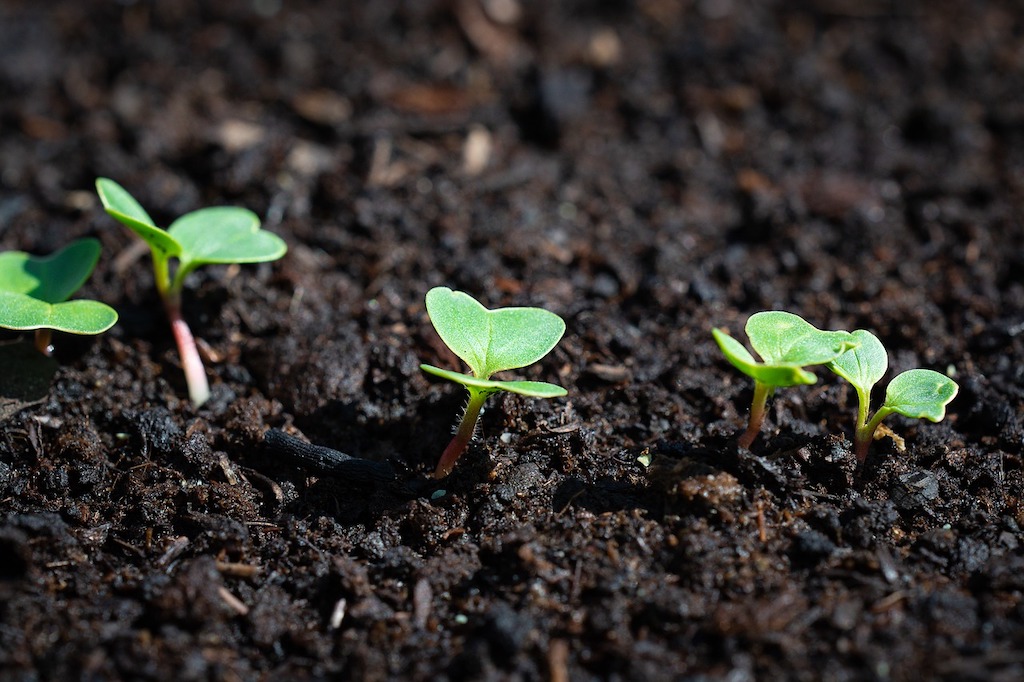
Sow radishes at regular intervals right through August to ensure a continuous supply. The seeds are tiny, so thin out the seedlings to about 2,5cm per plant once they are about 3cm tall. They are an ideal ‘gap’ crop or row marker as they grow fast and can be harvested long before a slow-growing main crop develops. Filling gaps with radishes also helps to keep the weeds at bay. Water regularly and keep an eye out for predatory slugs and snails.

Gardening Jobs in April: Sowing Radishes

Swiss Chard

Coloured varieties of Swiss Chard are beautiful edimentals, even if you like the taste. Sow directly into a well-prepared bed. They are tolerant of partial shade, so they don’t have to take the prime spot in the garden.


Turnips

Like radishes, turnips are fast and easy to grow. Harvested young, they can be eaten raw or cooked, and the leaves are edible as well.


Peas

Sow peas at intervals to ensure a continued supply. Unlike most plants, peas don’t mind growing closely together. There is no need to thin them out; growing them in thick bunches keeps the weeds down and increases the yield. Keep them moist at first. Later, they usually only need to be watered deeply once a week, especially once they start flowering. Mulch them to keep the moisture in the soil.


Weeding

Controlling weeds is a tiresome task. Get on top of it early, and you will save yourself a lot of time and effort later on when it gets much harder to pull them out without damaging your crops. Mulching is a great way to keep the weeds down and the moisture in the ground.

 Happy Gardening!


Check out SeedsNow for your organic gardening supplies!

Cacao can do more – New Uses for an Old Crop

Cacao can do more – New Uses for an Old Crop

In the past, there has been a lot of organic waste from the Cacao harvest. Research has been focused on alternative uses for all the discarded pods and fruit pulp produced during the Cacao bean harvest.

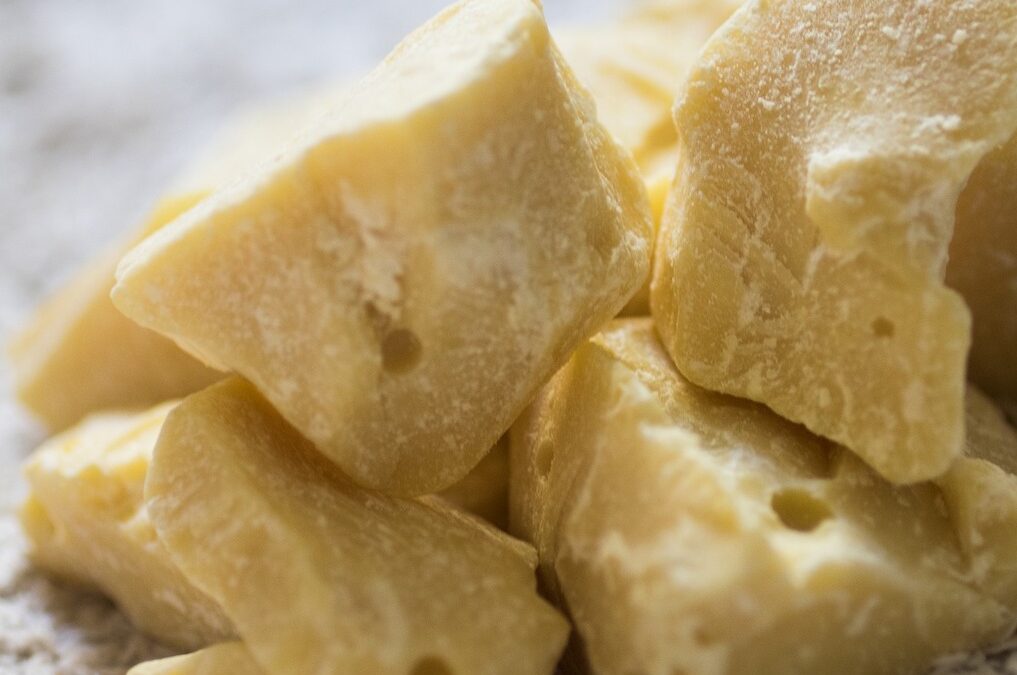
CACAO BUTTER :

A white /yellowish oil, expressed from the crushed seeds

CONSTITUENTS:

Palmitic, Stearic-, Oleic-, Linoleic Acid, traces of Isoleic acid

ACTIONS:

Emollient and nutrient

Non-chocolate uses of Theobroma Cacao


Economically, the most important use of Cacao is for making chocolate and cocoa for all our favourite sweet stuff. Cacao fat, pressed from roasted Cacao beans, is a by-product that has its own uses. 

Cacao Butter for Cosmetic and Pharmaceutical uses

The cosmetic industry uses Cacao butter as a nutritionally rich, moisturizing, and emollient fat in numerous skin-care products.

Cacao butter is solid at room temperature but melts at body temperature. Suppositories, meant to dissolve inside the body, are often made with Cacao butter. Lotions for haemorrhoids, vaginal and uterine lesions, or dry, chapped skin, lip balm and wound dressings also frequently contain Cacao butter. 

Internally, Cacao butter can help soothe bronchial and intestinal irritations. In fact, even high quality, high percentage Cocoa and Chocolate has some amazing superfood properties.


 New uses from waste products

During processing, the beans and some fruit pulp are left to 'sweat' for a few days, which changes the beans' chemistry, reducing their bitterness and creating the right conditions for their characteristic chocolate flavour to develop. Although the pulp is an essential part of this process, only small amounts are. About 60% of the pulp goes to waste. 


Cacao smoothies and juices

But it doesn't have to. In Brazil, farmers remove much of the pulp to modify the acidity and obtain smoother-tasting beans. The fruit pulp is sold at the local market and turned into various delicious products. Cocoa fruit-pulp jelly is a local delicacy. It serves as an ingredient in juices or shakes. But it could also be frozen and used to flavour ice cream, yoghurt or sold as a fruit juice concentrate. Unfortunately, so far, preserving large amounts of pulp has proved difficult and costly. 


To find ways to make more of the harvest, besides the beans, would be highly desirable, since Cacao prices on the global market are fickle, putting the small subsistence farmers at risk. 


New uses for discarded pods

Traditionally, a certain proportion of discarded pods is fed to animals, but the pods are not very digestible. In West Africa, the discarded pods are burnt to yield potassium-rich ash, used for making soap. But composting them, or making bio-char which in turn could be used to return valuable nutrients to the soil, would reduce farmers' dependence on chemical fertilizers and reduce their costs. (1)


In recent years, research has focused on other alternative products that could be obtained from Cacao without decreasing pod yields.  (Antonio Figueira, Jules Janick, and James N. BeMiller, 1993)

 Gum

One such product is gum, present in both the stem and, to a larger extent, in the pods. This gum has a similar composition as Karaya Gum, which is typically extracted from various Sterculia species. 


The food- and pharmaceutical industries use it as an emulsifying agent and fixative. Studies show that Cacao pod gum compares favourably with Gum Karaya. Both contain the same monosaccharides, but Cacao pod gum also contains arabinose and has a higher proportion of rhamnose, making it better suited as a binder for pharmaceutical pills. In this respect, it is even superior to Gum Tragacanth. (Figueira et al. 1992).


Due to supply inconsistencies, the demand for Karaya gum has diminished. But Cacao pod gum could provide a superior and readily available alternative that could also provide a secondary source of income for subsistence farmers.


References

(1) Using Cocoa Pod Husks to Improve Crop Yields and Soil Quality


Figueira, A., J. Janick, and J.N. BeMiller. 1993. New products from Theobroma cacao: Seed pulp and pod gum. p. 475-478. In: J. Janick and J.E. Simon (eds.), New crops. Wiley, New York.

Figueira, A., J. Janick, M. Yadav, and J.N. BeMiller. 1992. Cacao gum: a potential new economic product. In: Proc. Int. Cocoa Conf. Challenges in the 90s (in press).

Unten, S., H. Ushijima, H. Shimizu, H. Tsuchie, T. Kitamura, N. Moritome, and H. Sakagami. 1991. Effect of cacao husk extract on human immunodeficiency virus infection. Letters Appl. Microbiol. 14:251-254.

12 amazing superfood properties of Cacao

12 amazing superfood properties of Cacao

Medicinal and Therapeutic Properties of Cacao

This article is about some surprising medicinal benefits of real Cacao - the stuff that chocolate is made of.

It may come as a surprise, but Cacao is actually pretty healthy.  (It's my favourite 'superfood'. 🙂


If you are interested in the history of Cacao and how we have come to love chocolate so much, take a look at this article about the cultural history of chocolate.


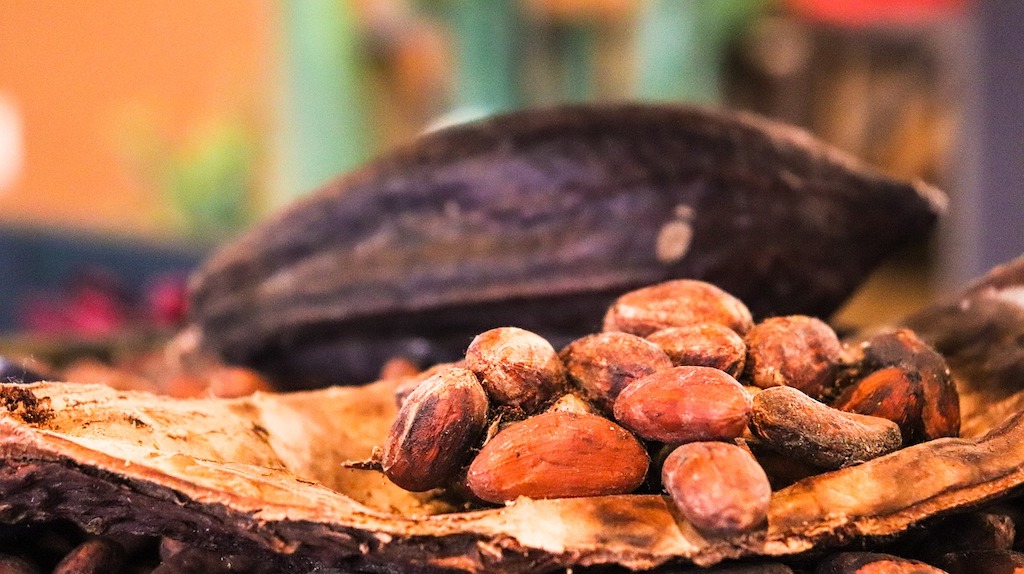
CACAO BEANS

PARTS USED: Dried seeds and seed shells.
HARVEST: Cacao pods take about 5-6 months to mature. The harvest occurs twice a year, from September to February and May/June, even though there is always ripe and unripe fruit on the same tree.
CONSTITUENTS: Fat, Amino Acids, Alkaloids (Theobromine, Caffeine), Riboflavin, Niacin, Thiamine, Calcium, Iron, Potassium, Magnesium, Vitamins A, C, D and E, polyphenols.
ACTIONS: Diuretic, stimulant, aphrodisiac, anti-depressant, nutritive anti-inflammatory, antioxidant

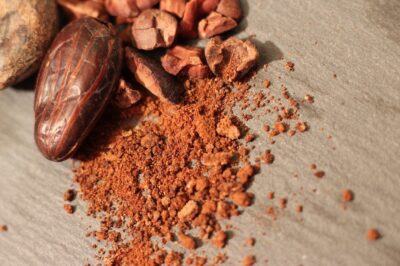
Crushed Cocoa Beans

Crushed Cacao Beans

Image by janiceweirgermia from Pixabay

Diuretic

In Central America, a tea made from crushed Cacao seed shells called 'nibs' is used as an effective diuretic. A strong flow of urine is a sign of health and vigour, and any substance that produces this effect is praised as an aphrodisiac, enhancing male potency.

Anti HIV-properties

A pigment extracted from the husks has anti-HIV properties. In vitro studies have demonstrated that polymerized flavonoids present in the husks reduce the damaging effects of HIV. Apparently, they prevent the virus from entering the cells (Unten et al. 1991). But once inside the cell, the virus replicates normally.

Anti-inflammatory

Cacao is incredibly rich in polyphenols, antioxidant flavonoids that have a powerful anti-inflammatory effect.

Animal studies also suggest that Theobromine and Theophylline can ease inflammatory conditions of the respiratory tract, such as asthma, by dilating the lungs and thus helping to relax the air passages.

But unfortunately, most of them are lost due to the standard methods used to process Cacao Beans.

Cardio-Vascular support

Apparently, eating chocolate can be good for your heart health! In 2015, a study found that habitual chocolate consumption can reduce the risk of cardiovascular health issues, providing it is of high quality with a high cacao content. (2)

Cacao can relax and widen the arteries, thus reducing blood pressure and improving blood circulation. Combined with its ability to reduce 'bad' cholesterol, it can help prevent heart attacks and strokes.

Skincare from within

The Cacao phenols are also good for the skin. They improve blood circulation to the peripheral cells and improve the smoothness of the skin by helping to hydrate it from within. Long-term use is also said to protect the skin from the harmful effects of the sun.

Mood enhancing

The higher the Cacao content, the better it is for your well-being. Have you ever wondered why you are craving chocolate when doing demanding mental work? It's your body telling you what it needs: High Cocoa chocolate (min. 65%) has nutritional and stimulating properties that make it a good 'pick-me-up'.

The flavonols in Cacao improve mood, alleviate symptoms of depression and reduce stress. One study of pregnant women even showed this stress-reducing effect to be conferred to the babies. It is also popular as comfort food to soothe PMS symptoms. Another study showed that older men can benefit from the regular consumption of high Cacao content chocolate, reporting improved health and well-being.

Cognition

Even better, high Cacao content chocolate improves cognitive functions by increasing the blood flow to the brain. The beneficial flavanols can also cross the blood-brain barrier and directly benefit the neurons. For those suffering from cognitive impairments or neuronal conditions such as Alzheimer's, or Parkinson's, high Cacao content chocolate is brain food.

The findings are promising, suggesting that more research is warranted.

Blood-sugar regulation

High Cacao chocolate can even have a positive effect on Type 2 Diabetes symptoms. The unexpected findings showed that flavanols can slow the carbohydrate metabolism and uptake in the gut, while stimulating insulin secretion, lowering inflammation and aiding the transfer of sugar from the blood to the muscles.


Weight loss

Interestingly, high cocoa content chocolate actually has a positive effect on the body mass index (BMI). Chocolate eaters (min 81% cocoa) lose weight faster than people who do not eat chocolate.


Anti-Cancer

Several animal studies indicate that a flavanol-rich Cacao diet lowers the risk of cancer - especially breast, pancreatic, liver and colon cancer and leukaemia. However, more research is needed.


Immune system stimulation

Another counterintuitive finding is that Cacao contains antibacterial, anti-enzymatic and immune-stimulating compounds that can have a beneficial effect on oral health.


NOTE

It must be stressed, that all of these benefits only apply to high cocoa content chocolate that is very low in sugar, or without sugar. The common candy bar has NO health benefits. On the contrary, chocolate candy can be harmful.


(In case you are confused about flavonoids, flavanols and flavanols, they are actually different compounds. Take a look at this article to help clear up the confusion.)

References:

(1) Unten, S., H. Ushijima, H. Shimizu, H. Tsuchie, T. Kitamura, N. Moritome, and H. Sakagami. 1991. Effect of cacao husk extract on human immunodeficiency virus infection. Letters Appl. Microbiol. 14:251-254.

(2) (Kwok CS, Boekholdt SM, Lentjes MA, Loke YK, Luben RN, Yeong JK, Wareham NJ, Myint PK, Khaw KT. Habitual chocolate consumption and risk of cardiovascular disease among healthy men and women. Heart. 2015 Aug;101(16):1279-87. doi: 10.1136/heartjnl-2014-307050. Epub 2015 Jun 15. Erratum in: Heart. 2018 Mar;104(6):532. PMID: 26076934; PMCID: PMC6284792.)



#Ads

Disclosure: As an Amazon Associate, I earn from qualifying purchases on Amazon and other affiliate sites.